10 Must-Try Adventures in Uganda for Thrill Seekers
December 12, 2025
Visiting Local Markets in Kigali, Kampala, and Nairobi
December 12, 2025
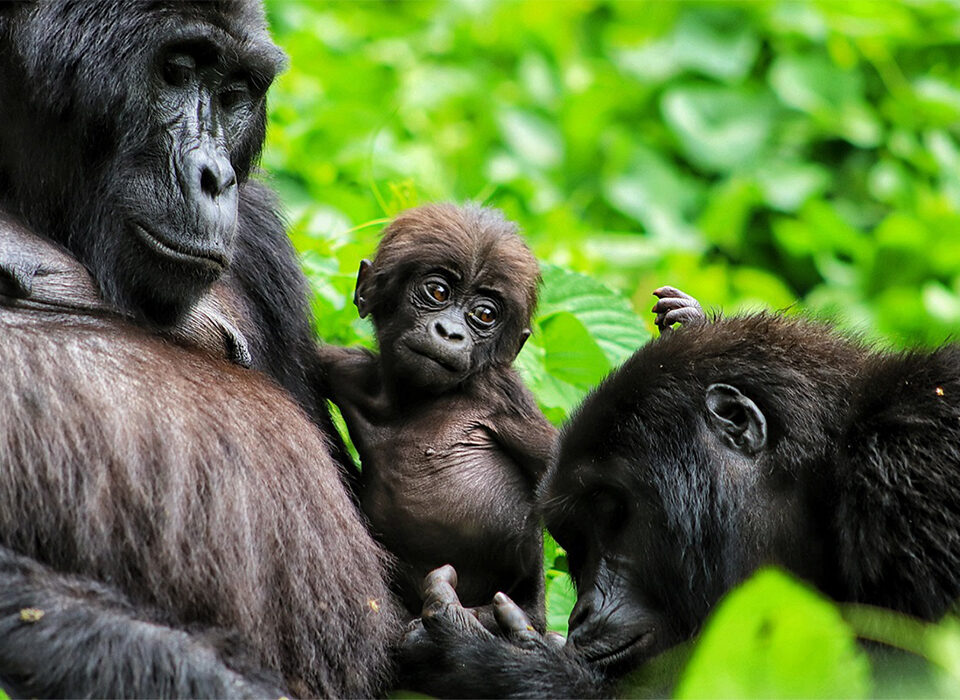
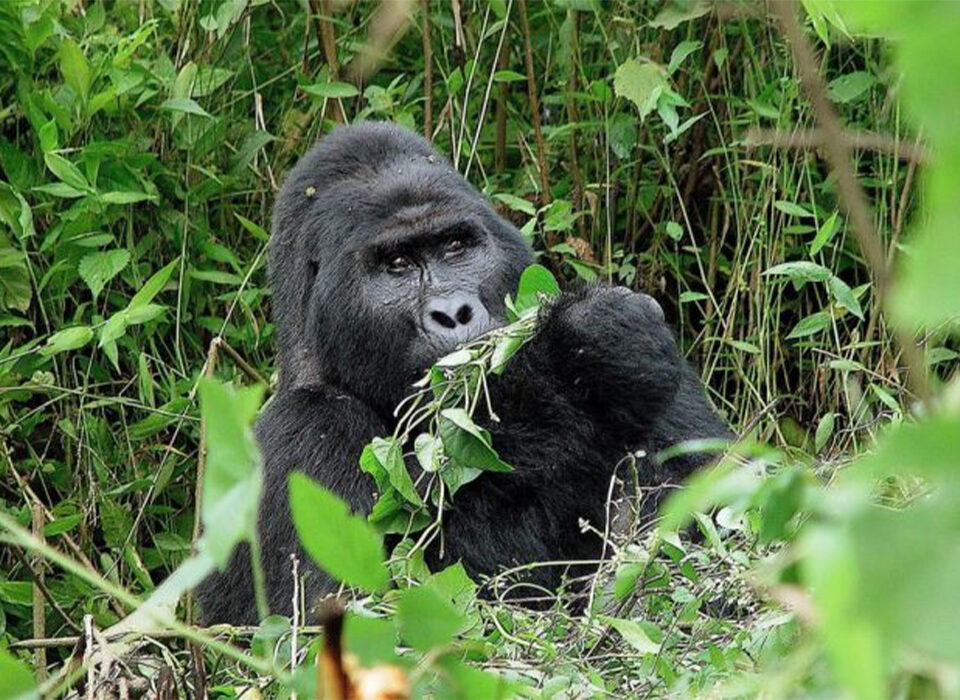
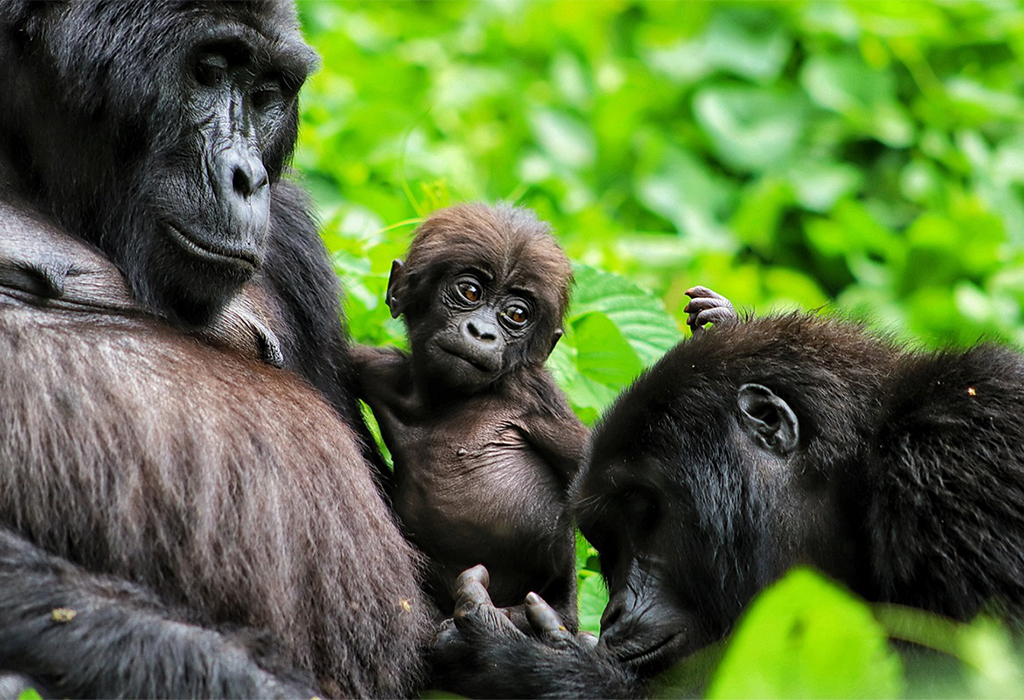
Mountain gorillas live in only two remote regions of east-central Africa, making them one of the rarest primate species on the planet. Their rugged, mist-covered homes stretch across some of the most beautiful and biologically rich landscapes on Earth.
Primary Mountain Gorilla Habitats
To begin with, one population survives in the Virunga Volcanoes, a spectacular cross-border area shared by Uganda, Rwanda, and the Democratic Republic of Congo. This region includes three protected forests, famous for their extinct volcanoes, thick bamboo zones, and cool montane climate.
Meanwhile, the second population lives in Uganda’s Bwindi Impenetrable National Park, a UNESCO World Heritage Site known for its dense vegetation and steep terrain. Bwindi’s forests extend to the Sarambwe Nature Reserve in the DRC, forming an important ecological corridor.
Mountain Gorilla Environment
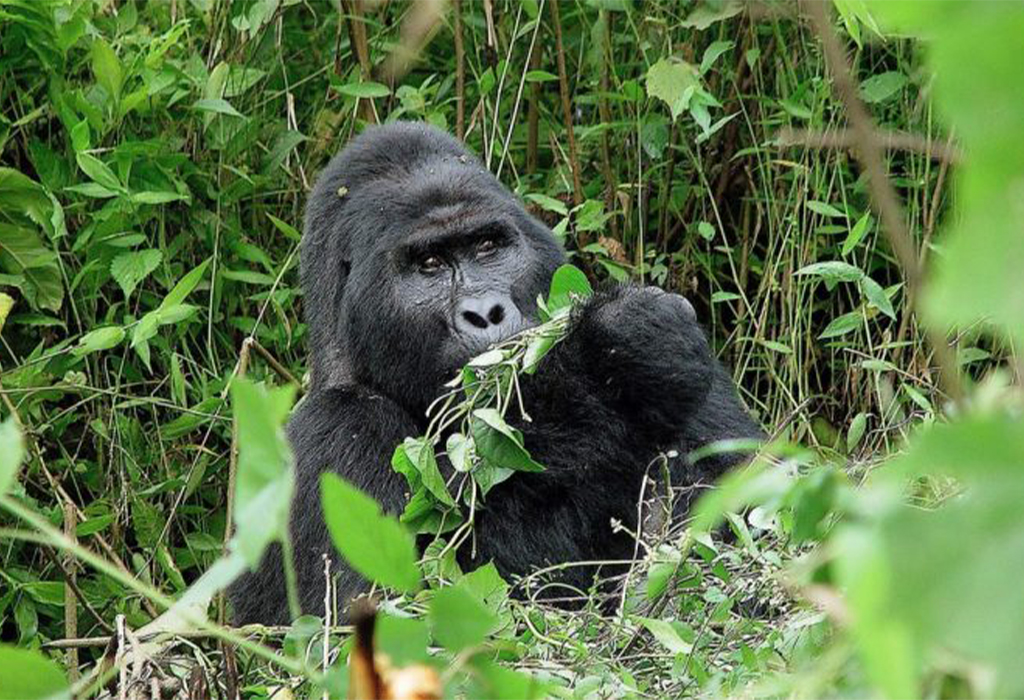
Mountain gorillas thrive only in high-altitude montane and bamboo forests located between 1,400 and 3,800 metres (8,000 to 13,000 feet) above sea level. Their habitats are often surrounded by farms and settlements, which makes conservation even more essential. Today, only around 900 mountain gorillas remain in the wild. Since they cannot survive in captivity, the only way to see them is by trekking into their natural environment.
Where Are the Best Places to See Mountain Gorillas?
Rwanda – Volcanoes National Park
The town of Musanze serves as the gateway to Volcanoes National Park, Africa’s oldest national park and one of the finest destinations for gorilla trekking. The park hosts about 178 mountain gorillas, grouped into several habituated families. Additionally, history enthusiasts can follow in the footsteps of Dian Fossey, the legendary primatologist behind Gorillas in the Mist. The park also features the impressive Ellen DeGeneres Campus of the Dian Fossey Gorilla Fund, home to research facilities and conservation galleries that inspire both current and future generations.
Furthermore, Volcanoes National Park offers a selection of stunning forest lodges with views of lush landscapes and twin lakes ideal for a luxurious gorilla safari. Gorilla trekking is available throughout the year; however, the dry seasons from mid-December to early February and June to September are the most popular. During wetter months, although trails may be muddy, the gorillas often move to lower and more accessible slopes, and the views become clearer.
Rwanda issues only 80 gorilla permits per day, each costing USD 1,500 per person. Every trekking group is assigned a specific gorilla family based on fitness level. The permit includes an hour with a gorilla family, guidance from expert rangers, and a pre-trek briefing with complimentary Rwandan coffee. Importantly, a portion of every permit directly supports conservation and surrounding communities.
Uganda – Bwindi Impenetrable National Park & Mgahinga Gorilla National Park
Uganda offers two remarkable trekking locations. Bwindi Impenetrable National Park, divided into the Buhoma, Ruhija, Nkuringo, and Rushaga sectors, hosts the largest number of habituated gorilla families. Meanwhile, Mgahinga Gorilla National Park, Uganda’s smallest park, is home to the famous Nyakagezi family, known for its calm and curious nature offering trekkers a close and memorable encounter.
Gorilla trekking in Uganda is possible year-round. Most visitors prefer the dry seasons from January to February and June to September. Even so, the rainy months offer lush scenery, fewer tourists, and equally rewarding sightings. Uganda issues 96 permits per day across its two parks.
Western Lowland Gorillas – Republic of Congo
For travellers seeking a more remote and adventurous experience, the Republic of Congo offers treks to see western lowland gorillas in vast equatorial forests filled with elephants, primates, swamps, and marshes. Expect humid weather and challenging terrain, with access often requiring short charter flights between forest camps. The best times to visit are June to September and December to February, when trails are drier and remote forest roads are easier to navigate.
Essential Rules for Gorilla Trekking
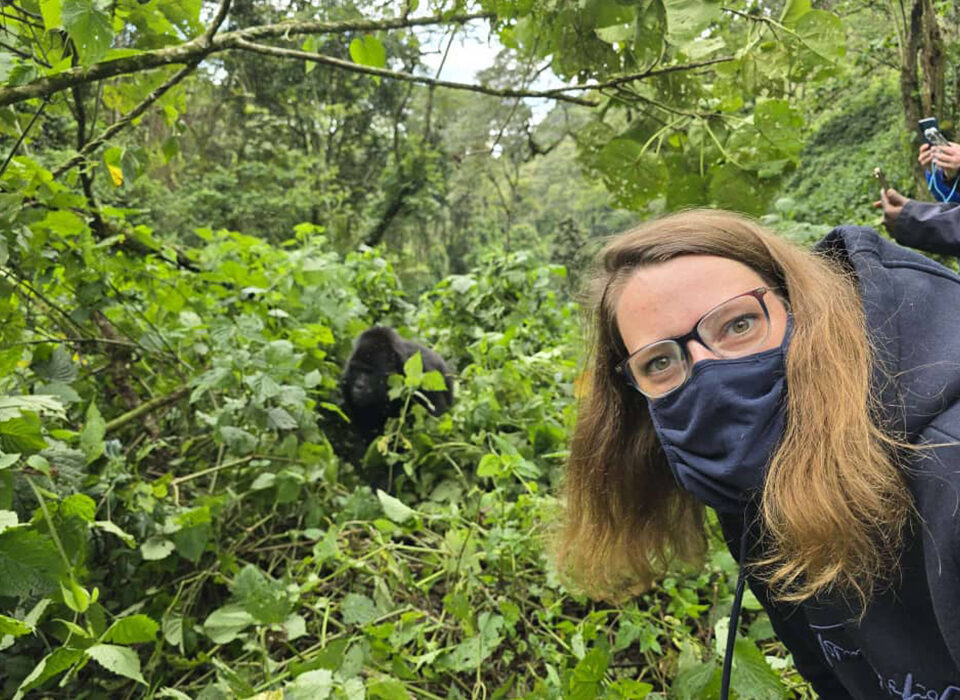
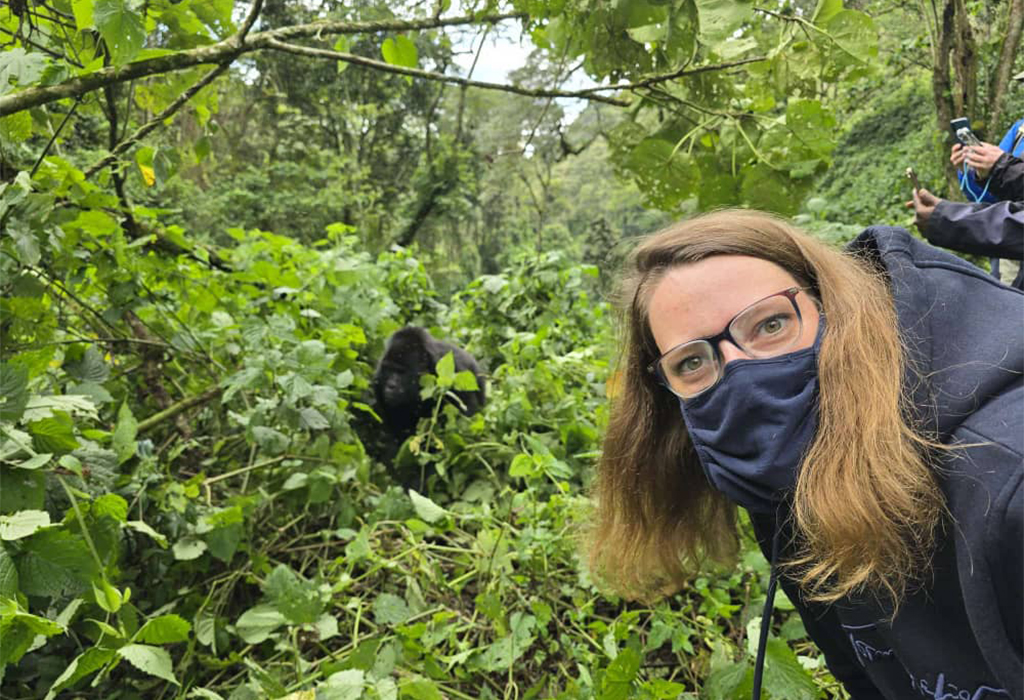
To ensure the safety of both trekkers and gorillas, always follow your guide’s instructions. Additionally, carry packed snacks, keep a respectful distance, wear a face mask, avoid flash photography, use a reusable water bottle, and remain calm if a gorilla charges. You should never touch a gorilla, and you are encouraged to ask questions whenever you need clarification.
Final Thoughts
Mountain gorillas survive in only a few extraordinary places Bwindi Impenetrable National Park, Mgahinga Gorilla National Park, and Volcanoes National Park. Trekking through these emerald rainforests to observe them in their natural world is not just an adventure; rather, it is a profound privilege and one of the most meaningful wildlife experiences on Earth.