
Uganda Hot Air Balloon Safari Info
November 21, 2025
Top Reasons Travelers Choose Bwindi Impenetrable Forest
December 2, 2025
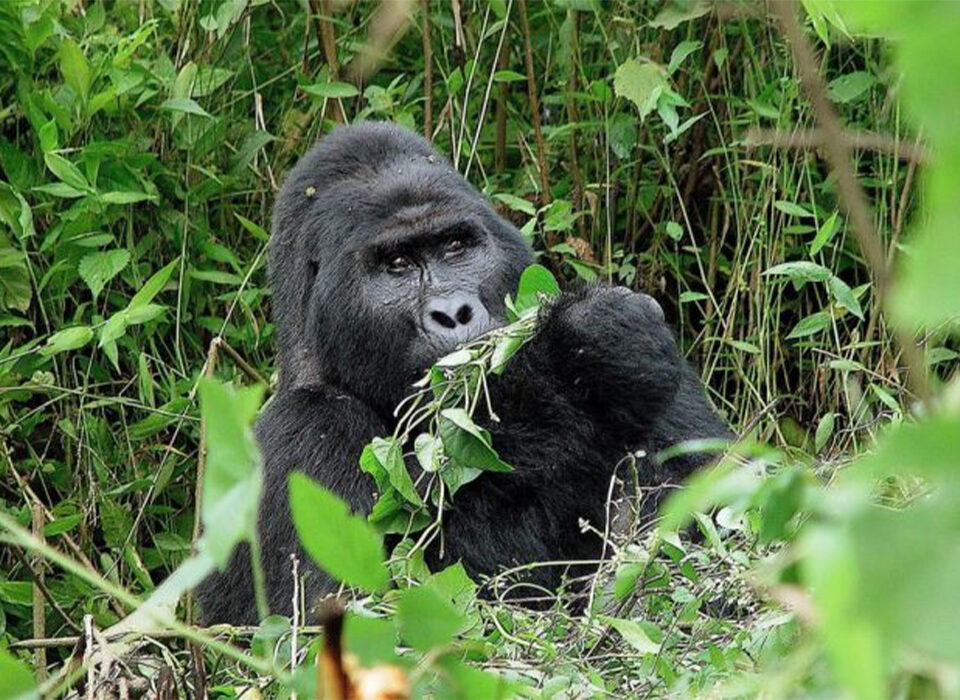
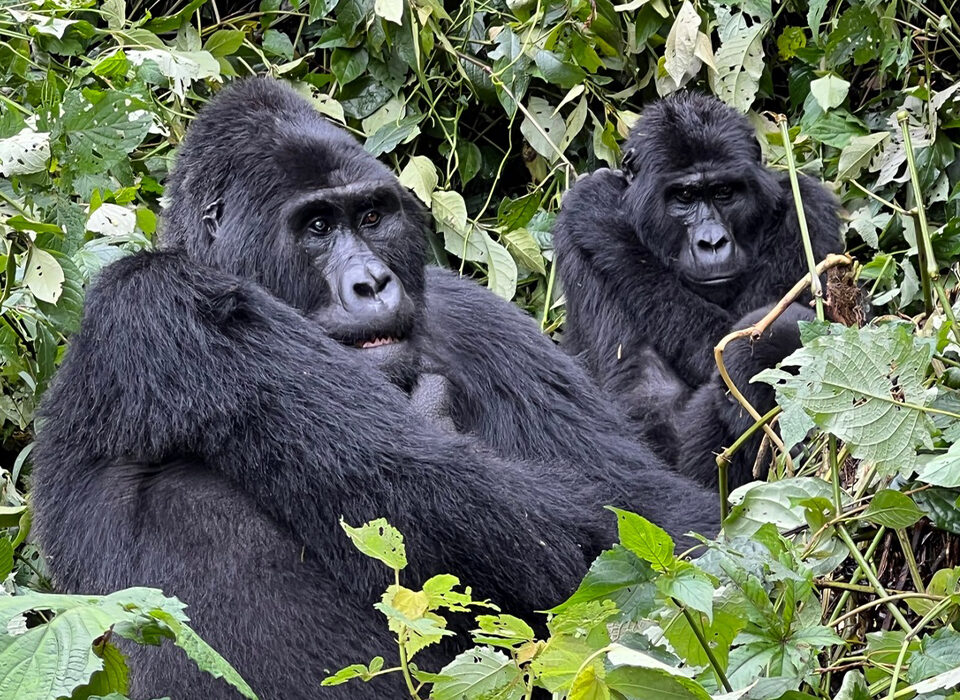
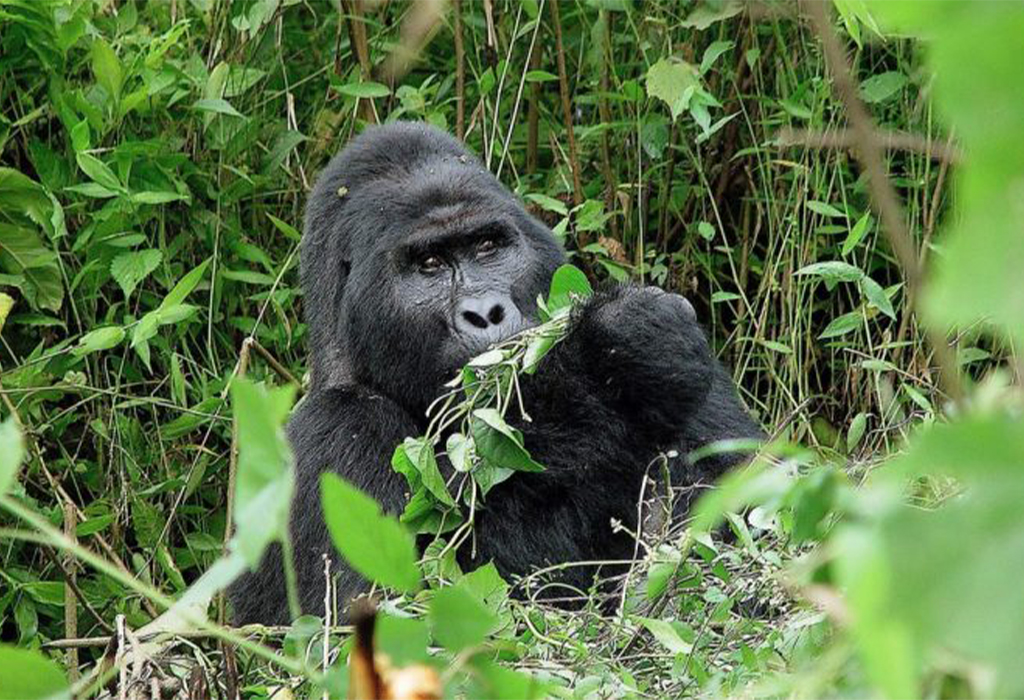
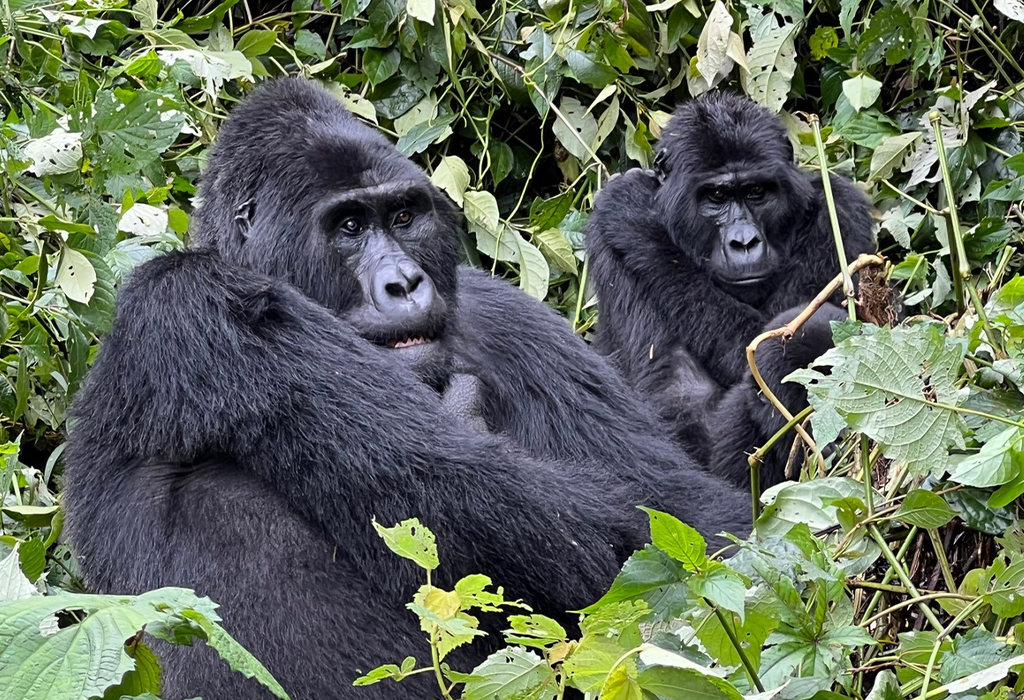
Deciding when to visit Bwindi Impenetrable National Park is one of the most important steps in planning your gorilla trekking adventure in Uganda. This UNESCO World Heritage Site shelters nearly half of the world’s remaining mountain gorillas, offering extraordinary wildlife encounters throughout the year. However, the timing of your visit can profoundly influence your trekking experience affecting trail conditions, gorilla sightings, crowd levels, and overall travel costs.
At Experiya Tour Company, we help travelers understand the seasonal variations in Bwindi so they can plan their adventure with confidence and enjoy the forest at its very best. Whether you seek comfortable weather, budget-friendly options, or lush green scenery, knowing when to go allows you to tailor your safari to your expectations.
Understanding Bwindi’s Climate and Seasons
Bwindi Impenetrable National Park lies in the highlands of southwestern Uganda, with elevations ranging between 1,160 and 2,607 meters above sea level. This mountainous terrain creates a cool, tropical climate characterized by two dry seasons and two wet seasons each year. These weather patterns influence everything from the ease of hiking to the distribution of vegetation and the movement of gorilla families within the forest.
Because Bwindi is a rainforest, showers can occur at any time. Nevertheless, each season presents distinct advantages. Gorilla trekking remains possible throughout the year, and visitors regularly enjoy successful encounters in every month. Understanding what each season offers ensures that your chosen travel period aligns with your comfort level, budget, and preferred experience.
Dry Season: The Best Time for Gorilla Trekking
June to August and December to February
The dry season is widely regarded as the best time to visit Bwindi Impenetrable National Park. These months attract the highest number of visitors, and for good reason. The reduced rainfall creates more pleasant trekking conditions, making it easier to navigate the steep and often slippery trails of the forest.
During the dry months, the paths become firmer and more manageable, which greatly reduces the physical strain of the trek. Visitors who may be concerned about fitness or mobility often prefer this season because the forest floor is not as muddy or difficult to traverse. This results in a more comfortable and predictable hiking experience, especially on days when trekkers spend several hours searching for gorilla families.
Photography enthusiasts also favor the dry season. Clear skies, soft sunlight, and improved visibility create ideal lighting for capturing the gorillas in their natural habitat. The sweeping views of Bwindi’s lush slopes and deep valleys appear sharper and more defined, adding to the overall visual appeal of the adventure.
Weather during the dry season tends to be more stable. Although rain can still fall—after all, Bwindi is a rainforest—the likelihood of prolonged downpours is significantly lower. Most mornings start with crisp, cool air that gradually warms as trekkers head into the forest. This predictability enhances comfort and reduces the chances of weather-related disruptions.
However, the popularity of the dry season brings a few challenges. Visitor numbers increase significantly, and accommodation options fill up quickly. Lodges often charge higher rates due to the high demand, and gorilla permits become more competitive during these months. For this reason, Experiya Tour Company strongly recommends booking your gorilla permits and accommodation at least six months before your visit to secure your preferred dates.
Despite these considerations, the dry season remains the top choice for most travelers, especially first-time visitors who want to experience Bwindi under the most favorable conditions.
Wet Season: A Rewarding Alternative for Budget Travelers and Birders
March to May and September to November
The wet season offers an entirely different yet equally captivating experience in Bwindi. These months appeal to travelers seeking quieter trails, budget-friendly options, and vibrant rainforest scenery. Although trekking becomes more physically demanding due to muddy and slippery paths, the rewards are plentiful for those who embrace the adventure.
One of the greatest advantages of visiting during the wet season is the significant reduction in travel costs. Lodges often lower their rates by a considerable margin—sometimes by as much as 20 to 30 percent or more making gorilla trekking more accessible to budget-conscious travelers. This affordability allows visitors to enjoy high-quality accommodation and services at a fraction of the peak-season cost.
The forest itself transforms during the rainy months. The vegetation becomes exceptionally lush and vibrant, with deep green hues that create breathtaking photographic scenes. Waterfalls flow with renewed strength, and the forest hums with life. Birdwatchers particularly treasure this season because many species enter their breeding cycles. Birds become more vocal and active, giving visitors excellent opportunities to spot some of the 350 species found in Bwindi, including the elusive Albertine Rift endemics.
Another surprising advantage of the wet season is the possibility of shorter treks. When food is abundant in the lower forest zones, gorilla families sometimes remain closer to the trailheads. This means trekkers may find the gorillas more quickly, reducing the overall hiking duration. While this is not guaranteed, it is a common and welcome bonus for wet-season visitors.
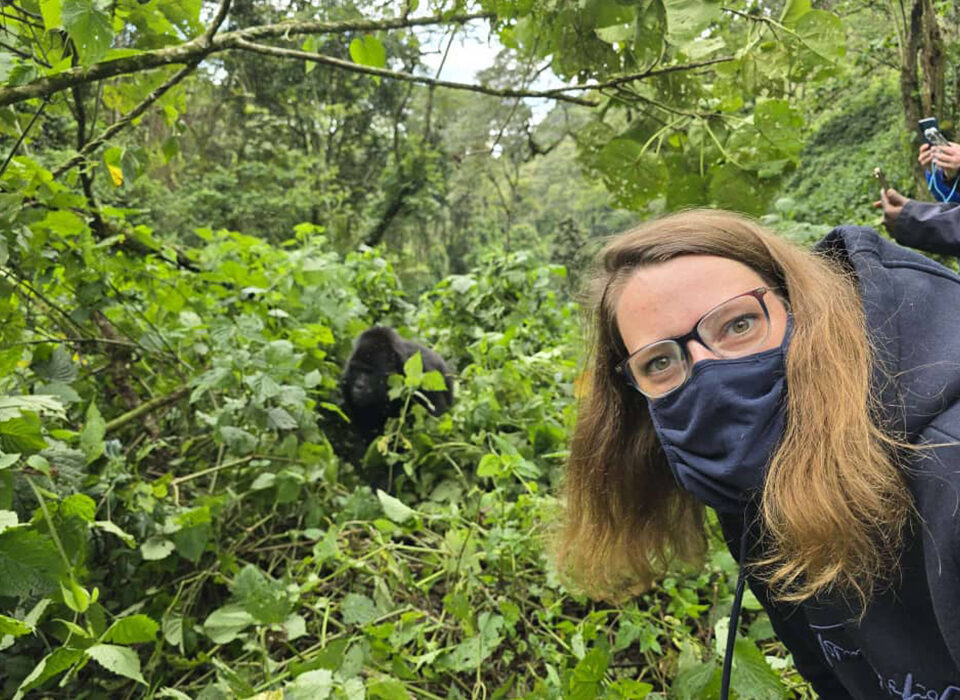
The biggest challenge during the rainy months is the condition of the trails. Frequent showers create muddy, slippery terrain, requiring trekkers to move cautiously and rely on proper hiking gear. Many visitors, however, find this part of the experience exhilarating. Trekking through the wet forest, navigating steep slopes, and emerging muddy and triumphant often becomes one of the most memorable parts of the adventure.
Essential Considerations for Any Season
Regardless of when you choose to visit, certain preparations remain essential. Gorilla permits are mandatory and strictly limited to protect the endangered gorillas. Current prices stand at eight hundred dollars for foreign non-residents, seven hundred dollars for foreign residents, and three hundred thousand Uganda shillings for East African citizens. Because demand is high throughout the year, especially in the dry season, Experiya Tour Company advises securing your permit three to six months before your desired travel dates.
Packing appropriately is equally important. Bwindi’s weather can change rapidly, so visitors should expect varying conditions. Waterproof hiking boots, long-sleeved clothing, rain jackets, gardening gloves, and waterproof covers for electronics are crucial for a safe and comfortable trek. Experiya Tour Company provides detailed packing guides to help travelers prepare thoroughly.
Physical fitness also plays a major role in the overall experience. Gorilla trekking involves walking for several hours over steep, rugged terrain at high altitude. Regular exercise, such as hiking and cardio training, in the months leading up to your trip greatly improves endurance and enjoyment during the trek.
Conclusion
Choosing the best time to visit Bwindi Impenetrable National Park depends on your personal preferences and travel goals. The dry season offers ideal trekking conditions and predictable weather, making it perfect for travelers seeking comfort and convenience. The wet season promises lush landscapes, fewer crowds, and attractive discounts, appealing especially to photographers, birders, and adventurers who appreciate solitude.
At Experiya Tour Company, we believe there is truly no wrong time to visit Bwindi. Each season offers its own charm and rewards. Whether you prefer the stability of the dry months or the vibrant beauty of the rainy season, our team is ready to help you plan an unforgettable gorilla trekking journey in one of Africa’s most extraordinary wilderness destinations.