

Exploring Uganda’s Majestic Elephants: A Journey Into the Heart of the Wild
December 10, 2025
What You Should Know Before Going on a Game Drive
December 10, 2025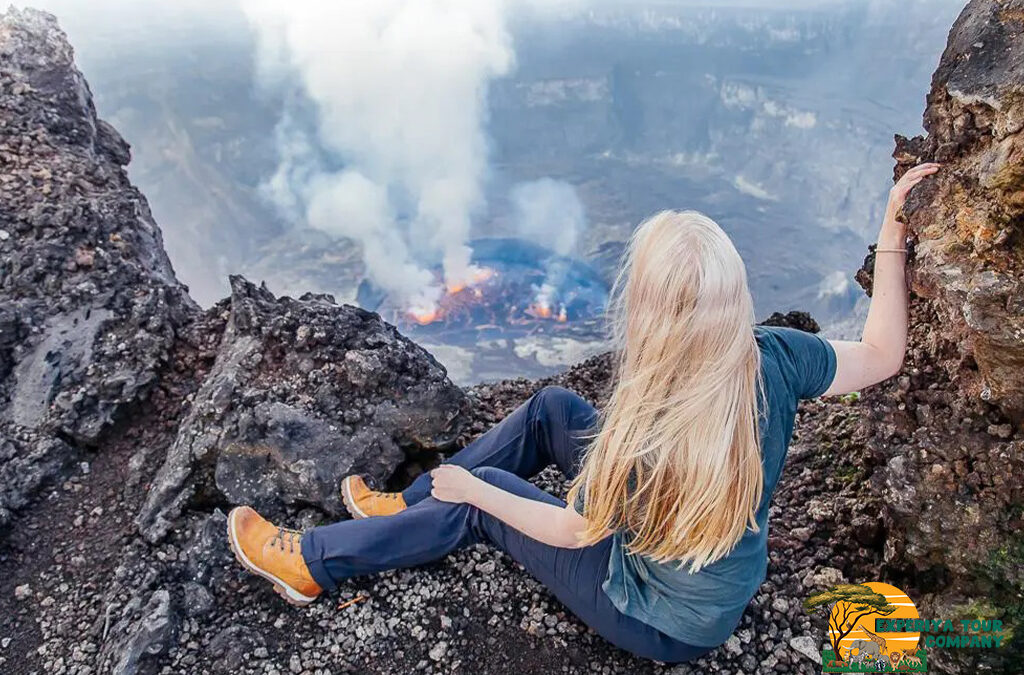
Mount Nyiragongo is one of Africa’s most dramatic and awe-inspiring volcanoes, famous for its massive lava lake the largest in the world. Located in Virunga National Park in eastern Democratic Republic of Congo (DRC), it attracts adventurers and nature lovers from across the globe. While hiking to the summit is an unforgettable experience, timing plays a crucial role. Choosing the right season can mean the difference between a safe, comfortable climb and a challenging, wet ordeal. Here’s everything you need to know about the best time to hike Mount Nyiragongo.
Mount Nyiragongo sits near the equator, yet its high elevation and tropical rainforest surroundings create a unique climate. The region experiences two main seasons: dry and rainy. Dry seasons typically occur from mid-December to February and again from June to early September, while rainy seasons fall between March and May and October to early December. Because the volcano rises over 3,400 meters (11,000 feet), the summit remains cool to cold throughout the year, regardless of the season.
Why the Dry Season Is Ideal
The dry season is widely considered the best time to climb Mount Nyiragongo, especially between June and September. During these months, rainfall is minimal, keeping the trails less slippery, visibility clear, and summit camping more comfortable. You’re far more likely to enjoy unobstructed views of the glowing lava lake, which can be hidden by mist or clouds during wetter months.
In addition, the dry season means fewer insects, reduced mud, and generally easier hiking conditions. Whether you are a seasoned trekker or a first-time visitor, this period offers the safest and most enjoyable experience.
Hiking During the Rainy Season
Hiking during the rainy season, particularly from March to May, presents several challenges. Trails become muddy and slippery, increasing the risk of falls and making the hike physically tougher. Rain can reduce visibility, obscuring the spectacular lava lake. Sudden storms may also make conditions unpredictable and cold.
However, some adventurous hikers still attempt the climb during these months. The rainy season has its advantages too fewer crowds and more flexible booking options. If you decide to hike during this period, it is essential to be fully prepared with quality rain gear and warm clothing.
June to September: Peak Season
The months from June to September are often referred to as the peak trekking season for Mount Nyiragongo. During this window, the weather is generally stable, and daytime temperatures are comfortable for hiking. Nights at the summit remain cold, but the dry conditions make camping far more manageable.
This period also aligns with the high season for safaris in neighboring countries, offering an opportunity to combine the climb with gorilla trekking or wildlife tours. Since this is a popular time, trekking permits can sell out quickly, so it’s important to book well in advance.
December to February: A Second Best Option
If visiting mid-year is not possible, the short dry period from December to February is another excellent choice. Although slightly less predictable than the June–September season, these months still offer relatively dry trails, stable hiking conditions, and clear skies for viewing the lava lake. The added benefit is that this season generally sees fewer tourists, making for a quieter but still favorable climbing experience.
Crowds and Permit Considerations
Permit availability is another factor to consider when planning your hike. Nyiragongo treks are strictly regulated, with only a limited number of hikers allowed on the trail at one time. During the dry season, particularly in July and August, demand is high. Booking your trekking permit early, along with visas and park arrangements, is essential. In contrast, the rainy season sees fewer visitors, so you may find more flexible options and potentially lower costs.
Safety and Volcanic Activity
Beyond weather, it is crucial to consider volcanic activity and regional safety. Mount Nyiragongo is an active volcano, and its conditions are closely monitored by scientists and park authorities. Major eruptions, such as the one in May 2021, can affect trail access or even halt climbs entirely. Political and security factors may also influence park operations. The park only opens the volcano for climbing when both volcanic and safety conditions are stable. Always confirm the latest information with official sources or your tour operator before planning your trip.
Final Thoughts
The best time to hike Mount Nyiragongo is during the dry seasons, with June to September being the top choice, followed by December to February. These months offer the most reliable weather, safer trails, and clear views of the lava lake, ensuring a memorable and rewarding experience. While the rainy season is possible for experienced trekkers, it comes with added challenges and requires thorough preparation. Regardless of when you go, careful planning, proper gear, and early bookings will help you make the most of this once-in-a-lifetime adventure.
