

Eco-Tourism in Uganda
March 3, 2026
Solo Travel Guide To Uganda
March 3, 2026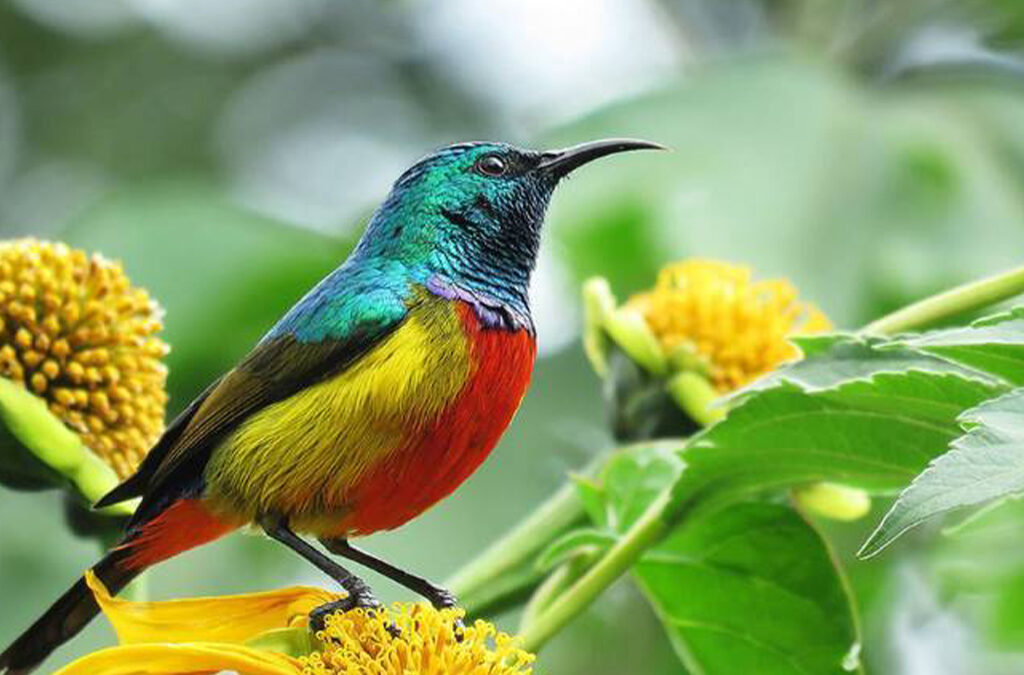
Uganda is a land of endless discovery, where the vibrant energy of nature resonates deeply with everyone who visits. Tucked in the heart of East Africa, this remarkable country is a sanctuary for travelers seeking beauty, wonder, and a genuine connection with the natural world. When it comes to Uganda’s birdlife, there is an undeniable magic that draws in birdwatchers, adventurers, photographers, and nature lovers alike.
From the moment dawn breaks, the skies come alive with color, song, and movement. Everywhere you turn, birds tell quiet stories of survival, migration, adaptation, and harmony within thriving ecosystems. In Uganda, birds are not just creatures of the wild; they are living expressions of the land’s rich biodiversity and natural heritage. Whether you are trekking through misty rainforests, gliding along the Nile, or gazing across golden savannah plains, Uganda’s birdlife offers an invitation to slow down and see the world through a lens of beauty and peace.
So, what truly makes Uganda’s birds stand out on the global stage? The answer lies in the country’s extraordinary ecosystems, its strategic geographical position, and the astonishing variety of species it supports.
A Paradise of Diversity
To begin with, Uganda is home to over 1,000 recorded bird species representing about 11 percent of the world’s bird species and nearly half of Africa’s total. For a country of its size, this is nothing short of extraordinary. However, what makes Uganda exceptional is not only the impressive number of species, but also the diversity of habitats that sustain them.
Within a relatively small area, you will find dense tropical rainforests, sweeping savannahs, vast wetlands, highland forests, crater lakes, riverbanks, and mountainous terrain. Each of these landscapes creates unique ecological conditions that attract different bird communities. For example, the thick jungles of Bwindi Impenetrable National Park shelter rare forest specialists, while wetlands like Mabamba Bay provide refuge for iconic water birds.
Moreover, Uganda’s central location in Africa plays a crucial role. Positioned where East African savannah meets Central African rainforest, and lying along major migratory routes, the country acts as a natural meeting point for bird species from multiple regions. As a result, migratory birds arrive seasonally to rest and feed, while resident species flourish year-round. This blending of ecosystems creates an extraordinary tapestry of avian life.
Iconic Species: Beauty, Rarity, and Character
Beyond diversity, Uganda is celebrated for its iconic and rare species. Perhaps the most famous of them all is the Shoebill Stork. With its enormous, shoe-shaped bill and intense, almost prehistoric gaze, the Shoebill appears like a relic from another era. Found primarily in the swamps of Mabamba Bay and other wetland areas, spotting one in the wild feels like stepping into a forgotten chapter of natural history.
Equally remarkable is the African Grey Parrot. Known worldwide for its intelligence and ability to mimic human speech, this parrot thrives in Uganda’s tropical forests. Its presence highlights the country’s importance as a sanctuary for some of the planet’s most fascinating and intelligent bird species.
Interestingly, not all iconic birds are admired for their beauty alone. The Marabou Stork, often misunderstood because of its scavenging habits, plays a vital ecological role. By cleaning up carcasses, it helps maintain environmental balance and reduces the spread of disease. In this way, even the less glamorous species contribute meaningfully to the ecosystem.
In the high-altitude forests of the Albertine Rift, birdwatchers encounter true treasures. Species such as the African Green Broadbill, Blue-headed Coucal, and numerous Albertine Rift endemics exist in limited ranges and are highly sought after by bird enthusiasts worldwide. Their rarity adds to Uganda’s global significance as a birding destination.
Wetlands and Savannas: Habitats Full of Life
Uganda’s wetlands are among its most important bird habitats. The marshes, lakeshores, and riverbanks of places like Queen Elizabeth National Park and Murchison Falls National Park teem with activity. Here, Saddle-billed Storks wade gracefully through shallow waters, Great White Pelicans glide across the surface, and White-winged Terns dart swiftly in search of food. Ducks, herons, and egrets gather in dazzling numbers, especially in the soft golden light of early morning.
At the same time, the open savannahs offer a completely different but equally captivating experience. In parks such as Kidepo Valley National Park, vast plains stretch endlessly beneath the sky. In these landscapes, you may spot the elegant Secretarybird striding through the grass or the impressive Kori Bustard, one of the heaviest flying birds in the world. Raptors, including Martial Eagles and various vulture species, soar overhead, serving as essential custodians of the ecosystem.
Together, these contrasting environments demonstrate the remarkable ecological balance that makes Uganda so special.
Highlands and Forests: A Haven for Endemics
In addition to wetlands and savannahs, Uganda’s highland forests hold exceptional importance. The Rwenzori Mountains, often called the Mountains of the Moon, and the highlands of Bwindi lie within the Albertine Rift, one of the most biodiverse regions on Earth.
These cooler, elevated forests create ideal breeding grounds for endemic species found nowhere else. Birds such as the White-tailed Blue Flycatcher and the Kivu Ground Thrush thrive in these unique environments. Because of their limited distribution, Uganda plays a crucial role in their conservation.
Meanwhile, the country’s lush tropical forests echo with the calls of colorful turacos. The Great Blue Turaco, with its striking mix of blue and green plumage, moves gracefully through the canopy, while its vibrant relatives add flashes of color to the forest interior. Their presence transforms a simple forest walk into a sensory experience of sound and sight.
A Commitment to Conservation
Of course, Uganda’s rich birdlife faces challenges, including habitat loss and the broader impacts of climate change. Nevertheless, significant efforts have been made to safeguard these natural treasures. A network of national parks, wildlife reserves, and community conservation initiatives works to protect critical habitats.
Importantly, preserving birdlife goes far beyond aesthetic appreciation. Birds pollinate plants, disperse seeds, control insect populations, and serve as indicators of environmental health. Their survival is deeply intertwined with the well-being of entire ecosystems. Therefore, protecting Uganda’s birds means protecting forests, wetlands, and ultimately the future of biodiversity itself.
The Call of Uganda’s Birds
Ultimately, what makes Uganda’s birdlife truly unique is not just the numbers or the rarity of species. It is the feeling they inspire. Birdwatching here becomes more than a hobby; it becomes a deeply personal and immersive experience.
Imagine sitting quietly at sunrise, surrounded by the gentle rustling of leaves and the rising chorus of birds welcoming the day. The flutter of wings overhead, the distant call of a fish eagle, and the soft melodies drifting through the forest seem to transcend language. In those moments, you feel connected not just to nature, but to something timeless and universal.
Uganda’s birds remind us that beauty still thrives in the wild corners of our planet. They symbolize resilience, diversity, and the delicate interconnectedness of life. Every soaring eagle, every hidden owl, and every brightly colored forest dweller reflects the extraordinary richness of this land.
In the end, Uganda’s birdlife is more than a checklist of species. It is a living, breathing testament to the wonder of our natural world. And for those who take the time to listen, the birds of Uganda offer a message of hope, harmony, and enduring beauty.
