Can I do a night game drive in Kenya?
November 17, 2025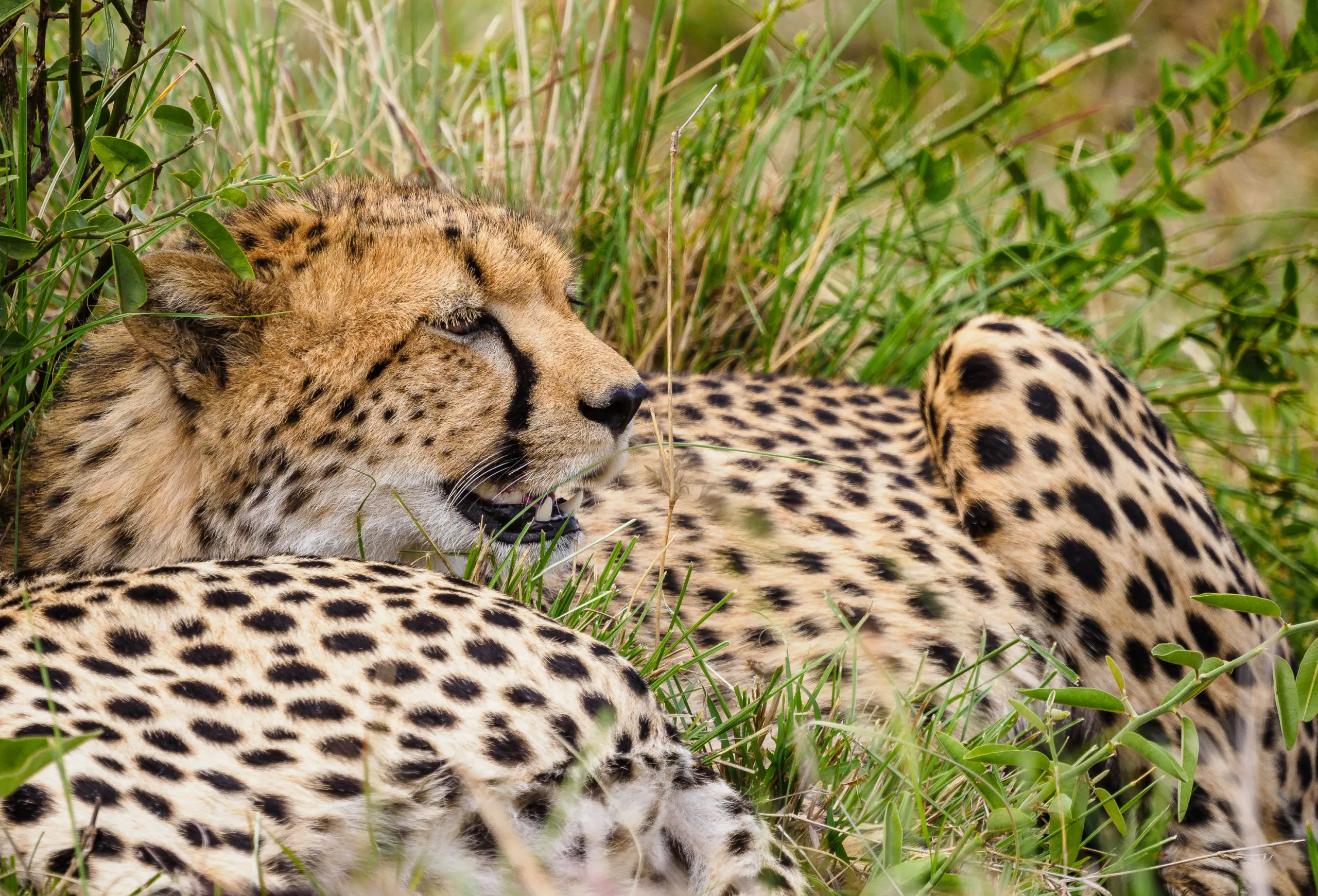
Can I do a family safari in Kenya?
November 17, 2025
What’s the Best Time to Visit Kenya for Safari?
Kenya is one of Africa’s most captivating safari destinations, a land where sweeping savannahs, acacia-dotted landscapes, snow-capped mountains, and shimmering lakes create a haven for wildlife. From the iconic Maasai Mara to Amboseli’s elephant paradise and the rugged beauty of Samburu, Kenya’s national parks and conservancies offer world-class safari experiences. Yet one of the most common questions travelers ask is: What’s the best time to visit Kenya for safari?
The truth is that Kenya is a year-round safari destination. Wildlife thrives in every season, and every month brings something special. However, the ideal time depends on what you want to see, the type of experience you prefer, and your travel style. This comprehensive guide explores Kenya’s seasons in detail, what to expect during each period, and the best timing for witnessing key events like the Great Migration, predator interactions, and birthing seasons.
By the end of this guide, you’ll have a clear understanding of Kenya’s safari seasons—and you’ll be able to choose the perfect time for your adventure.
Understanding Kenya’s Safari Seasons
Kenya has two main weather cycles: the dry seasons and the rainy seasons. Each creates different wildlife viewing conditions and impacts your safari experience.
Dry Seasons:
January to February
June to October
Rainy Seasons:
Short rains: November to early December
Long rains: March to May
These seasonal patterns shape animal behavior, vegetation, movement, and visibility. To understand the best time to visit Kenya for safari, let’s break down each period in detail.
Best Time to Visit Kenya for Safari: June to October (Peak Dry Season)
For many safari enthusiasts, June to October is considered the prime time to visit Kenya. This long dry season coincides with ideal wildlife viewing conditions and one of the most extraordinary natural spectacles in the world—the Great Migration in the Maasai Mara.
Why This Season Is Ideal:
1. Excellent Visibility
During the dry season, grasses are shorter and vegetation thins out, making animals easier to spot. Predator-prey interactions become more visible, especially as wildlife gathers around water sources.
2. Cooler, Comfortable Weather
Temperatures are mild and pleasant. Early mornings and nights are cool, while afternoons remain warm but not overly hot—perfect for long game drives.
3. Great Migration in the Maasai Mara (July to October)
The Great Migration is one of the biggest attractions in Kenya. Over 1.5 million wildebeest, zebras, and gazelles migrate from Tanzania’s Serengeti into the Maasai Mara, creating breathtaking scenes of thundering hooves, dramatic river crossings, and intense predator action.
Prime Months:
July: Arrival of the herds
August & September: Peak river crossing season
October: Herds begin moving back but remain abundant
These months are especially popular, so booking early is important.
4. High Concentrations of Wildlife
As water sources dry up, animals congregate around permanent rivers and waterholes. Elephants gather in Amboseli, lions cluster around prey in the Mara, and wildlife is plentiful across all major parks.
5. Less Rain and Easier Road Conditions
Minimal rainfall means roads are accessible, parks are easy to explore, and your safari is rarely interrupted by storms.
Downsides:
Peak-season prices are higher
Popular parks like the Mara can be busy during migration months
Still, the benefits overwhelmingly outweigh the drawbacks for most travelers.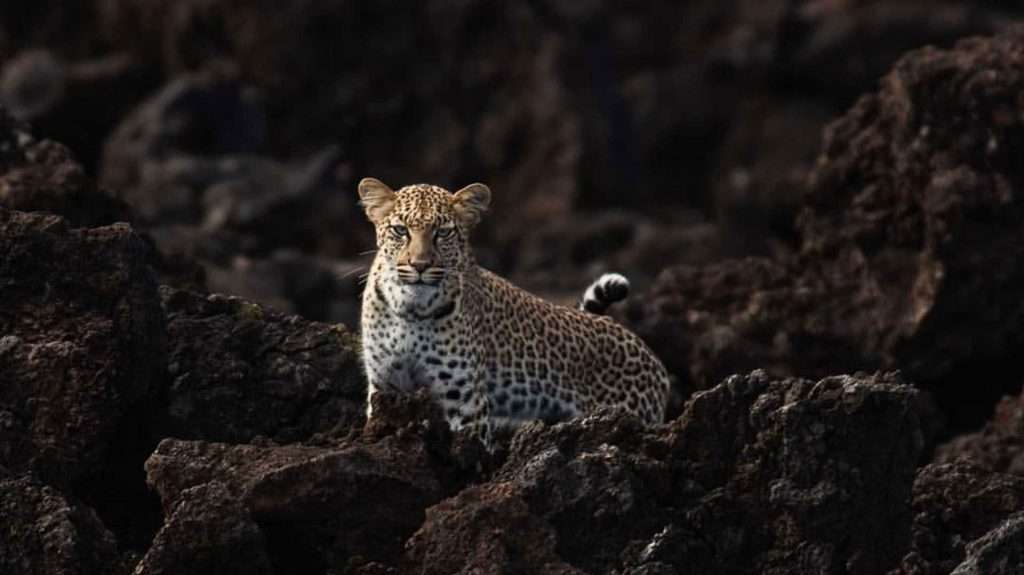
January to February: Another Excellent Dry Season Window
The short dry season in January and February is another fantastic time to visit Kenya. It is less crowded than the migration period yet equally rewarding for wildlife sightings.
Why January–February Is Great:
1. Abundant Wildlife Sightings
Animals thrive during this season. Predators such as lions, cheetahs, and leopards are active, and grass is short enough for excellent visibility.
2. Birthing Season in Some Regions
Many herbivores give birth during December and January, especially in areas like the Serengeti-Mara ecosystem. Baby animals attract predators, creating high drama and incredible photographic moments.
3. Clear Skies and Warm Temperatures
This is the sunniest period in Kenya, ideal for travelers who love warm days and blue skies.
4. Perfect Time for Birdwatching
Migratory birds arrive from Europe and Asia, enriching Kenya’s already impressive birdlife.
5. Fewer Tourists Than July–October
The ambiance is quieter while still offering world-class safari conditions.
Downsides:
It can be hotter than the June–October period
Some areas may be dry and dusty
For many travelers, this season offers the perfect balance of excellent wildlife, fewer crowds, and beautiful weather.
Best Time for Budget Travelers: November, Early December, and Late May
If you’re on a budget or prefer quieter parks, the shoulder seasons offer excellent value without compromising too much on wildlife quality.
Why These Months Are Good:
1. Fewer Crowds and Lower Rates
Lodge prices drop significantly outside peak months. You’ll enjoy a more exclusive safari without the peak-season rush.
2. Green Landscapes
The short rains (November–December) transform the parks into lush, green paradises.
3. Good Wildlife Viewing
While grasses may be taller, wildlife remains abundant. Predators are still active, and the scenery is exceptionally beautiful.
Downsides:
Some rain showers, usually short and mild
Slightly lower visibility in tall grass
Still, these months are excellent for photographers who love dramatic skies and green vegetation.
Long Rainy Season: March to May
The March to May long rains are the least popular safari months, but they have their charm.
Advantages:
Beautiful, green landscapes
Fewer tourists and lower prices
Excellent photography opportunities
Challenges:
Heavy rains can make roads muddy
Some lodges close due to weather
Animals disperse due to abundant water sources
Thicker vegetation reduces visibility
Though not ideal for first-time safari travelers, this season can be rewarding for experienced adventurers and budget travelers.
Best Time to Visit Kenya for Specific Safari Experiences
Depending on what you want to see, the best time may vary:
1. Great Migration: July to October
Best river crossings occur in August and September.
2. Big Cats: All year, but best in dry seasons
Maasai Mara is especially strong for lion and leopard sightings.
3. Elephants: June to October and January to February
Amboseli is spectacular during these periods.
4. Birdwatching: November to April
Migratory birds enhance Kenya’s birdwatching potential.
5. Photography: June to October and January to February
Clear skies, dust trails, and dramatic landscapes make these prime times.
6. Quiet and Peaceful Safaris: November and May
Ideal for travelers who prefer tranquil experiences.
Which Parks Are Best During Each Season?
Maasai Mara:
Best: July–October, January–February
Good: November–December
Amboseli:
Best: January–February, June–October
Elephant viewing is incredible year-round.
Samburu:
Best: June–October, January–February
Dry conditions make wildlife easy to spot.
Tsavo East & West:
Best: June–October, January–February
Large elephant herds and dramatic landscapes shine during dry seasons.
Ol Pejeta Conservancy:
Best: January–March, June–October
Excellent for rhinos and chimpanzee viewing.
So, What Is the Best Time Overall?
If we must choose one, the June to October dry season wins—especially for first-time visitors. The weather is excellent, wildlife is abundant, and the Great Migration offers a once-in-a-lifetime spectacle.
However, Kenya is stunning all year. Whether you visit in January for birthing season, November for lush green beauty, or February for warm weather and active predators, each month brings something magical.
Book Your Kenya Safari with Experiya Tour Company
The perfect time for your safari deserves perfect planning. Experiya Tour Company specializes in crafting unforgettable Kenyan safari experiences tailored to your interests, schedule, and travel dreams. Their expert guides, handpicked accommodations, and seamless logistics ensure you enjoy Kenya at its very best—whether you’re chasing the Great Migration or seeking peaceful wildlife encounters.
Book your Kenya safari with Experiya Tour Company today and discover the wonders of Africa’s most iconic wilderness.