Are there food festivals in Kenya?
November 20, 2025
Can I attend a Maasai ceremony?
November 20, 2025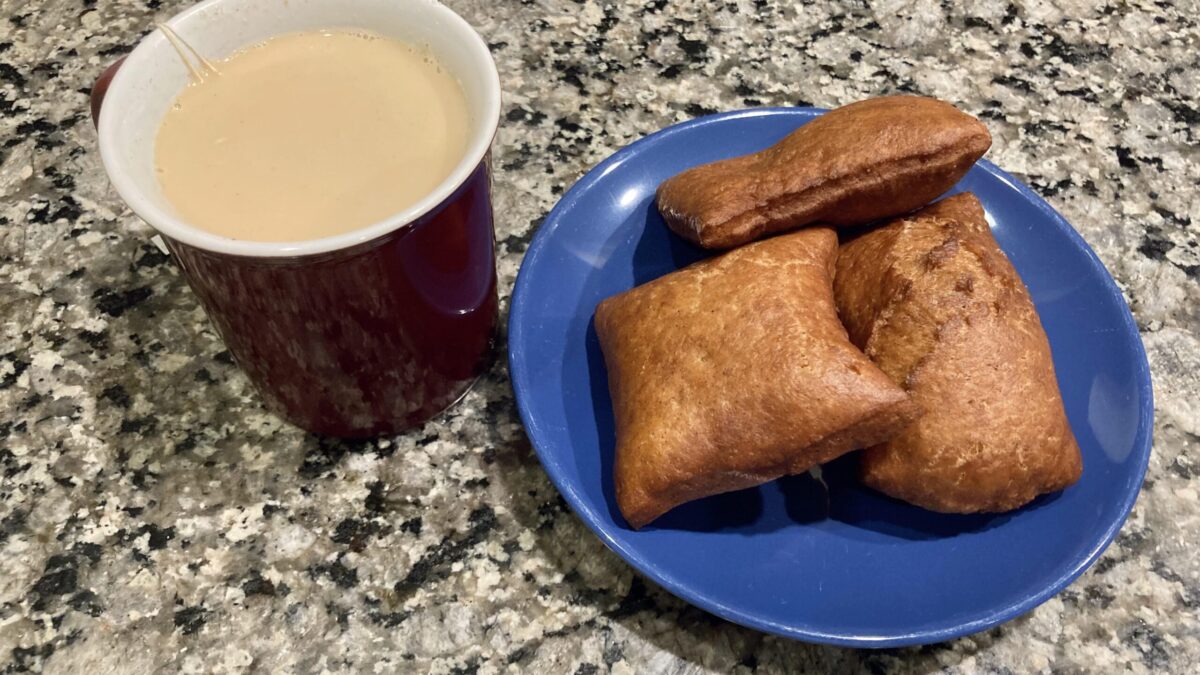
What’s Chai Culture Like in Kenya?
In Kenya, chai is more than just a drink—it is a ritual, a symbol of hospitality, a social connector, and a daily necessity woven deeply into the fabric of life. Whether you are in Nairobi, Mombasa, Kisumu, Eldoret, or a rural village surrounded by tea plantations, one thing is certain: chai is everywhere. It is served in homes, offices, matatu stages, markets, hotels, roadside kiosks, and farmhouses. It is the first thing many Kenyans drink in the morning and the last comfort before bedtime. This leads many travelers to ask: What’s chai culture like in Kenya? The answer reveals a warm, aromatic, and communal tradition that defines Kenyan identity as much as wildlife, landscapes, and culture do.
Chai—often referred to simply as tea—is not just a beverage in Kenya. It is a gesture of kindness, a conversation starter, a moment of pause amid daily routines, and a dish that brings people of all backgrounds together. Whether prepared as strong black tea, rich “chai ya maziwa” (milk tea), or spiced Swahili-style versions along the coast, Kenyan chai tells the story of a nation that values connection, warmth, and shared experience.
The Origins of Kenya’s Chai Culture
Kenya is one of the world’s leading producers of black tea. Tea was introduced during the colonial era, but it quickly became embraced by local communities and turned into a cultural staple. Today, tea is grown primarily in highland regions such as Kericho, Limuru, Kiambu, Nandi, and parts of Mt. Kenya. These areas produce some of the richest, most aromatic teas in the world, thanks to:
High altitude
Volcanic soil
Cool temperatures
Abundant rainfall
Tea production in Kenya is not only an economic powerhouse but also a cultural identity marker. Tea farms and plantations have shaped the livelihoods of millions, and the beverage itself has become the most consumed drink in the country, even more popular than coffee.
Chai Ya Maziwa
The most iconic form of tea in Kenya is chai ya maziwa, or milk tea. It is made by boiling strong black tea with milk, water, sugar, and sometimes spices. The process itself is part of the cultural beauty:
Water is brought to a boil
Tea leaves or tea bags are added
Milk is poured generously, creating a rich creamy base
Sugar is stirred to balance the robust flavors
The result is a warm, soothing, aromatic cup of tea enjoyed in homes, offices, cafés, and roadside kiosks.
Chai ya maziwa is not a “light” drink. It is bold, rich, and creamy—a drink that comforts, energizes, and satisfies the palate all at once.
Chai as Hospitality
In Kenya, offering chai to guests is a sign of respect and hospitality. When you visit a Kenyan home, chai is often the first thing served—sometimes even before greetings are complete. It reflects warmth, generosity, and good manners.
Refusing chai can feel impolite unless accompanied by a very good reason. For many Kenyans, chai is part of hosting, sharing, and welcoming others into personal space. It is also a common sight at:
Family gatherings
Community meetings
Cultural ceremonies
Church services
Wedding preparations
Long bus journeys
Chai brings people together and fosters conversation.
Chai Culture at Work and in Daily Life
Kenyan workplaces are fueled by chai. Offices have tea breaks known as “10 o’clock tea” or mid-morning chai sessions. Tea ladies or kitchen staff prepare large kettles of steaming milk tea served alongside mandazi, bread, or biscuits.
Matatu (public transport) drivers, mechanics, and roadside vendors also gather around local kiosks called “hotelis” to drink chai before beginning their day.
In rural areas, farmers pause during morning chores for chai moments. For many households, chai time is part of a daily rhythm—morning, afternoon, and evening.
 Chai Along the Swahili Coast: A Delicious Variation
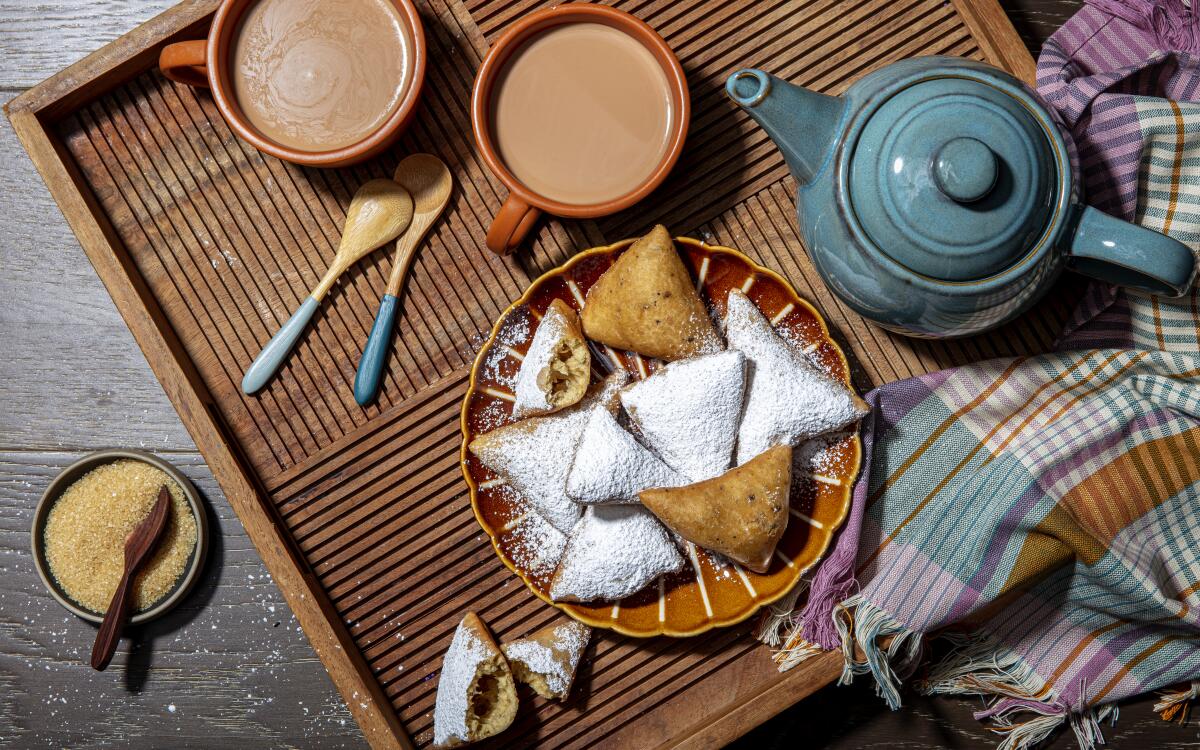
On the Kenyan coast, chai culture merges with centuries-old Swahili traditions influenced by Arabian, Indian, and Persian trade. The result is spiced tea—a fragrant, flavorful variation known as chai ya tangawizi or chai ya masala.
Common spices include:
Cardamom (iliki)
Ginger (tangawizi)
Cloves (karafuu)
Cinnamon (mdalasini)
Black pepper
Swahili chai is sweet, aromatic, and richly layered. It is often served with coastal snacks such as:
Mahamri
Viazi vya karai
Mkate wa sinia
Ukwaju dishes
Sambusa
This coastal chai tradition reflects the fusion of cultures that shaped East Africa.
Chai in Kenyan Street Culture
One of the most authentic chai experiences is found in roadside stalls—simple wooden sheds with benches, metal pots, and burning charcoal stoves. Here, chai is prepared in large sufurias, poured from high above to create a frothy top and served in metal cups or glass tumblers.
Chai at roadside kiosks is stronger and more fragrant than at home. It is often enjoyed with mandazi, chapati, or boiled eggs. These chai stalls are cultural hubs where people discuss politics, laugh, exchange stories, and catch up on community matters.
For travelers seeking authenticity, sharing a cup of chai at a kiosk is a memorable experience.
The Social Importance of Chai
Chai in Kenya is more than a drink—it is a social glue. It encourages:
Conversation
Friendship
Negotiation
Reflection
Community bonding
Business deals are discussed over chai. Neighbors gather for tea chats. Farmers sit under tree shades with a pot of chai. Students take study breaks with tea. Chai breaks calm tense moments, spark creative ideas, and help people relax during long discussions.
In many ways, chai symbolizes Kenyan warmth and unity.
Chai and Food Pairings in Kenya
Kenyans enjoy chai with a wide variety of snacks and foods. Some of the most popular chai accompaniments include:
Mandazi
Fluffy fried dough with a subtle coconut flavor.
Chapati
Soft, layered flatbread often eaten with tea early in the morning.
Bread with Blue Band
A simple but beloved combination.
Samosas
Savory pastries filled with meat, potatoes, or lentils.
Ndazi or Mahamri
Coastal doughnuts flavored with cardamom.
Boiled eggs
Served at roadside tea stalls.
Nduma (Arrowroot) & Ngwaci (Sweet potatoes)
Traditional breakfast staples dipped in chai.
Biscuits
Often enjoyed during office tea breaks.
These pairings make chai moments even more satisfying.
Chai in Kenyan Households
In homes across Kenya, the kettle is rarely off the stove. Families enjoy chai during:
Breakfast
Late afternoon snacks
Evening relaxation after work
Family gatherings
Special events
Children are often introduced to diluted chai at a young age, and the habit continues into adulthood. Many families have special mugs or cups used only for tea, emphasizing its importance in daily life.
Types of Chai You Can Experience in Kenya
Kenya’s chai culture is diverse, offering many variations:
Chai ya Maziwa
Classic milk tea.
Chai ya Rangi
Strong black tea served without milk.
Chai ya Tangawizi
Ginger tea known for its warmth and health benefits.
Chai ya Iliki
Cardamom-infused tea.
Masala Chai
A Swahili-spiced blend of ginger, cinnamon, cloves, and cardamom.
Safari Tea
A popular brand used in local household blends.
Each variation provides a unique flavor profile and cultural experience.
Chai in Kenya’s Luxury and Tourism Sector
Kenya’s hotels, safari lodges, and resorts have embraced chai culture in elegant ways. Travelers can enjoy:
Afternoon tea sessions
Garden tea service
Tea tasting menus
Spiced chai served at sundowners
Fireplace chai moments on safari
Guided tea plantation tours in Kericho
These refined experiences showcase chai as part of Kenya’s hospitality excellence.
Visiting Tea Plantations in Kenya
Travelers who want to understand chai from farm to cup can visit:
Kericho Tea Estates
Limuru Tea Farms
Kiambu Highlands
Nandi Hills
Tea museums
Guided tours offer:
Tea picking experiences
Factory visits
Tasting sessions
Scenic walks
This allows visitors to see firsthand how Kenya’s world-famous tea is grown and processed.
So, What’s Chai Culture Like in Kenya?
Chai culture in Kenya is warm, rich, and deeply social. It is a beloved tradition rooted in hospitality, community, and daily life. Whether enjoyed at a fancy hotel, a roadside stall, or a family home, chai symbolizes togetherness and comfort. Kenyan chai is bold, flavorful, and filled with meaning. For anyone visiting the country, engaging in chai moments is one of the most enjoyable ways to connect with Kenyan culture.
Experience Chai Culture With Experiya Tour Company
To immerse yourself in Kenya’s chai culture—from tasting spiced tea on the coast to visiting tea plantations in Kericho and enjoying chai moments in Nairobi cafés—travel with experts who understand the heart of Kenyan tradition. Experiya Tour Company offers tea-themed tours, cultural experiences, and city excursions that help travelers savor Kenya’s chai culture in authentic and memorable ways. For the best chai experiences in Kenya, book your journey with Experiya Tour Company.