
8 Best Things to Do in Rwanda
February 19, 2026
10 Things You Should Know Before You Visit Rwanda
February 19, 2026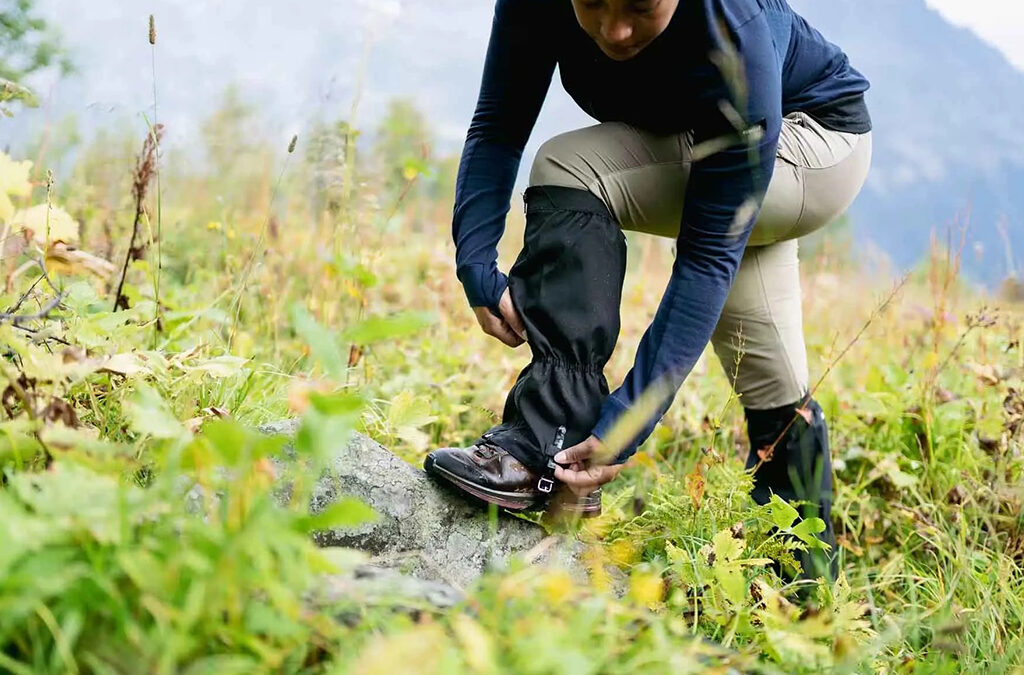
Gorilla trekking is one of East Africa’s most extraordinary wildlife experiences. For many primate lovers around the world, it is a dream come true. However, before you step into the misty forests of Uganda or Rwanda, it is important to prepare properly. Choosing what to wear for gorilla trekking is not just about style; it is about comfort, safety, and protection.
Several factors come into play when selecting your trekking attire. Weather conditions in the tropical rainforest change quickly. The terrain is often steep, muddy, and slippery. Additionally, your health and overall physical readiness are essential. Therefore, preparing the right clothing and gear will make your gorilla trekking adventure smoother, safer, and far more enjoyable.
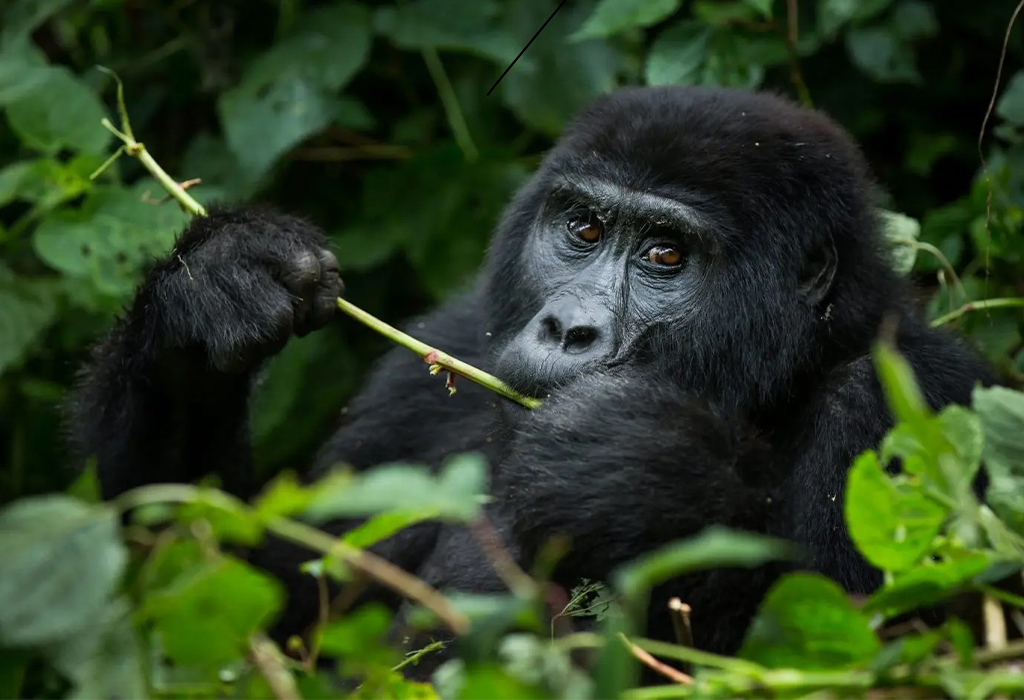
Unlike game drives, boat cruises, or birding safaris, gorilla trekking offers a completely different jungle experience. You hike through dense vegetation, cross small streams, and navigate rugged trails in search of a habituated gorilla family. In Uganda, you can trek in Bwindi Impenetrable National Park and Mgahinga Gorilla National Park. In Rwanda, trekking takes place in Volcanoes National Park. These protected areas provide the only opportunity to encounter mountain gorillas in these two countries.
Understanding the Trekking Environment
Before choosing what to wear, it helps to understand the environment. Gorilla trekking involves hiking through thick forests along uneven and sometimes steep trails. During the rainy season, the paths can become extremely slippery. Even in the dry season, the forest remains damp due to heavy canopy cover and frequent mist.
Moreover, you will encounter thick undergrowth, thorny plants, and crawling insects along the way. Rangers often clear sections of vegetation, but you should still expect close contact with bushes and tree branches. Therefore, wearing protective clothing is not optional—it is essential.
At the same time, the weather can shift quickly. It may start with cool morning temperatures, transition into warm sunshine, and suddenly turn into rainfall. For this reason, dressing in layers works best.
Health Considerations Before Trekking
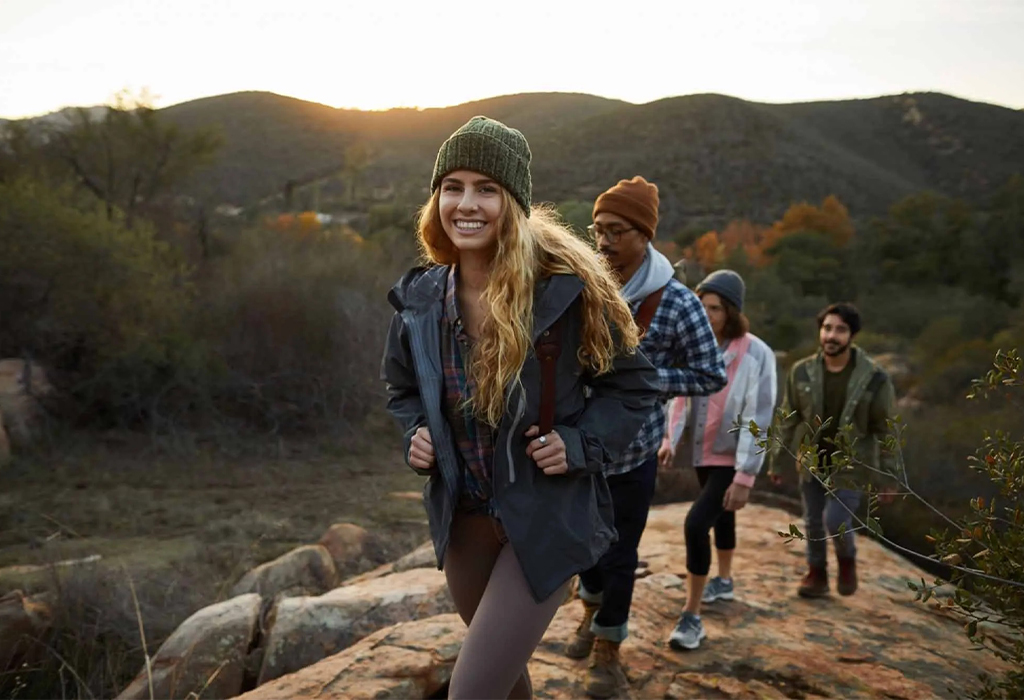
Gorilla trekking requires a reasonable level of physical fitness. Although the pace varies depending on the gorilla family’s location, the hike can last anywhere from one to several hours. Being physically prepared allows you to enjoy the journey instead of struggling through it.
Equally important, you must be in good health. Mountain gorillas are highly susceptible to human diseases. If you have flu, a cough, COVID-19 symptoms, malaria, stomach infections, or any contagious illness, you may not be allowed to trek. Protecting these endangered apes remains a top conservation priority.
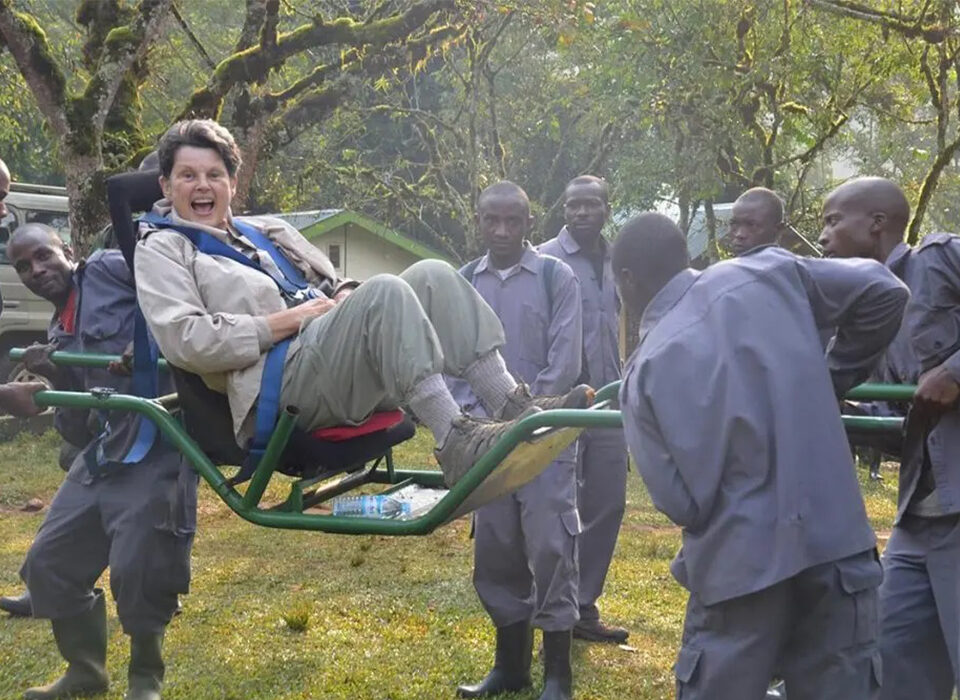
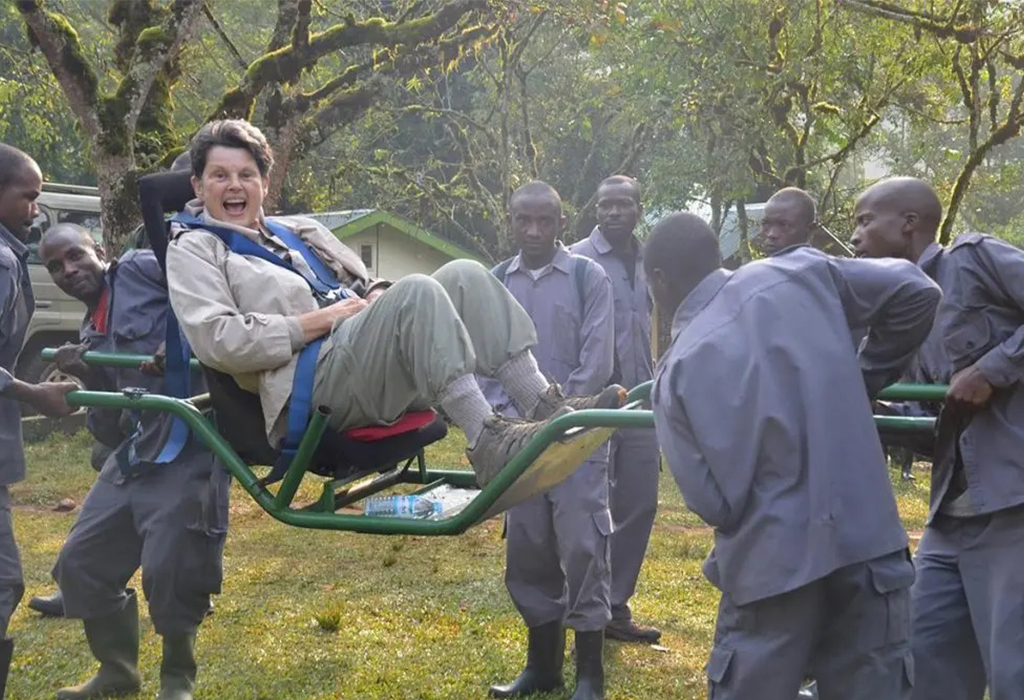
However, people with disabilities can still experience gorilla trekking. With advance planning, porters and sedan chair carriers assist trekkers who need extra support. As long as you are in good health and have the necessary documentation, including a valid gorilla permit, you can safely enjoy this life-changing encounter.
Once you have your permits and health requirements in order, selecting the right attire becomes the final step before entering the jungle.
Dress for Changing Weather Conditions
Because gorilla habitats lie within tropical forests, unpredictable weather is common. Even during sunny months, rain showers can appear without warning. Therefore, you should prepare for both cool and warm conditions.
Lightweight, breathable clothing works best for comfort. At the same time, layering allows you to adjust easily. For example, you can remove a light sweater when it gets warm or add a jacket when temperatures drop.
Ultimately, comfortable and flexible trekking gear enhances your overall experience. When you feel protected and at ease, you can focus entirely on the magical moment of meeting the gorillas.
Essential Clothing and Gear for Gorilla Trekking
Face Masks and Hand Sanitizer
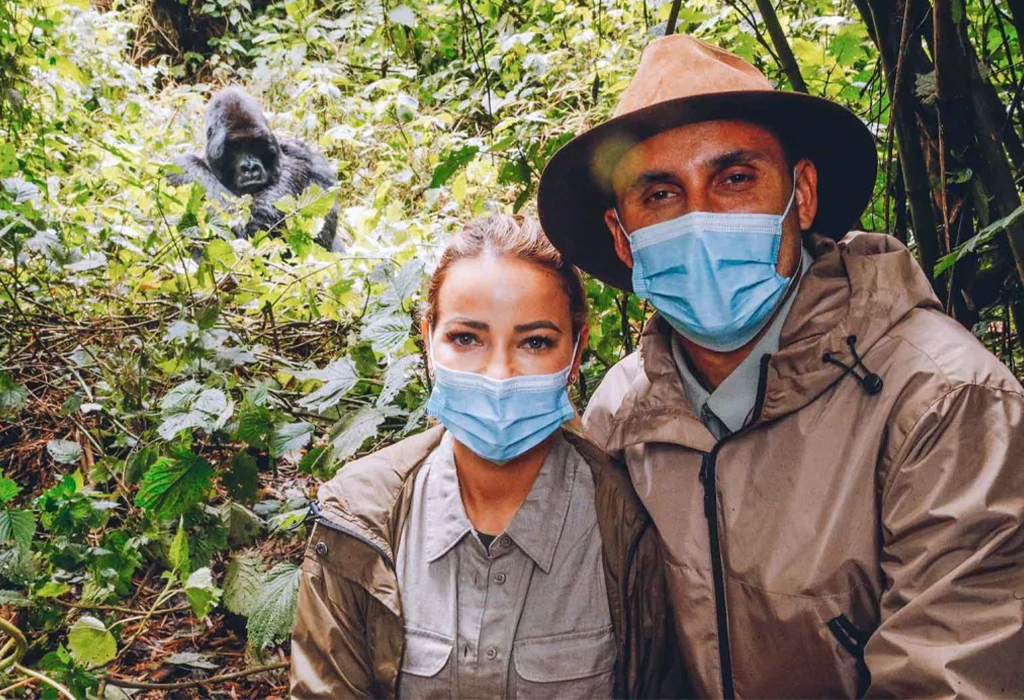
Although global travel restrictions have eased, health precautions remain important during gorilla trekking. Rangers often require trekkers to wear face masks when they approach the gorillas. Since mountain gorillas can contract human diseases, wearing a mask helps protect them from infections.
Additionally, carrying a small bottle of hand sanitizer helps maintain hygiene during the trek. Conservation efforts depend heavily on responsible tourism practices, and protecting gorillas from illness plays a crucial role in their survival.
Hiking Gloves
You will frequently hold onto tree branches and vegetation for balance while navigating steep and muddy terrain. For this reason, lightweight gardening or hiking gloves are extremely useful.
Gloves protect your hands from thorns, sharp twigs, and stinging plants. They also improve your grip when climbing slippery slopes. As a result, you reduce the risk of cuts, scratches, and discomfort during the trek.
Sturdy Hiking Boots
Perhaps the most important item to wear is a pair of strong, comfortable hiking boots. The forest floor can be muddy, uneven, and filled with hidden roots. Without proper footwear, you risk slipping or injuring your feet.
Choose waterproof hiking boots with good ankle support and strong traction. Make sure you break them in before your trip to avoid blisters. Well-fitting boots make trekking easier, safer, and more enjoyable.
Waterproof Jacket
Rain can fall at any time in Bwindi, Mgahinga, or Volcanoes National Park. Therefore, packing a lightweight waterproof jacket is essential.
A good rain jacket keeps you dry and warm without adding unnecessary weight. Even if it does not rain heavily, morning mist and forest moisture can leave you damp. Staying dry ensures comfort throughout the hike.
Long Hiking Trousers
Avoid wearing shorts during gorilla trekking. The forest contains thorny plants, creeping insects, and rough vegetation that can irritate exposed skin.
Instead, wear long, lightweight hiking trousers made from breathable material. These protect your legs from scratches, insect bites, and stinging plants. Neutral colors such as green, brown, or khaki work best because they blend with the forest environment.
Long-Sleeved Shirts
In addition to long trousers, a long-sleeved shirt provides extra protection for your arms. Choose light, moisture-wicking fabric that keeps you cool while shielding your skin from insects and vegetation.
Layering a T-shirt underneath allows you to adjust your clothing as temperatures change.
Insect Repellent
The rainforest hosts various insects, especially in humid conditions. Applying insect repellent before the trek helps prevent bites and irritation.
Focus on exposed areas such as your neck and hands. However, avoid strong scents that might disturb wildlife. A light, unscented insect repellent works best.
Final Thoughts
Gorilla trekking in Uganda and Rwanda offers an unforgettable wildlife experience. However, your comfort and safety depend greatly on what you wear. By choosing protective, breathable, and weather-appropriate clothing, you prepare yourself for the realities of the rainforest environment.
Most importantly, dressing properly allows you to focus fully on the highlight of the journey: standing just meters away from a family of mountain gorillas in their natural habitat. When you feel comfortable and well-prepared, the trek becomes not only manageable but deeply rewarding.
With the right attire, good health, and a spirit of adventure, you are ready to step into the jungle and experience one of Africa’s most remarkable encounters.