
Wildlife Safaris in Uganda and Rwanda
December 26, 2025
What to Know Before Chimpanzee Trekking in Nyungwe National Park
December 26, 2025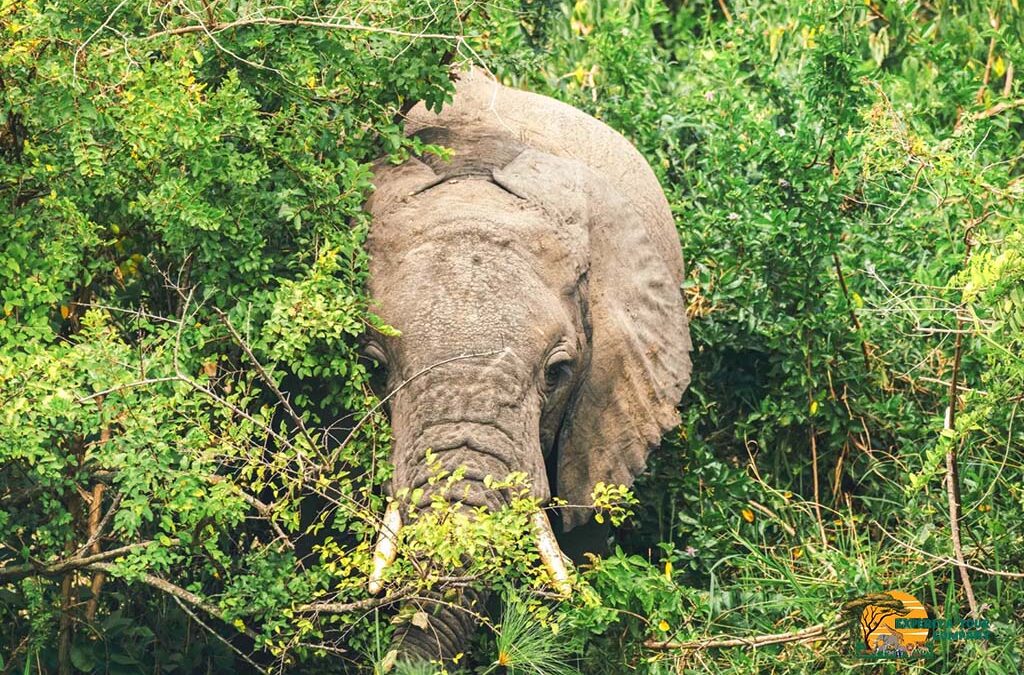
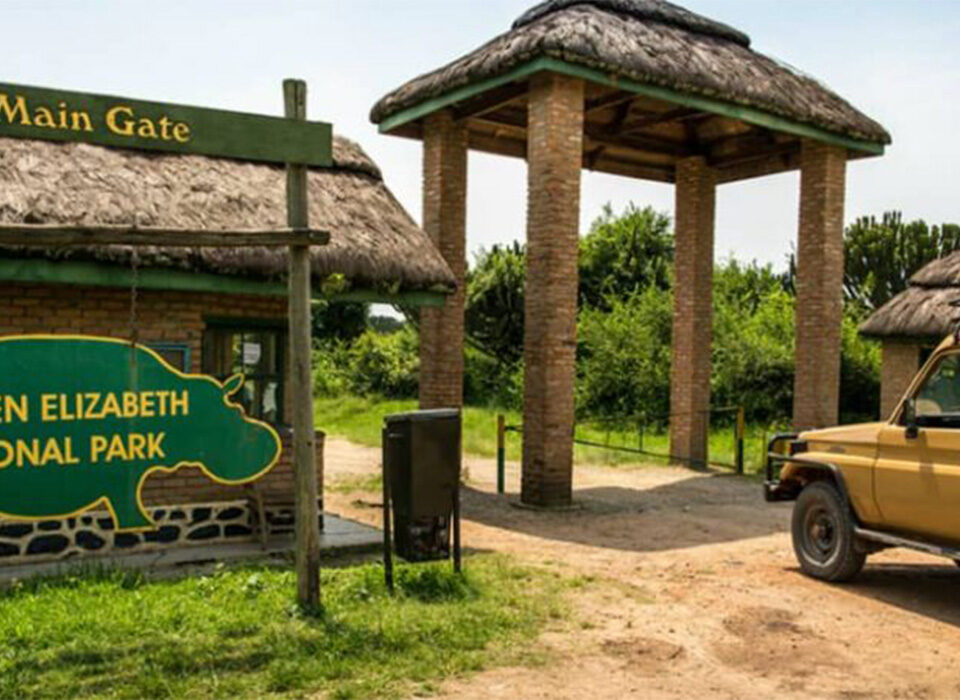
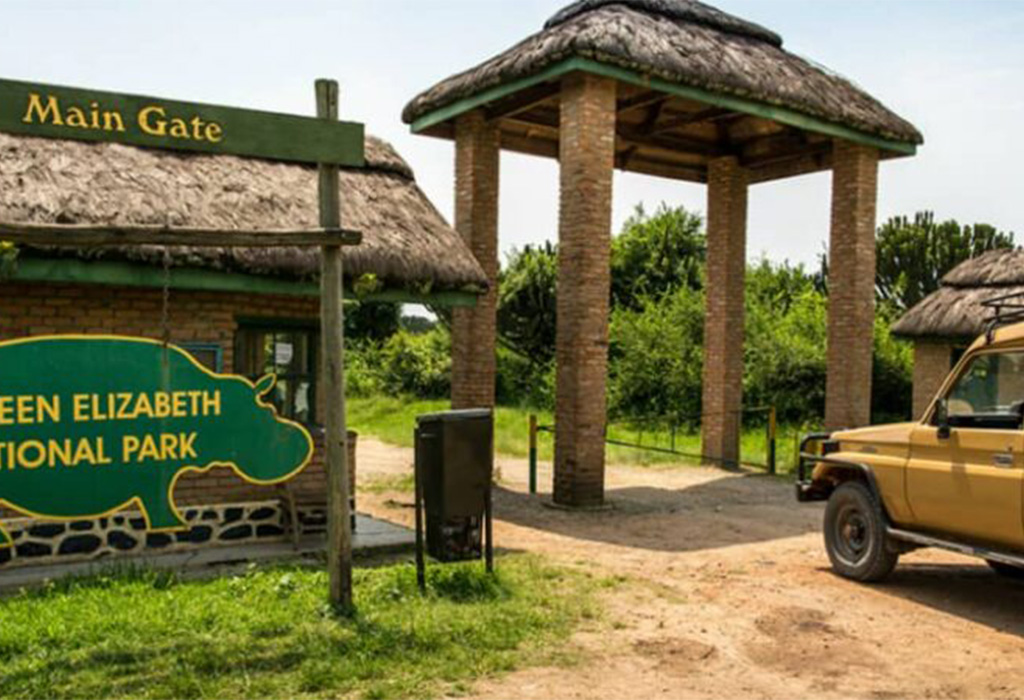
Queen Elizabeth National Park is Uganda’s most visited national park, located in the western part of the country. Thanks to its remarkable blend of savannah grasslands, woodlands, wetlands, and open waters, the park attracts nature lovers, photographers, and adventure seekers from around the world.
Covering 1,978 square kilometers, Queen Elizabeth National Park is the largest biodiverse protected area in Uganda. It also stands out as the country’s most famous savannah park and one of the best places to experience an authentic Uganda wildlife safari.
From tree-climbing lions and vast lakes to primate-filled gorges and vibrant cultural encounters, the park offers an extraordinary variety of attractions and activities.
Top Tourist Attractions and Activities in Queen Elizabeth National Park
1. Visit the Kazinga Channel
The Kazinga Channel is one of the park’s most iconic features. This 32-kilometer freshwater channel links Lake Edward to Lake George, both named in honor of British royalty.
Most importantly, the channel serves as a wildlife magnet. It hosts one of the highest concentrations of hippos in the world, estimated at about 2,000 individuals. In addition, visitors can spot Nile crocodiles, elephants, buffaloes, and countless water birds.
A boat cruise along the Kazinga Channel provides close-up wildlife encounters and excellent photography opportunities, making it a must-do activity.
2. Chimpanzee Trekking in Kyambura Gorge
For primate enthusiasts, chimpanzee trekking in Kyambura Gorge is an unforgettable experience. This dramatic, forested gorge shelters a group of habituated chimpanzees and a wide range of bird and animal species.
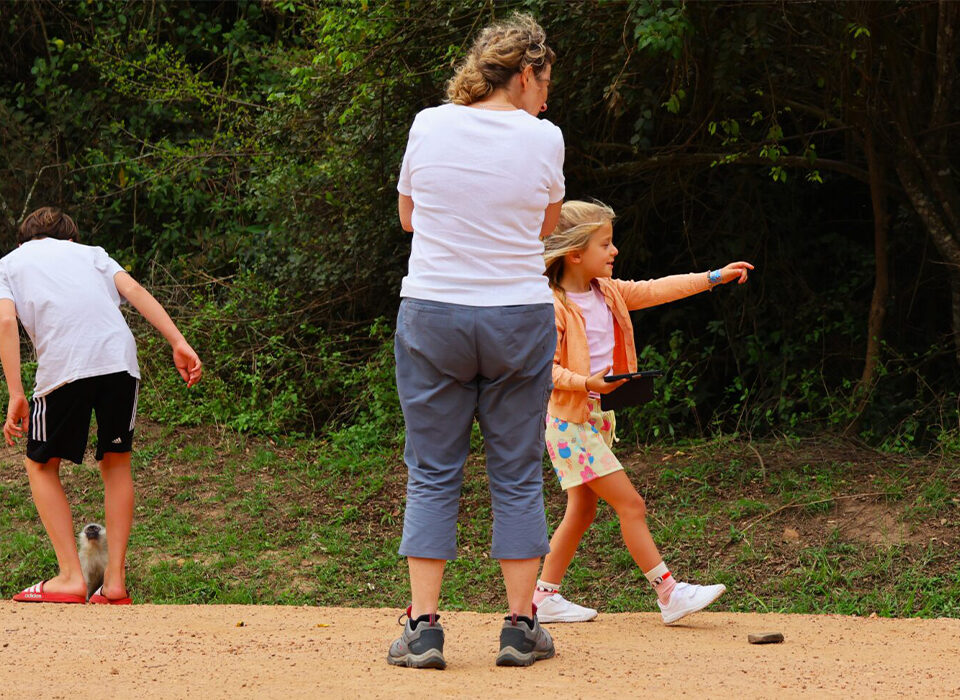
As you trek through the lush vegetation, you may also encounter monkeys, butterflies, and colorful forest birds. Since the trek usually starts in the morning, wildlife sightings are often rewarding.
Better still, this affordable chimpanzee experience can easily be combined with other safari activities in Queen Elizabeth National Park for a well-rounded adventure.
3. See the Famous Tree-Climbing Lions of Ishasha
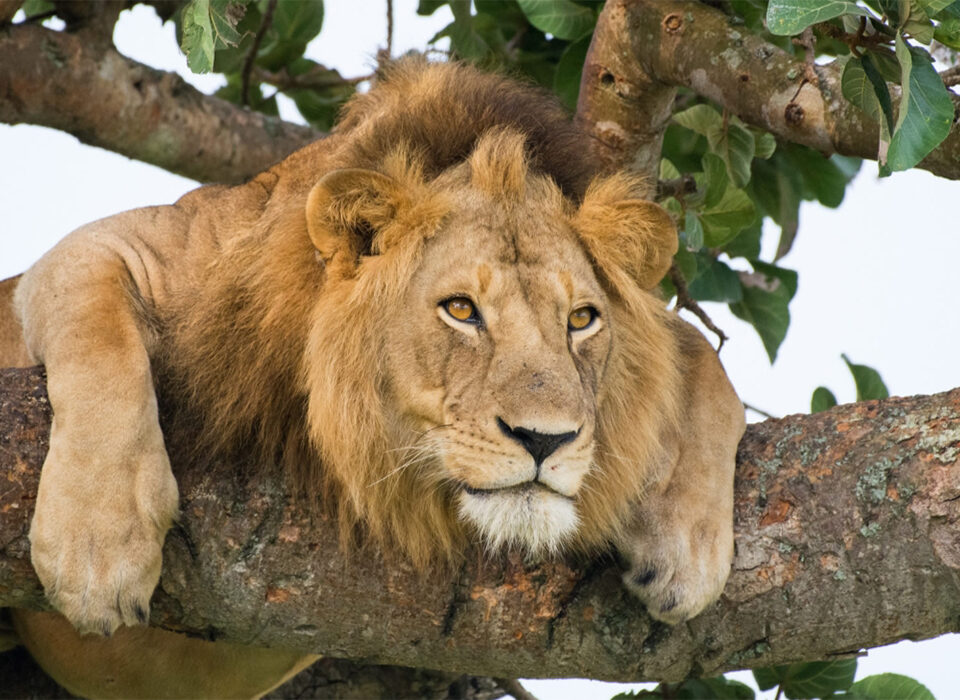
Although lions rarely climb trees, two known populations in the world have adopted this unusual behavior. One of them lives in the Ishasha sector, located in the southern part of Queen Elizabeth National Park.
Here, lions frequently rest on fig and acacia trees, especially during the hot hours of the day. The only other place where this behavior occurs is Lake Manyara National Park in Tanzania.
A game drive in Ishasha offers a rare chance to witness this remarkable sight.
4. Enjoy Game Drives Across the Savannah
Game drives remain one of the most popular activities in Queen Elizabeth National Park. The park features over 200 kilometers of well-maintained game viewing tracks, allowing visitors to explore different habitats with ease.
During early morning drives, you can spot elephants, buffaloes, lions, leopards, and a wide variety of antelope species. Morning hours provide the best lighting and the most active wildlife behavior.
5. Go Bird Watching in a Birding Paradise
With more than 550 bird species, Queen Elizabeth National Park ranks among the top birding destinations in Africa. The park’s elevation ranges from 900 meters near Lake Edward to 1,845 meters along the rift valley escarpment, creating diverse ecosystems.
Bird habitats include lakes, rivers, open grasslands, forests, and both permanent and seasonal swamps. As a result, birdwatchers can observe everything from water birds and raptors to forest specialists and migratory species.
6. Nature Walks in Maramagambo Forest
Maramagambo Forest offers guided nature walks that allow visitors to explore the park on foot. These walks follow established trails and provide insights into forest conservation, crater lakes, and unique plant life.
The forest is home to at least nine primate species, including chimpanzees, red-tailed monkeys, vervet monkeys, L’Hoest’s monkeys, bush babies, and baboons. Along the way, visitors also encounter birds, bats, and other forest creatures.
7. Explore the Salt Mines at Lake Katwe
Lake Katwe is one of the few salt lakes in East Africa. Due to its extreme salinity, the lake does not support wildlife. However, the surrounding area remains full of life and activity.
For generations, local communities have extracted salt by hand from the lake’s milky waters, especially during the dry season. Despite the risks posed by the corrosive salt, traditional mining continues and supplies a large portion of household salt used across Uganda.
A visit to Lake Katwe offers cultural insight into traditional livelihoods and resilience.
8. Take a Hot Air Balloon Safari
Hot air balloon safaris provide a unique way to experience Queen Elizabeth National Park from above. These early-morning rides begin near the Kasenyi area after a safety briefing.
As the balloon floats silently over the savannah, passengers enjoy breathtaking aerial views of wildlife, crater lakes, and vast landscapes. The experience also offers exceptional photographic opportunities.
9. Experience Cultural Encounters
No visit to Uganda is complete without engaging with local communities. Cultural visits near Queen Elizabeth National Park allow travelers to experience traditional dances, drama performances, and fire-making demonstrations.
Visitors can also learn indigenous skills such as basket weaving using natural fibers. In addition, guided village walks offer insights into daily life, including cooking methods, farming practices, home construction, and craft making. Many handmade items are available for purchase at fair prices.
Where to Stay in Queen Elizabeth National Park
Queen Elizabeth National Park offers a wide range of accommodation options, from luxury lodges to mid-range camps and budget-friendly stays. Most lodgings provide comfortable rooms, dining facilities, and easy access to key wildlife areas.
Whether you prefer an upscale safari lodge overlooking the savannah or a simple camp close to nature, the park caters to all travel styles and budgets.