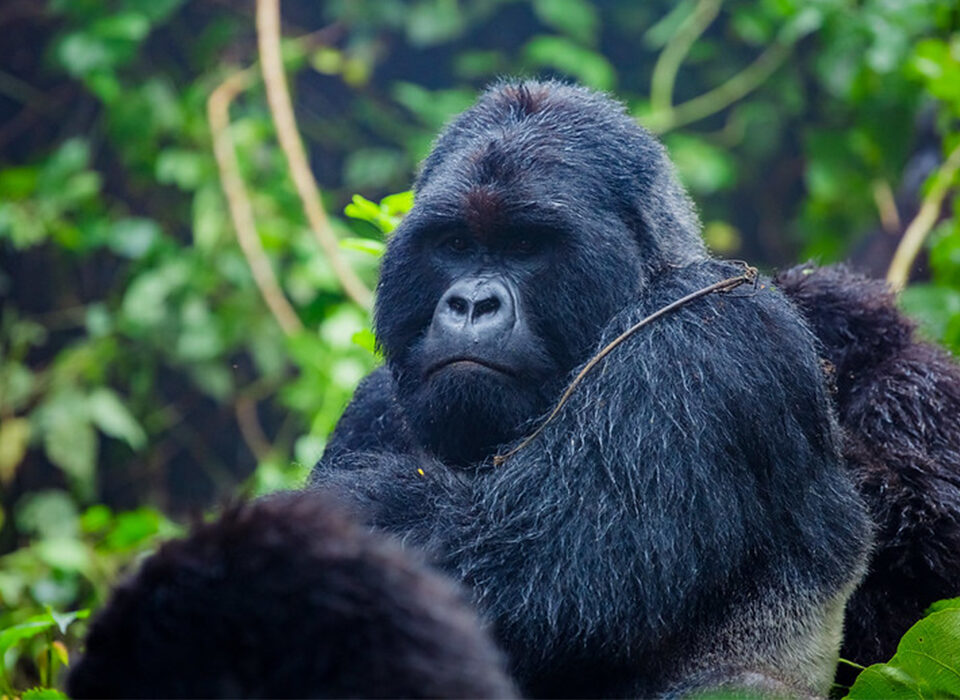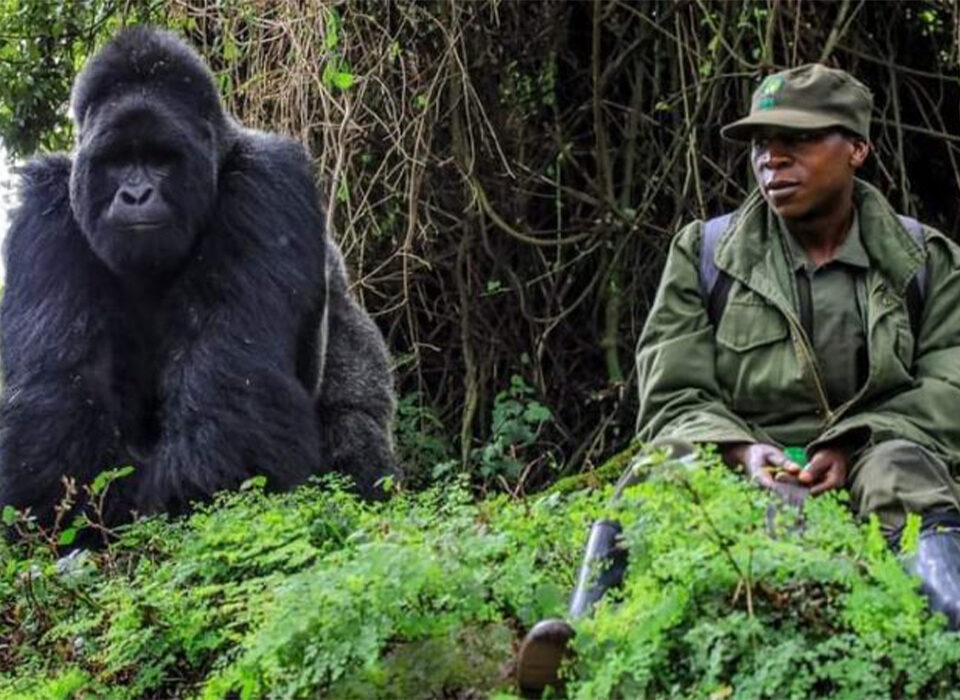


Planning a chimpanzee trekking adventure in Kalinzu Forest is an exciting step toward one of Uganda’s most memorable wildlife experiences. This lush tropical forest in western Uganda offers visitors the rare chance to observe chimpanzees in their natural habitat, surrounded by rich biodiversity and dramatic forest scenery. While the experience is thrilling and deeply rewarding, proper preparation plays a key role in ensuring your trek is comfortable, safe, and enjoyable.
Chimpanzee trekking in Kalinzu is considered one of the most accessible and affordable primate tracking experiences in Uganda. The forest is professionally managed, and experienced rangers and guides lead every trek, ensuring both visitor safety and minimal disturbance to wildlife. With the right clothing and gear, you can focus fully on the adventure rather than worrying about discomfort along the trail.
This guide explains exactly what to pack and why each item matters for your Kalinzu chimpanzee trekking experience.
About Kalinzu Forest
Kalinzu Forest Reserve lies near Queen Elizabeth National Park and Maramagambo Forest in Bushenyi District in western Uganda. This expansive tropical forest is one of the country’s important biodiversity areas and provides a vital habitat for a wide range of wildlife species.
The forest is home to more than 400 species of trees, creating a dense canopy that shelters a variety of animals and birds. Bird enthusiasts are especially drawn to Kalinzu because it supports approximately 378 bird species, including several forest specialists. Primate lovers will be pleased to know the forest hosts six primate species, among them vervet monkeys, blue monkeys, black-and-white colobus monkeys, and, most famously, chimpanzees.
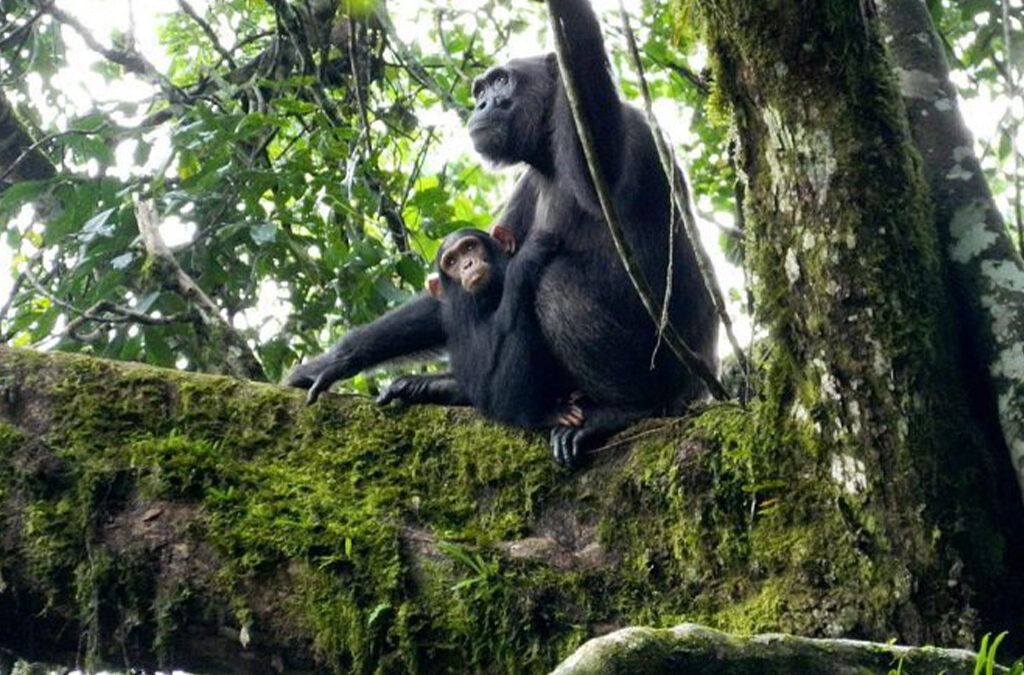
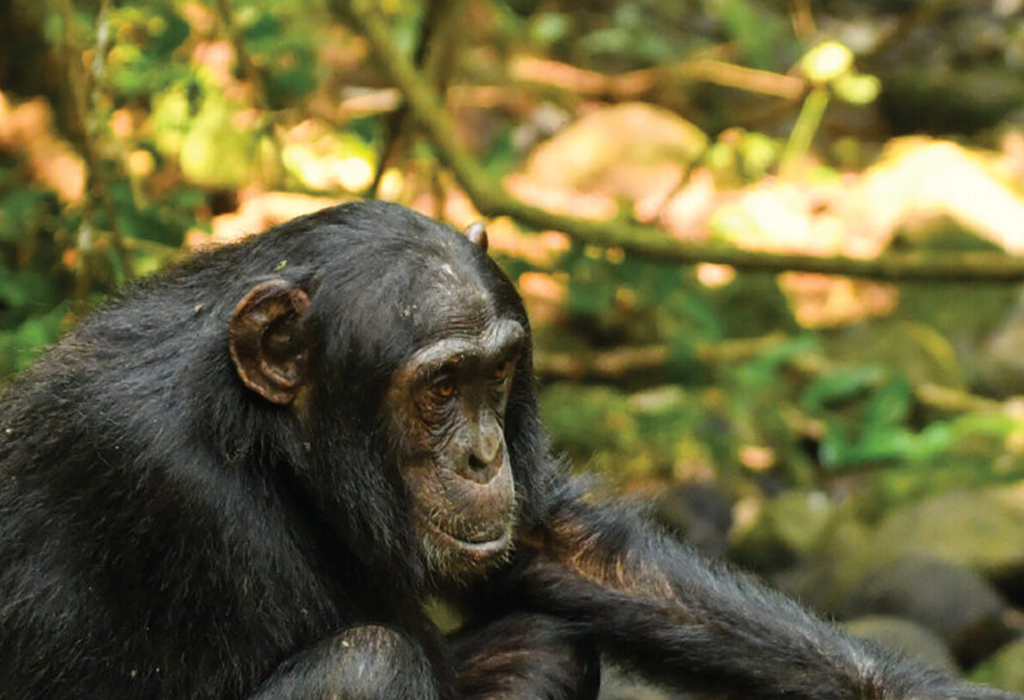
Kalinzu has an estimated population of around 200 chimpanzees, with more than 70 individuals habituated to human presence for trekking purposes. Visitors track two main chimpanzee communities under the supervision of trained forest rangers, making sightings frequent and rewarding.
Why Packing Smart Matters
Chimpanzee trekking is not a casual forest walk. It often involves navigating muddy paths, climbing slopes, crossing small streams, and pushing through thick vegetation. The weather can change quickly, and forest conditions are unpredictable. Packing appropriately ensures you remain dry, protected from insects and scratches, and physically comfortable throughout the trek.
Traveling light is still important, especially if you are on a longer safari with limited luggage space. The goal is to carry only essential items that enhance safety and comfort without weighing you down.
Proper Footwear for Forest Terrain
Footwear is one of the most important considerations for chimpanzee trekking in Kalinzu. Trails can be slippery, uneven, and sometimes steep, especially after rainfall. Lightweight but sturdy hiking boots with good ankle support are strongly recommended.
Boots with strong grip help prevent slipping on muddy slopes and wet leaves, while ankle support reduces the risk of twisting your foot on uneven ground. Waterproof or water-resistant boots are particularly useful, as forest trails often remain damp even during the dry season.
Hand Protection in Dense Vegetation
Moving through tropical forest often means brushing against branches, vines, and undergrowth. Garden gloves or lightweight work gloves are extremely helpful for protecting your hands. Rangers frequently lead trekkers off established paths when tracking chimpanzees, and you may need to hold onto branches or steady yourself on rough surfaces.
Gloves help prevent scratches, reduce the risk of contact with stinging plants, and offer an extra layer of protection from insects hiding in vegetation.
Dressing for Protection and Comfort
Clothing choice can significantly affect your comfort during chimpanzee trekking. Long-sleeved shirts and long trousers are strongly recommended. These protect your skin from scratches caused by thorns and branches, as well as from insect bites.
Tucking your trousers into your socks or boots is a simple but effective way to prevent safari ants from crawling up your legs. Neutral-colored clothing such as green, brown, or khaki works best in the forest. Bright colors can disturb wildlife and make you more visible in a natural setting where blending in is preferred.
Lightweight, breathable fabrics are ideal, as trekking can be physically demanding and humid conditions can cause heavy sweating.
Preparing for Rain at Any Time
Kalinzu Forest is a tropical rainforest, meaning rain is possible at any time of the year. Even during the dry season, short showers can occur unexpectedly. A lightweight waterproof rain jacket is therefore an essential item.
A compact rain jacket keeps you dry without adding unnecessary bulk to your daypack. Staying dry helps prevent chills and discomfort, allowing you to enjoy your time in the forest regardless of weather changes.
Carrying Water and Staying Energized
Chimpanzee trekking can last several hours depending on how far the chimpanzees have moved. The combination of humidity, physical exertion, and forest terrain makes hydration extremely important. Carrying between one and two liters of drinking water is highly recommended.
In addition to water, small high-energy snacks such as nuts, energy bars, or dried fruit can help maintain your energy levels. While meals are usually provided later at your lodge, having quick snacks during the trek keeps you energized and focused.
Protecting Your Gear from Moisture
A small waterproof daypack is useful for carrying your essentials during the trek. Moisture in the rainforest can come from rain, humidity, or brushing against wet vegetation. A waterproof or water-resistant bag helps protect valuable items like cameras, phones, and documents.
Dry bags or simple plastic liners inside your backpack can provide additional protection for electronics and spare clothing.
Photography Essentials
Spending an hour with chimpanzees in their natural habitat is a rare and unforgettable experience, and most visitors want to capture these moments. A good camera with sufficient memory space is highly recommended. Extra batteries are especially important, as cold and damp conditions can drain battery life more quickly than usual.
Flash photography is strictly prohibited during chimpanzee trekking. Flash can disturb and stress the animals, so always ensure your camera’s flash is turned off before entering the forest.
Sun Protection in Open Areas
Although much of the trek takes place under forest canopy, some sections of the trail may be more exposed. A hat with a brim helps protect your face from the sun, while sunglasses reduce glare in brighter areas. Sunscreen can also be applied before the trek, especially during drier months when sunlight can be stronger.
The Importance of a Walking Stick
Walking sticks are usually provided at the forest headquarters before the trek begins. These simple tools make a big difference when navigating steep or slippery sections of trail. They provide balance, reduce strain on your knees during descents, and help you test muddy ground before stepping.
Even if you are physically fit, using a walking stick is highly recommended for added stability and confidence on the trail.
What to Expect During the Trek
Chimpanzee trekking in Kalinzu begins early in the morning at the forest headquarters. Visitors receive a briefing from guides about trekking rules, safety procedures, and chimpanzee behavior. After the briefing, small groups enter the forest accompanied by experienced rangers who track chimpanzees based on their previous nesting and feeding locations.
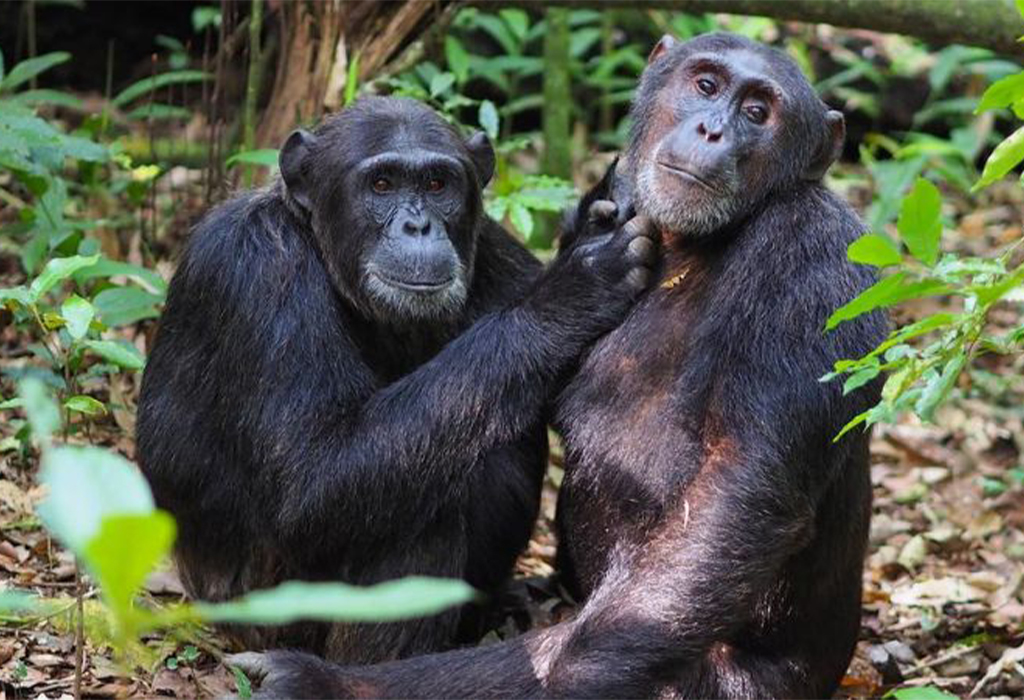
The duration of the trek before locating the chimpanzees varies. Once the group finds them, visitors are allowed to spend one full hour observing and photographing them. Watching chimpanzees feed, groom one another, and interact socially in the wild is both thrilling and emotionally powerful.
Only individuals aged 12 years and above are permitted to participate in chimpanzee trekking.
Chimpanzee Trekking Permit Costs
One of Kalinzu’s biggest advantages is affordability. Chimpanzee trekking permits here cost approximately USD 50 per person, making it one of the most budget-friendly primate tracking options in Uganda. This fee typically covers forest entry and guiding services.
Permits are issued by the authority responsible for managing central forest reserves in Uganda, and advance booking is advised, especially during peak travel seasons.
Accommodation Options Near Kalinzu
Accommodation within Kalinzu Forest itself is very limited, mainly consisting of a basic campsite at the forest station. Most visitors choose to stay in nearby areas for greater comfort and more lodging options.
Queen Elizabeth National Park, located a short drive away, offers a wide range of lodges from budget to luxury. Towns such as Bushenyi and Ishaka also provide modest guesthouses and small hotels. Staying nearby allows travelers to combine chimpanzee trekking with other activities such as game drives, boat safaris on the Kazinga Channel, and visits to crater lakes.
Getting to Kalinzu Forest
Kalinzu Forest is accessible by both road and air. By road, the forest is about a four to five-hour drive from Kampala or Entebbe. The journey passes through scenic countryside, tea plantations, and the rolling hills of western Uganda.
For those short on time, domestic flights from Entebbe to Kasese Airstrip provide a faster alternative. From Kasese, it is a relatively short drive to Kalinzu Forest, making this option ideal for travelers on tight schedules.
Final Thoughts
Chimpanzee trekking in Kalinzu Forest is wild, immersive, and deeply rewarding. Proper packing ensures you remain comfortable, protected, and ready to fully enjoy every moment in the forest. With sturdy footwear, protective clothing, rain gear, and essential supplies, you can focus entirely on the unforgettable experience of meeting chimpanzees in their natural home.
With good preparation and the guidance of professional rangers, your Kalinzu chimpanzee trekking adventure will be a highlight of your Uganda safari.