
Exploring Rubuguri Village in Bwindi Impenetrable National Park
March 20, 2026
How to Plan a Game Safari in Rwanda with a Beach Holiday
March 21, 2026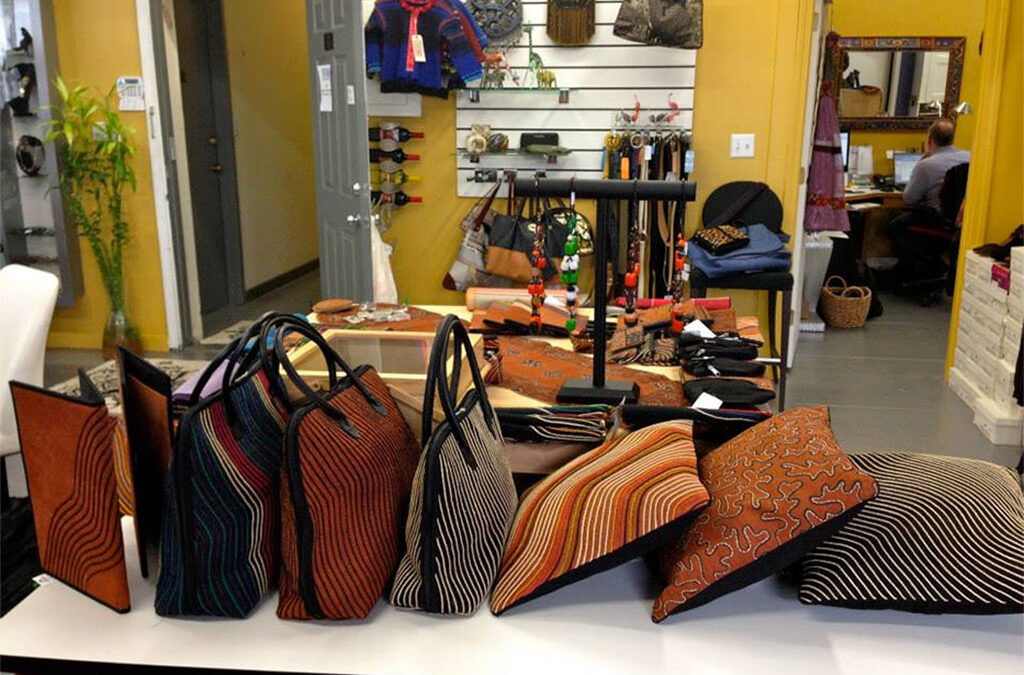
A wildlife safari offers more than unforgettable encounters with animals in their natural habitats it also opens the door to authentic African culture. Beyond your photos and memories, you’ll find countless meaningful souvenirs that capture the spirit of your journey.
From handcrafted art and vibrant textiles to delicious local treats and practical safari gear, these items tell the story of your adventure. Even more importantly, when you buy locally, you directly support artisans and communities that depend on tourism for their livelihoods.
Hand-Carved Art and Decorative Items
African artisans transform raw materials into stunning decorative pieces using skills passed down through generations. These handcrafted works beautifully reflect the wildlife and landscapes you experience during your safari.
Traditional Wood Carvings
Wood carvings remain some of the most popular safari souvenirs. Skilled craftsmen use hardwoods such as ebony, mahogany, and rosewood to create detailed animal figurines elephants, lions, giraffes, and zebras that mirror what you’ve seen on game drives.
In addition, you’ll find intricately carved masks representing traditional African artistic styles. Some appear realistic, while others take on abstract forms, each telling a unique cultural story.
Artisans also produce functional items like bowls, spoons, and serving utensils that blend practicality with artistry. Notably, carved walking sticks stand out as both useful and symbolic souvenirs. They support you on nature walks while serving as lasting reminders of your safari.
However, quality varies widely. While some pieces are affordable, others are museum-quality works. Therefore, take your time, examine craftsmanship carefully, and choose items that genuinely resonate with you.
Stone and Soapstone Sculptures
Soapstone carving represents another cherished African art form. Because the stone is soft, artisans can create smooth, detailed sculptures with elegant, flowing shapes.
You’ll find these sculptures in natural shades like white, gray, pink, and black. However, many artists enhance them with vibrant painted finishes. Most pieces depict animals or abstract designs inspired by African traditions.
Smaller sculptures make affordable gifts, while larger ones become striking statement pieces in your home. Additionally, soapstone is durable, ensuring your souvenir lasts for years.
Woven Baskets and Fiber Art
Basket weaving showcases exceptional craftsmanship and cultural heritage. Artisans use natural materials such as raffia, banana fiber, sisal, and palm leaves to create durable, colorful baskets.
For example, Rwanda’s famous Agaseke peace basket features a conical lid and intricate spiral patterns. Traditionally given as wedding gifts, these baskets now serve as elegant decorative pieces worldwide.
Across East Africa, you’ll find a wide variety of basket styles, each with unique shapes, colors, and patterns. Some display geometric designs, while others incorporate symbolic or animal-inspired motifs.
Because they are lightweight, functional, and easy to pack, baskets make ideal safari souvenirs.
Paintings and Batik Art
African art vividly captures the essence of safari landscapes and wildlife. For instance, Tanzania’s Tinga Tinga paintings use bold colors and playful animal imagery to create lively, eye-catching scenes.
Meanwhile, batik art uses wax-resist dyeing techniques to produce detailed designs on fabric. These pieces work beautifully as wall hangings, adding warmth and cultural richness to your space.
You’ll find everything from small, affordable artworks to large, gallery-quality masterpieces near major parks and cultural centers.
Innovative Recycled Art
Creativity thrives in recycled art. Talented artisans transform discarded materials into unique sculptures, jewelry, and home décor items.
For example, they craft metal sculptures from scrap materials and create durable sandals from recycled car tires famously worn by Maasai communities.
By choosing recycled art, you not only take home a one-of-a-kind piece but also support sustainability and environmental conservation.
Textiles and Wearable Art
African textiles burst with color, symbolism, and cultural identity. These items serve both decorative and practical purposes while reflecting regional traditions.
Maasai Beadwork
Maasai beadwork stands among Africa’s most iconic crafts. Women carefully arrange tiny glass beads into vibrant necklaces, bracelets, and belts.
Each color carries meaning:
- Red symbolizes bravery and strength
- Blue represents energy and the sky
- Green signifies health and land
- White stands for purity
As a result, every piece tells a story. When you buy directly from Maasai artisans, you not only receive a beautiful item but also connect with its cultural significance.
Traditional African Fabrics
Fabrics such as Kitenge and Kanga feature bold patterns and bright colors printed on cotton. You can use them for clothing, home décor, or accessories.
Many travelers purchase fabric by the yard and have custom outfits made by local tailors—often within just a few days.
Additionally, the Maasai shuka, known for its distinctive red check pattern, works as a blanket, wrap, or decorative piece.
Uganda’s bark cloth offers something truly unique. Artisans create it by processing fig tree bark into a soft, leather-like material, perfect for wall art, bags, or modern fashion.
Handcrafted Jewelry
Beyond beadwork, artisans create jewelry from local materials such as stones, seeds, cow horn, and recycled glass.
These pieces range from simple designs to bold statement accessories. Because they are lightweight and personal, they make excellent gifts and lasting keepsakes.
Delicious Edible Souvenirs
If you love food, safari destinations offer a variety of edible souvenirs that bring the flavors of Africa home.
Premium Coffee
East Africa produces some of the world’s finest coffee. Countries like Uganda, Rwanda, Kenya, and Tanzania grow exceptional beans in high-altitude conditions, resulting in rich, complex flavors.
Notably, Gorilla Conservation Coffee supports farmers living near wildlife habitats, helping protect forests and endangered species.
Aromatic Teas and Spices
You’ll also find high-quality teas, including black, green, and herbal varieties like lemongrass. In addition, locally grown spices such as vanilla, cinnamon, and cardamom offer incredible freshness and flavor.
Because they are lightweight and easy to pack, they make perfect travel souvenirs.
Local Spirits and Wines
Uganda’s famous Waragi gin, often called the “Spirit of Uganda,” provides a unique cultural experience.
Meanwhile, southern Africa offers excellent wines, including distinctive varieties like Pinotage and Chenin Blanc.
Before purchasing, always check airline regulations regarding liquids in luggage.
Natural Products and Snacks
Natural products such as shea butter provide excellent skincare benefits and make practical souvenirs.
You can also carry home dried tropical fruits like mango and pineapple, along with roasted groundnuts. These snacks are lightweight, non-perishable, and full of authentic local flavor.
Practical Safari Gear and Memorable Gifts
Safari Apparel
Safari-themed clothing such as T-shirts, hats, and bags allows you to carry your memories with you. However, quality varies, so always check fabric and stitching before buying.
Traditional Musical Instruments
African musical instruments make unique and meaningful souvenirs. Options include:
- Drums like the engalabi
- Wooden flutes
- Thumb pianos (akogo)
These instruments serve as both decorative pieces and functional items, bringing the rhythm of Africa into your home.
Making Meaningful Purchases
Ultimately, the best safari souvenirs combine authenticity, personal meaning, and community impact.
Rather than buying impulsively, choose items that truly connect with your experience. Equally important, consider where you shop. When you buy directly from artisans or community cooperatives especially those recommended by Experiya Tour Company your money supports local families and preserves traditional craftsmanship.
Moreover, responsible shopping promotes sustainable tourism. When communities benefit from tourism, they gain stronger incentives to protect wildlife and natural habitats.
In the end, every thoughtful purchase becomes more than just a souvenir. It becomes a story, a connection, and a lasting contribution to the people and places that made your safari unforgettable.