Why You Need a Gorilla Trekking Permit
March 28, 2026
Where to Go for Hiking and Nature Walks in Uganda
March 30, 2026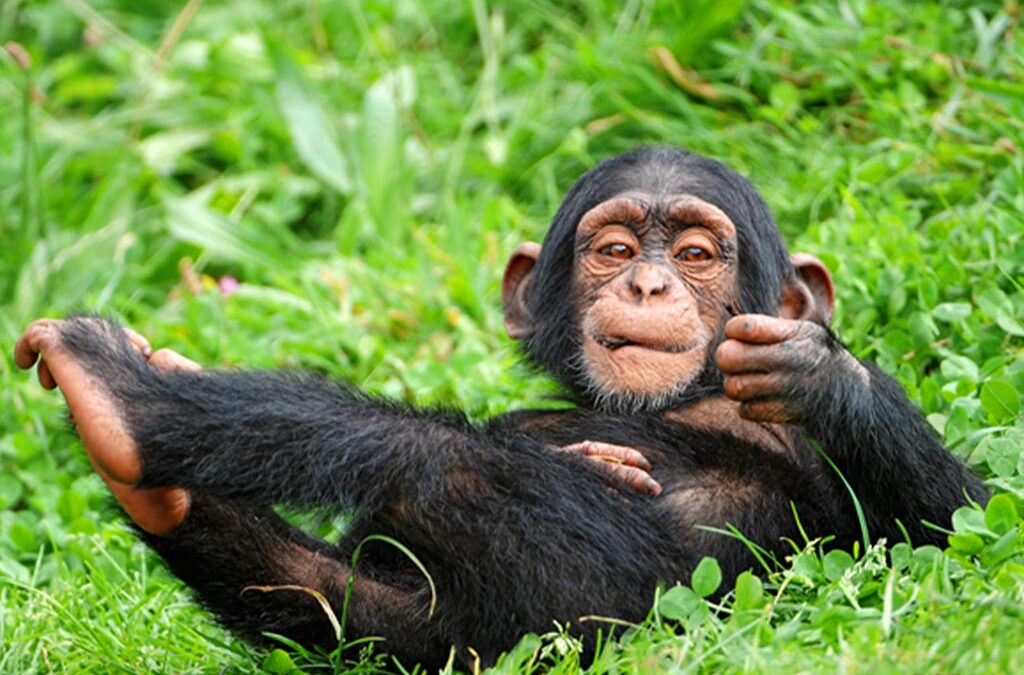
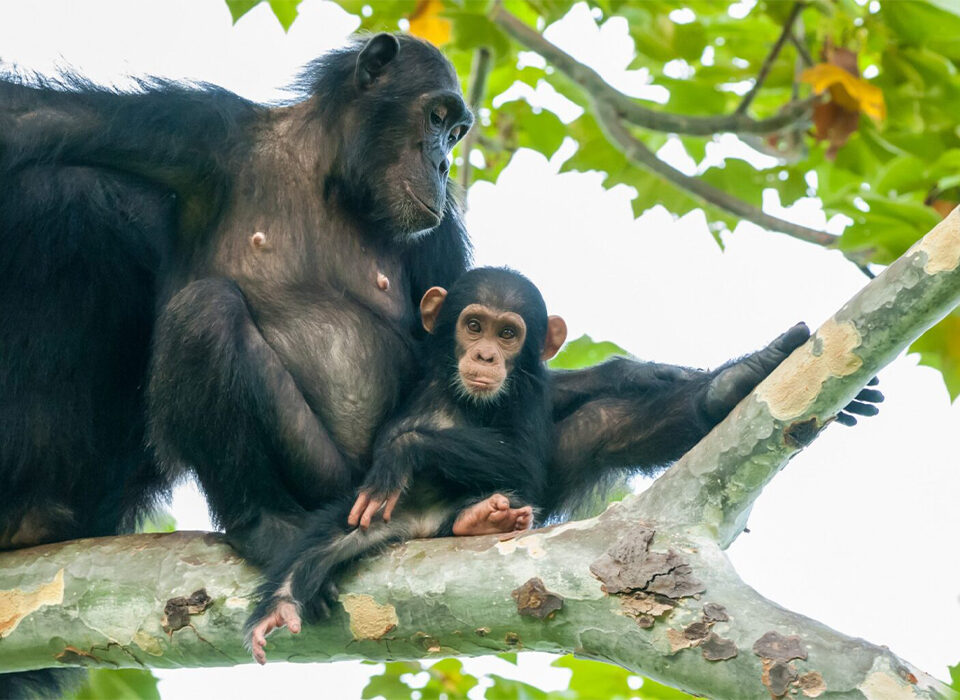
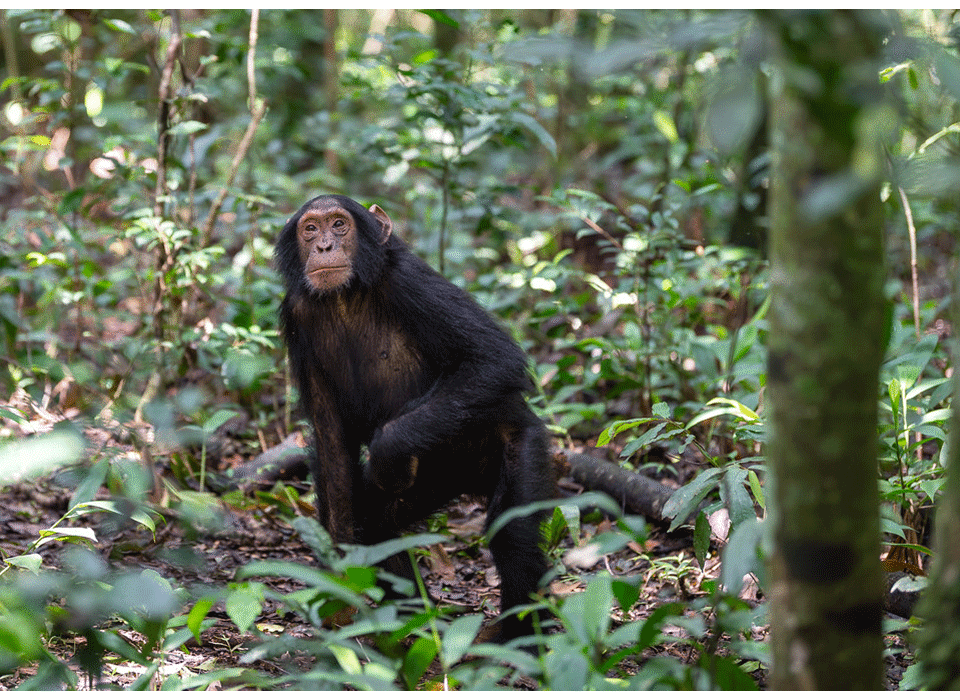
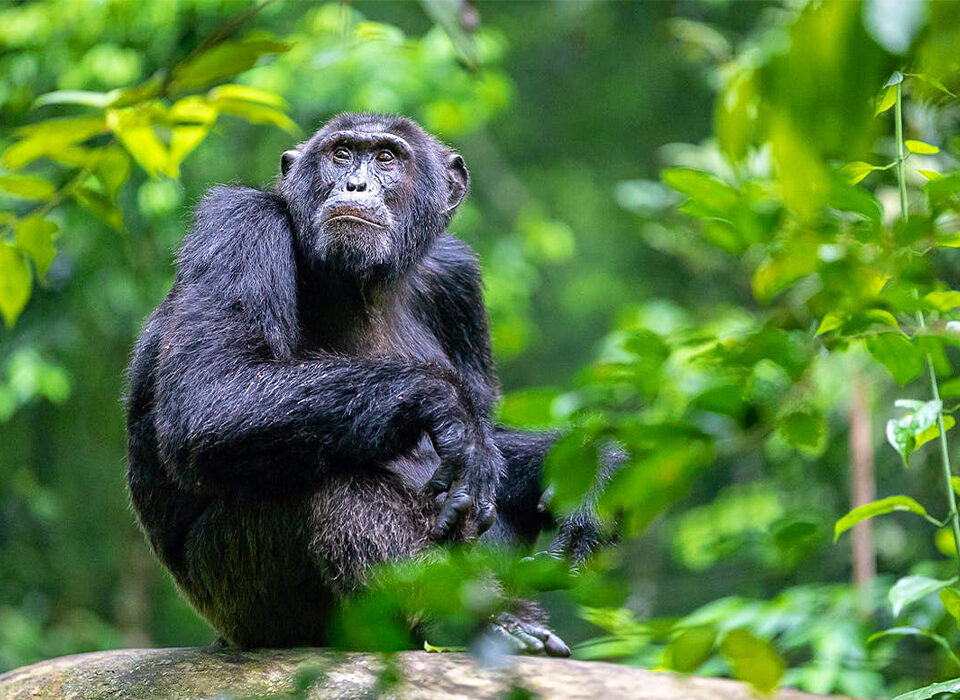
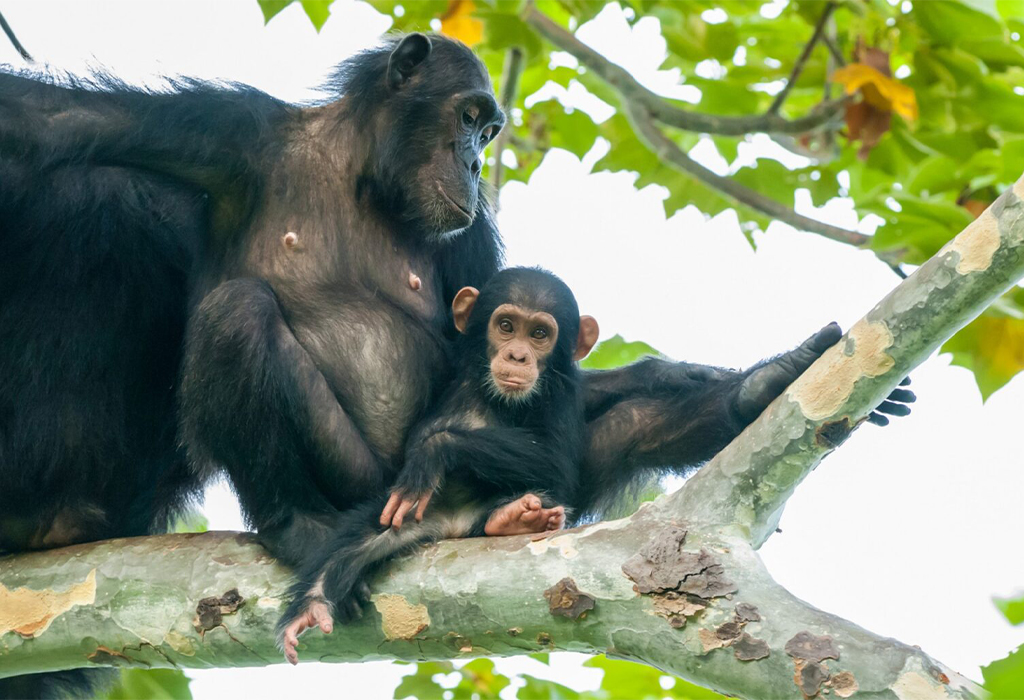
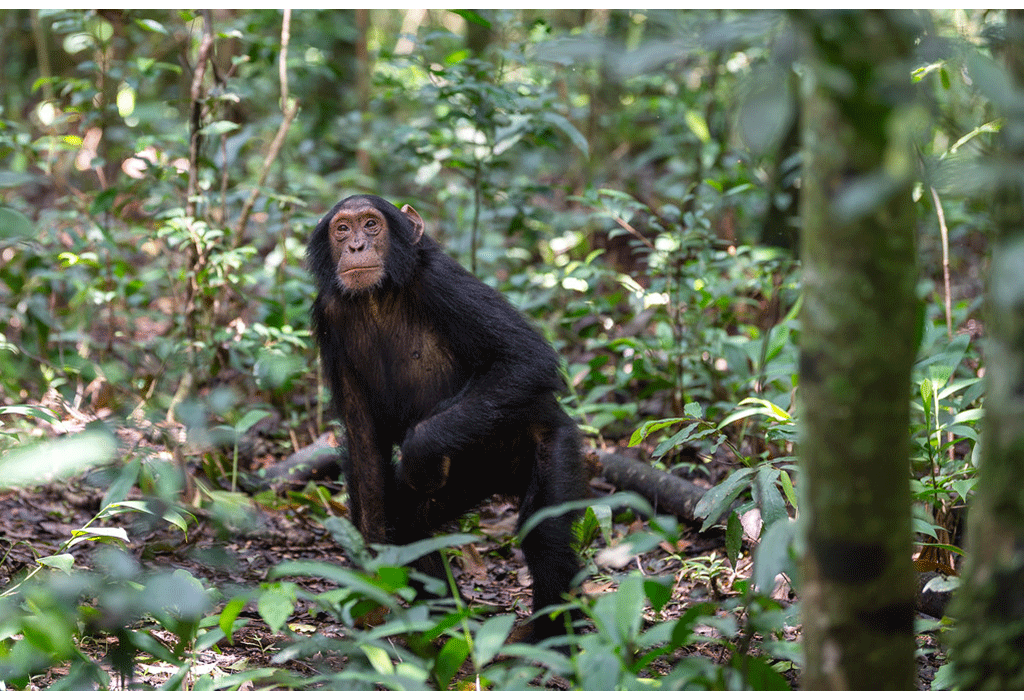
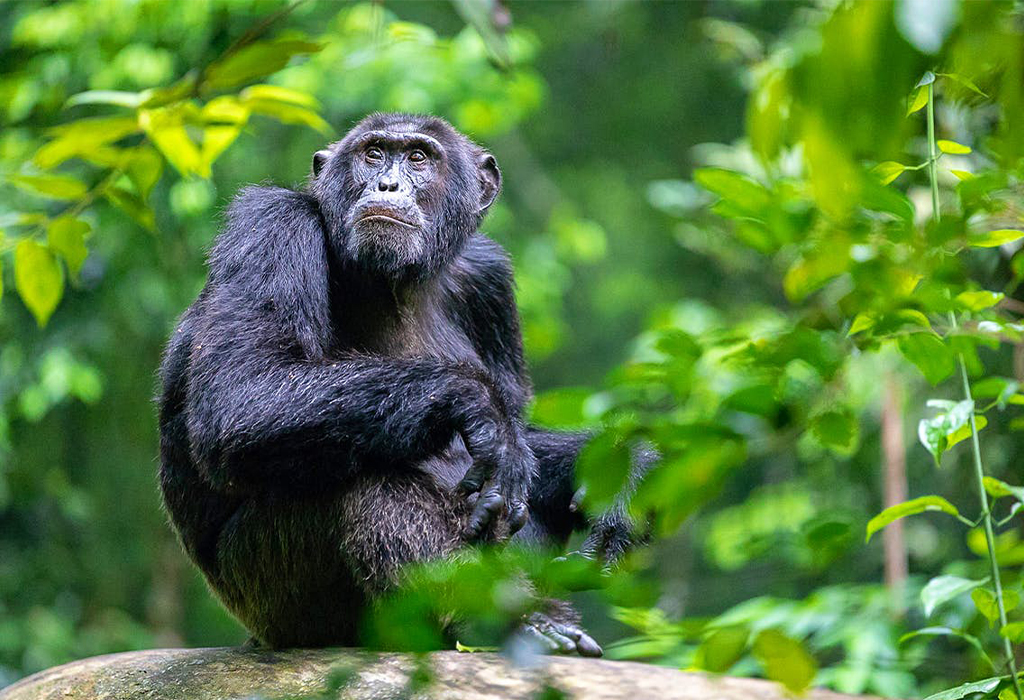
Chimpanzees are our closest cousins in the animal kingdom, sharing behaviors and traits that mirror our own due to their remarkable genetic similarity. However, their journey has not always been smooth. Before the 1990s, many chimpanzees were captured for circuses, kept as pets, and forced into unnatural behaviors. Conservation efforts eventually intervened, putting an end to the trafficking of wild animals without proper documentation. Today, these magnificent primates are protected, and seeing them in their natural habitat requires careful planning.
In Uganda, Kibale National Park is the largest home for habituated chimpanzees, not only in Uganda but across Africa. Other notable chimpanzee destinations include Kaniyo Pabidi Forest in Murchison Falls National Park, Kyambura Gorge in Queen Elizabeth National Park, Ngamba Chimpanzee Sanctuary, Kalinzu Forest, and Toro Wildlife Reserve in Semliki. In Rwanda, chimpanzee trekking happens in Nyungwe National Park, where two communities of chimpanzees are still under habituation. The nearby Cyamudondo sector also offers opportunities to observe these incredible animals.
Even with a chimpanzee trekking permit in hand, several factors may prevent you from meeting these forest dwellers.
Securing a Chimpanzee Trekking Permit
A valid chimpanzee trekking permit is essential for your chosen date and location. Without it, you cannot join a trek. Experiya Tour Company ensures that all permits are arranged for every member of your travel group. In Uganda, permits for Kibale National Park cost $250 per person, Kyambura Gorge $100, and Toro Semliki Wildlife Reserve $30. In Rwanda, Nyungwe National Park chimpanzee permits are $100 per person. Remember, permits are location-specific, so confirming the correct one in advance is crucial.
Health and Wellbeing Considerations
Chimpanzees are highly sensitive to human illnesses, which can spread rapidly and endanger entire communities. If you feel unwell or develop signs of illness before the trek, you may be asked to stay behind for the safety of these endangered animals. Volunteering to do so protects the chimpanzees and ensures that your adventure does not inadvertently harm them.
Age Restrictions
Chimpanzee trekking requires physical endurance, and children under 15 may struggle with the conditions in the forest. Even if a permit is purchased for a younger child, they may be denied entry to avoid disturbing the chimpanzees. Forest insects and other environmental factors can be challenging, and loud noises from excited children may frighten the chimpanzees, causing them to retreat.
Experiya Tour Company provides alternative activities for young explorers. In Kibale, children can enjoy educational forest walks, engage in creative games like pond dipping or cyanotype projects, and visit the Uganda Wildlife Education Center to observe chimpanzees in a safe, controlled environment.
The Importance of the Chimpanzee Trekking Briefing
Each chimpanzee trekking adventure begins with a briefing designed to prepare visitors for the forest experience. In Uganda, briefings take place at Kanyanchu Visitor Center in Kibale, while in Rwanda, they are held at Uwinka in Nyungwe National Park. Missing the briefing can disqualify you from joining the trek.
The briefing covers essential rules such as not spitting or smoking in front of the chimpanzees, avoiding feeding them, maintaining a safe distance, and minimizing noise. Following these guidelines ensures your safety and protects the chimpanzees’ natural behaviors.
Commitment to the Trek
Chimpanzee trekking requires punctuality and dedication. Failing to show up for your scheduled trek may forfeit your permit cost unless valid reasons with supporting evidence are presented to the authorities in advance. Experiya Tour Company helps coordinate these details to ensure that your plans run smoothly.
Following the Rules
Chimpanzee trekking is guided by strict regulations across Uganda and Rwanda. You must avoid littering, provoking the chimpanzees, or making unnecessary noise, as any disturbance can cause them to hide and disrupt the experience for others. Staying close to your ranger guide, keeping a safe distance, and respecting the forest ecosystem are all essential to a successful trek.
Safety in the Forest
The forest can be unpredictable. Slips, falls, or injuries may prevent you from completing the trek. Always follow your guide’s instructions, wear appropriate gear, and walk carefully to maximize your chances of witnessing chimpanzees in their natural habitat.
Payment and Confirmation
Even if you arrive at the trekking site, failing to provide proof of payment for your chimpanzee permit can result in denied access. Experiya Tour Company recommends carrying receipts or confirmations to avoid last-minute issues and ensure a smooth start to your adventure.
Respecting Wildlife
Avoid flash photography, eating near the chimpanzees, and any action that may provoke or distress them. Your guide will provide clear instructions to help you navigate the forest safely and responsibly. By respecting these rules, you play a direct role in conserving these extraordinary animals for future generations.
Seeing chimpanzees in Uganda or Rwanda is an unforgettable experience, but it requires preparation, patience, and respect for these remarkable creatures. By following the rules, maintaining good health, and preparing your permits and gear in advance, Experiya Tour Company ensures that your chimpanzee trekking adventure is both safe and deeply rewarding.