
Best Activities to Do in Bwindi During October
April 11, 2026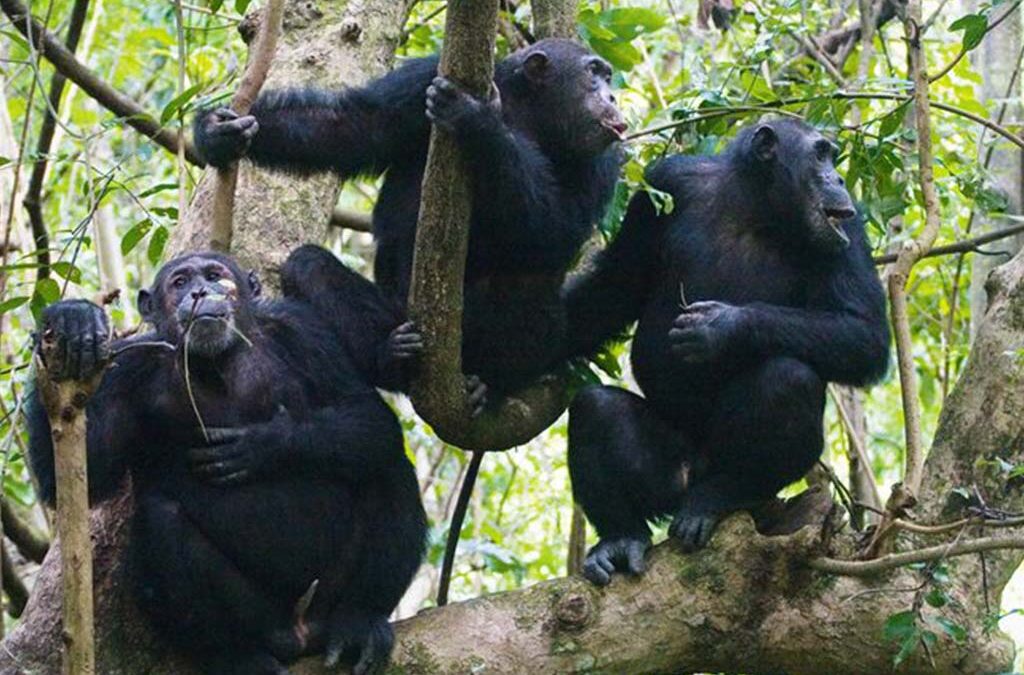
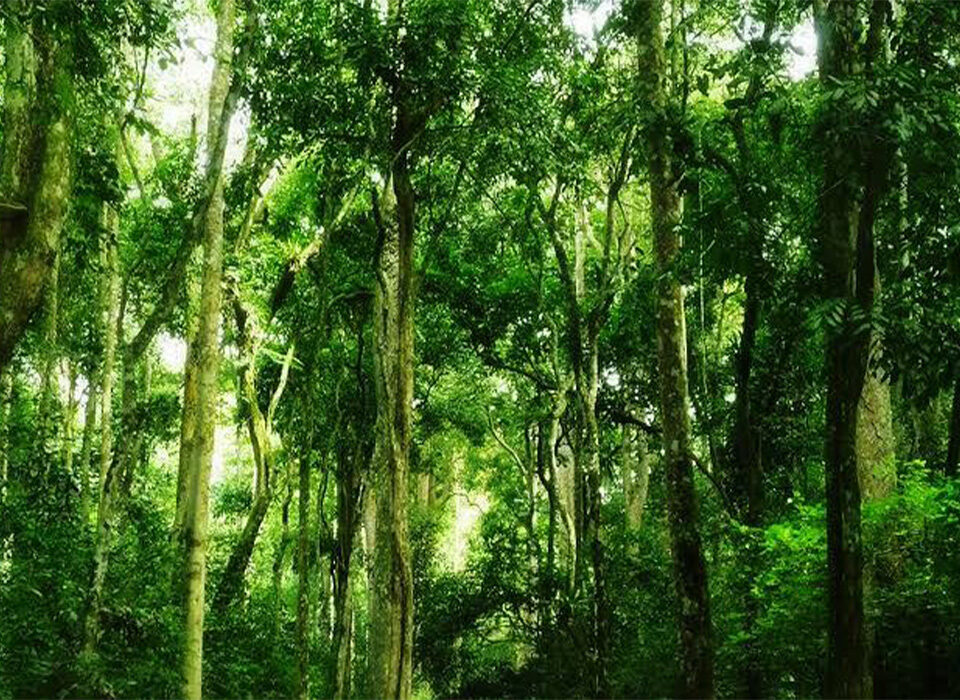
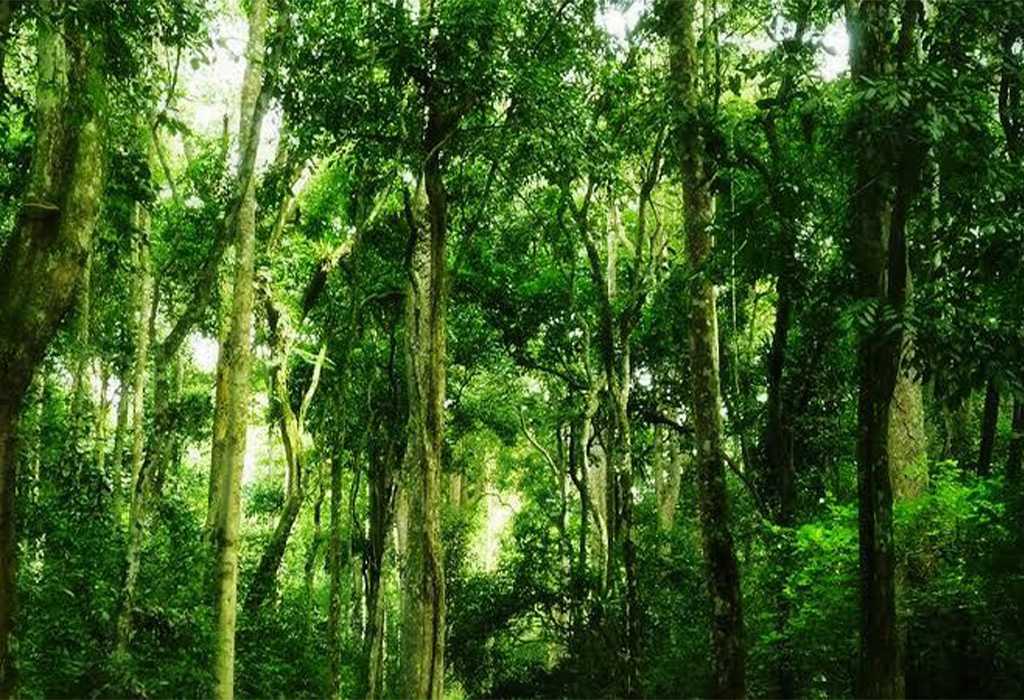
Kibale National Park stands out because of its rare blend of rich biodiversity, strong conservation practices, and unforgettable primate encounters. Located in western Uganda, this 795-square-kilometer tropical rainforest is widely regarded as Africa’s leading destination for primate lovers and researchers.
What truly sets Kibale apart is its extraordinary concentration of primates, combined with one of East Africa’s last remaining stretches of both lowland and montane forest. This unique ecosystem supports endangered species, fuels scientific discovery, and creates meaningful ecotourism experiences. Through responsible tourism promoted by Experiya Tour Company, visitors not only enjoy close wildlife encounters but also contribute to conservation and community development.
The Primate Capital of the World
Kibale has earned the title “Primate Capital of the World” for good reason. Nowhere else in Africa hosts such a high diversity and density of primates within a single protected area. The park is home to thirteen primate species, making every forest walk feel like a journey through a living laboratory of wildlife behavior.
At the heart of this ecosystem are chimpanzees. Kibale protects Uganda’s largest population, with over 1,500 individuals living in multiple communities across the forest. Each group displays unique social behaviors and communication patterns, offering researchers valuable insights into primate evolution.
What makes the experience even more special is the success of chimpanzee habituation. Over the years, conservationists have carefully trained several groups to tolerate human presence. As a result, visitors enjoy a high chance—often over 90%—of encountering chimpanzees in their natural habitat.
In addition, Kibale shelters rare and endemic species such as the Uganda mangabey and the endangered red colobus monkey. These species highlight the park’s global importance as a conservation stronghold.
Exceptional Chimpanzee Experiences
Kibale offers some of the most immersive chimpanzee encounters in Africa. The standard chimpanzee trekking experience takes visitors deep into the forest with expert guides who track habituated groups. Once located, you spend an unforgettable hour observing their daily lives—watching them feed, groom, play, and interact.
For a deeper connection, the Chimpanzee Habituation Experience allows you to spend an entire day with researchers and a semi-habituated group. From sunrise to sunset, you follow their movements, gaining rare insight into their behavior and the ongoing conservation work. This extended experience feels less like a tour and more like stepping into the world of chimpanzees.
Rich Biodiversity Beyond Primates
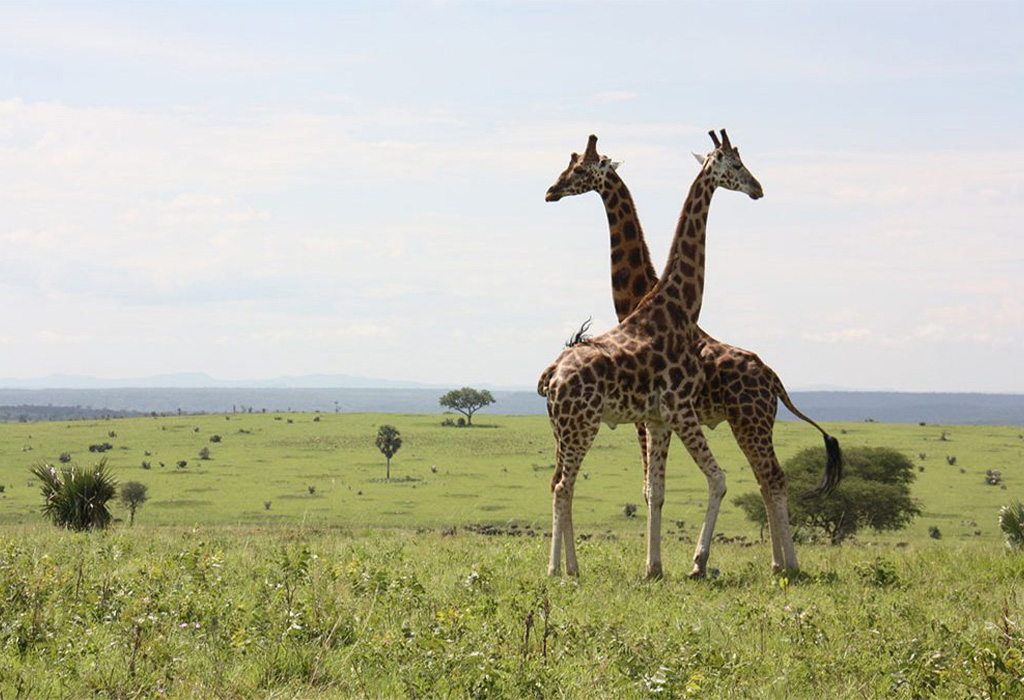
Although primates take center stage, Kibale’s biodiversity extends far beyond them. The park protects a thriving rainforest ecosystem that supports a wide range of wildlife.
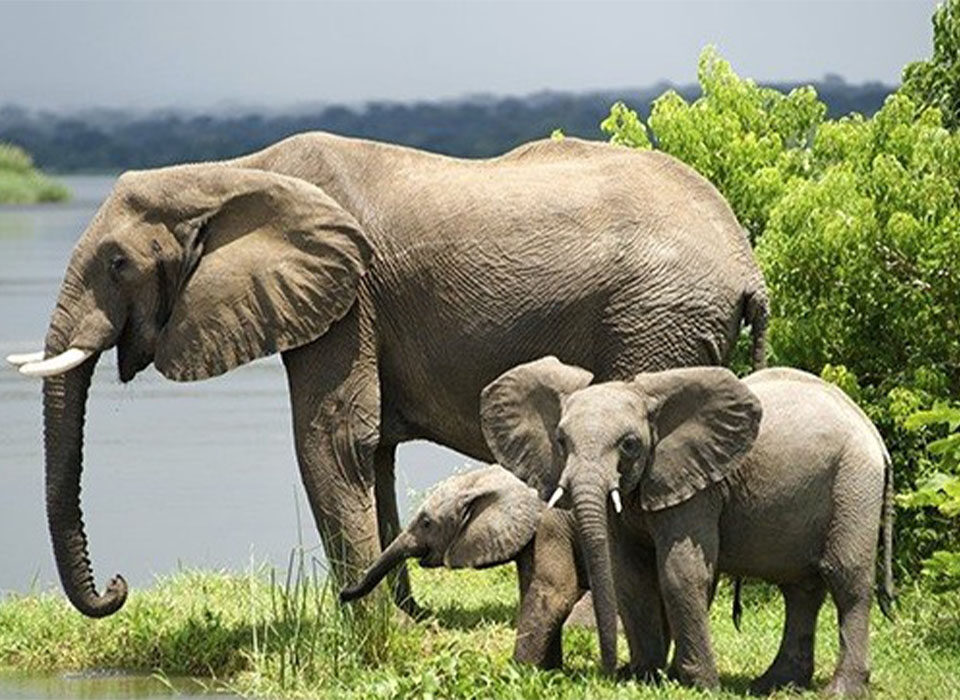
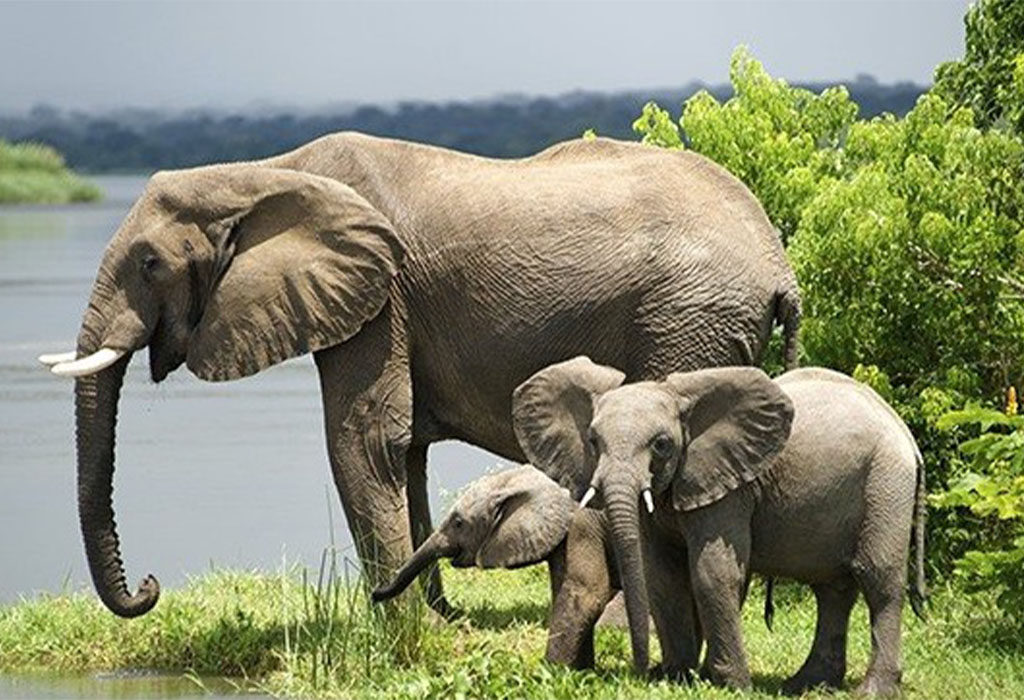
More than seventy mammal species roam the forest, including elephants, buffaloes, and several duiker species. These animals play a vital role in maintaining the ecological balance of the forest.
Birdlife is equally impressive. With over 370 recorded species, Kibale attracts birdwatchers from around the world. The park is especially important for Albertine Rift endemics, making it a key destination for anyone interested in rare and unique bird species.
As night falls, the forest reveals a different side. Guided night walks introduce visitors to nocturnal creatures such as bushbabies, pottos, and tree hyraxes. Their calls and movements create an entirely new atmosphere, adding another layer to the Kibale experience.
Community-Based Conservation Success
Kibale’s impact goes beyond wildlife conservation. It also supports surrounding communities through innovative, community-led initiatives. A standout example is the Bigodi Wetland Sanctuary, a project managed by local residents.
This sanctuary offers excellent wildlife viewing while generating income for the community. Visitors can spot primates, birds, and other wildlife while directly supporting local livelihoods. The revenue funds schools, healthcare, and infrastructure, creating a tangible link between tourism and development.
Through partnerships championed by Experiya Tour Company, Kibale demonstrates that conservation works best when local communities are actively involved. This approach ensures that both people and wildlife thrive together, securing the park’s future for generations to come.