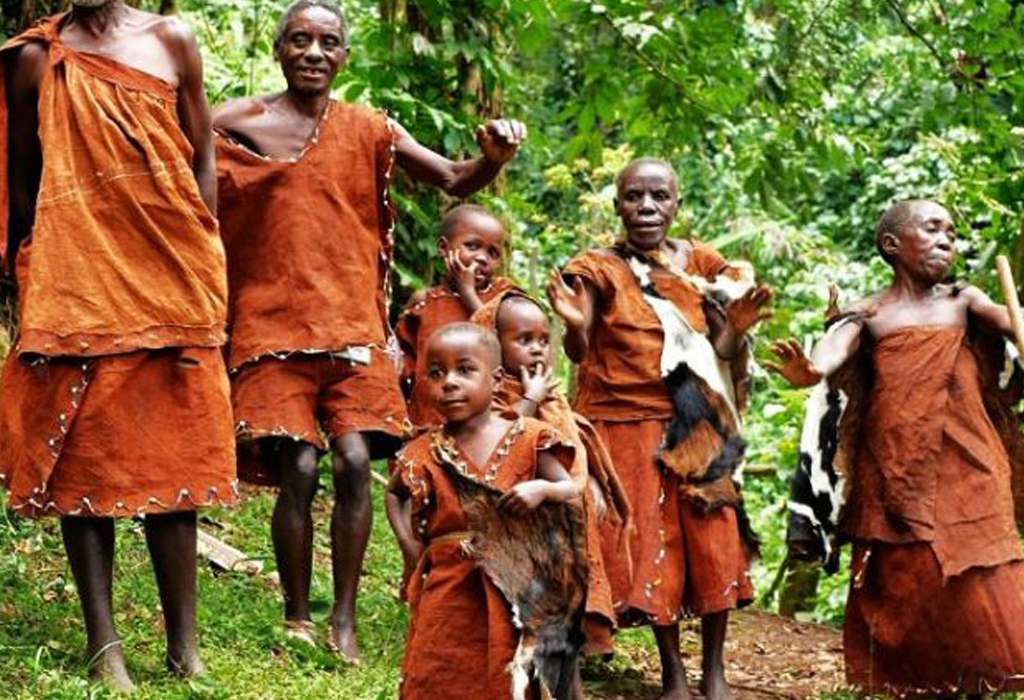
Things to Do in Ruhija After Gorilla Trekking
August 21, 2025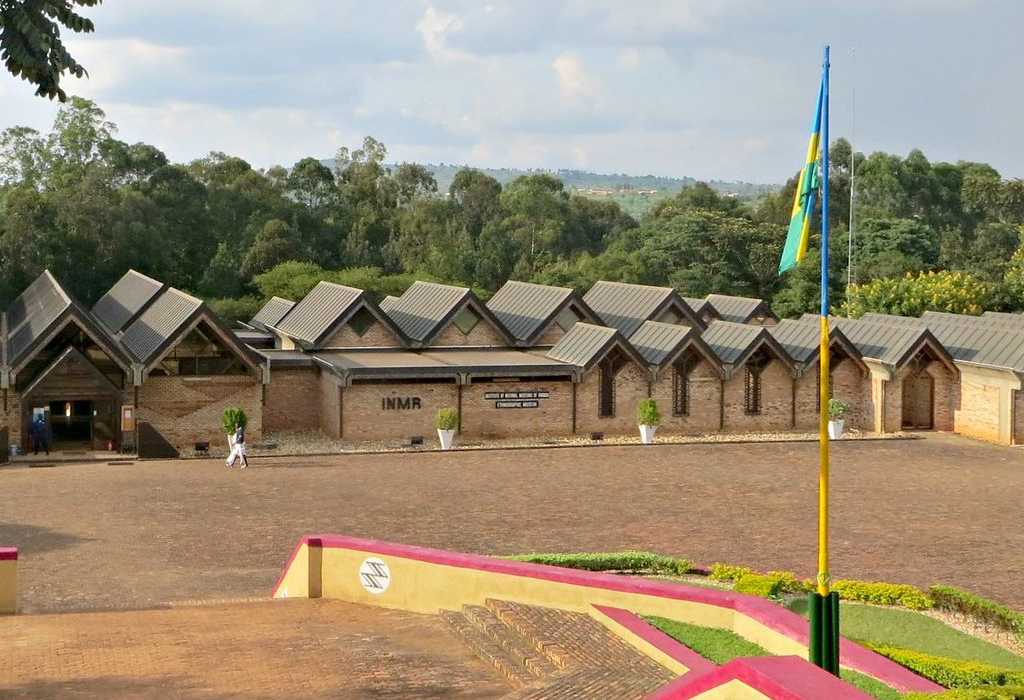
The Ethnographic Museum – Preserving Rwanda’s Cultural Heritage
August 21, 2025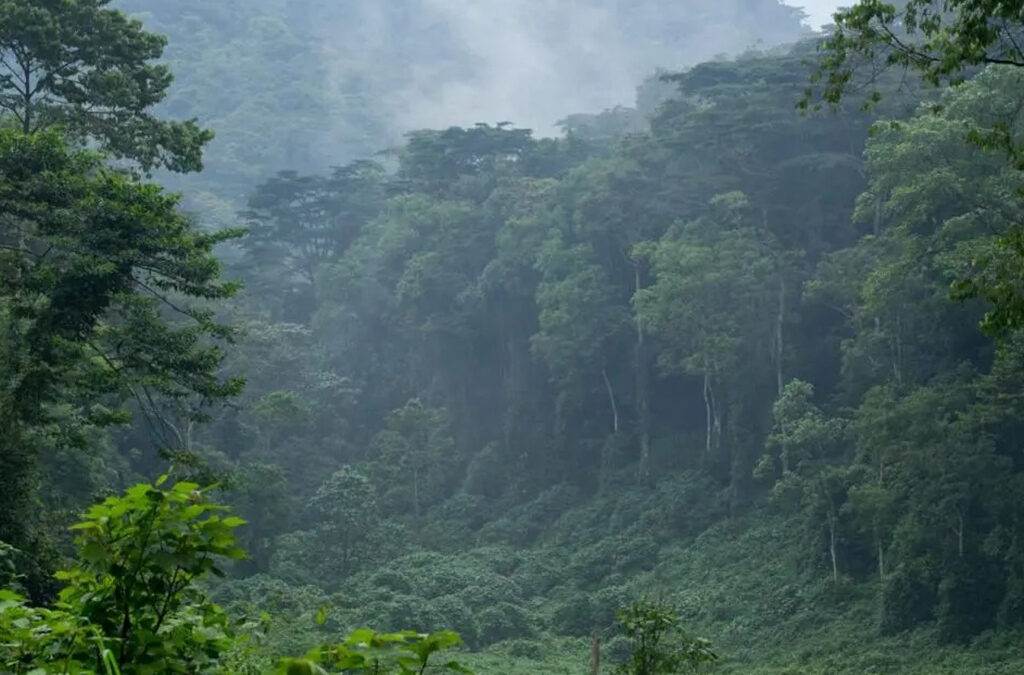
What is the Temperature for Gorilla Trekking in Uganda?
Gorilla trekking in Uganda is one of the most sought-after wildlife adventures in the world. Hiking through the misty rainforests of Bwindi Impenetrable Forest and Mgahinga Gorilla National Park gives visitors a rare chance to observe endangered mountain gorillas in their natural habitat. However, before embarking on this once-in-a-lifetime experience, it is essential to understand the temperature and weather conditions of the region. This guide by Experiya Tour Company Ltd. explains the temperatures you can expect during gorilla trekking in Uganda, the best seasons to visit, and how to prepare for the changing weather.
Understanding Uganda’s Climate and Geography
Uganda sits astride the equator, giving it a tropical climate. Yet, its diverse topography creates varying weather conditions. The southwestern region, where gorilla trekking takes place, lies in the highlands. Both Bwindi Impenetrable Forest and Mgahinga Gorilla National Park stand at altitudes ranging from 1,160 meters (3,800 feet) to 2,607 meters (8,550 feet) above sea level.
Because of this high altitude, the trekking areas are much cooler compared to Uganda’s lowland regions. The cooler climate provides a perfect environment for mountain gorillas while also making the trek more comfortable for visitors.
Average Temperatures During Gorilla Trekking
Temperatures in gorilla trekking regions remain relatively mild throughout the year. However, conditions vary depending on the time of day, season, and altitude. Expect cool, humid weather as you move through thick forest vegetation.
Daytime Temperatures
During the day, temperatures usually range between 15°C and 22°C (59°F to 72°F). This cool climate is ideal for trekking, as it prevents overheating during long hikes. The dense canopy, mist, and humidity often make the air feel cooler than the actual readings, especially at higher elevations.
Early Morning and Evening Temperatures
Treks typically begin in the early morning when temperatures are at their lowest. Expect readings between 10°C and 15°C (50°F to 59°F), often accompanied by mist and fog. These damp conditions can make it feel colder than it really is.
Evenings and nights are also chilly, with temperatures dropping further to 7°C–12°C (45°F–54°F). While not freezing, the drop feels significant after a day in the forest. Warm clothing becomes essential once you are out of the trail.
Seasonal Temperature Variations
Uganda experiences two main rainy seasons: March to May (long rains) and October to November (short rains). The dry seasons run from June to September and December to February. While temperatures don’t change drastically between these periods, rainfall and trail conditions do.
Dry Season (June–September & December–February)
The dry season is the best time for gorilla trekking. Daytime temperatures range between 20°C and 25°C (68°F to 77°F). Mornings remain cool, but conditions are generally drier, making trails easier to navigate. Clear skies improve visibility, and wildlife sightings are more rewarding.
Rainy Season (March–May & October–November)
In the rainy season, daytime temperatures stay within 15°C–22°C (59°F–72°F). However, heavy rain, mist, and muddy trails make trekking more challenging. The forest becomes lush and beautiful, offering fewer crowds and a more serene experience. If you trek during these months, prepare for slippery trails and frequent showers.
The Role of Altitude
Altitude significantly affects temperature in Bwindi and Mgahinga. As you climb higher, the air becomes cooler and mistier. Regions like Ruhija and Nkuringo, located at higher elevations, are noticeably colder, especially in the mornings and evenings. This means you should always prepare for temperature drops even when the day begins warm.
What to Wear for Gorilla Trekking
To enjoy your trek fully, you must pack and dress appropriately for the cool and unpredictable conditions:
- Layered Clothing: Start with a moisture-wicking base layer, add a fleece or jacket for insulation, and finish with a waterproof outer layer.
- Warm Jacket or Fleece: Essential for chilly mornings and evenings.
- Waterproof Hiking Boots: Provide grip and ankle support on muddy, uneven trails.
- Rain Gear: A rain jacket, poncho, or waterproof pants will protect you in case of sudden showers.
- Gloves and Hat: Gloves keep hands warm in misty conditions, while a hat shields from both sun and rain.
Conclusion
Gorilla trekking in Uganda is a breathtaking experience, but preparing for the temperature and weather conditions makes the journey more enjoyable. Daytime temperatures range between 15°C and 22°C (59°F–72°F), while mornings and evenings are significantly cooler.
The dry season (June–September and December–February) offers the most comfortable conditions, though the rainy season provides its own unique charm with lush greenery and fewer visitors. By packing in layers, bringing waterproof gear, and preparing for altitude variations, you can trek comfortably and focus on the magical encounter with mountain gorillas in Uganda’s misty forests.
Popular Tour Packages
- 2 Days Bwindi Gorilla Trek
- 2 Days Golden Monkey Trekking in Rwanda
- 3 Days Rwanda Gorilla Tour and Golden Monkeys
- 3 Days Lake Bunyonyi and Gorilla Trekking
- 3 Days Masai Mara National Reserve Safari
- 4 Days Queen Elizabeth Safari
- 5 Days Murchison Falls Safari
- 5 Days Uganda Primates Safari
- 6 Days in Kibale, Bwindi and Murchison Falls