
Birdwatching Highlights in Nkuringo Sector, Bwindi Impenetrable National Park
January 19, 2026
Experience Gorilla Trekking with Experiya Tour Company
January 20, 2026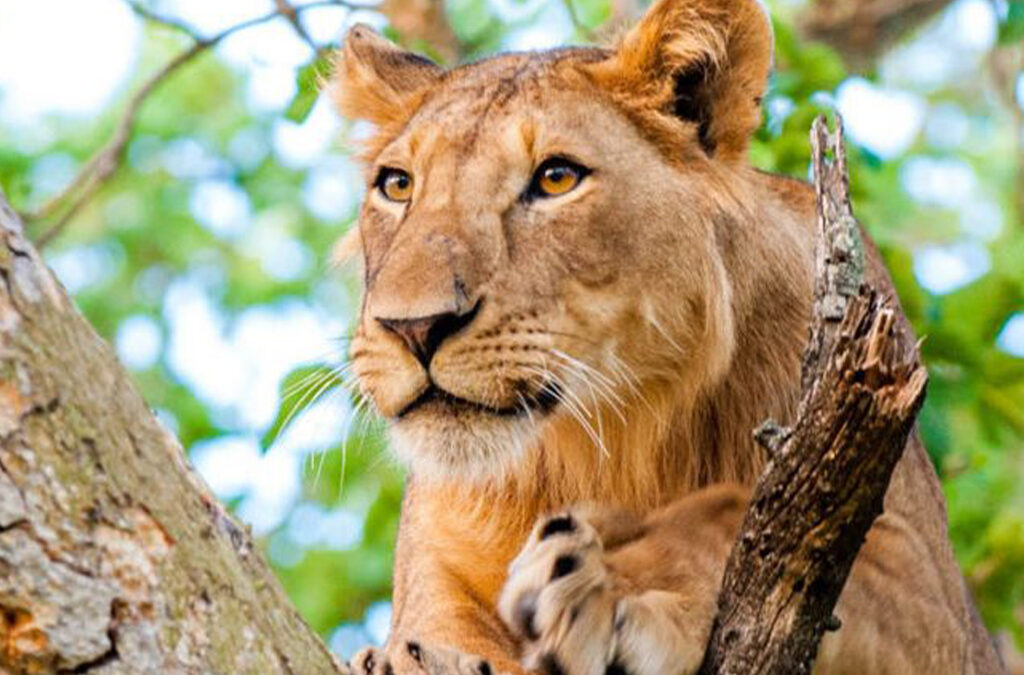
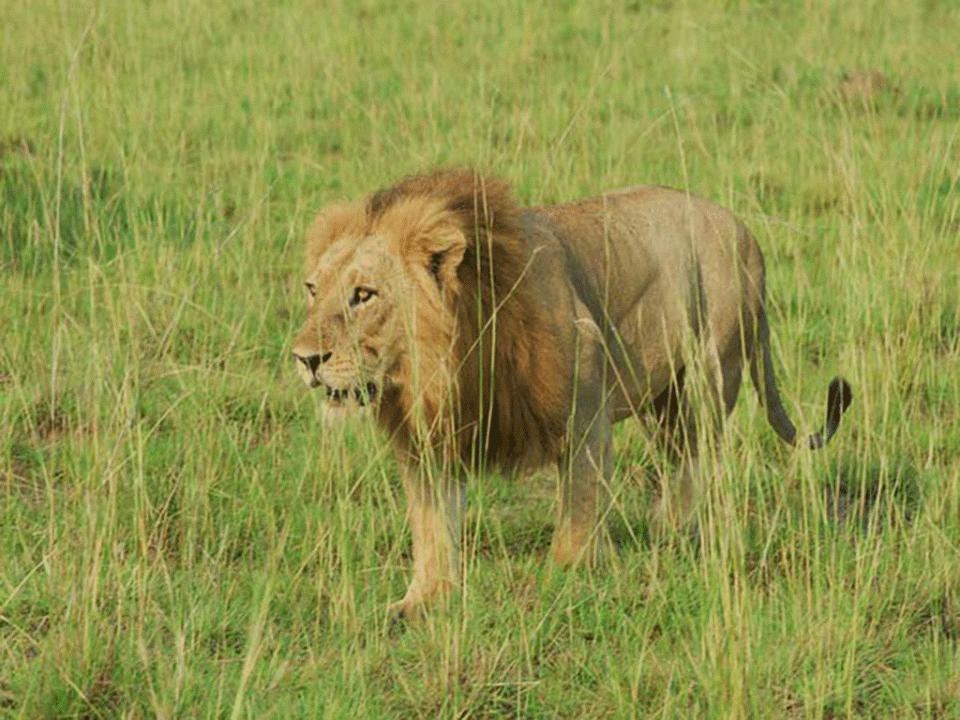
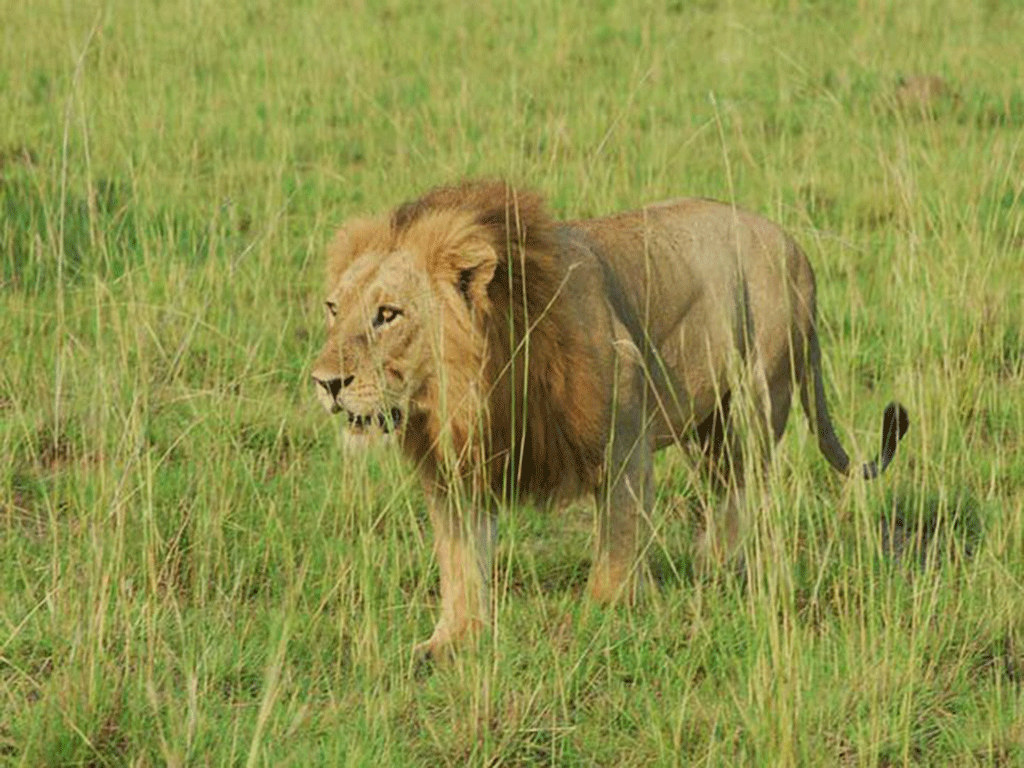
Embarking on a safari adventure in Uganda offers an incredible opportunity to encounter majestic lions roaming across diverse and dramatic landscapes. However, timing plays a vital role in determining the quality of your sightings. So, when exactly is the best time to see lions in Uganda?
By understanding Uganda’s seasons, wildlife patterns, and park dynamics, you can plan a safari that delivers unforgettable lion encounters.
Understanding Uganda’s Climate
To begin with, Uganda enjoys an equatorial climate characterized by two main seasons: the dry season and the wet season. These seasons strongly influence animal movement, vegetation density, and overall visibility during game drives. Therefore, understanding these climate patterns is essential when planning a successful lion-watching safari.
The Dry Season Advantage
The dry season generally runs from June to September and December to February. During this time, reduced rainfall leads to shorter vegetation, making it easier to spot lions resting under trees or moving across open plains.
Moreover, animals tend to gather around limited water sources, increasing the chances of predator-prey interactions. However, the dry season also brings higher temperatures and occasional water scarcity, which can affect animal movement patterns. Despite these challenges, many travelers consider this season ideal for wildlife viewing due to excellent visibility.
Wildlife Abundance in the Wet Season
In contrast, the wet season occurs from March to May and October to November. During this period, rainfall transforms the landscape into lush greenery, creating stunning scenery and abundant grazing grounds for herbivores.
As a result, prey species multiply, indirectly supporting healthy lion populations. Although thick vegetation can sometimes reduce visibility, the wet season offers dramatic photography opportunities and fewer crowds, making it appealing to travelers seeking a quieter safari experience.
Prime Time for Lion Sightings
Notably, the transition period between the dry and wet seasons, particularly October and November, often delivers the best lion sightings. During this time, vegetation remains manageable, water sources become more available, and wildlife activity increases.
Consequently, lions roam more frequently as prey disperses across the landscape. This balance of accessibility and abundance creates ideal conditions for memorable encounters.
The Magic of Lion Mating Season
Adding to the excitement, lion mating season often peaks during the dry months. During this time, lions become more vocal, active, and social. You may witness territorial displays, playful interactions, and dramatic confrontations.
For photographers and wildlife enthusiasts, this period offers rare opportunities to observe authentic lion behavior in action.
Choosing the Right National Parks
Equally important is selecting the right destination. Uganda hosts lions in several protected areas, but Queen Elizabeth National Park and Murchison Falls National Park stand out for their healthy and visible lion populations.
In particular, the tree-climbing lions of the Ishasha sector provide a unique and iconic sight that few destinations in Africa can offer.
The Role of Conservation Efforts
Thanks to ongoing conservation initiatives and responsible tourism, Uganda’s lion populations continue to recover and thrive. These efforts protect critical habitats while promoting coexistence between wildlife and local communities.
By visiting national parks responsibly, travelers actively contribute to the long-term survival of lions and the preservation of Uganda’s natural heritage.
Why Guided Safaris Matter
Furthermore, guided safari experiences significantly enhance lion sightings. Experienced local guides understand lion behavior, track fresh signs, and know the best times and locations for encounters.
Their expertise not only increases your chances of sightings but also enriches your understanding of the ecosystem as a whole.
The Importance of Accommodation Choices
In addition, choosing accommodation close to prime lion habitats can make a noticeable difference. Lodges and camps located within or near wildlife corridors allow early-morning and late-afternoon game drives when lions are most active.
This strategic positioning maximizes time in the field and improves overall safari success.
A Roar That Lives in Your Memory
Ultimately, the best time to see lions in Uganda is not defined by a single season but by a moment when golden light meets powerful silhouettes, and a distant roar echoes across the savannah.
Whether you visit during the dry season’s drama or the wet season’s lush beauty, these encounters leave lasting impressions that stay with you long after the journey ends.
Conclusion: Timeless Encounters in the Heart of Uganda
In conclusion, synchronizing your safari with Uganda’s seasonal rhythms allows lion encounters to transcend simple observation. Instead, they become timeless experiences etched into the heart of this extraordinary landscape.
With the right timing, location, and guidance, Uganda offers some of the most rewarding lion sightings in East Africa moments that will forever echo with the power of the wild.