
Gorilla Trekking Day Trips in Uganda
April 2, 2026
Where to Do Primate Trekking Safaris in Uganda
April 2, 2026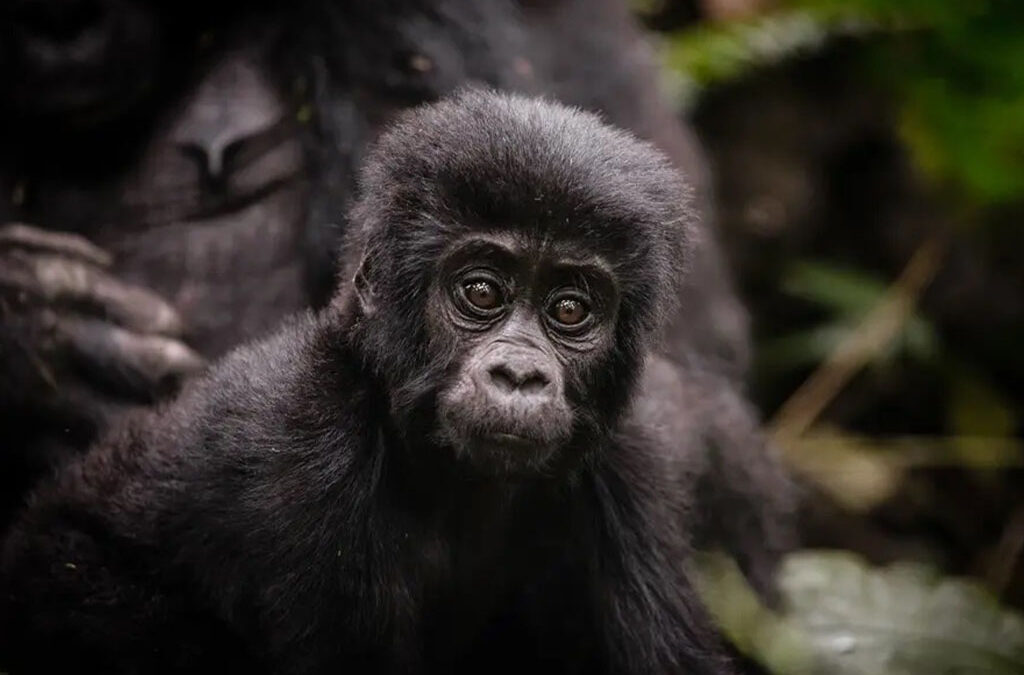
Gorilla trekking is a guided hiking adventure through dense tropical rainforests in East and Central Africa, where you observe endangered, habituated gorillas in their natural habitat. It stands among the world’s most extraordinary wildlife experiences, offering a rare and deeply moving connection with primates that share about 98% of human DNA.
As you move through misty forests and rugged terrain, the journey blends physical challenge with emotional reward. Ultimately, you spend a precious hour in the presence of these magnificent creatures. Beyond the unforgettable memories, gorilla trekking plays a vital role in conservation protecting endangered species while supporting local communities who safeguard these forests.
The Gorilla Trekking Experience
Where to Go Gorilla Trekking
Gorilla trekking takes place in only a few select destinations, each offering something unique.
In Uganda, you can explore two remarkable parks. Bwindi Impenetrable National Park hosts nearly half of the world’s remaining mountain gorillas and features multiple trekking sectors. Meanwhile, Mgahinga Gorilla National Park, though smaller, offers a more intimate experience within the scenic Virunga Massif.
In Rwanda, Volcanoes National Park provides one of the most accessible trekking experiences. Because of shorter hiking distances and excellent infrastructure, it is ideal if you have limited time or prefer a less physically demanding trek.
For a more adventurous option, the Democratic Republic of Congo offers trekking in Virunga National Park (for mountain gorillas) and Kahuzi-Biega National Park, one of the few places to see the larger Eastern Lowland gorillas.
The Trekking Process
Your day begins early with a detailed briefing from experienced park rangers. They explain trekking rules, safety guidelines, and what you can expect during the encounter.
Next, skilled guides and trackers lead you into the forest. They rely on advanced tracking methods, including communication with scouts who monitor gorilla movements. As a result, your group can locate a specific habituated family more efficiently.
However, gorilla trekking can be physically demanding. You will hike through steep, muddy trails at altitudes ranging from 2,400 to 4,000 meters. Depending on the gorillas’ location, the trek may last anywhere from 30 minutes to several hours. This unpredictability adds a sense of adventure no two treks are ever the same.
The Magical Encounter
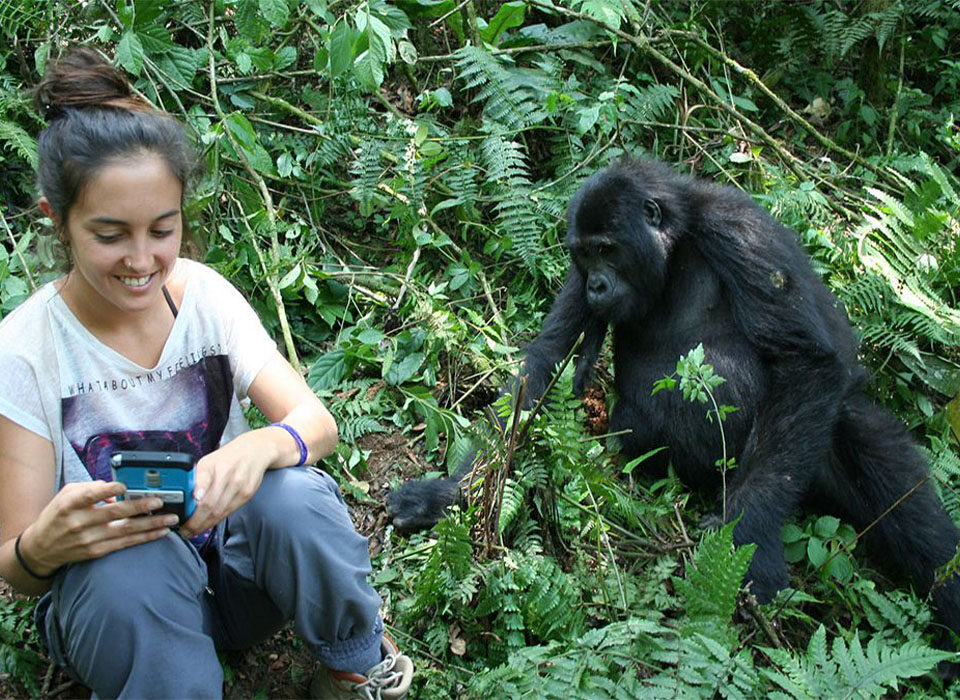
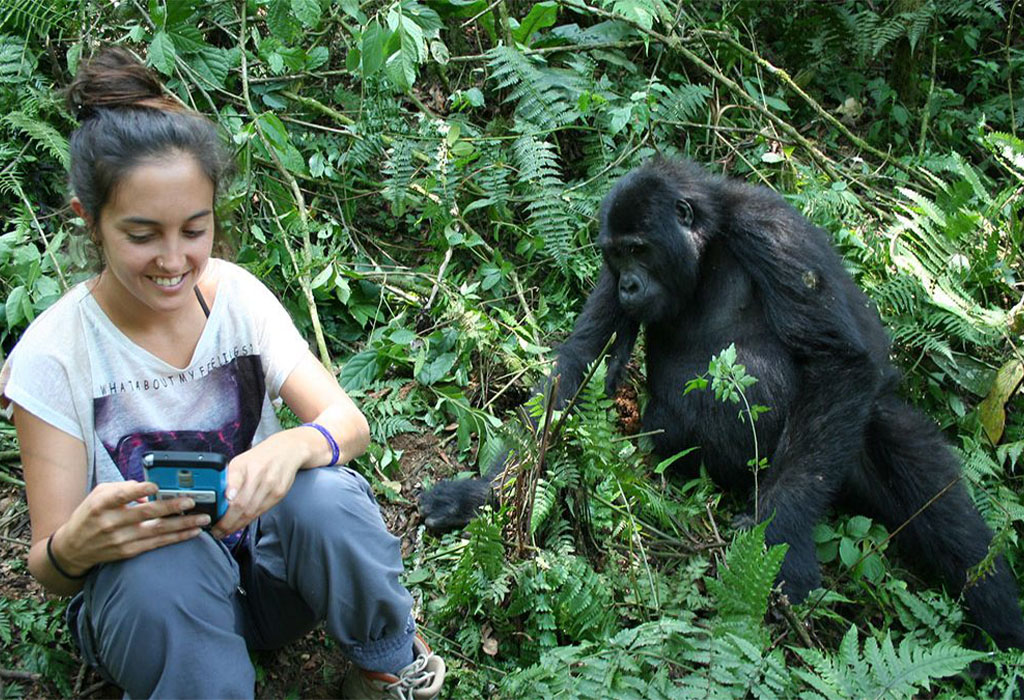
Once you find the gorillas, the experience becomes truly unforgettable. Small groups limited to eight visitors spend one hour observing them from a safe distance of about 7 to 10 meters.
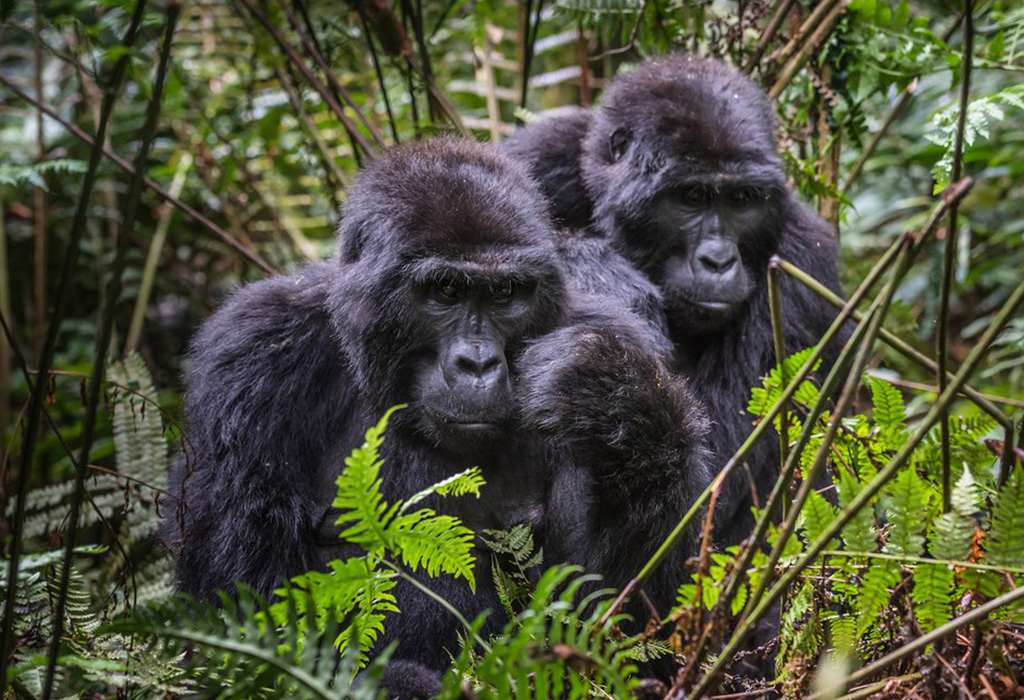
During this time, you witness remarkable behaviors and social interactions. For instance, a powerful silverback may assert his authority while calmly watching over the group. At the same time, mothers gently care for their infants, and juveniles play energetically, often resembling human children.
Meanwhile, the gorillas feed, communicate through vocalizations and gestures, and continue their daily routines often appearing peacefully indifferent to your presence. You may take photos (without flash), although many visitors find themselves simply absorbed in the moment.
Essential Rules and Guidelines
To protect both gorillas and visitors, strict rules apply throughout the trek.
- Always maintain a minimum distance of 7 meters
- Avoid flash photography at all times
- Speak quietly and move slowly
- Do not eat, drink, or smoke near the gorillas
Additionally, only individuals aged 15 and above may participate. Most importantly, anyone with symptoms of illness such as a cold or flu will not be allowed to trek. Since gorillas are highly susceptible to human diseases, even minor infections can be dangerous to them.
Planning Your Gorilla Trek
Best Time to Visit
You can go gorilla trekking all year round. However, the dry seasons from June to September and December to February offer easier hiking conditions with less mud.
That said, rainforest weather remains unpredictable. Even during dry months, rain is common. On the other hand, the wetter seasons bring fewer crowds, lush scenery, and sometimes lower accommodation rates, though trails can be more challenging.
Permits and Booking
You must secure a gorilla trekking permit in advance. Because only eight visitors can visit each gorilla family per day, permits sell out quickly especially in peak seasons.
Permit costs vary by country:
- Rwanda: approximately $1,500
- Uganda: approximately $800
- DR Congo: approximately $400
For a seamless experience, Experiya Tour Company can help you secure permits, arrange accommodation, and organize your entire safari itinerary.
Equipment and Preparation
Proper preparation makes a significant difference in your trekking experience. Be sure to bring:
- Sturdy, waterproof hiking boots
- Long-sleeved shirts and trousers
- A reliable rain jacket
- Garden gloves for support on steep trails
- Insect repellent, sunscreen, and a hat
Additionally, hiring a porter is highly recommended. Not only do they assist with carrying your gear and navigating difficult terrain, but they also provide essential income to local communities.
Conservation and Ethical Impact
Gorilla trekking is more than an adventure it is a powerful conservation tool. The revenue generated from permits directly supports anti-poaching efforts, habitat protection, veterinary care, and ongoing research.
Moreover, tourism creates jobs for local communities, including guides, trackers, porters, and lodge staff. As a result, communities gain strong economic incentives to protect gorillas and their habitats.
Through responsible tourism, gorillas are no longer seen as a threat but as a valuable and protected resource. In this way, every trek contributes to the survival of these incredible primates.
A Journey That Matters
In the end, gorilla trekking is not just about seeing wildlife it is about connection, conservation, and impact. As you stand quietly in the presence of a gorilla family, you experience something rare and deeply human.
And with the guidance of Experiya Tour Company, your journey becomes more than a safari it becomes a meaningful contribution to preserving one of the planet’s most extraordinary species.