
Is Gorilla Trekking in Uganda Still Available for 2026/2027?
February 13, 2026
Adding a Safari in Queen Elizabeth National Park to a Gorilla Tour
February 13, 2026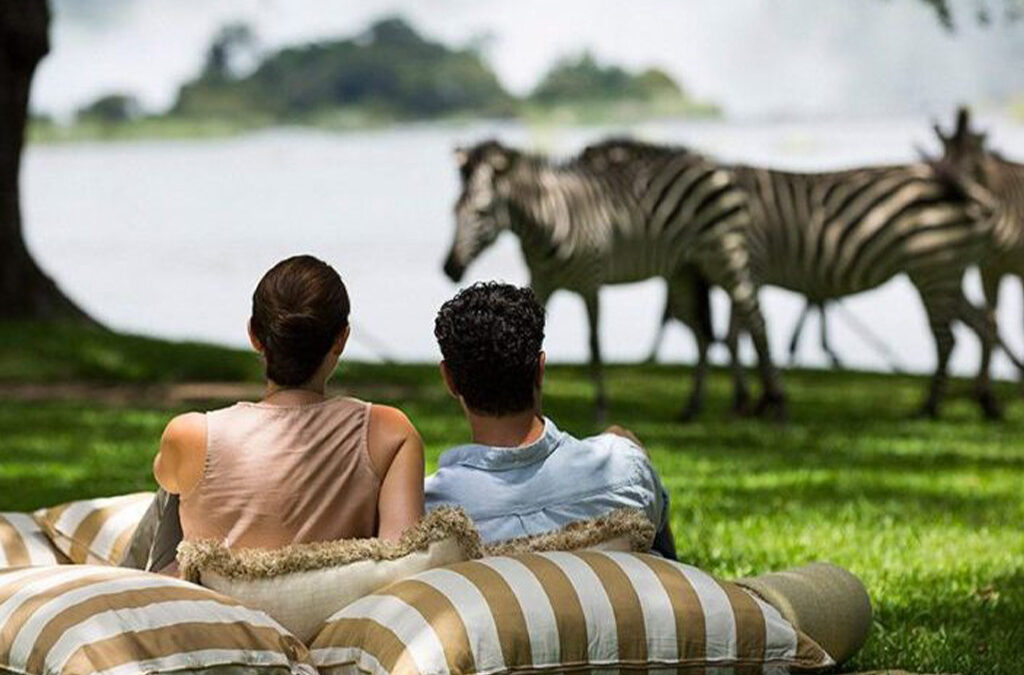
The term private safari appears everywhere in African travel marketing. However, in reality, it does not always mean the same thing. For travelers planning a safari in 2026, understanding what truly makes a safari private can be the difference between a crowded checklist trip and a deeply personal journey into the wild.
Today’s safari travelers want more than wildlife sightings. They want flexibility, authenticity, space, and meaningful connection. A true private safari delivers exactly that. In this updated guide, we explain what a private safari really means, what it includes, what it does not include, and why it has become the preferred way to experience East Africa.
The True Definition of a Private Safari
At its core, a private safari is designed exclusively around you and the people you choose to travel with. It is not simply a smaller group tour, and it is not just a more expensive package. Instead, it is a safari where every decision revolves around your interests, pace, comfort level, and expectations.
When you book a genuinely private safari, you travel only with your selected companions. You do not share your vehicle with strangers. You do not adjust your schedule to match other guests. You do not compromise on how long you spend at a wildlife sighting.
Most importantly, your itinerary is built specifically for you. Rather than following a rigid departure calendar, your safari flows according to your preferences. If you want to leave camp before sunrise, you can. If you prefer a relaxed breakfast and a late morning drive, that works too. This freedom transforms the safari experience from structured tourism into something deeply personal and immersive.
What a Private Safari Includes
Although details vary by destination and operator, a genuine private safari in East Africa consistently includes several key elements.
First and foremost, you receive a dedicated safari vehicle. From the moment your journey begins until it ends, that vehicle remains reserved exclusively for you. Because you are not sharing space, you enjoy greater comfort and flexibility. You can adjust departure times, spend extra time observing wildlife, or reposition the vehicle for better photography without negotiation or compromise. The experience feels calm and unhurried because it is.
In addition to a private vehicle, you travel with a dedicated professional guide. This aspect alone dramatically elevates the experience. When one guide focuses solely on you, the safari becomes far more than simple game viewing. Your guide interprets animal behavior, explains ecological relationships, and shares cultural and historical insights about the landscapes you explore.
Moreover, a private guide tailors each day according to your interests. If you love birding, the guide slows down and searches for endemic species. If photography excites you, the guide positions the vehicle thoughtfully and considers light, angles, and background. If you travel with children, the guide adapts explanations to keep them engaged. This level of personalization rarely happens in shared group settings.
Equally important, a private safari includes a custom-designed itinerary. Rather than selecting from a fixed package, you shape the journey from the beginning. You can request shorter travel distances between parks, prioritize specific wildlife experiences such as gorilla trekking or the Great Migration, choose accommodation styles that match your comfort level, and incorporate cultural visits or scenic stops along the way.
No two well-designed private safaris should look the same. Your journey reflects your personality, interests, and travel style.
What a Private Safari Is Not
Understanding what does not qualify as a private safari is just as important as knowing what it includes.
A safari does not truly qualify as private if you share game drives with guests you did not choose. It is also not fully private if vehicles rotate between different travelers during the trip. Similarly, if daily schedules remain fixed and non-negotiable, the experience lacks the flexibility that defines privacy.
Some operators market “semi-private” or “small group” safaris as private experiences. While these trips may offer comfort and quality service, they still rely on shared logistics. Wildlife viewing time often depends on group consensus, and departure times follow predetermined schedules.
Although small group safaris can be enjoyable, they do not provide the same level of autonomy. A true private safari gives you full control over how your days unfold.
Why Travelers Are Choosing Private Safaris in 2026
Travel priorities have evolved significantly over the past few years. In 2026, travelers consistently choose experiences that feel spacious, intentional, and meaningful. Private safaris align perfectly with these values.
First, travelers appreciate space and silence. East Africa’s vast landscapes already offer room to breathe, but a private safari enhances this sense of tranquility. Without the distraction of unfamiliar group members, you hear the wind moving across the savannah, the distant call of a fish eagle, or the subtle rustle of grass as antelope move cautiously nearby. These quiet moments often become the most memorable.
Second, private safaris support personal comfort. Families with children avoid the pressure of maintaining adult-focused schedules. Multi-generational groups travel at a pace that suits everyone. Older guests move comfortably without feeling rushed. Couples enjoy uninterrupted time together. The absence of group compromise reduces stress and increases enjoyment.
Furthermore, private safaris encourage meaningful wildlife encounters. Instead of rushing from one sighting to the next, you can observe behavior patiently. You might watch a lioness teach her cubs to stalk, observe elephants interacting at a waterhole, or wait for a leopard to descend from a tree at dusk. These extended moments create emotional connection rather than a simple checklist of species.
Finally, privacy provides peace of mind. Solo travelers appreciate the added safety and focused guidance. Honeymooners value discretion. Photographers value uninterrupted positioning. In every case, privacy enhances both comfort and depth of experience.
Who Benefits Most from a Private Safari?
While many travelers enjoy private safaris, certain groups benefit particularly strongly from this style of travel.
Couples and honeymooners value intimacy and flexibility. Without group distractions, they can shape romantic bush dinners, private sundowners, and relaxed mornings according to their preferences.
Families and multi-generational groups appreciate adaptability. Children may need rest breaks, while grandparents may prefer shorter drives. A private safari accommodates everyone smoothly.
Solo travelers gain confidence through dedicated guidance and personal attention. They enjoy focused interpretation and flexibility without feeling isolated.
Wildlife photographers thrive in private settings because they control positioning, timing, and patience at sightings. Instead of negotiating angles with strangers, they work seamlessly with their guide.
Second-time safari travelers often prefer private journeys because they want to explore deeper regions, avoid busier circuits, and focus on specialized interests.
In each case, privacy enhances both enjoyment and connection.
Why East Africa Is Ideal for Private Safaris
East Africa offers exceptional conditions for private safaris in 2026. The region’s vast landscapes naturally reduce crowding. National parks in Uganda, Kenya, Tanzania, and Rwanda provide expansive ecosystems with relatively low visitor density compared to many global wildlife destinations.
Moreover, East Africa boasts diverse experiences within manageable distances. You can combine savannah game drives in the Serengeti or Masai Mara with mountain gorilla trekking in Uganda or Rwanda. You can explore chimpanzee forests, volcanic highlands, soda lakes, and acacia-dotted plains within one carefully designed journey.
The region also benefits from highly experienced local guides who understand wildlife behavior intimately. When paired with private vehicles and flexible scheduling, their expertise becomes even more impactful.
Finally, East Africa offers a wide range of secluded lodges and tented camps. Many properties prioritize small guest numbers, enhancing the sense of exclusivity and tranquility that private travelers seek.
How Experiya Tour Company Designs Private Safaris
At Experiya Tour Company, privacy is intentional rather than incidental. The company does not treat “private” as a marketing label. Instead, it builds each safari from the ground up.
Every booking receives one dedicated vehicle and one professional guide for the entire journey. Routes are selected carefully, often prioritizing park sectors with lower vehicle traffic. Daily schedules remain flexible, allowing travelers to adjust plans according to weather, wildlife movement, or personal preference.
Accommodation selection also reflects individual expectations. Some guests prefer intimate luxury camps, while others prioritize eco-conscious lodges or family-friendly properties. Rather than applying a template, Experiya Tour Company designs each itinerary from scratch to reflect the traveler’s style and goals.
This thoughtful approach ensures that no two safaris feel identical. Each journey becomes a personal narrative rather than a standardized package.
Final Thoughts
A private safari in 2026 is not simply about luxury. Instead, it centers on freedom, focus, and authenticity. It allows you to move at your own pace, linger where it matters, and connect deeply with landscapes and wildlife.
As travel continues to shift toward meaningful and personalized experiences, private safaris stand out as the most immersive way to explore East Africa. When planned thoughtfully, a private safari becomes more than a journey. It becomes a memory shaped entirely around you, your curiosity, and your sense of wonder