

Why Choose an Akagera National Park Safari in Rwanda?
February 4, 2026
How Strong Is a Gorilla? Discover the Secrets of Silverback Gorillas
February 4, 2026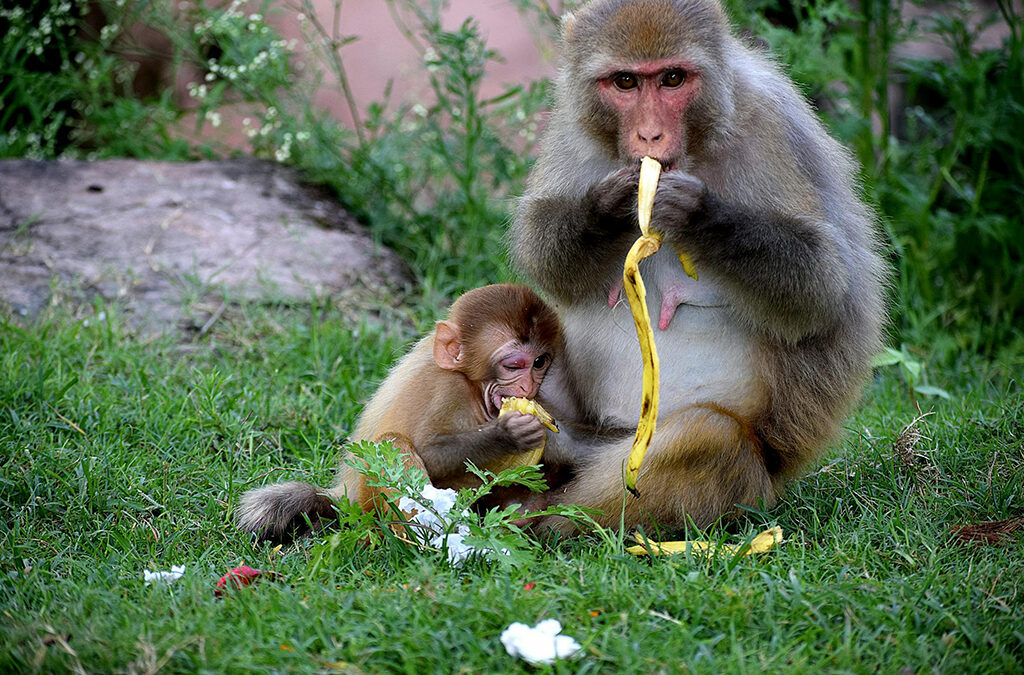
Whenever you visit a place with monkeys, the experience is instantly lively and entertaining. Whether at a zoo or out on safari, monkeys seem curious about people. They watch you closely, mimic movements, and communicate in their own cheeky ways. It’s easy to feel an instant connection.
Many people are tempted to offer them food, and monkeys will happily take it sometimes politely, and sometimes by boldly snatching it! However, while on safari, it’s important to understand what monkeys really eat and how to behave responsibly around them.
Although we often associate monkeys with bananas, that’s far from the full picture. Monkeys eat a wide variety of foods, including fruits, nuts, flowers, leaves, insects, and even small animals. Mangoes may be a favorite when available, but their diet is much more diverse. Knowing their feeding habits makes your safari experience not only more interesting but also safer and more meaningful.
Monkeys You’ll See in East Africa
Whether you are on safari in Rwanda, Kenya, Tanzania, or Uganda, you’re likely to encounter several monkey species. They live in forests, open plains, wetlands, and sometimes even near human settlements.
In East Africa, common species include vervet monkeys, olive baboons, blue monkeys, colobus monkeys, red-tailed monkeys, and patas monkeys in drier regions. Each of these species has slightly different feeding habits influenced by their habitat, social behavior, and seasonal food availability.
One of the reasons monkeys thrive across East Africa is their adaptability. They are skilled at eating whatever food is available in their environment, which helps them survive seasonal changes and varying conditions.
Are Monkeys Herbivores or Carnivores?
Monkeys don’t fit neatly into one category. They are omnivores, meaning they eat both plant-based and animal-based foods. The balance depends on the species and where they live.
Colobus monkeys mainly eat leaves, while baboons are famous for eating almost anything edible. Forest-dwelling monkeys tend to consume more fruits and insects because those foods are abundant there. In contrast, monkeys living in savanna areas often eat roots, seeds, and occasionally small animals.
This flexible “eat what’s available” diet is a key survival strategy, allowing monkeys to cope with droughts and seasonal food shortages.
Do Monkeys Eat Meat Regularly?
Not usually. For most monkey species, meat is only an occasional addition to their diet rather than a daily staple. Olive baboons, for example, may sometimes hunt cooperatively, but this happens rarely. When monkeys eat meat, it is usually opportunistic rather than a strong preference.
Their intelligence and adaptability allow them to take advantage of protein sources when they come across them.
Fruits Monkeys Love in the Wild
In the wild, monkeys eat fruits that grow naturally in their habitat. Bananas are actually not very common in untouched forests. Instead, figs are one of their most important food sources because fig trees produce fruit throughout the year.
Monkeys also eat wild berries, mangoes, papayas, and guavas when available. Fruits provide quick energy from natural sugars, along with water and essential vitamins. During dry seasons, juicy fruits can be especially valuable for hydration.
Interestingly, many monkey troops plan their movements around fruiting trees. If you see a group gathered in one spot, there’s a good chance a fruit tree is nearby.
Leaves as a Survival Food
Leaves are another important food source, although not all monkeys can digest them efficiently. Their digestive anatomy makes a big difference.
Leaf-eating species such as black-and-white colobus monkeys and Angolan colobus monkeys have complex, multi-chambered stomachs similar to cows. These specialized stomachs allow them to ferment tough leaves and extract nutrients.
When fruits are scarce, especially in certain seasons, these monkeys rely heavily on leaves. In places like Kibale Forest National Park and Bigodi Wetland Sanctuary, you can often see colobus monkeys calmly feeding high in the forest canopy.
Seeds and Nuts for Strength
Seeds and nuts are rich in protein and minerals. Baboons are especially skilled at eating tough foods like acacia pods, hard savanna seeds, palm nuts, and grass seeds. Their strong jaws and powerful molars help them crack open hard shells.
These foods are essential for growth, strength, and reproduction. As monkeys move and feed, they also help disperse seeds, playing an important role in maintaining healthy ecosystems.
Insects and Small Animals
Monkeys may look playful and carefree, but they are also clever hunters of small prey. Insects are a direct and valuable protein source.
They commonly eat ants, termites, beetles, grasshoppers, caterpillars, spiders, and other small creatures. Baboons sometimes go further, feeding on bird eggs, small reptiles, rodents, and nestlings.
This protein is especially important for pregnant females and growing young monkeys. So, if you see a monkey carefully picking through leaves, it may actually be searching for insects
Roots, Bark, and Survival Foods
During dry seasons, when fruits and insects are less available, monkeys turn to tougher survival foods. They dig for roots, tubers, bulbs, and even strip bark from trees. Some species also feed on gum and sap.
In semi-arid regions, patas monkeys are known for digging up underground foods, while baboons can dig quickly and efficiently. These fallback foods help them survive harsh conditions.
Monkeys and Human Food: A Dangerous Habit
Monkeys living near lodges or villages often learn to steal human food. They may grab bread, snacks, fruit, or leftovers right from your hands or bags.
Although this might seem funny, it is harmful. Human food usually lacks proper nutrition for monkeys and can lead to health problems. It also increases aggression and dependency on people. For these reasons, feeding monkeys is against safari rules and is discouraged for the safety of both humans and wildlife.
How Seasons Change Monkey Diets
Seasonal changes strongly affect what monkeys eat. In the wet season, fresh fruits, shoots, flowers, and insects are abundant, so monkeys focus on these foods. In the dry season, they rely more on leaves, seeds, bark, tree gum, and roots.
Unfortunately, deforestation and climate change are reducing the number of fruiting trees in some areas. This leads to increased human-wildlife conflict as monkeys search for alternative food sources.
Understanding these patterns helps safari travelers better interpret monkey behavior in the wild.
How Diet Shapes Monkey Behavior
What monkeys eat influences how they live. Because food is so important, their daily routines revolve around finding and feeding.
They live in social groups where food sharing and competition both occur. Most feeding happens during daylight hours, shaping their activity patterns. When food is spread out, some species like baboons travel long distances each day. Others, like colobus monkeys, remain in smaller forest areas where leaves are consistently available.
Why This Matters for Safari Travelers
When you understand what monkeys eat, simple sightings become fascinating wildlife moments. You start to notice why monkeys gather in certain trees, why they move at specific times, and how they interact with their environment.
Monkeys are not just entertaining they are important ecosystem players, helping with seed dispersal and forest regeneration. Conservation efforts across East Africa focus on protecting forests and native plants, while also educating both locals and visitors.
As a responsible safari traveler, never feed monkeys or leave food where they can grab it. Respecting wildlife rules helps protect these intelligent animals.
Enjoy Monkey Sightings the Right Way
Monkeys in East Africa have diverse diets shaped by their species, habitat, anatomy, and the seasons. They eat fruits, leaves, nuts, seeds, insects, and occasionally small animals. Their adaptability is one of the reasons they thrive in so many environments.
On your East Africa safari with Experiya Tour Company, enjoy watching these clever primates while understanding their behavior and role in nature. The more you know, the richer your wildlife experience becomes.
