
Things to Do in Musanze Caves in Rwanda
February 16, 2026
Combining the Big Five Safari with Gorilla Habituation in Uganda
February 16, 2026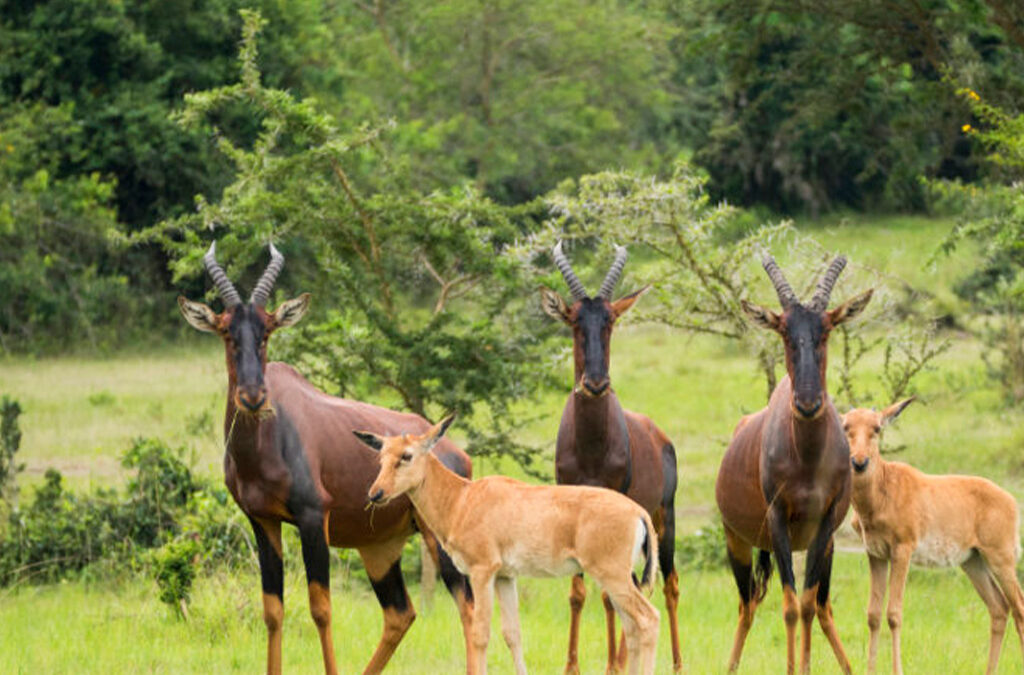
Uganda remains one of the most iconic and rewarding African safari destinations in 2026. Often referred to as the “Pearl of Africa,” the country offers a remarkable blend of primate encounters, Big Five safaris, breathtaking scenery, and vibrant cultural communities.
With over 10 national parks, Uganda presents diverse wildlife habitats ranging from dense rainforests and snow-capped mountains to vast savannah plains and wetlands. Below are the most iconic national parks you should consider for your Uganda safari in 2026.
1. Bwindi Impenetrable National Park
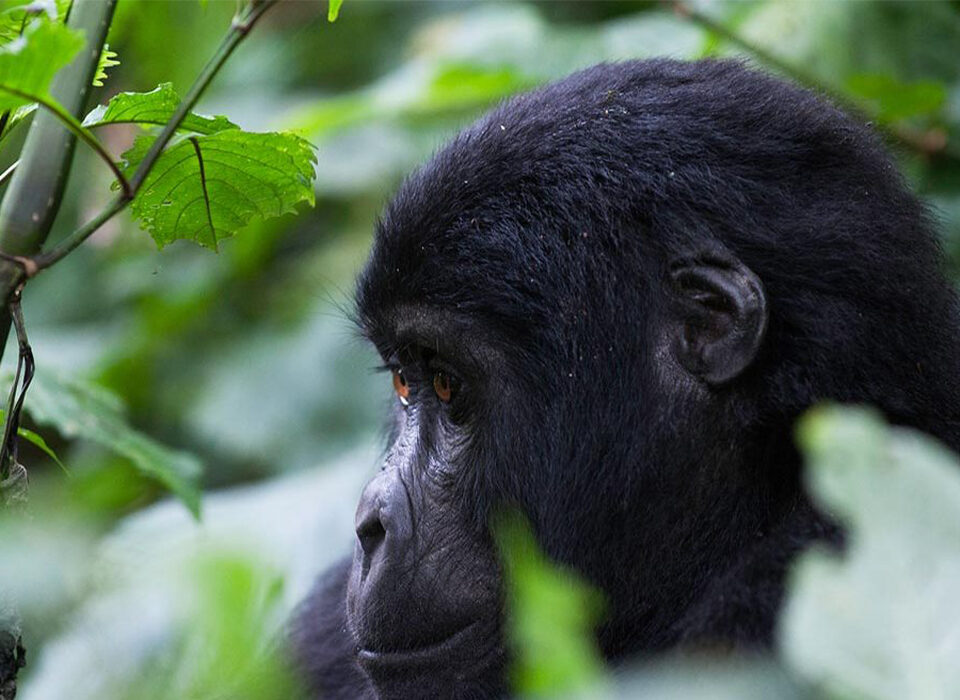
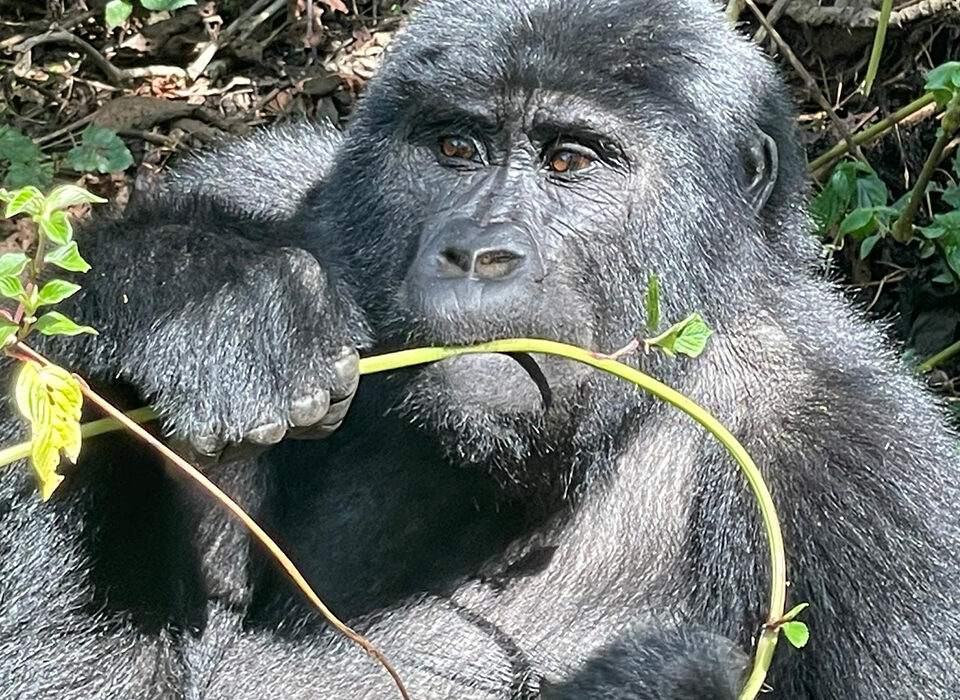
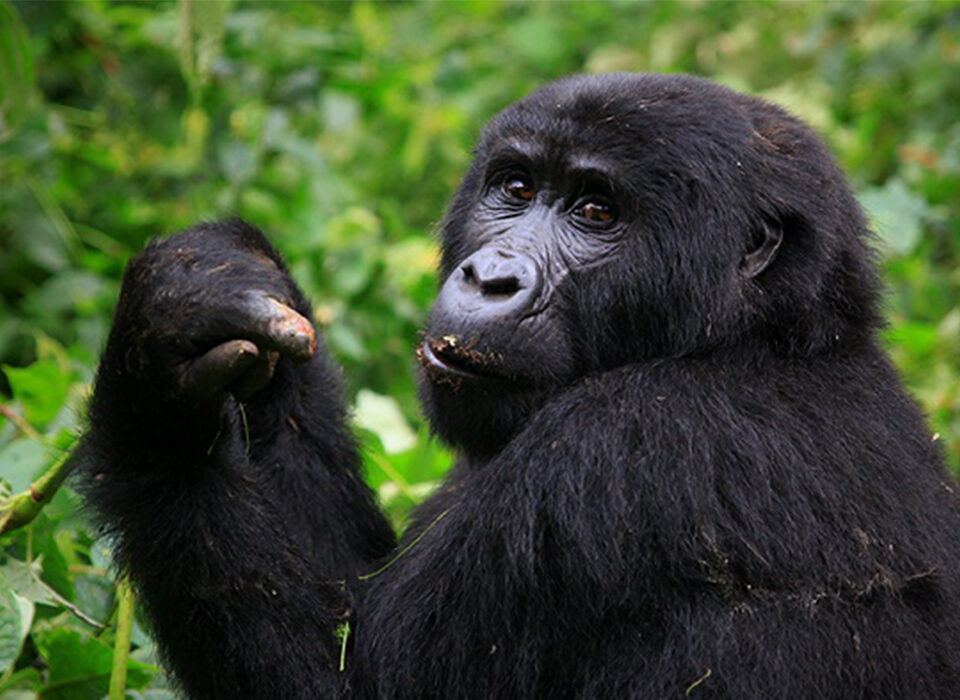
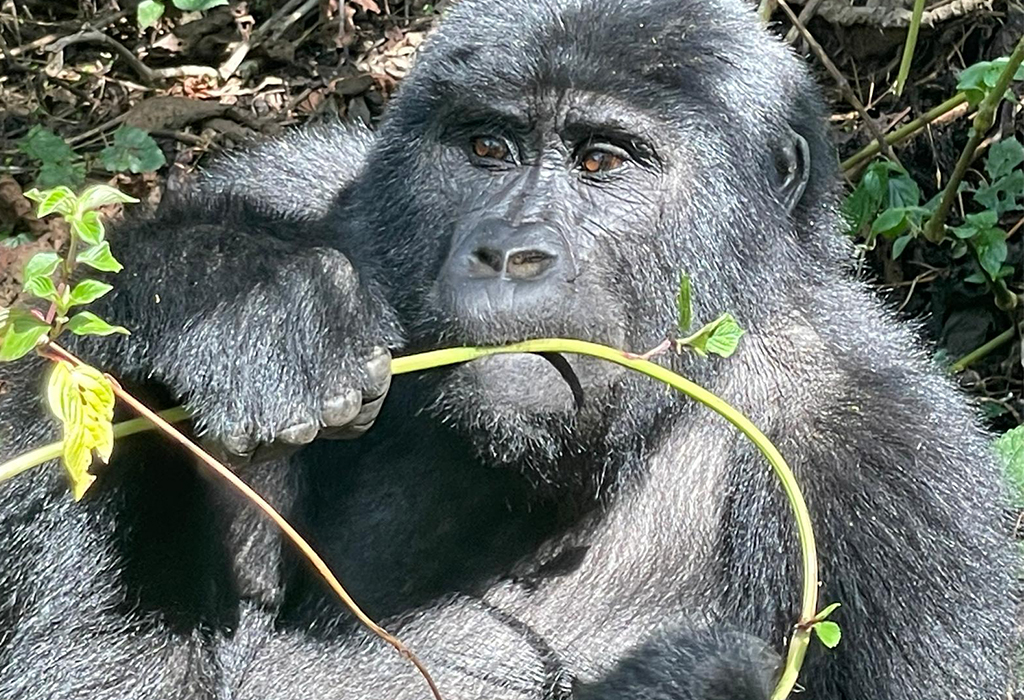
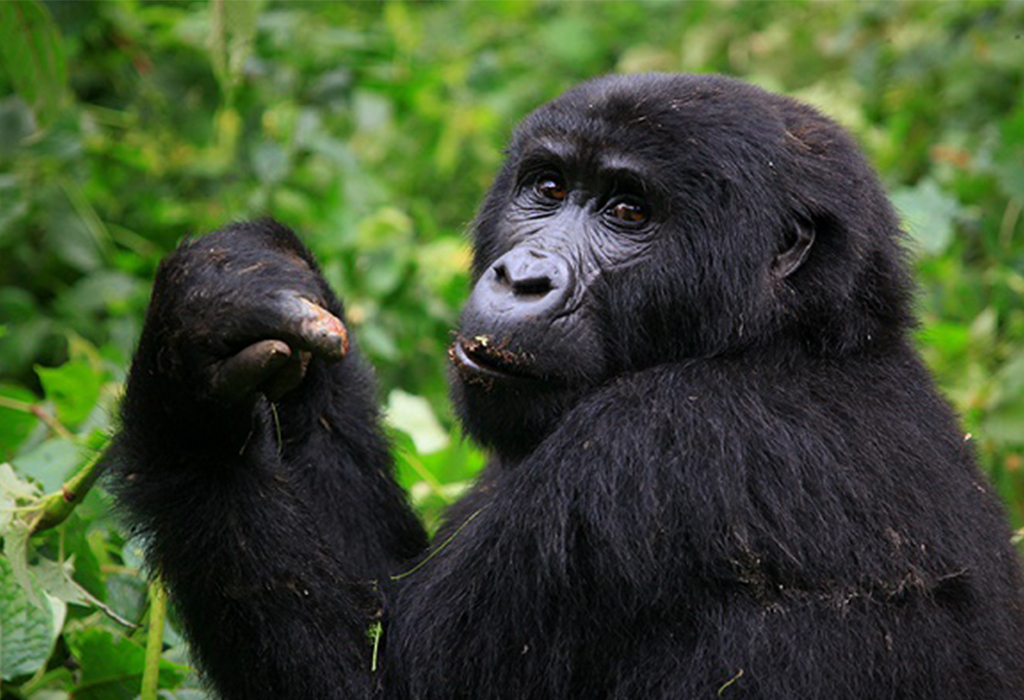
Located in southwestern Uganda along the border with the Democratic Republic of Congo, Bwindi Impenetrable National Park is world-famous for mountain gorilla trekking. The park protects more than half of the world’s remaining mountain gorilla population, making it one of Africa’s most extraordinary wildlife destinations.
This ancient rainforest sits on the edge of the Albertine Rift Valley and features thick vegetation, dramatic hills, and mist-covered valleys. Since opening for gorilla tourism in 1993, Bwindi has grown into Uganda’s premier primate destination.
Today, the park has over 25 habituated gorilla families, including several groups reserved for research and habituation experiences.
Top Activities in Bwindi:
- Gorilla trekking
- Gorilla habituation experience
- Birdwatching
- Guided nature walks
- Cultural encounters with local communities
To participate in gorilla trekking, you must secure a gorilla permit issued by the Uganda Wildlife Authority.
Gorilla Permit Costs (2026):
- USD 800 – Foreign non-residents
- USD 700 – Foreign residents
- USD 500 – Other African residents
- UGX 300,000 – East African citizens
Because permits are limited, booking in advance is highly recommended, especially during peak travel months.
2. Queen Elizabeth National Park
Queen Elizabeth National Park ranks among Uganda’s most popular savannah parks. Located in western Uganda along the border with the Democratic Republic of Congo, it is the country’s second-largest national park.
Originally gazetted as Kazinga National Park in 1952, it was renamed in 1954 to honor Queen Elizabeth II’s visit.
The park features diverse ecosystems, including savannah grasslands, wetlands, crater lakes, and forests. As a result, it supports over 95 mammal species and more than 600 bird species.
Highlights of Queen Elizabeth National Park:
- Tree-climbing lions in Ishasha
- Boat cruise along the Kazinga Channel
- Chimpanzee trekking in Kyambura Gorge
- Scenic crater lakes
- Large herds of elephants and buffalo
Popular Activities:
- Game drives
- Boat safaris
- Chimpanzee trekking
- Birdwatching
- Nature walks
This park offers one of the most diverse wildlife experiences in Uganda.
3. Murchison Falls National Park
Murchison Falls National Park is Uganda’s oldest and most visited savannah park. Located in northwestern Uganda, it was first gazetted as a game reserve in 1926 and later upgraded to national park status in 1952.
The park lies at the northern end of the Albertine Rift Valley and features vast savannah plains dotted with Borassus palms, riverine forests, and woodlands.
The River Nile dramatically cuts through the park, creating the powerful Murchison Falls—where the Nile forces itself through a narrow 7-meter gorge before plunging 43 meters below. These falls are often described as the world’s most powerful waterfall.
Wildlife in Murchison Falls:
- Over 144 mammal species
- 556 bird species
- Numerous reptiles and amphibians
Top Safari Activities:
- Game drives
- Boat cruise to the base of the falls
- Chimpanzee trekking in Budongo Forest
- Nature walks
- Birdwatching
The combination of dramatic scenery and abundant wildlife makes this park a must-visit in 2026.
4. Kibale National Park
Kibale National Park, located in western Uganda, is the country’s primate capital. Covering approximately 321 square kilometers and rising between 1,160 and 2,607 meters above sea level, Kibale protects one of Africa’s richest primate habitats.
The park hosts over 13 primate species, including:
- Chimpanzees
- L’Hoest’s monkeys
- Grey-cheeked mangabeys
- Red colobus monkeys
- Black-and-white colobus monkeys
Chimpanzee trekking remains the park’s main attraction. The activity began in 1993 in Kanyanchu and continues to draw visitors from around the world.
Activities in Kibale:
- Chimpanzee trekking
- Chimpanzee habituation experience
- Community visits
- Birdwatching
- Guided forest walks
A chimpanzee trekking permit is required and is issued by the Uganda Wildlife Authority.
Chimpanzee Permit Costs (2026):
- USD 250 – Foreign non-residents
- USD 200 – Foreign residents
- UGX 180,000 – East African citizens
Chimpanzee communities undergo a two-year habituation process before becoming available for trekking.
5. Lake Mburo National Park
Lake Mburo National Park is Uganda’s smallest savannah park and the closest to Kampala, making it ideal for short safaris and weekend getaways.
Located in western Uganda, the park combines rolling hills, acacia woodlands, lakes, and wetlands. Approximately 20% of the park consists of wetlands, forming a 50-kilometer system connected to five lakes.
Lake Mburo is especially known for zebras, impalas, and elands, which are rarely found in other Ugandan parks.
Activities in Lake Mburo:
- Game drives
- Walking safaris
- Boat cruises
- Cultural visits
- Birdwatching
Notably, Lake Mburo is one of the few parks in Uganda where you can enjoy a guided walking safari.
6. Rwenzori Mountains National Park
Rwenzori Mountains National Park, located in western Uganda along the border with the Democratic Republic of Congo, protects the legendary “Mountains of the Moon.”
Established as a national park in 1991 and declared a UNESCO World Heritage Site in 1994, the park features Africa’s third-highest mountain range.
Mount Rwenzori rises to 5,109 meters above sea level, with Margherita Peak as its highest summit.
Park Highlights:
- Snow-capped peaks
- Glaciers and alpine vegetation
- Unique endemic plant species
- 70 mammal species
- 217 bird species
Main Activities:
- Mountain hiking and climbing
- Nature walks
- Birdwatching
This park offers one of Africa’s most challenging and scenic mountain trekking experiences.
7. Kidepo Valley National Park
Kidepo Valley National Park lies in northeastern Uganda within the semi-arid Karamoja region. Due to its remote location near the borders of Kenya and South Sudan, the park remains one of Africa’s most untouched wilderness areas.
Often described as Uganda’s ultimate wilderness experience, Kidepo offers dramatic landscapes, rugged mountains, and open plains.
Wildlife in Kidepo:
- Over 77 mammal species
- 476 bird species
You can spot lions, cheetahs, elephants, giraffes, and large buffalo herds roaming freely across the savannah.
Activities in Kidepo:
- Game drives
- Nature walks
- Birdwatching
- Cultural visits to the Karamojong communities
If you seek solitude and raw African wilderness in 2026, Kidepo is an excellent choice.
Best Time to Visit Uganda’s Iconic National Parks in 2026
Uganda welcomes visitors year-round. However, the best time to go on safari in 2026 is during the dry seasons:
- June to October
- December to February
During these months, the weather remains drier, roads become more accessible, and wildlife gathers around water sources, making viewing easier. Additionally, trekking trails in Bwindi and Kibale are less slippery and more manageable.
That said, the rainy seasons (March–May and November) offer fewer crowds, lush scenery, and excellent birdwatching opportunities.
Final Thoughts
Uganda’s national parks offer a rare combination of gorilla trekking, chimpanzee tracking, Big Five safaris, mountain hiking, and rich cultural experiences all within one country.
Whether you dream of standing face-to-face with mountain gorillas in Bwindi, watching the Nile thunder through Murchison Falls, trekking chimpanzees in Kibale, or exploring the remote wilderness of Kidepo, Uganda delivers an unforgettable safari experience in 2026.