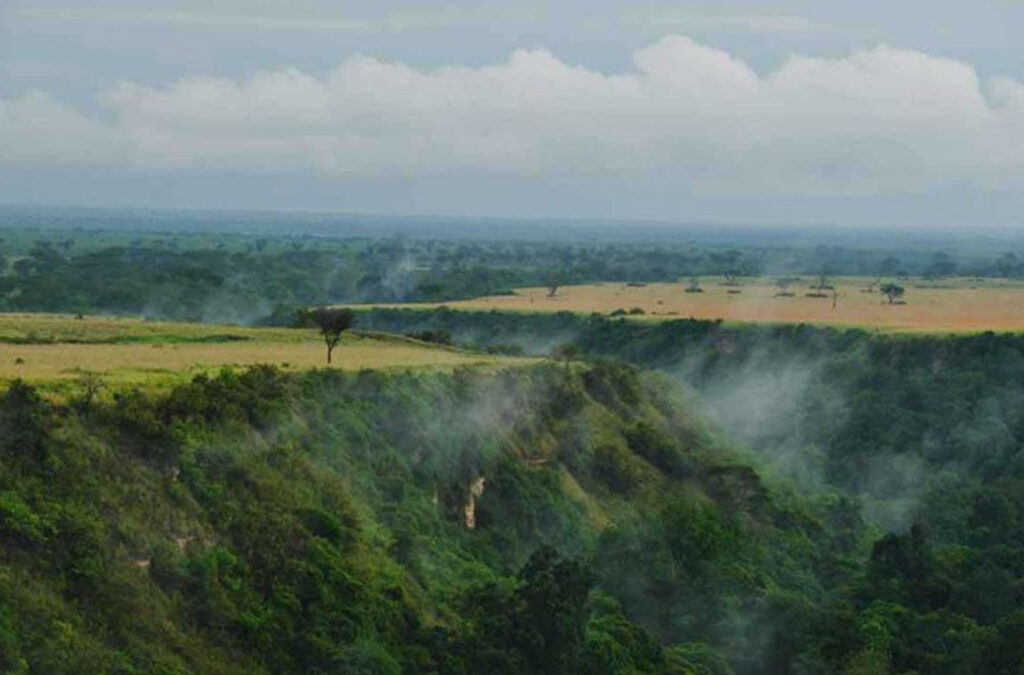
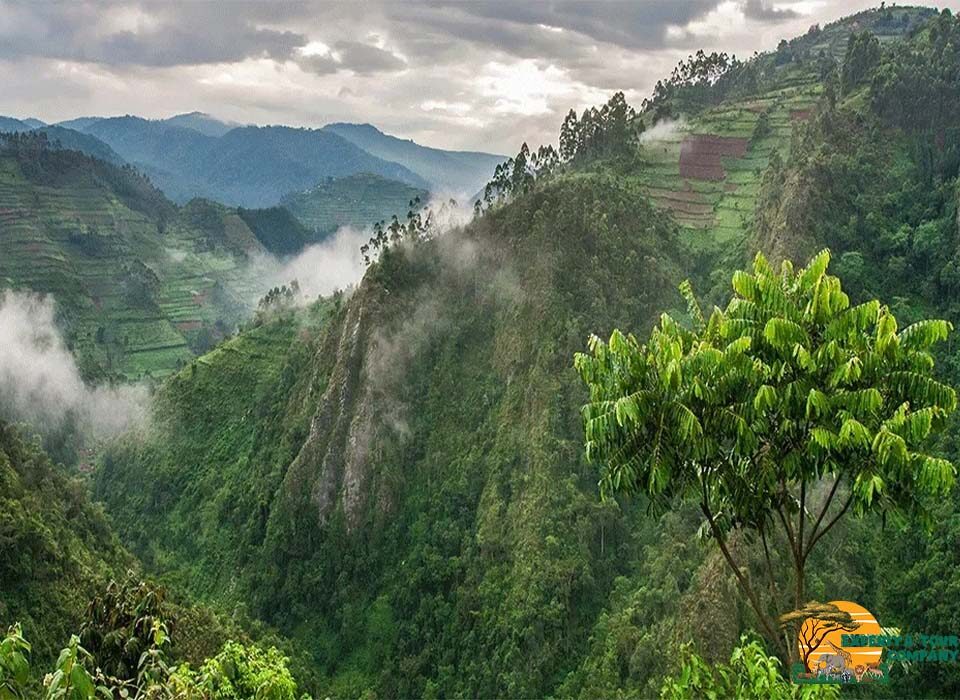
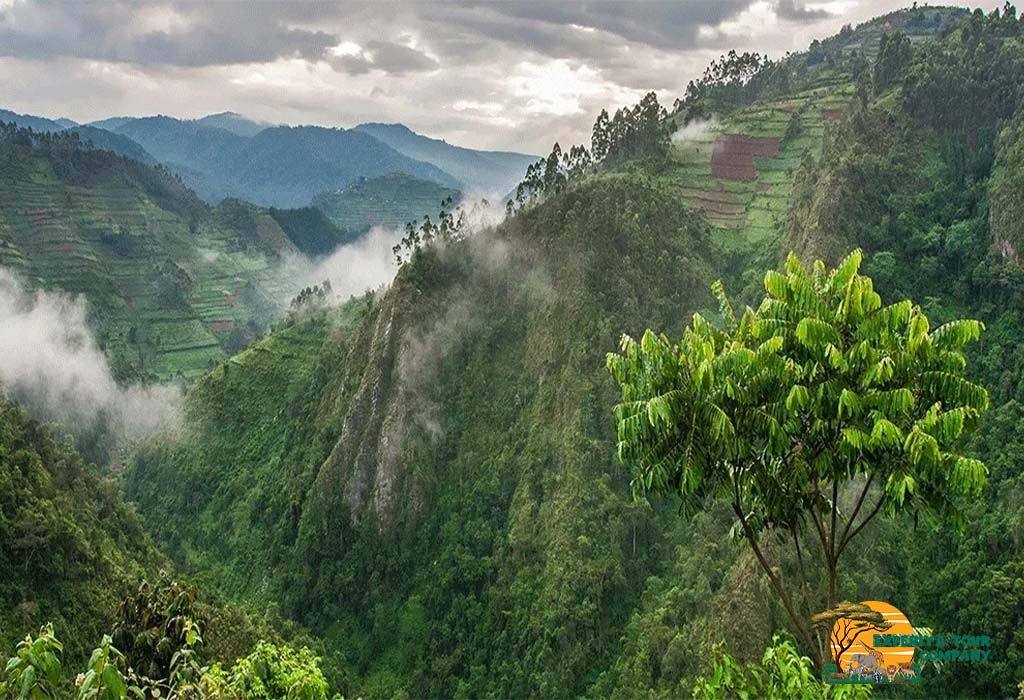
The park covers approximately 1,978 square kilometers. It stretches from Lake George in the northeast to Lake Edward in the southwest and includes the Kazinga Channel, which connects the two lakes. In addition, the park hosts an incredible diversity of wildlife, including about 95 mammal species and more than 600 bird species. The Ishasha sector, located in Rukungiri District, has gained worldwide recognition for its famous tree-climbing lions. On clear days, visitors also enjoy breathtaking views of the snow-capped Rwenzori Mountains rising in the distance.
Climate Overview
Queen Elizabeth National Park experiences a warm tropical climate throughout the year. Because the park lies close to the equator, temperatures remain fairly constant. During the day, temperatures typically rise to around 28°C (82°F). At night, they gradually drop to about 17–18°C (63–64°F). As a result, visitors can expect warm days and pleasantly cool evenings almost year-round.
Unlike some African safari destinations, the park does not have a completely dry season. Rain can fall at any time of the year. However, rainfall levels vary significantly depending on the month. Generally, the park experiences two relatively dry seasons and two wet seasons.
Dry Seasons: January to February and June to July
January and February
First, January and February mark one of the drier periods in the park. Although these months usually receive less rainfall, occasional showers still occur. At times, you may experience a few consecutive rainy days. Therefore, travelers should always pack light rain gear, even during the dry season.
Nevertheless, wildlife viewing remains excellent during this time. Since vegetation becomes slightly thinner and animals gather around water sources, visitors often find it easier to spot wildlife. Moreover, the roads and tracks generally stay in good condition, which makes game drives smoother and more enjoyable.
June and July
Similarly, June and July form the second and driest period of the year. During these months, rainfall decreases significantly, and the skies often remain clear. Daytime temperatures average around 28°C (82°F), while nighttime temperatures fall to approximately 17°C (63°F).
Because of the minimal rainfall, this period offers ideal safari conditions. Roads stay dry and accessible, and the grass becomes shorter, improving visibility. Consequently, many travelers consider June and July the best months for wildlife viewing and photography.
Wet Seasons: March to May and August to December
March, April, and May
On the other hand, March through May marks the long rainy season. April typically receives the highest rainfall. During this time, heavy afternoon showers frequently occur, although mornings often begin with mild and comfortable temperatures of around 18°C (64°F). Afternoon temperatures can still reach about 29°C (84°F).
While the rain transforms the park into a lush green paradise, it can also create challenges. For example, some roads may become muddy and difficult to navigate. In addition, chimpanzee trekking trails in Kyambura Gorge may turn slippery. However, the scenery becomes exceptionally beautiful, and birdwatchers benefit from increased bird activity during this season.
August to December
Meanwhile, the months from August to December bring the shorter rainy season. Rainfall during this period varies, with November usually being the wettest month. Even so, it rarely rains all day; showers often fall in the afternoon or evening.
Importantly, the rains rejuvenate the landscape. The savannah turns green, flowers bloom, and wildlife thrives. As a result, photographers and nature lovers appreciate the vibrant scenery. Although occasional rain may interrupt activities, the park remains accessible and rewarding.
Safari Highlights in Queen Elizabeth National Park
Beyond its favorable climate, Queen Elizabeth National Park offers a wide range of safari experiences.
Boat Cruise on the Kazinga Channel
One of the most popular activities is a boat cruise along the Kazinga Channel. This natural channel connects Lake George and Lake Edward. During the cruise, visitors witness remarkable concentrations of wildlife along the shores.
For instance, you may see elephants bathing, buffaloes grazing, antelopes drinking, and warthogs roaming near the water. Large pods of hippos crowd the channel, while crocodiles bask lazily on the banks. Furthermore, the area attracts countless bird species, making it a paradise for birdwatchers. At the same time, the cruise offers stunning views of the Mweya Peninsula and nearby fishing villages, providing insight into local life.
Game Drives
In addition, game drives remain a core highlight of any visit. Park guides usually conduct drives early in the morning and late in the afternoon, when animals are most active.
You can explore several areas, including the Mweya Peninsula, Kasenyi Plains, Ishasha sector, and the crater lakes region. During these drives, you may encounter elephants, buffaloes, lions, leopards, Uganda kobs, and warthogs. Notably, the Ishasha sector stands out for its tree-climbing lions, which often rest on fig tree branches.
Because wildlife activity increases during cooler hours, visitors enjoy higher chances of sightings during these scheduled drives.
Lion Tracking in Ishasha
For a more immersive experience, visitors can participate in lion tracking in the Ishasha sector. This activity allows you to follow lions with the help of researchers and park rangers who monitor their movements using tracking devices.
Sessions typically last two to three hours and operate in the morning, afternoon, or occasionally at night. During the experience, guides may drive off the main tracks to provide closer views. As you observe the lions, you learn about their behavior, feeding habits, social interactions, and territorial movements. Consequently, lion tracking offers both adventure and education.
Chimpanzee Tracking in Kyambura Gorge
Another unforgettable activity is chimpanzee tracking in Kyambura Gorge. This dramatic forested gorge shelters habituated chimpanzee groups.
The activity begins with a briefing about safety guidelines and trekking rules. Afterward, experienced guides lead you through the lush forest in search of the chimpanzees. Once you locate them, you can spend time observing their daily routines. You may watch them groom one another, forage for food, play, or care for their young. In addition, you can take photographs and learn about their complex social structures.
Although trekking can be physically demanding, especially during wet months, the experience remains deeply rewarding.
Where to Stay
Queen Elizabeth National Park offers a wide variety of accommodation options to suit different budgets. Visitors can choose from luxury, midrange, and budget lodges located within and around the park. Many lodges provide stunning views of the savannah, crater lakes, or the Kazinga Channel. As a result, guests can enjoy comfort while staying close to nature.
Conclusion
In summary, Queen Elizabeth National Park enjoys a warm and consistent climate throughout the year. Although rainfall occurs in every season, two relatively dry periods—January to February and June to July—offer the best conditions for wildlife viewing. Meanwhile, the wet seasons transform the park into a lush and scenic paradise.
Whether you visit during the dry or wet season, the park promises exceptional safari experiences. From boat cruises on the Kazinga Channel to game drives, lion tracking, and chimpanzee trekking in Kyambura Gorge, every activity showcases the park’s rich biodiversity. Combined with spectacular views of the Rwenzori Mountains, Queen Elizabeth National Park truly stands as one of Uganda’s most remarkable safari destinations.