

Where Do Mountain Gorillas Live?
December 12, 2025
How to Experience a Rwandan Village Homestay
December 12, 2025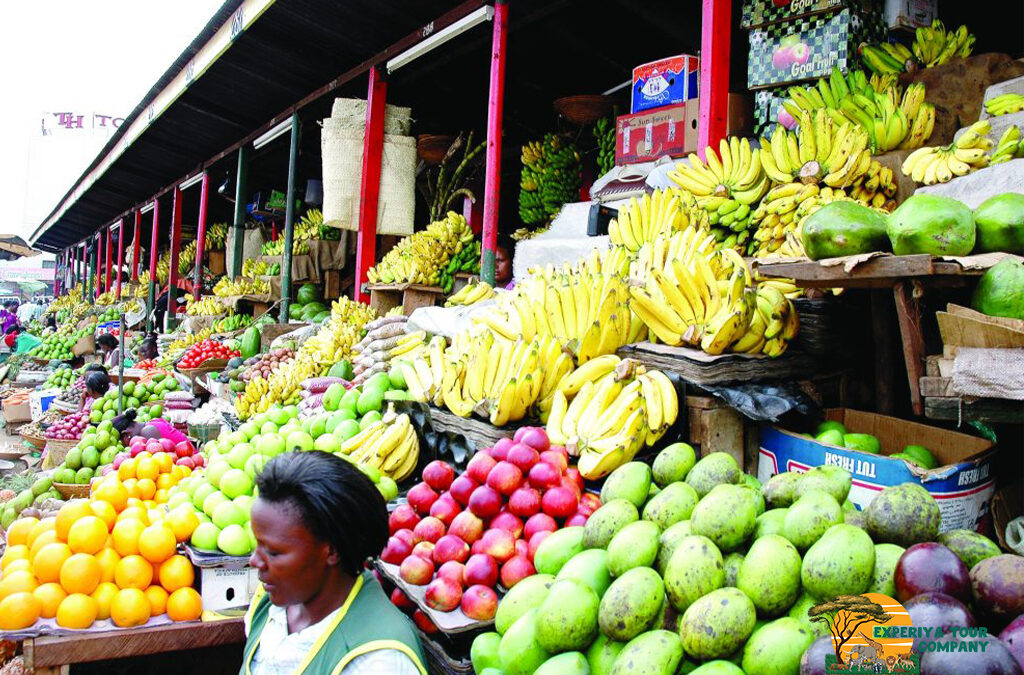
Local markets in East Africa are more than just places to shop they are vibrant hubs of culture, trade, and community. In Kigali, Kampala, and Nairobi, bustling markets bring together locals and visitors, offering a firsthand glimpse into daily life. Here, travelers can explore fresh produce, unique crafts, and traditions passed down through generations. Whether you are seeking souvenirs, African fabrics, handmade jewelry, or second-hand clothes, these markets form the heartbeat of urban East Africa. This guide explores the most notable markets in each city, answers common questions, and offers practical tips to make your visit both enjoyable and memorable.
Kigali: Kimironko Market – The Heart of the City
In Kigali, the most popular market is Kimironko Market, located in the northeastern part of the city. As the beating heart of Kigali’s commercial life, it serves both residents and visitors. Stalls overflow with colorful kitenge fabrics, fresh vegetables, tropical fruits, and artisanal crafts. Travelers can also meet skilled tailors who will create custom-made clothing from African fabrics while you wait. Kimironko Market’s popularity stems from its diversity of products, affordable prices, and role as a central meeting place for the community.
Souvenirs and Crafts in Kigali
For souvenirs, Kimironko Market remains the top choice. It offers a wide range of items that reflect Rwanda’s culture, including woven baskets, hand-carved masks, traditional drums, and bead jewelry. Caplaki Craft Village is another option, though it caters more to tourists. Bargaining is part of the shopping experience, but prices at Kimironko Market are generally reasonable, making it a favorite among both locals and international visitors.
African Fabrics and Tailoring
African fabrics, particularly kitenge, are highly sought after in Kigali’s markets. Kimironko Market is the best place to purchase these vibrant materials, which are imported from across Africa, including Ghana, Tanzania, and the Democratic Republic of Congo. Once bought, visitors can have clothes custom-made at nearby tailoring stalls, making Kigali an ideal destination for unique, locally crafted attire.
Kampala: Nakasero and Owino Markets
Fresh Produce and Local Life at Nakasero Market
In Kampala, Nakasero Market stands out for its wide variety of fresh produce and household goods. Visitors can wander among stalls filled with fruits, vegetables, spices, herbs, and flowers. The market is particularly famous for tropical fruits such as mangoes, pineapples, jackfruit, and passion fruit. Beyond produce, vendors sell textiles, electronics, and general household items. Exploring Nakasero Market allows visitors to experience the lively atmosphere of Ugandan daily life while discovering local specialties.
Second-Hand Treasures at Owino Market
For second-hand clothes, Owino Market, also known as St. Balikuddembe Market, is the go-to destination. It is one of Uganda’s largest and busiest markets, drawing thousands of shoppers daily. Owino is especially renowned for its vast selection of “mitumba,” or second-hand clothes imported from abroad. Shoppers can find branded jeans, shoes, children’s clothes, and formal wear at bargain prices. While navigating the crowded market requires patience, it offers a true glimpse into Kampala’s vibrant urban life.
Nairobi: Maasai Market and Gikomba
Maasai Market: Handicrafts and Souvenirs
Nairobi’s most famous market is the Maasai Market, which operates on a rotating schedule at different city locations throughout the week:
- Tuesday: Kijabe Street parking lot
- Friday: Village Market
- Saturday: High Court parking lot
- Sunday: Yaya Centre
This open-air market is ideal for purchasing Maasai beadwork, jewelry, and handicrafts, making it one of Nairobi’s most tourist-friendly shopping experiences. Visitors are encouraged to explore multiple stalls and bargain respectfully to find the best items.
City Market: Traditional Arts and Curios
For souvenirs, City Market in Nairobi’s central business district offers curios, traditional art, and fresh flowers. It is a good alternative to Maasai Market for those seeking a slightly quieter shopping experience.
Gikomba Market: The Second-Hand Clothing Hub
For second-hand clothes, Gikomba Market is Nairobi’s largest and most popular destination. Known across Kenya for its enormous selection of imported clothing, the market offers everything from casual wear to formal attire, shoes, and children’s clothes. Although it can be crowded and requires careful navigation, it provides high-quality items at very low prices, attracting both bulk buyers and individual shoppers.
Tips for Visiting East African Markets
Bargaining and Pricing
Bargaining is a common practice in markets throughout Kigali, Kampala, and Nairobi. Prices, particularly in tourist-focused markets, are often marked higher initially. A good approach is to offer around 50–60% of the asking price and negotiate until both parties agree. While bargaining is less common for food items, it is expected when buying crafts, fabrics, or clothing.
Safety and Security
Local markets are generally safe, though crowded areas such as Owino in Kampala or Gikomba in Nairobi are hotspots for pickpocketing. Visitors should carry minimal cash, secure valuables, and avoid flashy items. Visiting during daylight hours is advisable, and going with a local guide can enhance both safety and enjoyment.
Currency and Payments
- Kigali: Rwandan Franc (RWF)
- Kampala: Ugandan Shilling (UGX)
- Nairobi: Kenyan Shilling (KES)
While mobile money platforms such as M-Pesa in Kenya and MTN Mobile Money in Uganda are widely used, cash remains the most accepted form of payment in open-air markets. Some tourist-oriented stalls may accept U.S. dollars, but exchange rates are generally less favorable.
Best Time to Visit
The best time to visit these markets is in the morning, when stalls are fully stocked, the atmosphere is vibrant, and crowds are smaller. Early visits also allow for fresher produce, better bargaining, and a more comfortable experience. Weekends are the busiest, particularly at Nairobi’s Maasai Market, so plan accordingly.
Conclusion
Visiting local markets in Kigali, Kampala, and Nairobi offers more than shopping — it provides a window into East African culture, traditions, and daily life. From the colorful fabrics at Kigali’s Kimironko Market to the bustling second-hand stalls of Kampala’s Owino Market, and the beadwork treasures at Nairobi’s Maasai Market, each city presents a unique market culture worth exploring. With preparation, an open mind, and respect for local customs, these markets become some of the most memorable parts of any East African journey.
