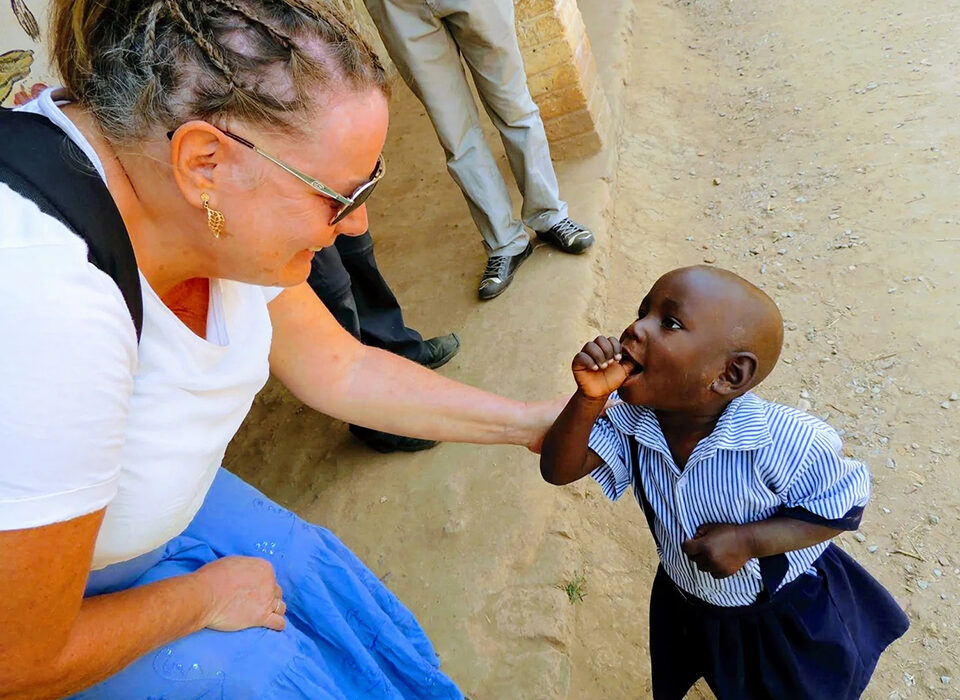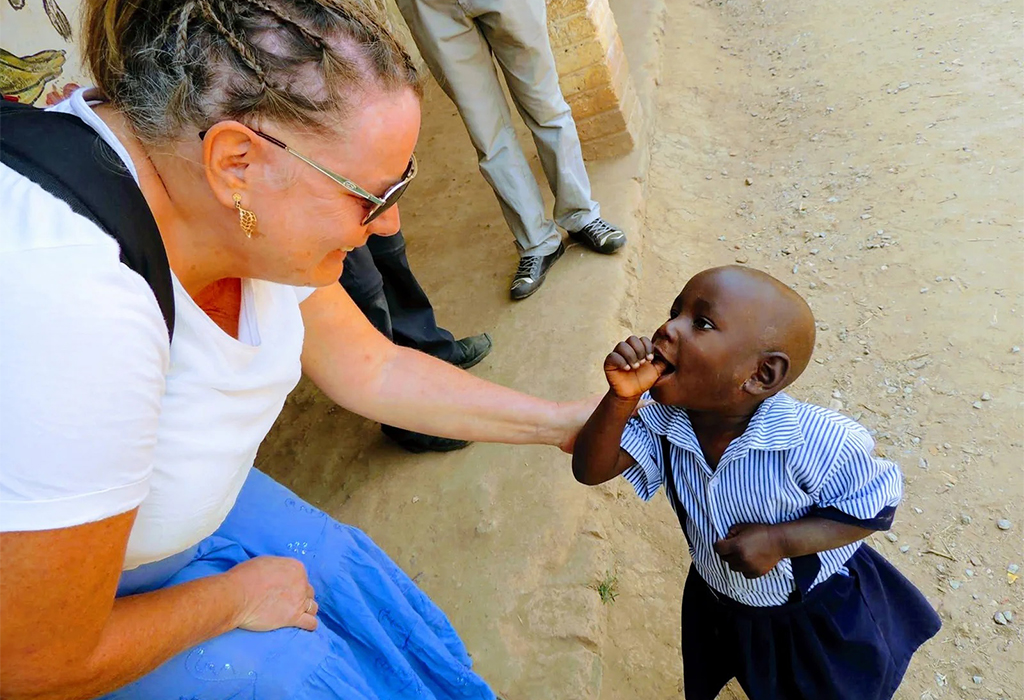
Village walks and community visits in Uganda and Rwanda offer far more than sightseeing. They open the door to authentic human connection. Instead of simply observing from a distance, you step into real homes, real conversations, and real traditions. You share laughter with children, listen to elders recount stories passed down through generations, and witness daily life unfolding naturally.
At Experiya Tour Company, we believe travel becomes meaningful when it connects people. Community experiences allow you to see beyond wildlife and landscapes. They invite you to understand the heartbeat of a destination — its people. At the same time, these visits directly support local livelihoods, ensuring tourism benefits the communities that make these experiences possible.
Ultimately, village walks transform a holiday into a journey of understanding.
Exploring Rural Life in Uganda
Uganda’s rural communities warmly welcome visitors, especially in areas near major national parks. Around Bwindi Impenetrable National Park, Queen Elizabeth National Park, Kibale Forest, and Lake Bunyonyi, local villages open their doors to travelers who want to experience everyday life.
As you walk through a Ugandan village, you quickly notice the rhythm of rural living. Women prepare meals over traditional wood fires while children play nearby. Farmers return from their gardens carrying fresh bananas, cassava, or sweet potatoes. The scent of cooking mingles with the earthy smell of red soil paths.
During your visit, you may step inside a family home built from local materials. Hosts often demonstrate how they prepare staple meals such as matooke or groundnut sauce. Rather than simply watching, you participate. You peel bananas, grind millet, or stir a simmering pot. These small acts create powerful moments of connection.
In addition, many communities invite visitors to try their hand at farming activities. Depending on the season, you might plant seedlings, harvest crops, or learn how families sustain themselves from small plots of land. Elders often share stories about clan traditions, marriage customs, and ancestral beliefs, helping you understand the deeper cultural fabric of Ugandan society.
Through these experiences, you don’t just see rural life — you feel part of it.
Cultural Immersion in Rwanda’s Villages
Rwanda offers equally enriching and well-organized community experiences, particularly near Volcanoes National Park, Nyungwe Forest National Park, and along the shores of Lake Kivu. The country has intentionally developed community-based tourism to promote cultural pride and economic empowerment.
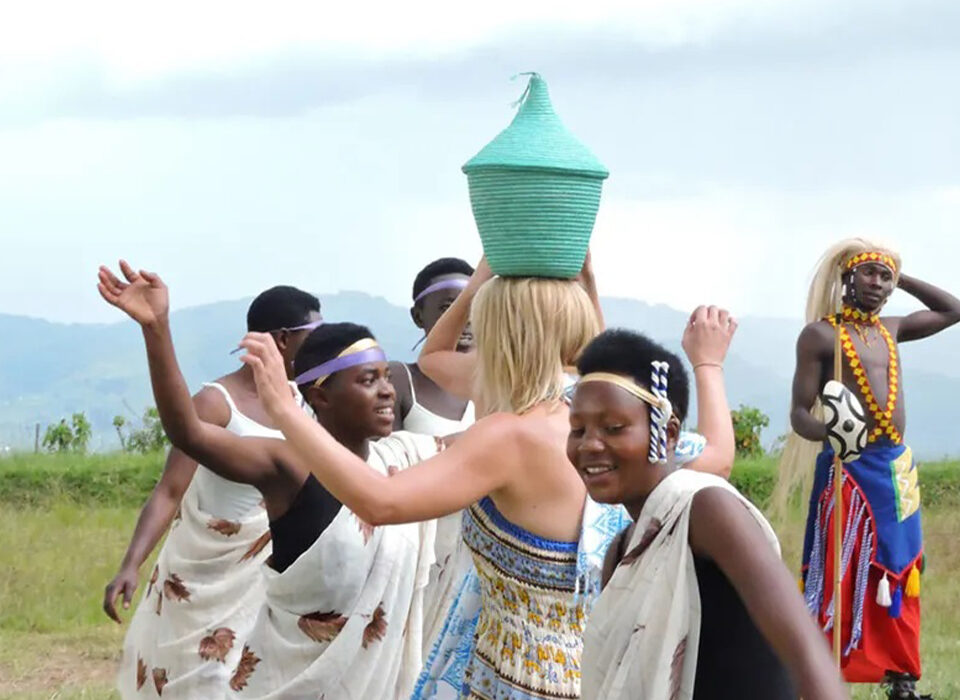
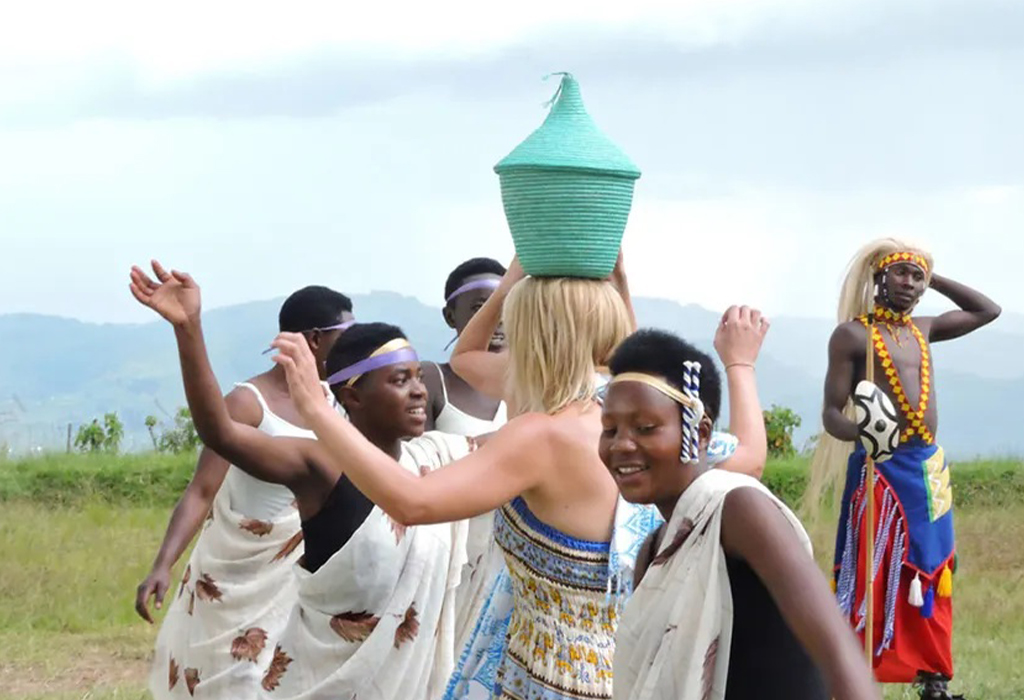
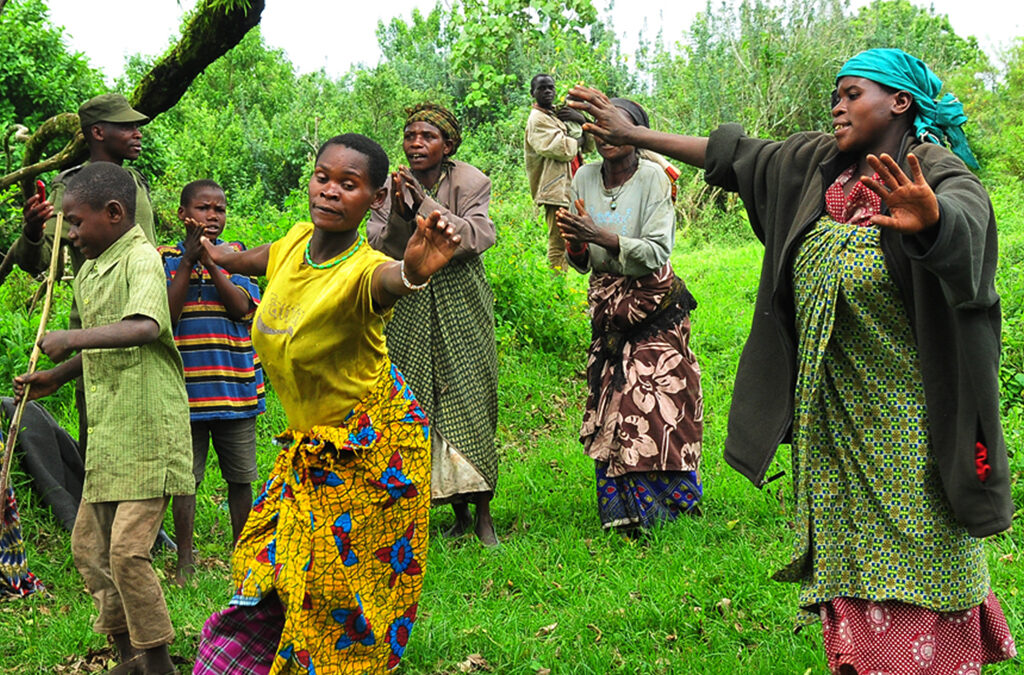
When you visit a Rwandan village, local cooperatives often welcome you with song and dance. The famous Intore dance, known for its graceful movements and symbolic gestures, tells stories of bravery and heritage. The rhythm of drums fills the air, and performers move with energy and pride.
Beyond performances, you engage directly with artisans and community groups. Many women’s cooperatives focus on basket weaving, pottery, and traditional crafts. As they work, they explain the meaning behind patterns and colors, revealing how art reflects identity and history.
In some communities, you learn about traditional medicine and the use of forest plants. Guides explain how local knowledge supports health and survival. Meanwhile, small-scale farmers demonstrate how they cultivate crops on Rwanda’s terraced hillsides.
These encounters feel genuine because they are. Communities share their culture not as a show, but as a living tradition. Through Experiya Tour Company, these visits are thoughtfully arranged to ensure respectful interaction and fair community benefit.
Hands-On Activities That Bring Culture to Life
Village walks become truly memorable when you actively participate. Rather than standing on the sidelines, you join in daily activities that define local life.
You might begin by preparing a traditional meal using fresh ingredients harvested from nearby gardens. Under the guidance of your host, you learn how to grind grains, cook over open firewood, or prepare local sauces. The process feels simple yet deeply grounding.
In farming communities, you walk through fields and learn about seasonal crops. Farmers explain how rainfall patterns influence planting cycles. You may even help harvest tea leaves in Uganda or beans in Rwanda, gaining firsthand appreciation for the labor behind everyday food.
Some villages introduce you to traditional brewing methods. You watch as locals prepare banana beer or sorghum drinks using techniques passed down for generations. Sampling these beverages becomes more meaningful when you understand the process behind them.
Craft-making also offers a creative connection. You sit with artisans weaving baskets or shaping clay into pots. As your hands attempt the techniques, you quickly realize the skill involved. Meanwhile, music and dance performances often close the experience on a joyful note, inviting you to celebrate together.
Each activity deepens your understanding and transforms observation into participation.
How Community Tourism Supports Local Livelihoods
Community tourism does more than enrich travelers; it strengthens local economies. When you pay for a village walk, your contribution goes directly to the community. Leaders often use this income to support schools, healthcare initiatives, clean water projects, and small business development.
Moreover, tourism creates employment opportunities. Local guides, dancers, farmers, and artisans earn income through their skills and knowledge. Instead of leaving rural areas in search of work, many community members can sustain their families at home.
Because communities benefit directly, they value conservation efforts more deeply. When wildlife tourism thrives, surrounding villages recognize the importance of protecting forests and national parks. In this way, tourism and conservation reinforce one another.
Experiya Tour Company works closely with community partners to ensure transparency and fairness. By choosing responsible operators, you help create long-term positive impact.
The Best Places for Authentic Village Experiences
Several destinations in Uganda and Rwanda stand out for exceptional community visits. Around Mgahinga Gorilla National Park, Batwa community experiences share the history and traditions of one of the region’s oldest forest-dwelling groups. Their storytelling offers powerful insight into resilience and cultural survival.
Near Kibale National Park, villages introduce visitors to farming traditions and local coffee production. Around Lake Bunyonyi, lakeside communities showcase fishing methods and island life.
In Rwanda, communities near Volcanoes National Park offer vibrant cultural encounters, while Nyungwe Forest villages highlight traditional medicine and tea farming. Along Lake Kivu, fishing villages demonstrate daily routines shaped by water and trade.
Each region presents its own character, shaped by landscape, history, and heritage.
Traveling with Respect and Openness
To make your visit meaningful, approach each community with humility and respect. Dress modestly and greet people warmly. Always ask permission before taking photographs, especially inside homes or during personal moments.
Show genuine curiosity. Ask questions, listen attentively, and appreciate differences without judgment. When possible, purchase handmade crafts directly from artisans. Your support contributes directly to household income.
By behaving respectfully, you ensure that these experiences remain positive for both visitors and hosts.
Why Village Walks Become the Highlight of the Journey
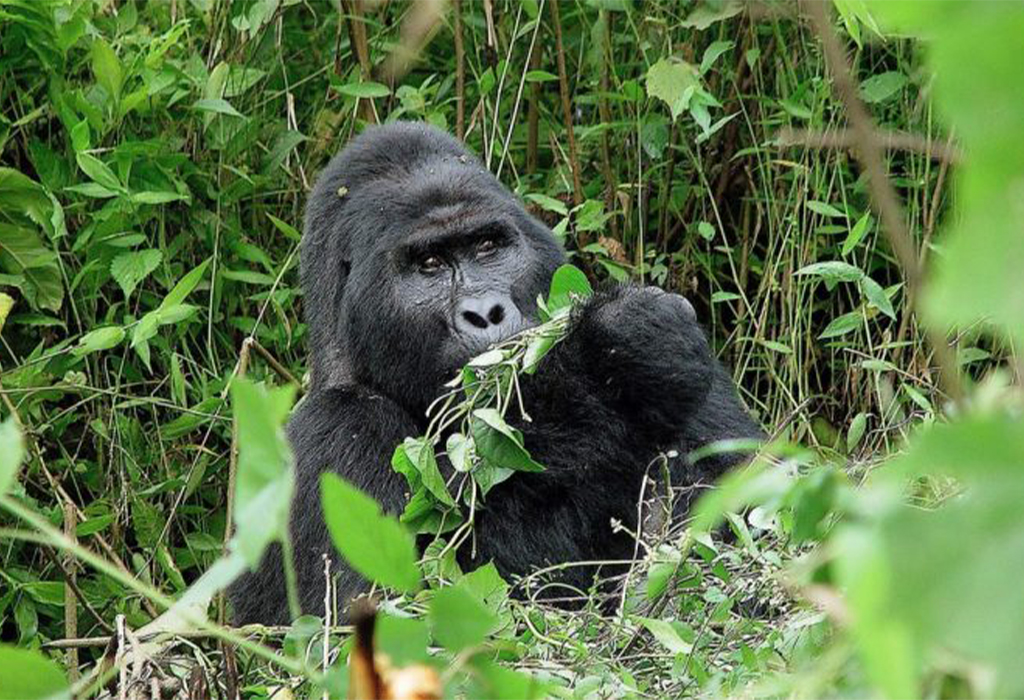
Wildlife safaris and breathtaking landscapes often attract travelers to Uganda and Rwanda. However, village walks frequently become the most cherished memories. They remind you that travel is not only about places, but also about people.
When you sit beside a family sharing a meal, dance to local drums, or listen to stories beneath a village tree, you experience something deeply human. These connections stay with you long after your journey ends.
Through carefully curated experiences with Experiya Tour Company, village walks and community visits become transformative moments. They foster understanding, preserve culture, and empower communities.
In the end, you leave not just with photographs, but with friendships, perspective, and a deeper appreciation for East Africa’s vibrant cultures.