How to Plan a Game Safari in Rwanda with a Beach Holiday
March 21, 2026
Guide to Planning Luxury Gorilla Trekking Safaris
March 21, 2026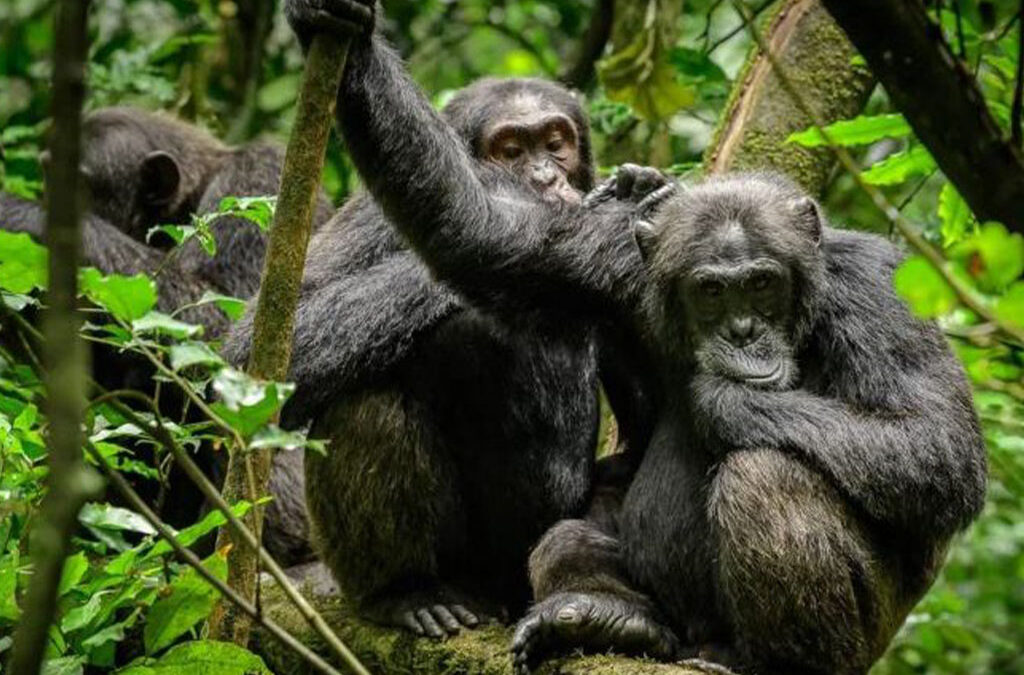
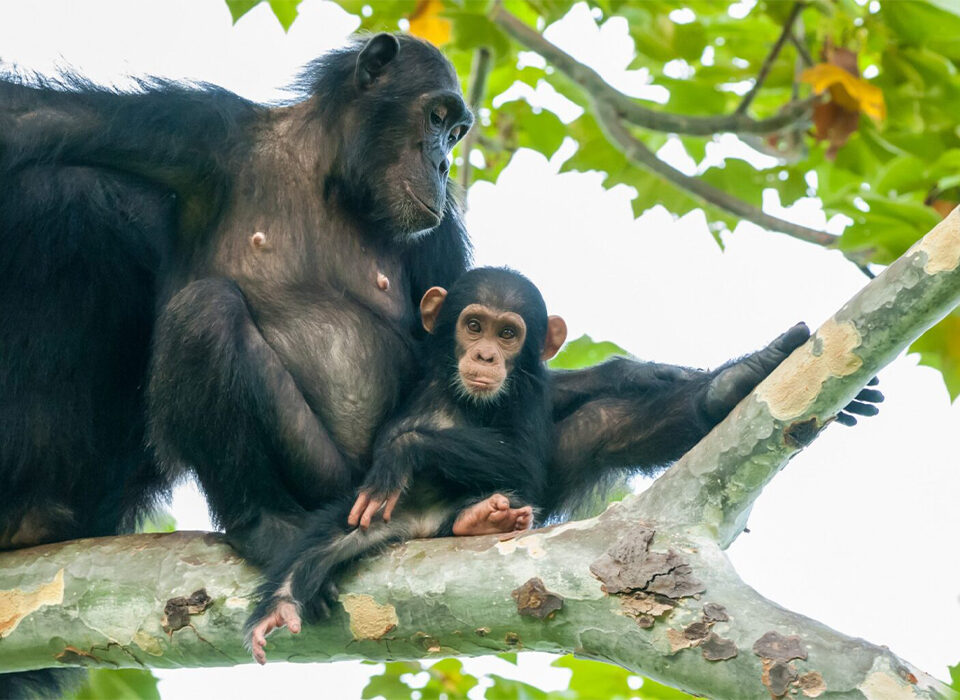
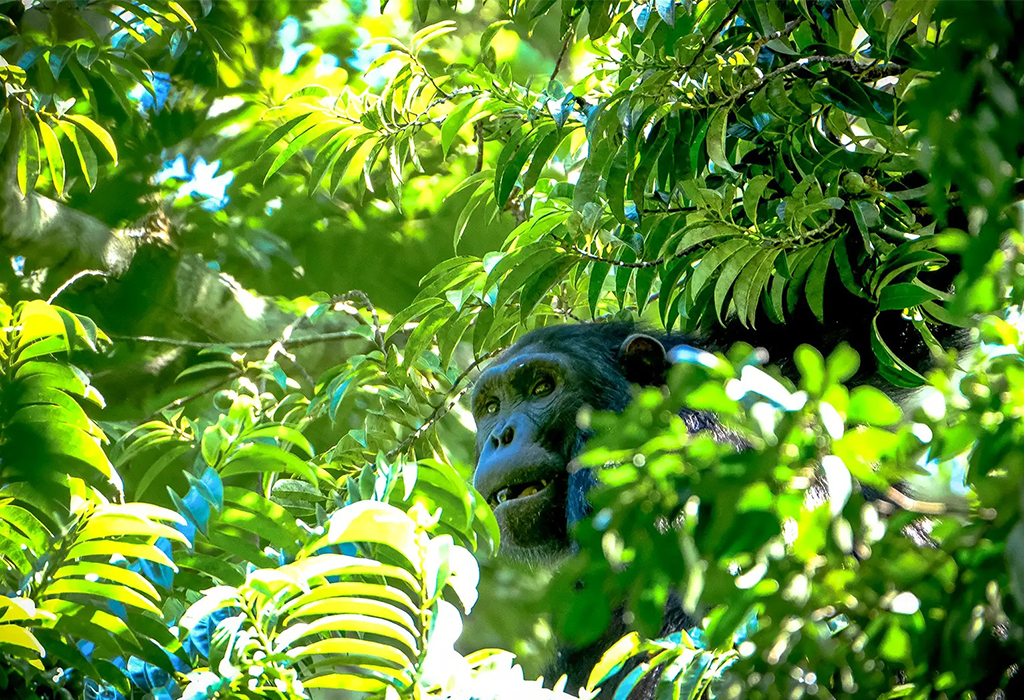
Chimpanzee trekking in Rwanda ranks among the most immersive wildlife experiences in East Africa. Instead of watching animals from a vehicle, you actively step into ancient rainforests, follow forest trails, and search for wild chimpanzees in their natural habitat. Along the way, you not only observe their dynamic social behavior but also gain insight into the conservation systems that protect them.
Unlike traditional savannah safaris that unfold across open plains, this experience takes place in dense tropical forests. Here, every sound matters. Every movement tells a story. The distant echo of chimpanzee calls, the rustling leaves, and the layered canopy above create a deeply engaging environment. As a result, chimpanzee trekking becomes more than just wildlife viewing it blends adventure, ecology, research, and responsible tourism into one powerful journey.
Rwanda has built a strong global reputation for conservation, particularly through mountain gorilla tourism. However, chimpanzee trekking offers an equally compelling, yet distinctly different, perspective on primate life. Chimpanzees are intelligent, expressive, and highly social. As you observe them, you begin to understand their family structures, communication patterns, grooming rituals, and territorial behavior. Ultimately, this experience connects you not only to wildlife but also to the broader forest ecosystem and the people working to protect it.
Where Chimpanzee Trekking Takes Place in Rwanda
Chimpanzee trekking in Rwanda primarily takes place in Nyungwe Forest National Park. Located in the southwestern part of the country, Nyungwe is one of Africa’s oldest and most biodiverse rainforests. It stretches across more than one thousand square kilometers and hosts thirteen species of primates, including large populations of chimpanzees and colobus monkeys.
As you explore Nyungwe, you quickly notice its dramatic landscape. The park features steep hills, dense vegetation, bamboo zones, waterfalls, and high-altitude forest terrain. Although the trails can be challenging, they significantly enhance the authenticity of the experience.
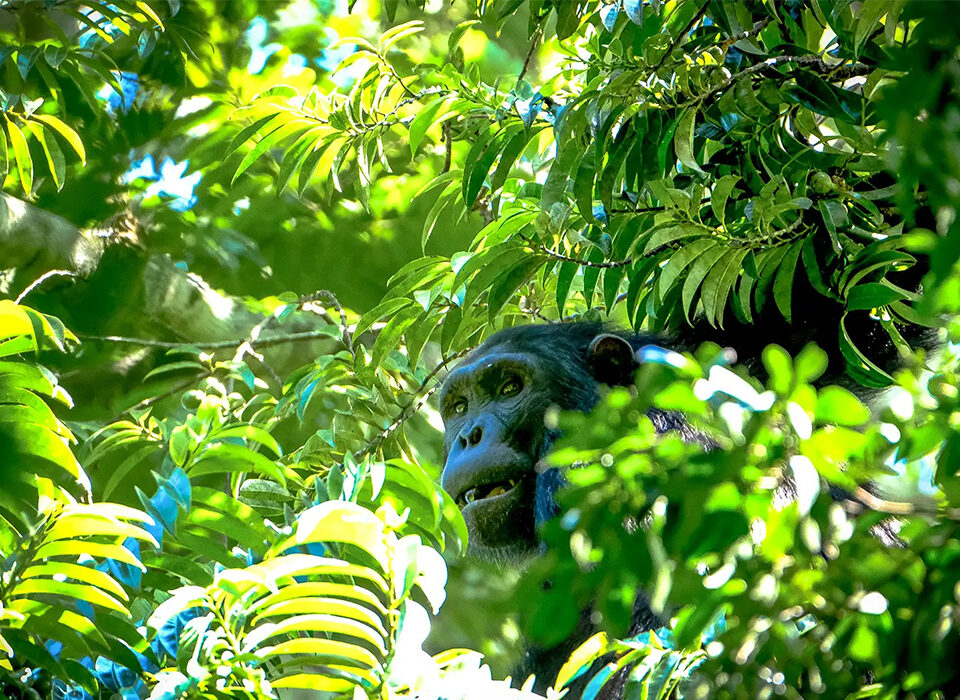
Moreover, the forest is constantly alive. Birds call from the canopy, insects hum beneath your feet, and other primates move through the trees. Because of this, every trek feels like a full ecological journey rather than a single wildlife encounter.
Chimpanzees in Nyungwe live in large communities that may include dozens of individuals. However, since they move frequently in search of food, sightings depend on their daily patterns. To improve your chances, experienced trackers head out early each morning to locate them before visitors begin the trek.
What Makes Chimpanzee Trekking Unique
Chimpanzees behave very differently from gorillas, and this difference shapes the entire trekking experience. They are energetic, vocal, and constantly on the move. In many cases, you hear them long before you see them. Their loud pant-hoots echo through the forest, guiding you deeper into the trees.
Once you locate them, the experience becomes fast-paced and exciting. Chimpanzees swing through branches, leap between trees, and occasionally descend to the forest floor. Because they rarely stay still, every moment feels dynamic and unpredictable.
The trek itself involves hiking with professional guides and armed rangers who ensure both safety and conservation compliance. After locating the chimpanzees, you spend one hour observing them. During this time, you may witness feeding, grooming, playful interactions among juveniles, and even dominance displays.
Although the encounter feels intimate, it also demands patience and attentiveness. Photography is allowed, but flash is strictly prohibited to protect the animals.
A Detailed Three-Day Itinerary for Chimpanzee Trekking in Rwanda
Day One: Arrival in Kigali and Transfer to Nyungwe
Your journey begins in Kigali, Rwanda’s clean and well-organized capital. After a short briefing, you set off on a scenic drive toward Nyungwe Forest. The journey takes approximately five to six hours and passes through rolling hills, tea plantations, and vibrant rural communities.
Along the way, you can stop at the Ethnographic Museum in Huye. This visit adds valuable cultural context, helping you understand Rwanda’s traditions, history, and how conservation fits into national development.
By evening, you arrive near Nyungwe, check into your lodge, and prepare for the next day’s adventure.
Day Two: Chimpanzee Trekking in Nyungwe Forest
You start early, often before sunrise, and head to the park headquarters for a detailed briefing. Rangers explain trekking rules, safety guidelines, and conservation practices. Because Rwanda prioritizes low-impact tourism, groups remain small.
Soon after, you enter the forest alongside experienced trackers. Depending on the chimpanzees’ location, the hike can last between one and three hours. Once you find them, you spend a full hour observing their behavior in the wild.
Afterward, you return to your lodge for lunch and some rest. In the afternoon, you can elevate your experience with a canopy walk. Suspended high above the forest, this walkway offers breathtaking panoramic views and a completely different ecological perspective.
Day Three: Optional Activities and Return to Kigali
On your final day, you can choose to explore more of Nyungwe. For instance, you might join a guided nature walk, track colobus monkeys, or enjoy a specialized birding tour, as the park hosts hundreds of bird species.
Later, you begin your return journey to Kigali. If time allows, you may visit the Kigali Genocide Memorial, which offers a powerful and respectful insight into Rwanda’s history and resilience before your departure.
Best Time for Chimpanzee Trekking in Rwanda
You can enjoy chimpanzee trekking throughout the year. However, the dry seasons from June to September and December to February offer the most comfortable conditions. During these months, trails are less slippery, making hiking easier.
On the other hand, the rainy seasons from March to May and October to November bring lush greenery and fewer tourists. Although trails can become muddy, the forest appears more vibrant and alive.
Because chimpanzees move daily in search of food, sightings vary. Nevertheless, Rwanda’s efficient tracking system ensures a high success rate.
Physical Fitness and Trek Difficulty
Chimpanzee trekking requires moderate physical fitness. Nyungwe’s high altitude and steep terrain can make the hike demanding. Depending on the day, treks may last anywhere from one to three hours before locating the chimpanzees.
Therefore, you should come prepared. Wear sturdy hiking boots, long trousers, and a light waterproof jacket. Additionally, be ready for humid conditions and uneven terrain.
If you have concerns about difficulty, guides can adjust the pace to suit your ability. However, keep in mind that chimpanzee trekking tends to be more active than gorilla trekking due to the animals’ constant movement.
Conservation and Community Impact
Chimpanzee trekking directly supports conservation in Rwanda. Permit fees fund anti-poaching patrols, ranger salaries, research, and forest protection initiatives. At the same time, Rwanda’s high-value tourism model ensures sustainability by limiting visitor numbers.
Importantly, tourism revenue also benefits local communities. Through revenue-sharing programs, funds support schools, healthcare facilities, and infrastructure projects. As a result, communities actively participate in conservation efforts.
Additionally, Nyungwe Forest plays a crucial ecological role. It serves as a major water catchment area, supplying freshwater across Rwanda and beyond. Protecting this forest therefore supports both biodiversity and human livelihoods.
Chimpanzee Behavior and What to Expect
Chimpanzees live in complex social systems led by dominant males, although alliances often shape leadership. During your trek, you may observe grooming sessions that strengthen social bonds within the group.
Their diet includes fruits, leaves, insects, and occasionally small mammals. Interestingly, they also use tools, such as sticks to extract termites an impressive display of intelligence.
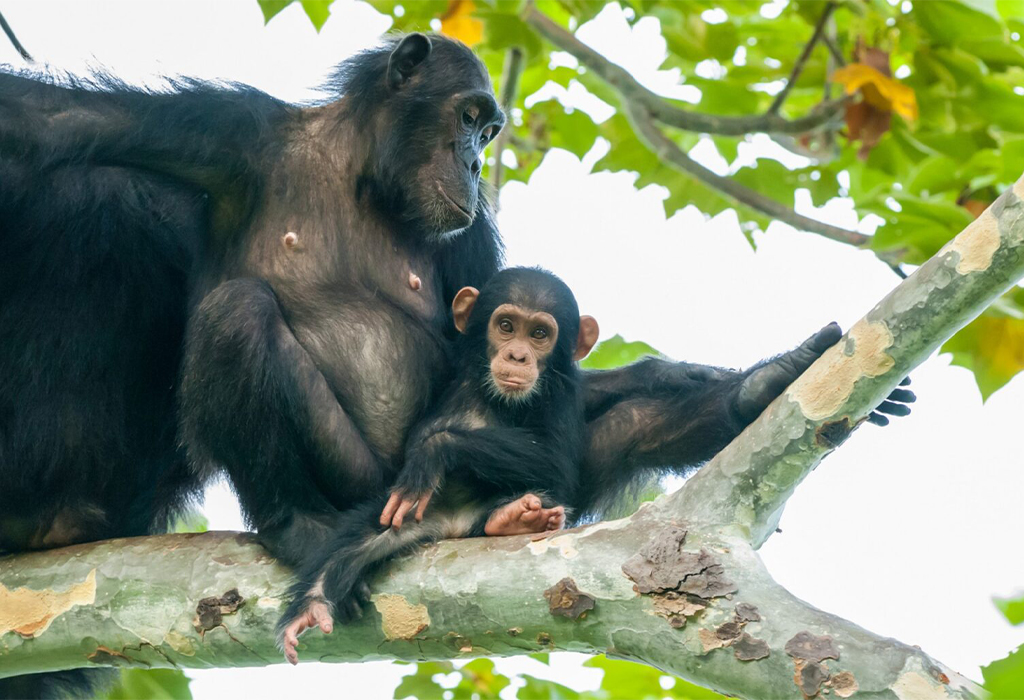
Young chimpanzees often appear playful and curious, while mothers remain protective of their infants. At times, adult males may display dominance by vocalizing loudly, drumming on trees, or charging. Even so, your guides will always ensure a safe and respectful distance.
Chimpanzee Trekking vs Gorilla Trekking
While Rwanda is famous for gorilla trekking in Volcanoes National Park, chimpanzee trekking offers a contrasting experience. Gorillas tend to be calm, grounded, and relatively stationary. In contrast, chimpanzees are energetic, vocal, and frequently moving through the canopy.
Because of these differences, many travelers choose to combine both experiences. Doing so provides a deeper understanding of primate ecology and how different species adapt to forest environments.
Accommodation Options Near Nyungwe
Accommodation near Nyungwe Forest ranges from luxury eco-lodges to mid-range hotels and budget guesthouses. Many properties blend seamlessly into the surrounding environment and offer stunning views of tea plantations or forest canopies.
Luxury lodges focus on comfort, sustainability, and guided experiences. Meanwhile, mid-range options provide essential amenities, and budget accommodations make trekking accessible to more travelers.
Choosing a lodge close to the park headquarters helps reduce early morning travel time.
Permit and Booking Information
To participate in chimpanzee trekking, you must obtain a permit from the Rwanda Development Board. Since permits are limited, especially during peak seasons, booking in advance is essential.
The permit includes park entry, guide services, ranger protection, and one hour with the chimpanzees. However, it does not cover accommodation or transport.
For a smooth and well-organized experience, you can arrange everything through Experiya Tour Company, which handles permits, logistics, and customized itineraries.
Why Choose Rwanda for Chimpanzee Trekking
Rwanda stands out for its strong conservation policies, safety, and efficient infrastructure. Its compact size allows you to combine multiple experiences such as chimpanzee trekking, gorilla trekking, and cultural tours within a short time.
Ultimately, chimpanzee trekking in Nyungwe Forest offers a deep and meaningful rainforest experience. It complements Rwanda’s other attractions while providing a unique perspective on primate life.
Understanding chimpanzee trekking in Rwanda means recognizing the balance between conservation, community development, and responsible tourism. It is not just a wildlife activity it is a journey into one of Africa’s oldest forests, guided by purpose and preservation.
For a seamless and unforgettable adventure, contact Experiya Tour Company to plan your chimpanzee trekking experience in Rwanda.