Chimpanzee Behavior
March 17, 2026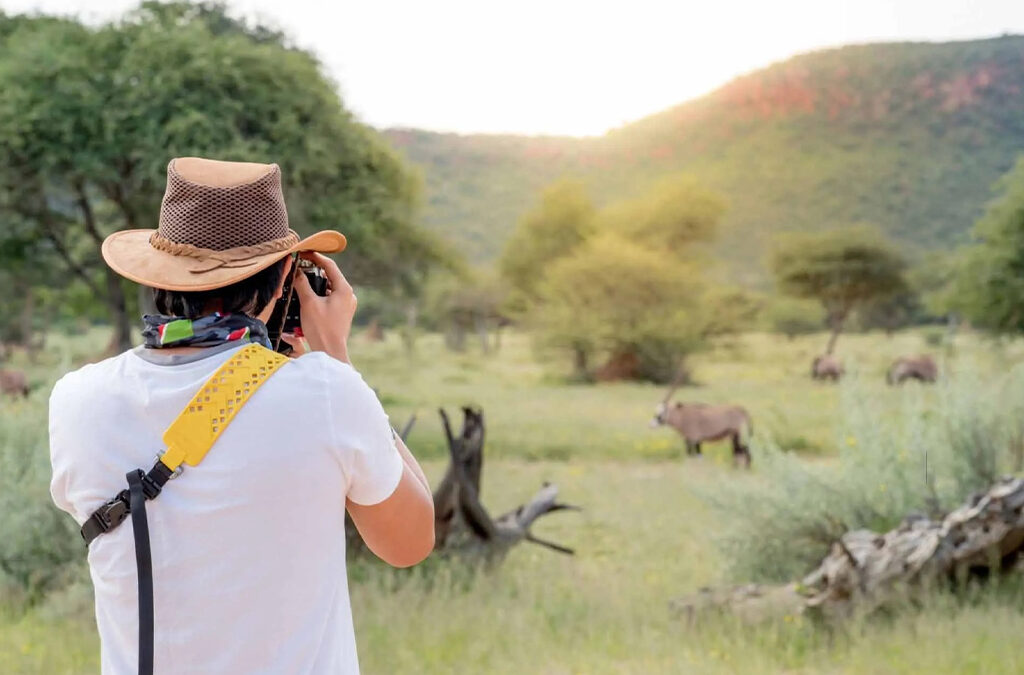
A safari in Uganda is more than just a trip it’s an opportunity to witness some of the most extraordinary wildlife and landscapes on Earth. From tracking mountain gorillas through the misty forests of Bwindi to gliding along the Kazinga Channel in search of hippos, or traversing the vast savannahs of Queen Elizabeth National Park, every moment can be unforgettable. However, a truly memorable safari begins with respect for the animals, the environment, and the local communities. Knowing the right etiquette will keep you safe, enhance your experience, and ensure the preservation of Uganda’s natural treasures.
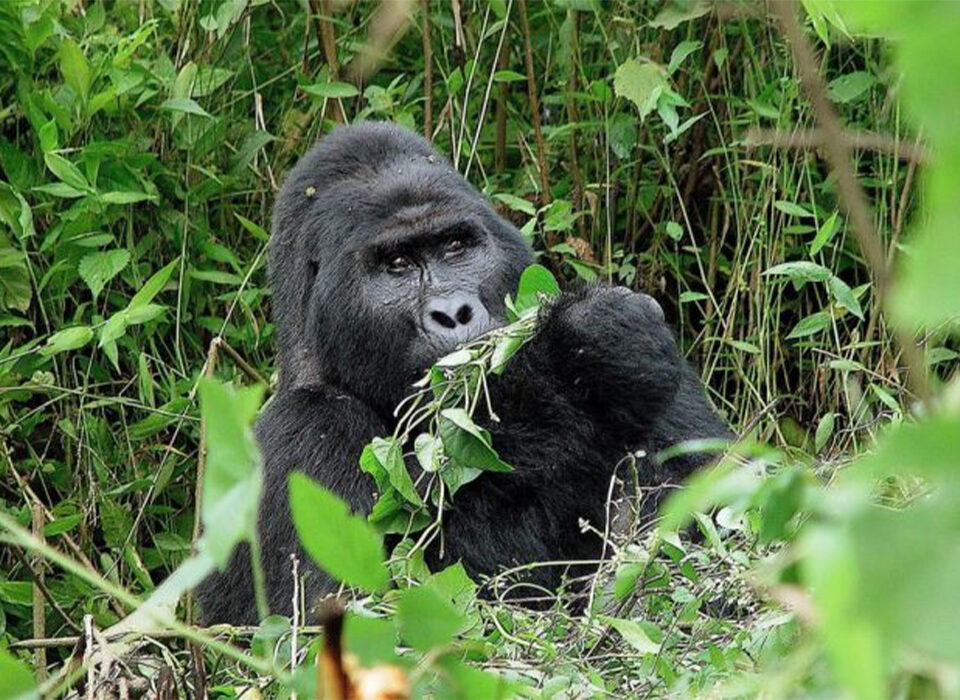
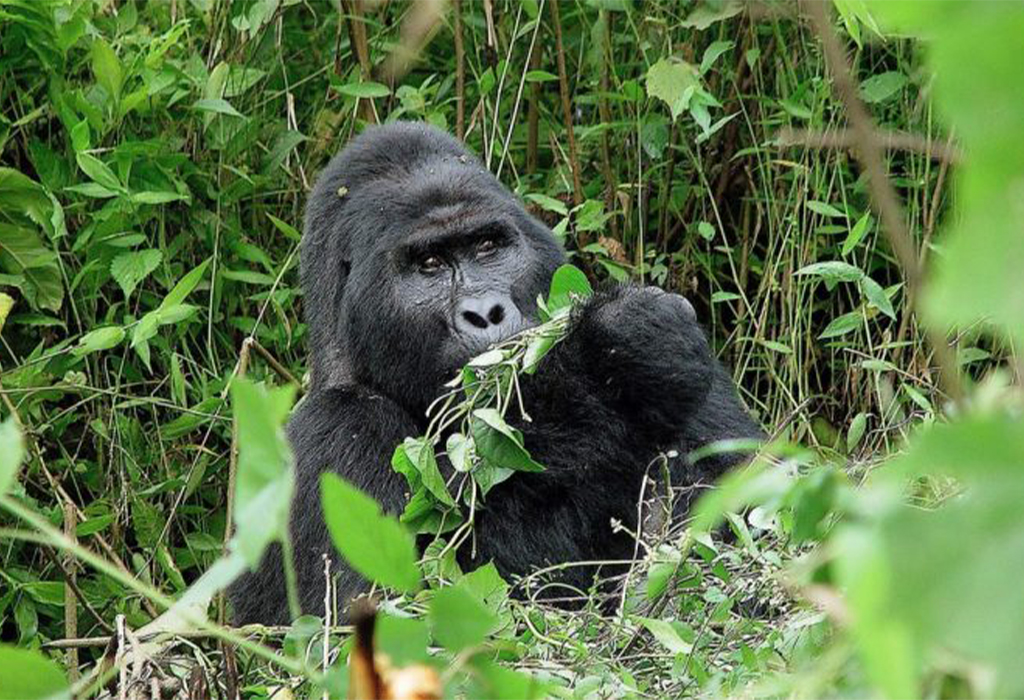
Uganda is home to an incredible diversity of wildlife, including roughly half of the world’s remaining mountain gorillas, chimpanzees, lions, leopards, elephants, and over 1,000 bird species. Every visitor plays a part in protecting this remarkable ecosystem. From what you wear to how you behave around animals, your choices carry real consequences. The following guide outlines the essential dos and don’ts to help you navigate your safari responsibly.
Respecting Wildlife
Your behavior around wildlife is the cornerstone of any safe and rewarding safari. Uganda’s animals are wild, unpredictable, and deserve your respect. Always keep a safe distance from all animals. Remaining inside your vehicle unless guided otherwise protects both you and the wildlife.
Pay close attention to your guide’s instructions. Their knowledge of animal behavior and local habitats is based on years of experience, and following their advice ensures safety and maximizes your wildlife encounters. Similarly, keep noise to a minimum. Loud sounds can stress animals, drive them away, and diminish the experience for others.
Never feed wild animals. Even small amounts of human food can dramatically change their behavior, making them aggressive or dependent on humans. Flash photography is another serious concern, especially around gorillas and chimpanzees. Bright flashes can frighten or provoke sensitive animals, creating dangerous situations.
Clothing and Packing
What you wear on safari affects your safety, comfort, and ability to enjoy wildlife encounters. Neutral colors like khaki, olive, and brown help you blend into the bush and avoid startling animals. Long-sleeved shirts and full-length trousers protect you from insect bites and thorny vegetation, especially during gorilla or chimpanzee treks.
Avoid camouflage clothing, which is reserved for military and security personnel, and steer clear of dark blue or black in tsetse fly-prone areas. These flies are attracted to dark colors and can transmit sleeping sickness. Pack light and choose soft-sided luggage, as small charter planes and safari vehicles have strict space and weight limits.
Cultural Awareness and Safety
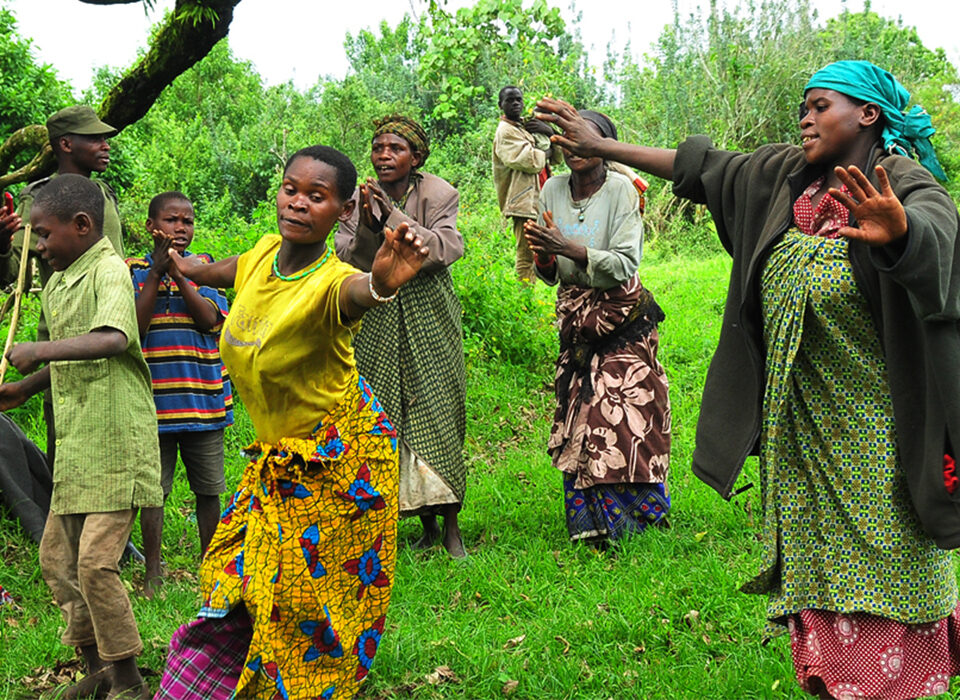
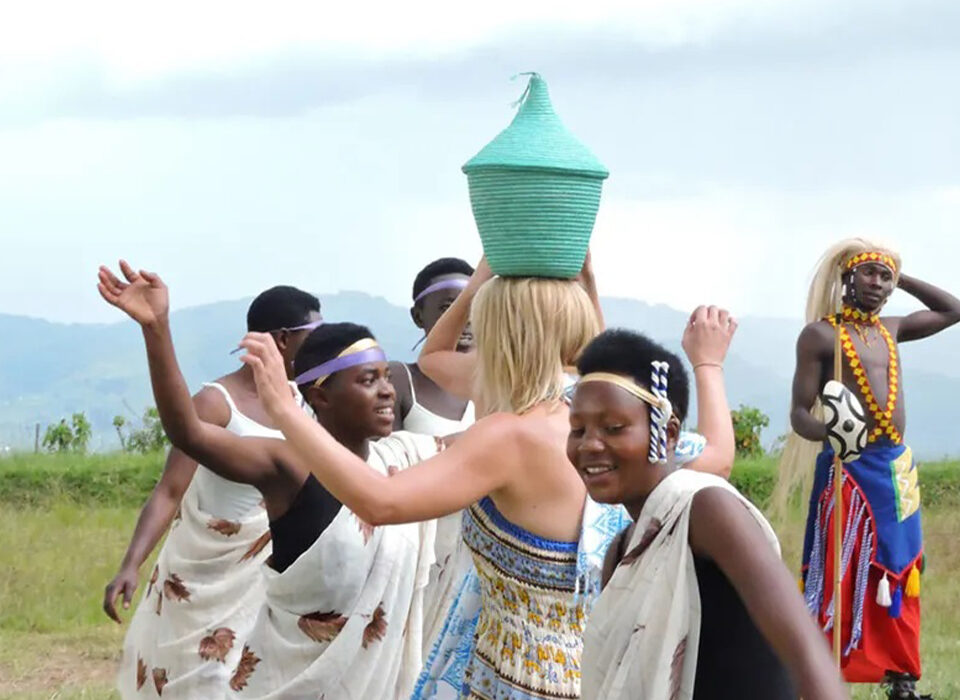
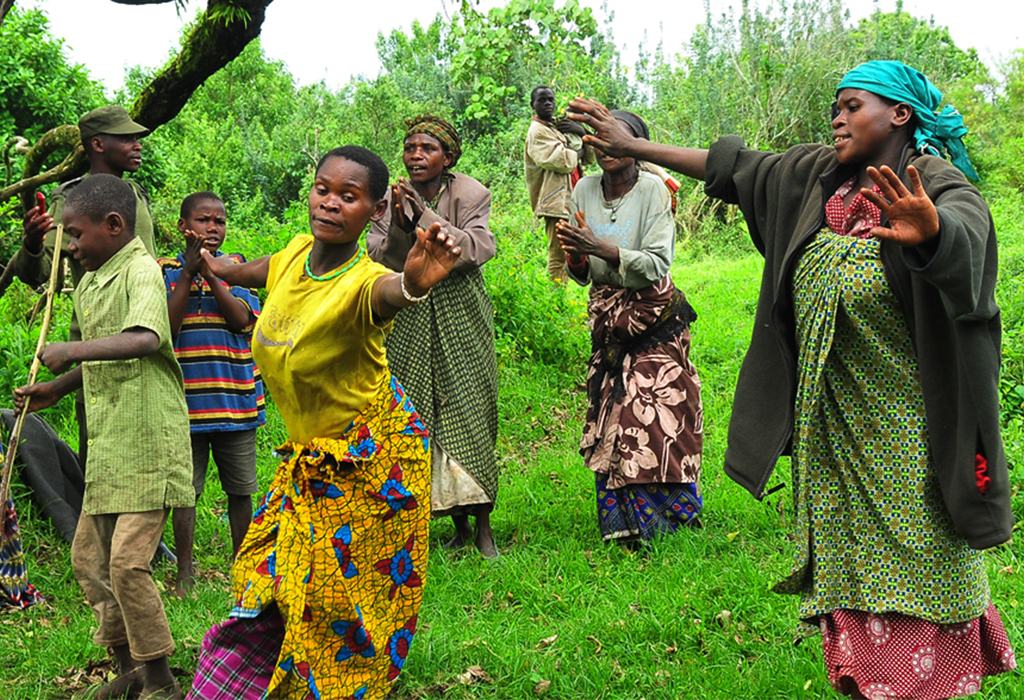
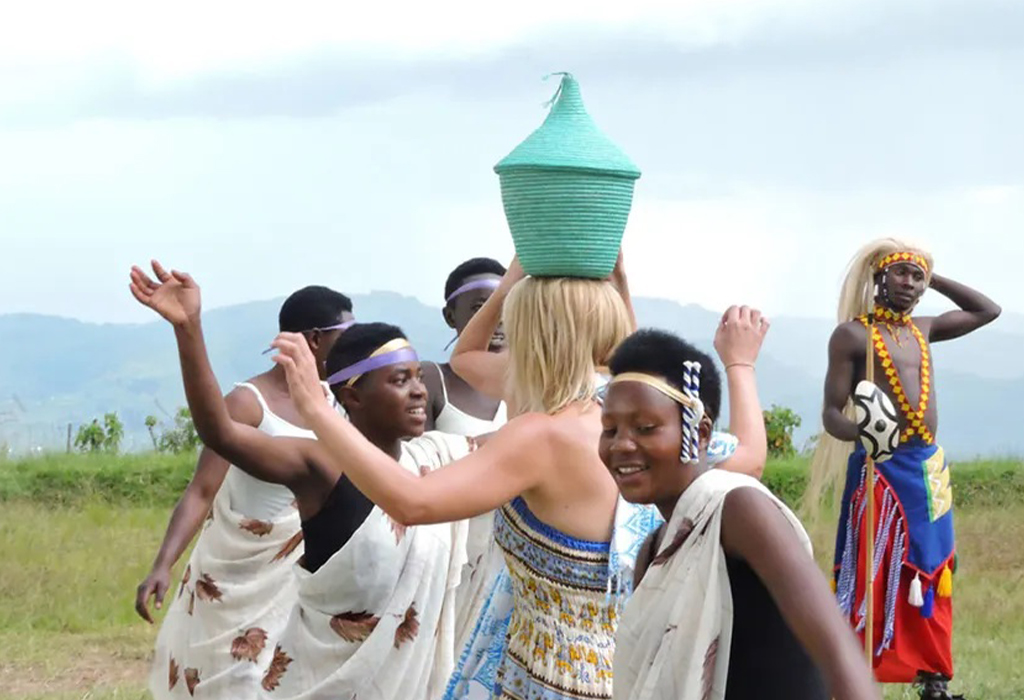
Uganda is a country of warm, welcoming people and rich traditions. Respecting local customs enhances your experience and builds meaningful connections. Always ask permission before photographing local residents; a simple, polite request is usually met with a smile. Dress modestly when visiting villages, cultural sites, or places of worship, covering shoulders and knees to show respect.
Avoid photographing government buildings, military installations, or security personnel, as this is illegal and carries serious consequences. In urban areas, never walk alone at night. Use pre-arranged transportation or trusted taxis. Keep valuables discreet to reduce the risk of opportunistic theft.
Health and Conservation
Good preparation ensures a safe and enjoyable safari. Carry a reliable rain jacket and sturdy, ankle-supporting boots, particularly for gorilla trekking in Bwindi, where terrain can be steep, slippery, and muddy. Tipping guides and rangers generously acknowledges their dedication and supports ongoing conservation efforts.
Do not participate in a primate trek if you feel unwell, even with mild symptoms. Gorillas share about 98% of human DNA and are highly susceptible to human illnesses. Protecting them from potential disease is crucial.
Embrace the Experience
Observing these dos and don’ts is not about restriction it is about enriching your safari experience. By acting responsibly, you help ensure that Uganda’s extraordinary wildlife, landscapes, and communities continue to thrive. Travel prepared, travel respectfully, and allow the beauty and wonder of the Pearl of Africa to transform your perspective forever.