
How Long Are Gorillas Pregnant?
February 10, 2026
How Many Days Do You Need for a Safari in Uganda
February 10, 2026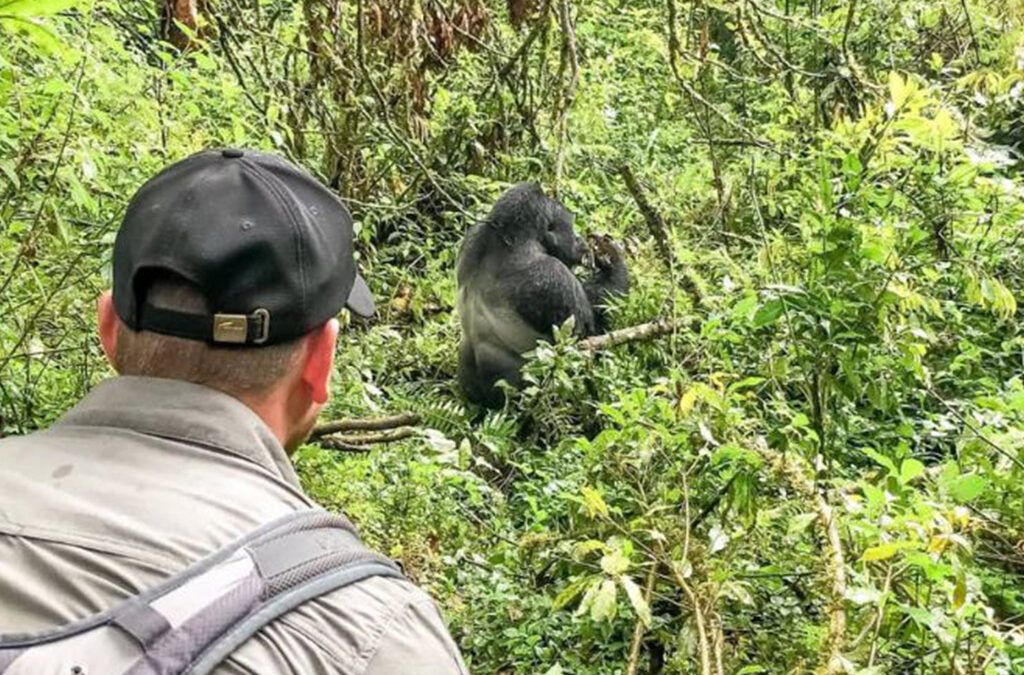
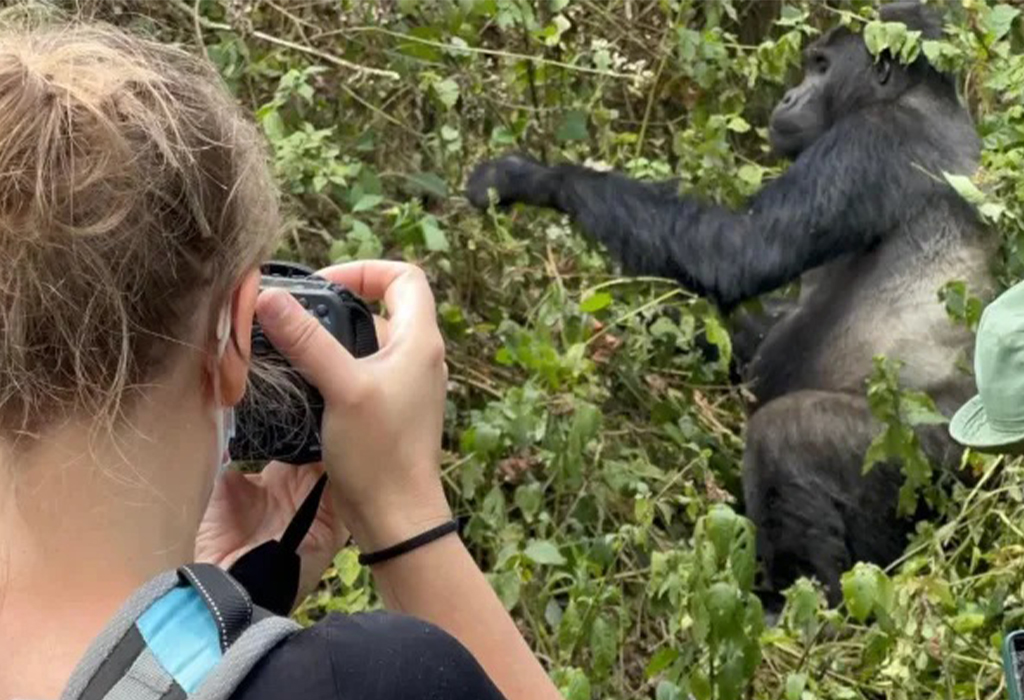
Uganda is one of the three countries in the world where travelers can enjoy unforgettable gorilla trekking holidays. Known as the Pearl of Africa, Uganda offers a rare opportunity to encounter endangered mountain gorillas in their natural habitat. With lush rainforests, mist-covered hills, and well-managed conservation programs, the country remains one of the best destinations for authentic gorilla trekking experiences.
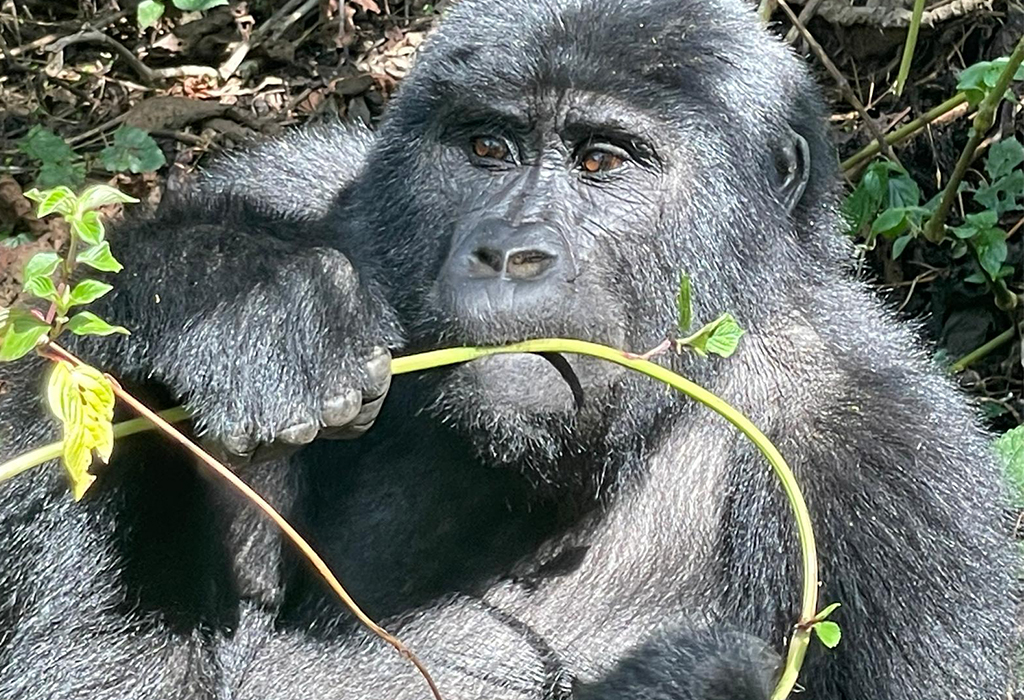
Currently, mountain gorillas live within the Virunga Conservation Area, a transboundary ecosystem shared by Uganda, Rwanda, and the Democratic Republic of Congo. Uganda alone hosts nearly half of the world’s remaining mountain gorilla population, making it a leading choice for wildlife lovers and adventure seekers alike.
Where Gorilla Trekking Takes Place in Uganda
Gorilla trekking holidays in Uganda take place in two national parks:
-
Bwindi Impenetrable National Park
-
Mgahinga Gorilla National Park
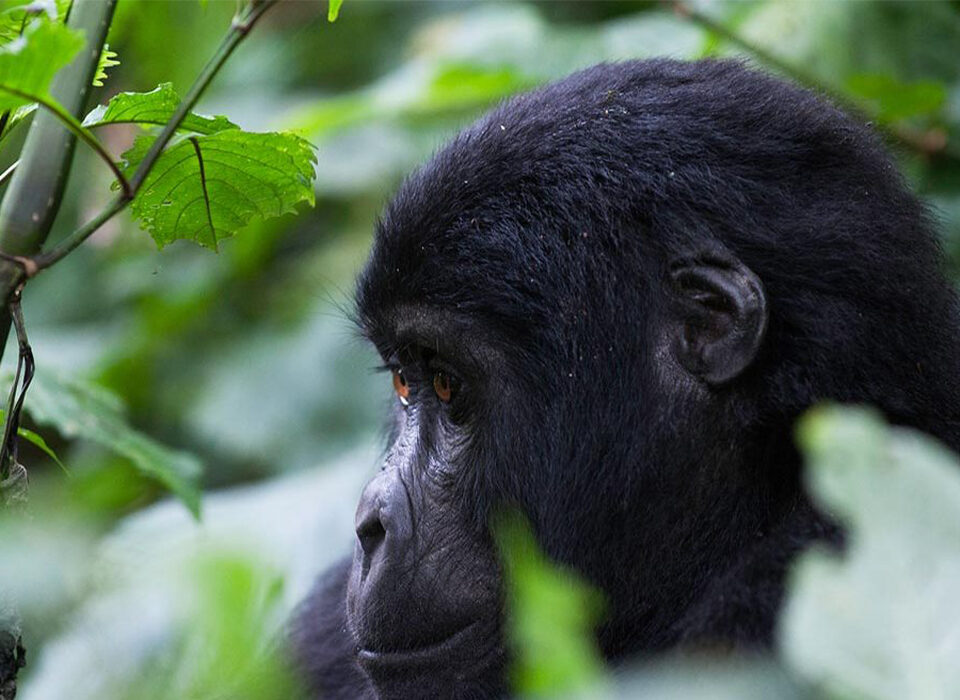
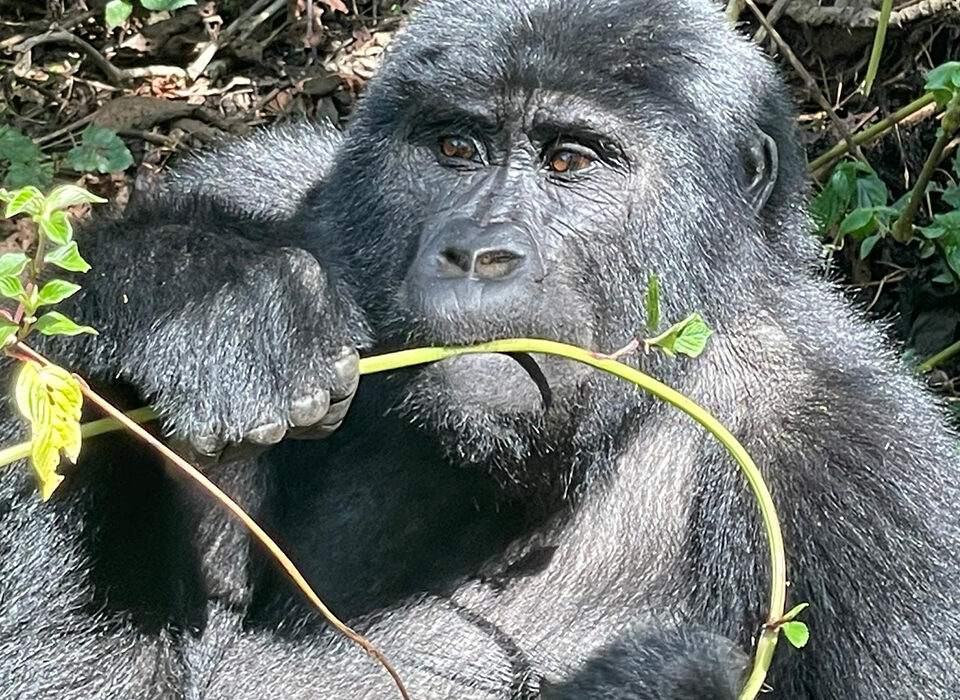
Bwindi Impenetrable National Park is the primary gorilla trekking destination and is home to about 400 mountain gorillas. This represents a significant portion of the global population. The remaining gorillas are shared among Mgahinga National Park in Uganda, Volcanoes National Park in Rwanda, and Virunga National Park in the Democratic Republic of Congo. Together, these parks protect approximately 480 mountain gorillas, often referred to as the gentle giants of the Virunga Mountains. Habituated Gorilla Families in Uganda
To ensure safe and sustainable tourism, only habituated gorilla families are available for trekking. Habituation is a long process that allows gorillas to become accustomed to human presence without altering their natural behavior.
Gorilla Families in Bwindi Impenetrable National Park
Bwindi Impenetrable National Park shelters 11 habituated gorilla families, spread across four main trekking sectors. Each sector offers a unique trekking experience influenced by terrain, vegetation, and gorilla movement patterns.
1. Buhoma Sector (Northern Bwindi)
This is the oldest and most popular sector. It hosts three gorilla families:
-
Mubare
-
Habinyanja
-
Rushegura
2. Ruhija Sector (Eastern Bwindi)
Located at a higher altitude, this sector offers cooler temperatures and scenic views. It is home to:
-
Bitukura
-
Oruzogo
-
Kyaguriro
3. Rushaga Sector (Southern Bwindi)
Rushaga has the highest number of habituated families, making it very flexible for permit availability. The five families include:
-
Nshongi
-
Kahungye
-
Mishaya
-
Busingye
-
Bweza
4. Nkuringo Sector (Southern Bwindi)
This sector shelters the Nkuringo gorilla family and is known for its challenging but rewarding treks.
Gorilla Family in Mgahinga National Park
Mgahinga Gorilla National Park has one habituated gorilla family, known as the Nyakagezi family. Unlike in the past, this group now resides permanently within the park, making gorilla trekking here more reliable than before.
Gorilla Permit Availability in Uganda
Gorilla trekking in Uganda is strictly regulated to protect the gorillas and their habitat. Each day, a limited number of permits are issued:
-
96 gorilla permits daily
-
88 permits for Bwindi Impenetrable National Park
-
8 permits for Mgahinga Gorilla National Park
-
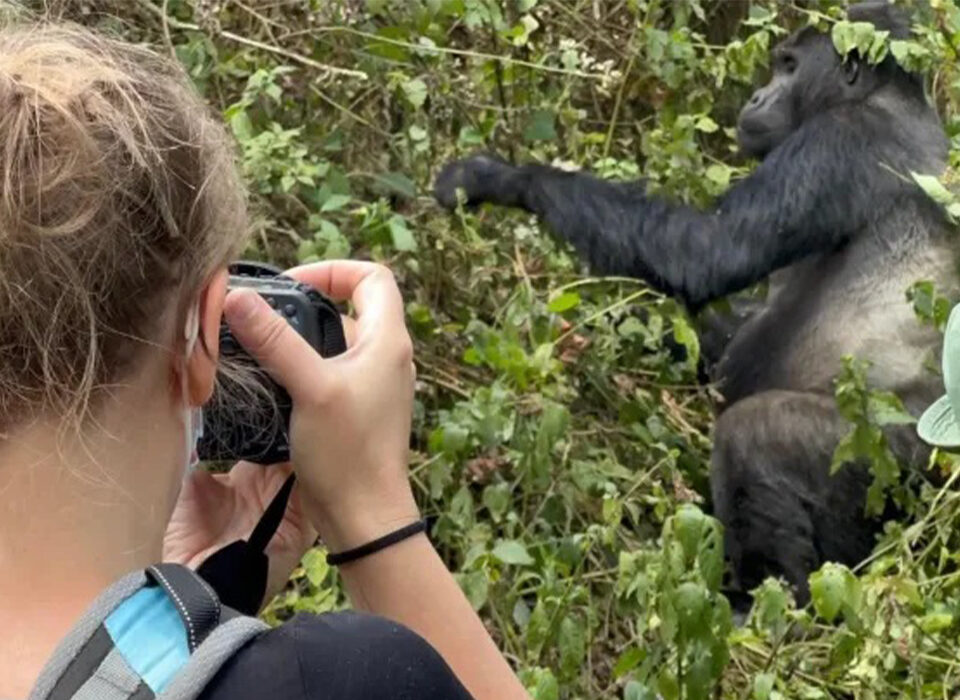
Each permit allows one person to spend one hour with a gorilla family. Because demand is high throughout the year, especially during peak seasons, it is advisable to book permits well in advance.
To secure a permit, travelers must provide passport details, as permits are issued in individual names and cannot be transferred.
Gorilla Permit Allocation on Trekking Day
Although permits are booked according to trekking sectors, gorilla family allocation happens on the actual trekking day. Park rangers assign visitors to specific gorilla families based on several factors, including:
-
Physical fitness
-
Trekking experience
-
Personal interests
For example, some travelers may prefer a gorilla family that stays closer to the starting point, while others may enjoy a longer, more challenging hike. Likewise, visitors interested in observing playful juveniles may request families with young gorillas.
For this reason, it is important to communicate your preferences early. Today’s system allows flexibility, unlike in the past when permits were tied to a fixed gorilla family.
Age Limit for Gorilla Trekking in Uganda
There is a strict age limit for gorilla trekking holidays in Uganda. All trekkers must be 15 years and above on the day of trekking.
Park authorities enforce this rule firmly. If a visitor is found to be underage, they will be denied access to the trek and no refund will be issued. In some cases, officials may request proof of age, such as a birth certificate or passport. Therefore, families planning gorilla trekking holidays should keep this requirement in mind.
Best Place to See Gorillas in Uganda
Many travelers often wonder whether Bwindi or Mgahinga is the best place to see gorillas in Uganda. While both parks offer excellent encounters, Bwindi Impenetrable National Park remains the most preferred option.
Bwindi has multiple trekking sectors and numerous gorilla families, which increases flexibility. If one gorilla family moves too far on a particular day, park authorities may reassign visitors to another nearby family. This flexibility does not exist in Mgahinga, which has only one habituated group.
However, Mgahinga offers a quieter experience, dramatic volcanic scenery, and fewer crowds. It can be a great choice for travelers seeking exclusivity and shorter treks—provided permits are available.
Final Thoughts on Uganda Gorilla Trekking Holidays
In conclusion, Uganda gorilla trekking holidays offer a life-changing wildlife experience rooted in conservation, adventure, and authenticity. Whether you choose the dense forests of Bwindi or the volcanic landscapes of Mgahinga, encountering mountain gorillas in the wild is both humbling and unforgettable.