


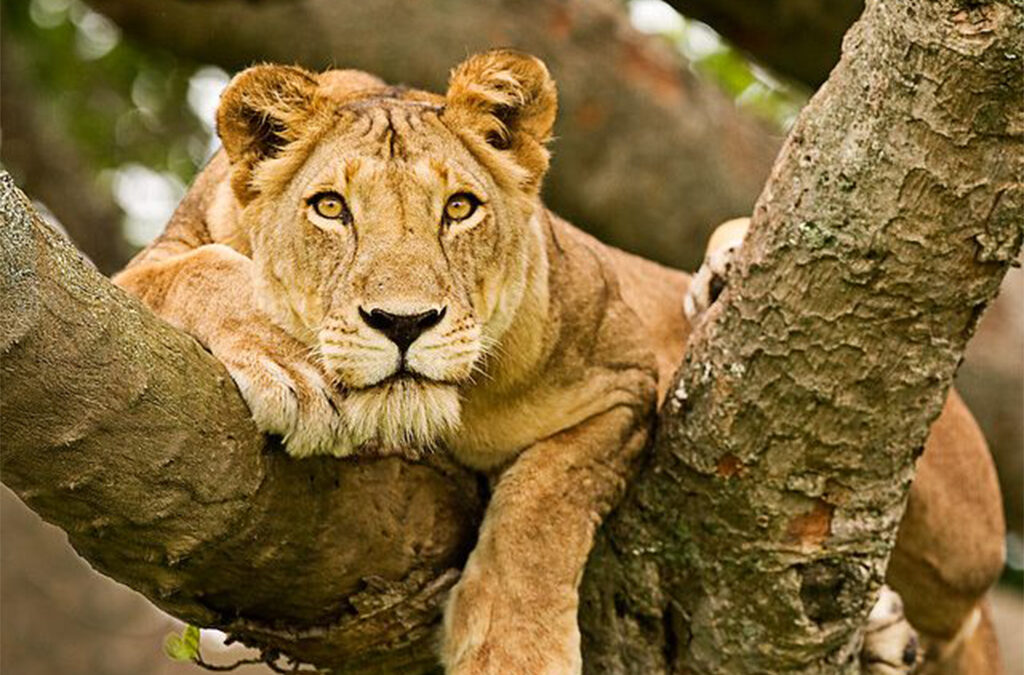
Did you know that lions can climb trees? Most people picture lions stretched out on open savannah grasslands, not balancing on thick branches high above the ground. Yet in Kenya’s Masai Mara, this unusual behavior has become one of the most fascinating wildlife sightings on safari.
Although lions are large, muscular cats built for life on the plains, some prides in the Mara have developed a habit of climbing trees. Seeing the “king of the jungle” lounging in a tree like a leopard surprises many travelers and adds a unique twist to the classic African safari experience.
The Masai Mara: A Dream Safari Destination
The Masai Mara, often simply called “the Mara,” ranks among Africa’s top safari destinations. Its vast, rolling plains create the perfect setting for unforgettable wildlife encounters. Visitors can easily spot elephants, giraffes, zebras, buffaloes, antelopes, wildebeests, hyenas, and, of course, lions during game drives.
Because the landscape is open and expansive, wildlife viewing feels both dramatic and accessible. Scattered trees dot the plains, and guides often check them carefully for leopards resting on branches or birds perched above the grasslands. However, in recent years, safari vehicles have increasingly gathered around trees for a different reason: lions stretched out on the branches.
This sight instantly draws attention. Instead of cameras pointing toward the ground, everyone looks up, amazed to see a pride of lions draped over tree limbs like oversized house cats.
A Rare Behavior That’s Becoming More Common
For a long time, people believed tree-climbing lions existed only in Uganda’s Queen Elizabeth National Park, where they frequently rest in fig trees. However, similar behavior has now appeared in parts of the Masai Mara. This shift has sparked curiosity among guides, researchers, and travelers alike.
Experts still debate why some lions climb trees. Several theories exist. First, lions may seek relief from ground-level heat by catching cooler breezes higher up. Second, they might climb to escape biting insects such as tsetse flies. Third, an elevated position offers a better view of their surroundings, allowing them to watch for prey or keep an eye on potential threats like rival prides or hyenas.
While no single explanation fully answers the question, one thing remains clear: tree-climbing lions have become one of the Mara’s most exciting and talked-about wildlife spectacles.
Where to See Tree-Climbing Lions in the Mara
Although sightings can occur in different parts of the ecosystem, the Mara Triangle has produced many reports of lions resting in trees. This area, known for its rich wildlife and scenic landscapes, offers excellent chances for rare and memorable encounters.
When out on a game drive, one obvious clue can guide you to a tree-climbing lion sighting: a cluster of safari vehicles gathered around a single tree. Drivers often communicate with one another, so news of a pride in a tree spreads quickly. If you see cars parked and people looking upward with cameras, chances are high that something special sits above.
In these moments, patience pays off. Even if you arrive late, lions often remain in the trees for hours, giving you plenty of time to observe and photograph them.
Why Sausage Trees Attract Lions
Interestingly, lions in the Masai Mara seem particularly fond of sausage trees (Kigelia africana). These trees have sturdy trunks and thick, spreading branches that grow almost horizontally. This structure creates natural platforms strong enough to support a lion’s weight.
The wide branches allow lions to lie comfortably, stretch out, or even nap without much effort. From their elevated resting spots, they can enjoy shade, cooling air, and a sweeping view of the plains below. So, when scanning the landscape, pay extra attention to sausage trees. Their distinctive shape and large hanging fruits make them easy to recognize.
Best Time of Day to Spot Tree-Climbing Lions
Timing plays an important role in increasing your chances of seeing lions in trees. Sightings most often occur in the afternoon, especially on warm or hot days. After hunting or feeding in the early morning, lions tend to rest during the heat of the day.
Instead of lying on the hot ground, some individuals choose to climb into trees to relax. Up there, they can escape the direct heat of the sun and enjoy a more comfortable resting place. The combination of shade and breeze makes tree branches surprisingly appealing.
Therefore, while early morning drives offer excellent predator activity, afternoon game drives provide a better chance of witnessing this unusual behavior.
Safari Etiquette and Safety Around Tree-Climbing Lions
Whenever a pride appears in a tree, excitement rises quickly. Vehicles gather, cameras click, and everyone tries to secure the best angle. However, this situation requires extra caution and responsible behavior.
Drivers sometimes feel tempted to position their vehicles directly under the tree for a dramatic view. This approach not only stresses the lions but also creates unnecessary risk. Wild animals can react unpredictably if they feel threatened or cornered.
To stay safe and respect the animals, always maintain a reasonable distance. Avoid parking directly beneath the branch where the lions rest. Give them space, remain quiet, and follow your guide’s instructions at all times. Responsible viewing ensures both your safety and the well-being of the wildlife.
A Highlight You Won’t Forget
Tree-climbing lions add an unexpected and thrilling dimension to a Masai Mara safari. This rare behavior challenges what many people think they know about lions and reminds us that wildlife constantly adapts in surprising ways.
Whether you are a first-time visitor or a seasoned safari traveler, seeing a lion draped across a tree branch against the backdrop of the African plains creates a memory that lasts a lifetime. With the right timing, a bit of luck, and a patient guide, you might just look up and find the king of beasts resting in the treetops.
