

Best Honeymoon Experience in Queen Elizabeth National Park
January 7, 2026
Things to Do in Buhanga Eco-Park, Rwanda
January 7, 2026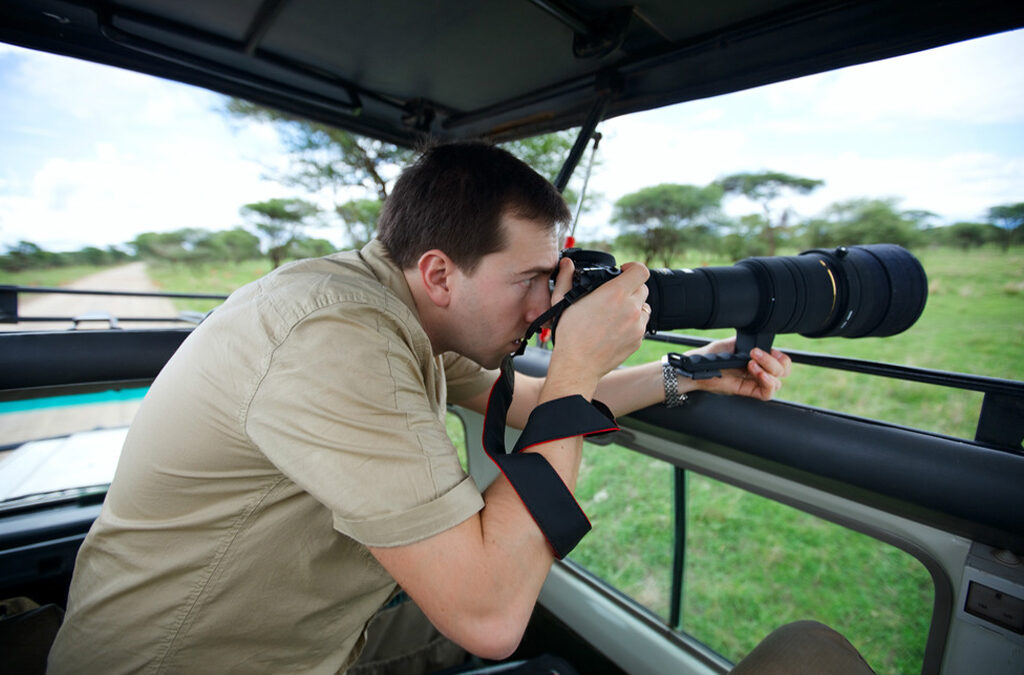
Planning an African safari is a dream for many travelers. The thought of witnessing lions on the hunt, herds of elephants roaming vast savannas, or gorillas in misty mountains is undeniably thrilling. Yet, many travelers make avoidable mistakes that can turn this once-in-a-lifetime adventure into a stressful experience. Whether you’re heading to Kenya, Tanzania, Uganda, Rwanda, or South Africa, careful planning ensures your safari is smooth, enjoyable, and worth every moment.
This guide explores the top travel mistakes to avoid, along with practical tips for creating a detailed itinerary, choosing the best travel time, and fully immersing yourself in Africa’s wilderness.
1. Booking Without Researching the Destination
Africa is vast and incredibly diverse. Each country offers unique landscapes, wildlife, and cultural experiences. A common mistake is booking a safari based on assumptions rather than research.
For example:
- Kenya’s Maasai Mara and Tanzania’s Serengeti are perfect for witnessing the Great Migration.
- Uganda and Rwanda are renowned for gorilla trekking.
- Botswana and Zambia are ideal for water-based safaris.
Failing to match your interests—whether it’s gorillas, the Big Five, or birdwatching—with the right destination can lead to disappointment. Take the time to read about each country’s highlights, wildlife seasons, and travel requirements before booking.
2. Ignoring the Best Time to Visit
Timing can make or break a safari. Wildlife movements, park accessibility, and weather conditions vary throughout the year. Traveling at the wrong time can mean missing key wildlife events or facing uncomfortable conditions.
- Dry Season (June to October): Ideal for classic safaris in Kenya, Tanzania, Botswana, and South Africa. Animals gather around waterholes, vegetation is thinner, and game viewing is excellent.
- Wet Season (November to May): Perfect for birdwatching and lush scenery, but roads can be muddy. In Uganda and Rwanda, short rains between March and May make gorilla trekking more challenging but less crowded.
- Great Migration: July to October in Maasai Mara, December to June in Serengeti.
- Gorilla Trekking: Can be done year-round, but dry seasons (June–August and December–February) offer easier trekking conditions.
Plan your safari around the wildlife experiences and weather conditions you most want to enjoy.
3. Planning a Rushed Itinerary
Trying to visit too many countries or parks in a short period is a common mistake. Africa is enormous, and road transfers can take hours. A rushed itinerary leaves no time for rest, delays, or unplanned discoveries.
Better Approach: Focus on fewer destinations and spend more time in each. This allows for multiple game drives, meaningful cultural encounters, and less travel fatigue.
This approach combines adventure, wildlife, and relaxation without overloading your schedule.
4. Overlooking Visa, Vaccination, and Health Requirements
Many travelers forget essential health and travel requirements until it’s too late. Some African countries require e-visas in advance, while others issue visas on arrival. Vaccinations, such as yellow fever, and malaria prevention are often mandatory.
- Ensure your passport is valid for at least six months beyond your travel dates.
- Carry vaccination certificates.
- Check travel health advisories.
- Have travel insurance that covers medical evacuation for peace of mind.
5. Packing the Wrong Gear
Packing for a safari is very different from packing for a beach holiday. Many travelers bring too much or the wrong type of clothing.
- Choose neutral colors like khaki, olive, and beige to avoid disturbing wildlife.
- Pack lightweight, breathable clothing for daytime and warm layers for early morning game drives.
- Essentials: wide-brimmed hat, sunscreen, insect repellent, and binoculars.
- For gorilla trekking, bring sturdy hiking boots, rain gear, and gloves to protect your hands from thorny vegetation.
6. Not Considering Internal Travel Logistics
Long road transfers or small aircraft flights between parks are common. Underestimating travel times can mean spending more time on the road than in the parks.
- Ask your tour operator for estimated travel times.
- Consider domestic flights to save time. For example, flying from Serengeti to Bwindi saves over a day compared to driving.
7. Choosing the Wrong Accommodation
Accommodation greatly influences your safari experience. Choosing solely based on price can leave you far from wildlife hotspots, limiting early morning or late evening game drives.
- Opt for lodges or tented camps inside or near park gates.
- If possible, select properties offering guided walks, night drives, or cultural interactions.
- For gorilla trekking, staying close to the trailhead minimizes early morning travel.
8. Forgetting to Budget for Hidden Costs
A safari involves more than park fees and accommodation. Hidden costs like tips, drinks, visa fees, insurance, laundry, and optional activities can add up quickly.
- Discuss inclusions and exclusions with your operator before booking.
- Carry small denominations of cash for tips and local purchases.
- Planning a clear budget helps prevent financial surprises.
9. Skipping Travel Insurance
Some travelers skip insurance to save money, but this is risky. African safaris can involve rough roads, unpredictable weather, and wildlife hazards.
- Comprehensive insurance covering medical evacuation, trip cancellation, and lost luggage is essential.
- Emergency evacuations in remote areas are costly without coverage.
10. Underestimating the Value of a Professional Guide
Your guide can make or break your safari. An inexperienced or unlicensed guide may miss wildlife behavior cues, safety procedures, or prime spotting times.
- Choose reputable, certified guides.
- A skilled guide enhances your experience by explaining animal behavior, cultural insights, and photography opportunities.
- Safety and memorable sightings increase significantly with professional guidance.
11. Ignoring Cultural Etiquette
Africa is home to diverse cultures. Some travelers unintentionally offend locals by taking photos without permission or dressing inappropriately in villages.
- Respect local customs and dress modestly.
- Always ask before photographing people.
- Participate with an open mind—it adds depth to your safari.
12. Not Allowing Time to Rest
Safaris are exhilarating but can be exhausting. Early mornings, bumpy drives, and long treks take a toll.
- Schedule downtime to recharge between activities.
- After gorilla trekking or multiple game drives, relax at a lodge with scenic views or a pool.
13. Failing to Confirm Booking Details
Miscommunication can lead to double bookings or missed transfers.
- Double-check your itinerary, flights, and hotel reservations.
- Confirm pick-up times and payment receipts.
- Keep both digital and printed copies of your itinerary for safety.
14. Not Hiring a Reputable Tour Operator
Choosing the cheapest operator without verifying credentials is risky. Some companies cut corners, use unreliable vehicles, or skip park permits.
- Select a licensed, experienced operator that prioritizes safety and responsible tourism.
- A good operator handles permits, logistics, and park entry efficiently, letting you focus on enjoying your safari.
Best Time for an African Safari
The ideal time depends on your interests:
- Wildlife Viewing: June to October for dry conditions and concentrated wildlife.
- Birdwatching: November to March for migratory birds.
- Gorilla Trekking: June–August and December–February for comfort.
- Photography: Green season (December to May) offers lush landscapes and dramatic skies.
Booking early during peak seasons ensures availability, especially for gorilla permits or luxury lodges.
Final Thoughts
An African safari is one of life’s most extraordinary adventures, offering unmatched encounters with nature and culture. Careful planning ensures that your safari is not only memorable but also smooth and stress-free.
Do your research, plan a realistic itinerary, pack smartly, and work with experienced guides. Whether you’re tracking mountain gorillas in Uganda, watching wildebeest in the Serengeti, or exploring Botswana’s Okavango Delta, thoughtful preparation guarantees an unforgettable journey filled with awe, discovery, and lifelong memories.
