Viewing Elephants in Akagera National Park
March 23, 2026
Family-Friendly Safari: Seeing Giraffes in Murchison Falls National Park with Kids
March 24, 2026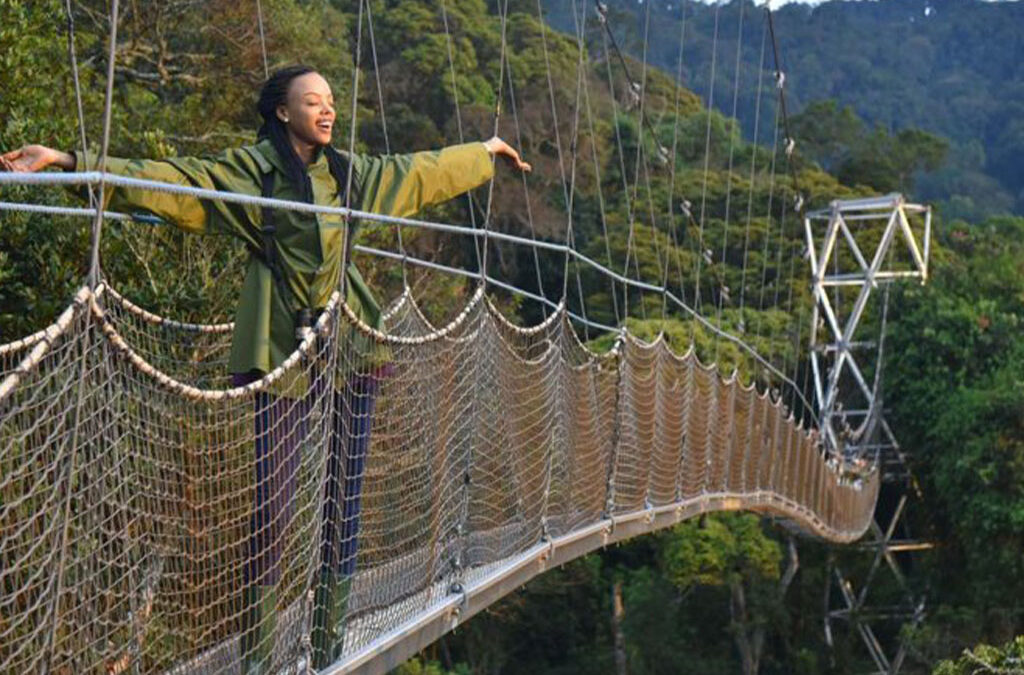
Rwanda has quickly risen as one of Africa’s leading destinations for wildlife photography safaris. Known as the “Land of a Thousand Hills,” the country offers an extraordinary mix of landscapes from mist-covered volcanoes and ancient rainforests to open savannas and shimmering lakes.
In 2026, Rwanda continues to attract photographers from around the world who are eager to capture rare, powerful, and emotional wildlife moments. From mountain gorillas and chimpanzees to lions, elephants, and hundreds of bird species, Rwanda delivers unforgettable photographic opportunities in a compact and well-protected setting.
Because the country prioritizes conservation and sustainable tourism, every safari feels intimate, responsible, and deeply rewarding.
Why Rwanda Is Perfect for Wildlife Photography Safaris
Rwanda stands out because of its incredible ecological diversity packed into a small geographic area. In just a few hours, you can move from dense rainforest to open savanna or misty mountain slopes. This unique accessibility allows photographers to capture a wide variety of subjects within a single trip.
Moreover, Rwanda enforces strict conservation policies. Park entry is controlled, visitor numbers are limited, and wildlife protection is taken seriously. As a result, animals behave naturally, and sightings feel exclusive rather than crowded.
In addition, Experiya Tour Company ensures smooth travel experiences through professional guiding, reliable logistics, and carefully selected lodges close to key photography locations.
Where to Capture the Best Wildlife Photos in Rwanda
Rwanda offers four main wildlife photography hotspots. Each destination delivers a different atmosphere, lighting style, and photographic challenge.
1. Volcanoes National Park – Iconic Gorilla Photography
Volcanoes National Park is Rwanda’s crown jewel for wildlife photography. Located in the northwest, it sits within the dramatic Virunga Mountains and protects several habituated mountain gorilla families.
Here, photographers get the rare chance to spend one unforgettable hour with a gorilla group once located by trackers.
During this time, you can capture:
- Close-up portraits of silverbacks in their full presence
- Playful juvenile gorillas swinging through bamboo
- Emotional family interactions in soft rainforest light
Because the forest is often misty, it naturally enhances depth and mood in your images. As a result, every frame feels cinematic and powerful.
To get the best results, use fast lenses, high ISO settings, and silent shooting modes. Above all, remain patient gorilla photography rewards calm observation.
2. Akagera National Park – Classic Big Five Safari Photography
Akagera National Park offers a completely different experience. Unlike the forested west, this park features open savannas, rolling hills, and scenic lakes.
It is Rwanda’s only Big Five destination, home to:
- Lions
- Leopards
- Elephants
- Rhinos
- Buffalo
During sunrise and sunset game drives, golden light stretches across the plains, creating perfect conditions for dramatic wildlife photography. You may capture elephants walking through acacia trees or giraffes silhouetted against glowing skies.
In addition, boat safaris on Lake Ihema provide unique water-level perspectives. Here, you can photograph:
- Hippos surfacing in calm waters
- Crocodiles resting along the banks
- Kingfishers diving for fish
With over 500 bird species, Akagera also offers incredible opportunities for bird photography. Therefore, a telephoto lens becomes essential.
3. Nyungwe Forest National Park – Primate and Canopy Photography
Nyungwe Forest National Park is one of Africa’s oldest rainforests, and it offers a completely immersive jungle photography experience.
The park is home to 13 primate species, including:
- Chimpanzees
- Black-and-white colobus monkeys
- Blue monkeys
Chimpanzee tracking is especially exciting. Since chimps move quickly through dense forest, photographers must stay alert and use fast shutter speeds to capture their energy and expression.
The lighting in Nyungwe is soft and filtered, which creates moody, atmospheric images filled with deep greens and misty layers.
Additionally, the famous canopy walkway offers breathtaking aerial views. From here, you can capture wide-angle shots of endless forest stretching into mist-filled valleys.
Macro photographers will also find endless subjects, from colorful insects to rare orchids and fungi.
4. Gishwati-Mukura National Park – Quiet and Intimate Wildlife Photography
Gishwati-Mukura National Park is Rwanda’s newest protected area, and it offers a peaceful, off-the-beaten-path experience.
Because it receives fewer visitors, photographers enjoy quiet moments with nature and wildlife without distraction.
The park shelters:
- Chimpanzees
- Golden monkeys
- Rich birdlife
Here, photography becomes more intimate and storytelling-focused. You can capture details such as dew-covered leaves, soft morning mist, and subtle primate interactions.
Furthermore, Gishwati-Mukura tells an important conservation story — the regeneration of forests once heavily degraded. This adds emotional depth to every image you take.
When Is the Best Time for Wildlife Photography in Rwanda?
The best time for wildlife photography in Rwanda is during the dry seasons:
- June to September
- December to February
During these months, skies remain clearer, vegetation is thinner, and wildlife becomes easier to spot. As a result, photographers enjoy sharper and more predictable shots.
However, the rainy seasons (March to May and October to November) also offer unique creative advantages. The landscapes turn lush and vibrant, while mist and rain add mood and drama to your images.
Ultimately, both seasons deliver strong photographic value — it depends on whether you prefer clarity or atmosphere.
What Equipment Do You Need for a Wildlife Photography Safari?
To capture Rwanda effectively, you should pack gear suitable for both rainforest and savanna environments.
Essential equipment includes:
- DSLR or mirrorless camera with strong low-light performance
- Telephoto lens (100–400mm or 300mm prime) for wildlife close-ups
- Wide-angle lens (16–35mm) for landscapes and environmental shots
- Fast lens (f/2.8 or wider) for forest conditions
- Tripod or monopod for stability
- Rain covers and microfiber cloths for humidity protection
- Extra batteries and memory cards
In addition, always prioritize mobility and protection, especially in rainforest environments.
Top Tips for Wildlife Photography in Rwanda
To make the most of your safari, keep these practical tips in mind:
Start early in the morning because wildlife is most active and lighting is soft.
Follow your guide’s instructions closely since they understand animal behavior and terrain.
Be patient, as great wildlife shots often require long quiet moments of waiting.
Avoid flash photography to keep wildlife relaxed and natural.
Focus on storytelling by capturing both wildlife and environmental context.
Protect your equipment from moisture, dust, and sudden weather changes.
When you approach photography with respect and awareness, your results become more meaningful and authentic.
Combining Wildlife Photography With Cultural Experiences
Rwanda offers more than wildlife. It also provides rich cultural and urban photography opportunities that add depth to your portfolio.
In Kigali, you can photograph:
- Vibrant local markets
- Contemporary street art
- Historical and memorial sites
In rural communities, you can document:
- Traditional dances and ceremonies
- Tea plantations on rolling hills
- Everyday village life near national parks
By combining wildlife and cultural photography, you create a complete visual story of Rwanda one that reflects both nature and people.
What Makes Rwanda Unique for Wildlife Photographers in 2026?
By 2026, Rwanda continues to stand out as a model for sustainable tourism and wildlife protection. In a single trip, photographers can capture gorillas, lions, chimpanzees, elephants, and more all within short travel distances.
The country’s strong conservation policies, improved infrastructure, and eco-friendly lodges make travel smooth and rewarding. For example, developments around airports and road networks have made remote parks more accessible than ever.
With support from Experiya Tour Company, photographers can easily design multi-park itineraries that maximize both time and photographic opportunities.
Conclusion
Rwanda offers some of the most powerful wildlife photography experiences in Africa. Whether you are capturing a gorilla’s quiet gaze in Volcanoes National Park, a lion resting in Akagera, or chimpanzees moving through Nyungwe’s canopy, every moment feels raw and unforgettable.
Because of its safety, conservation focus, and breathtaking diversity, Rwanda remains a dream destination for wildlife photographers in 2026.
Ultimately, every image you capture here goes beyond aesthetics it becomes part of a larger story about conservation, coexistence, and the beauty of the natural world.