When to Visit Bwindi Impenetrable National Park for Gorilla Trekking Adventure:
December 2, 2025
Which Sector in Bwindi Has Many Gorilla Families? A Complete Guide for Trekking Enthusiasts
December 2, 2025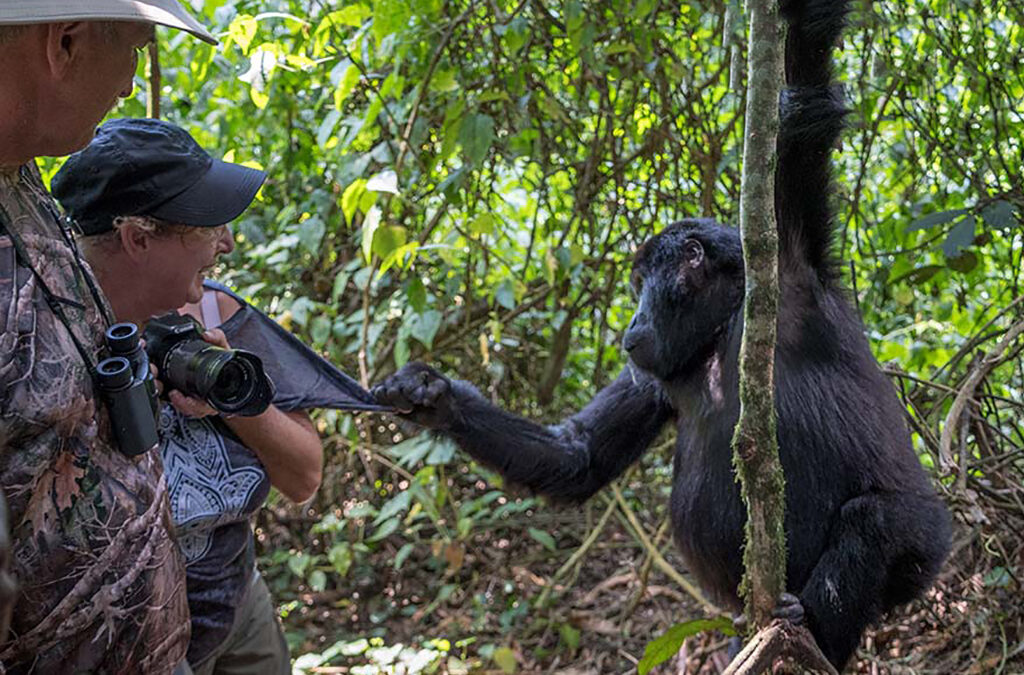
Bwindi Impenetrable Forest rests in the far southwest of Uganda, where mist rolls over green mountains and ancient trees rise like walls of life. This rainforest feels wild, deep and untouched, and every step draws you closer to its secrets. Sunlight slips through thick branches, birds call from hidden places, and the air carries the smell of earth and fresh leaves. You sense adventure the moment you arrive, and each path invites you to explore more. Bwindi is a UNESCO World Heritage Site because of its rare animals, rich plant life and strong cultural traditions. Travelers come here to meet mountain gorillas, hike through green valleys, and learn from the communities that have lived beside the forest for generations. Every journey here feels personal, exciting and full of discovery.
Meeting the Mountain Gorillas
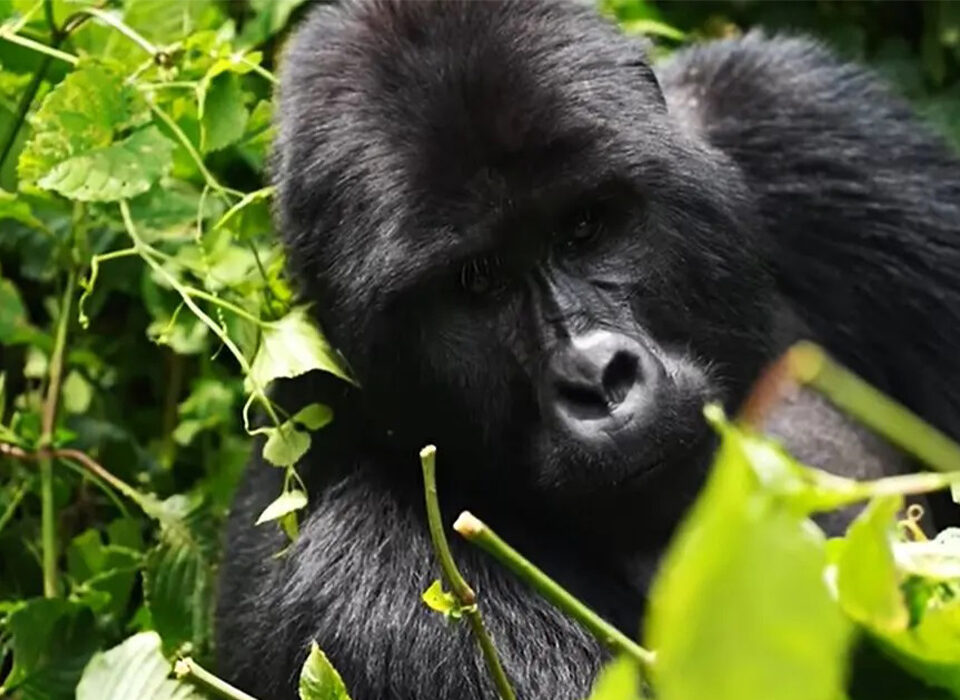
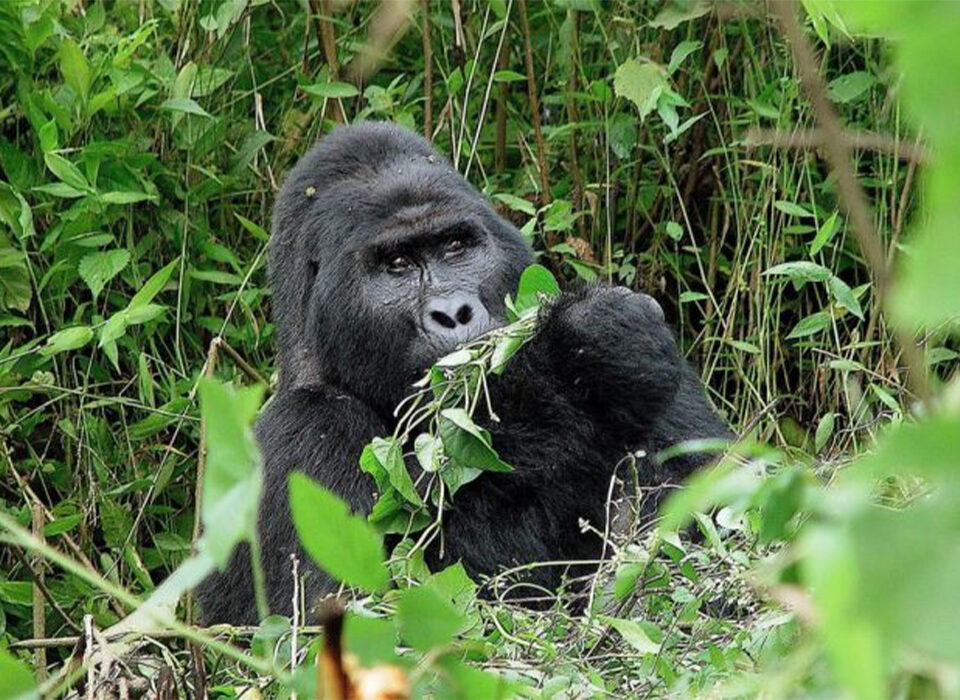
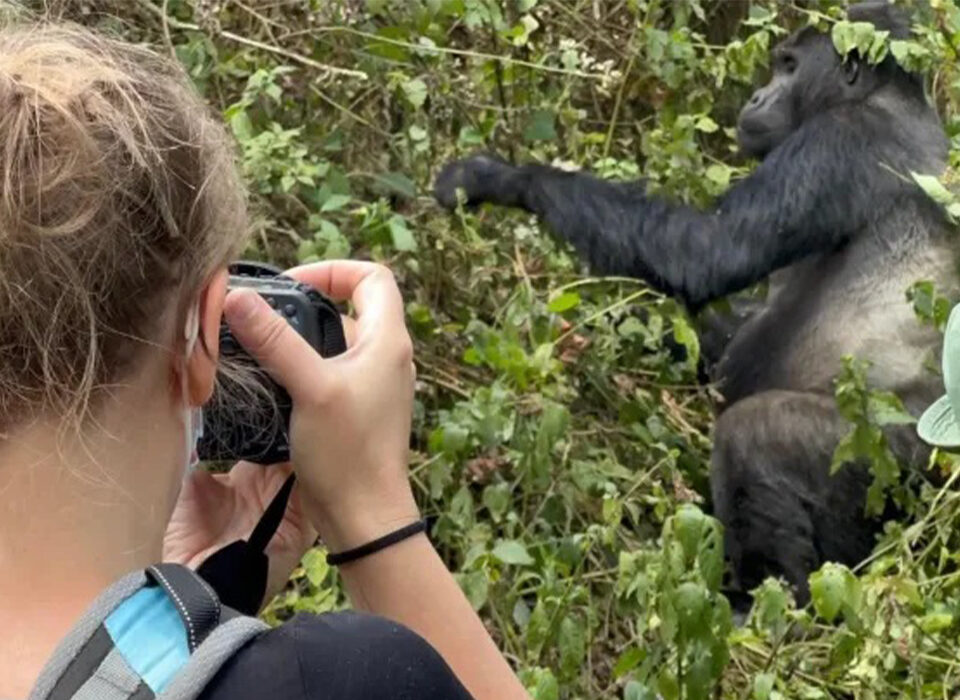
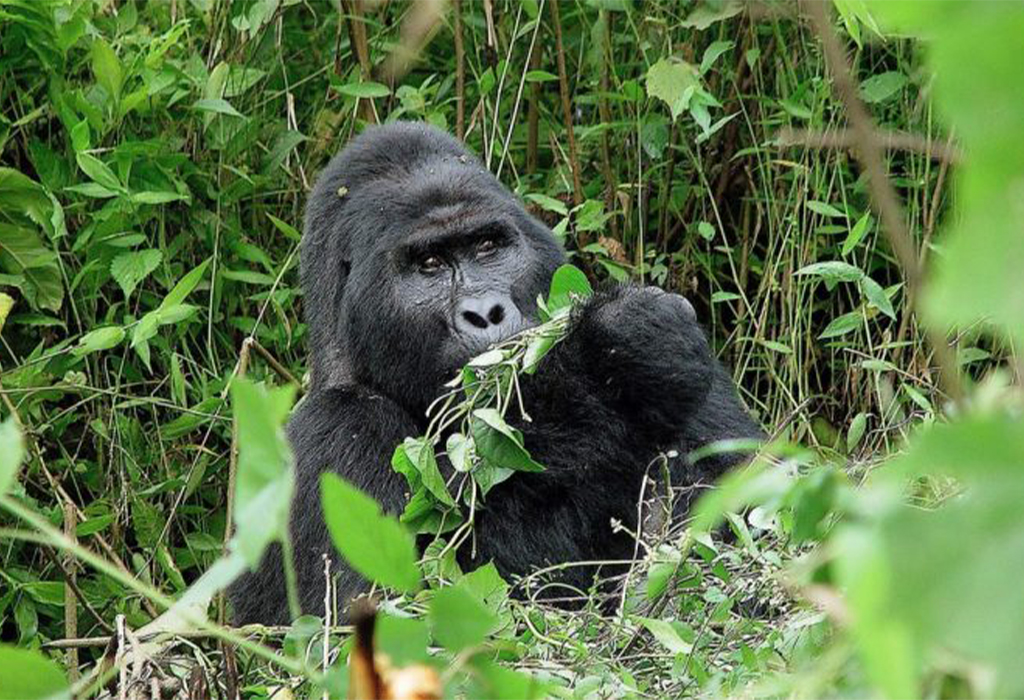
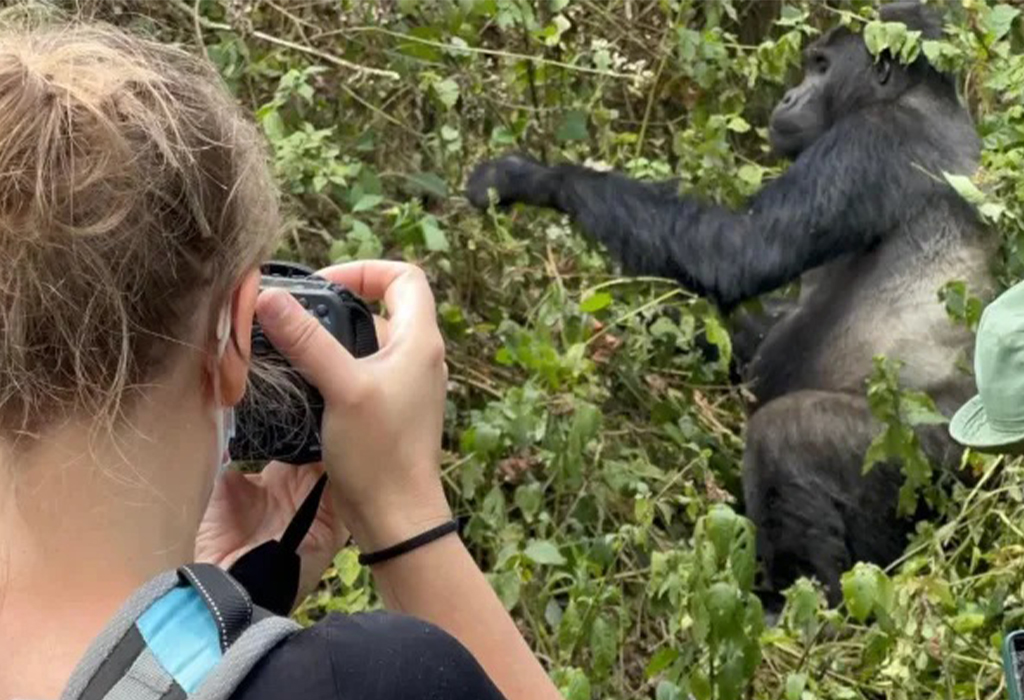
Nothing compares to walking into the forest to meet the mountain gorillas. Rangers guide you through thick vegetation as you follow signs the gorillas leave behind. You step over broken bamboo, pass fresh dung and listen for distant chest beats echoing through the trees. Your heart races as you move deeper into the forest. When you finally reach a gorilla family, everything goes quiet. You stand only a few meters away as the silverback watches over his group, young gorillas tumble in play, and mothers groom their babies.
Bwindi protects more than 36 gorilla families, some habituated for tourism and others still wild. Treks can take a few hours or last the whole day depending on where the gorillas move. The forest shifts around you, and each trek feels unique. Bwindi also offers the rare Gorilla Habituation Experience, where you spend four unforgettable hours with a family as trackers and researchers guide you. You watch the gorillas feed, communicate and move through their home. The surrounding landscape adds even more beauty, with rolling hills, mist-filled valleys and giant trees that make you feel like you are walking through an ancient kingdom.
Wildlife You Do Not Expect
Most travelers arrive with dreams of seeing gorillas, but Bwindi holds many surprises. Over 120 types of mammals live here, and the forest often reveals them when you least expect it. You might find forest elephants moving silently through the bushes, leaving only snapped branches behind. Black-and-white colobus monkeys leap between tall trees, their long tails flowing behind them. L’Hoest’s monkeys move in small groups, their white beards bright against the dark forest.
Chimpanzees also live here, sharing the same habitat as the gorillas, which is rare in the animal world. You may hear them calling from deep inside the forest as you walk. Bird lovers will feel as if they have stepped into paradise. More than 350 bird species fill the forest with sound. You may spot the bright green African broadbill or the colorful great blue turaco gliding through the canopy. Each walk in Bwindi brings new flashes of color, new calls and new discoveries.
Trails, Hikes and Forest Walks
Bwindi is one of Africa’s top hiking destinations, and its trails make you feel close to nature with every step. The forest canopy shelters you as cool mountain air brushes your skin. Leaves rustle, insects hum and the paths twist through thick vegetation. One of the most popular treks is the full-day hike from Buhoma to Nkuringo, which takes about five to seven hours. This walk leads you across ridges, through valleys and past viewpoints where mist floats like soft clouds beneath your feet.
Shorter walks take you to waterfalls, clear streams and lookout points. Local guides help you spot rare plants, animal tracks and birds hidden in the leaves. Every corner reveals something new—perhaps a butterfly showing off bright wings or a hornbill calling from far above. The forest feels alive, and each trail invites you to slow down, breathe deeply and enjoy the moment.
Culture and Community Connections
Travel in Bwindi is not only about nature. It is also about meeting the people who call this place home. The Batwa people, who once lived entirely in the forest, share their traditions on the Batwa Forest Trail. When you walk with them, you hear stories of how they hunted, made fire, collected plants and lived in harmony with the trees. Their knowledge helps you understand the forest in a deeper way.
Nearby villages welcome travelers with warm smiles and open hearts. The Bakiga people invite you to join cooking classes, taste local food, learn traditional dances and explore craft markets full of handmade items. These moments feel personal and joyful. You share laughter, learn skills and support families who work hard to keep their culture strong. Bwindi’s UNESCO status honors both its natural beauty and its cultural importance, and every visit helps protect this special place.
Activities Beyond Gorilla Trekking
Gorilla trekking may be the highlight, but Bwindi offers many other activities that fill your days with adventure and calm. You can go canoeing on Lake Mutanda, where still waters reflect the volcanoes standing tall in the distance. The quiet rhythm of paddling makes you feel peaceful as birds fly low over the lake. Photography walks around the lodge and nearby hills let you capture the forest’s golden light, rolling landscapes and deep colors. Birdwatching tours suit both expert birders and beginners. Guides help you spot rare species and explain their calls and behavior.
Village visits add even more depth to your trip. You can learn how farmers grow crops on steep hills, join craft-making sessions or explore local markets filled with bright patterns and handmade tools. These activities create a full and rich experience that stays with you long after you leave.
When to Visit Bwindi Forest
Bwindi welcomes visitors throughout the year, but each season brings its own atmosphere. The drier months from June to September and December to February offer the best trekking conditions. Trails are easier to walk, the weather feels comfortable and wildlife viewing becomes more predictable. These months attract the most travelers, which creates a lively and social atmosphere.
The wetter months from March to May and October to November bring heavier rain, making the forest greener and more vibrant. Mist hangs low, flowers bloom and the air feels fresh. Trails can be slippery and challenging, but the forest becomes quieter, and you may enjoy more private moments with nature. Both seasons offer something special, and your experience will depend on the type of adventure you want.
Tourism Seasons
High season in Bwindi runs from June to September and December to February. During these periods, many travelers visit, and the forest feels energetic. Permits may be more limited, and lodges often fill quickly. The dry weather, however, makes trekking smoother and views clearer.
Low season lasts from March to May and October to November. The forest receives more rain, but visitor numbers drop. You enjoy more peaceful trails, more space at viewpoints and sometimes lower prices. The forest looks incredibly lush, and photographers often love the dramatic skies and deep colors. No matter when you visit, Bwindi gives you moments of wonder and beauty at every turn.