

Celebrate Your Wedding Anniversary with a Gorilla Trek in Uganda or Rwanda
December 6, 2025
Exploring More of Uganda Beyond Gorilla Trekking
December 6, 2025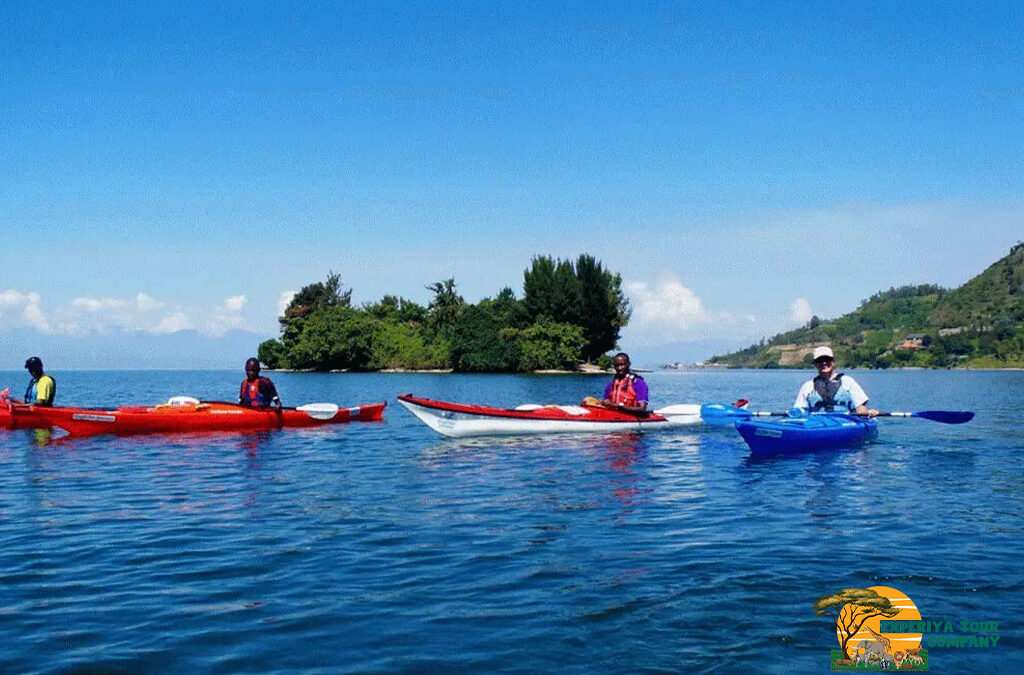
Top Reasons Lake Kivu Completes Any Rwanda Safari
Are you planning a Rwanda safari and wondering what to add after the big-ticket parks and treks? Are you dreaming of a quiet place to rest your legs, slow your pace, and watch life unfold on the water? Perhaps you’re picturing a calm lake framed by green hills, soft afternoon light, and fishing boats gliding home at dusk. And maybe you’re longing for warm evenings, gentle waves, and the smell of grilled fish drifting along the shore.
If you feel drawn to villages, coffee farms, and friendly lakeside towns or if you simply want a peaceful pause after gorilla trekking, game drives, or canopy walks then Lake Kivu might be exactly what your safari needs. It is the kind of place where quiet moments often become your favourite memories.
Lake Kivu: The Perfect Ending to a Rwanda Safari
Lake Kivu perfectly completes a primates-and-wildlife safari because it offers deep rest after the high-energy adventures found in Rwanda’s national parks. The lake stretches along the border between Rwanda and the Democratic Republic of Congo, creating a rare blend of wilderness, tranquillity, and broad, open horizons.
As soon as you arrive, the pace naturally slows. Gentle waves roll toward the shore, the air warms slightly, and mornings feel softer and brighter. After trekking to see mountain gorillas in Volcanoes National Park, searching for wildlife in Akagera, or tracking chimps in Nyungwe, Lake Kivu gives you the space to exhale. Sunsets stretch lazily across the hills and the water reflects the sky like polished glass. Instead of rushing to your next activity, you finally have time to sit still, breathe deeply, and absorb everything your safari has offered.
Where Exactly Is Lake Kivu?
Lake Kivu curves gracefully along Rwanda’s western border, following a long ribbon of emerald hills, peaceful villages, and terraced slopes. On clear days, distant volcanoes rise above the lake like quiet guardians. Because the lake stretches for many kilometres, each section offers a unique atmosphere while maintaining the same soothing, lakeside charm.
Three main towns naturally serve as your base:
Gisenyi (Rubavu) lies in the north, offering sandy beaches and a lively yet relaxed feel.
Karongi (Kibuye) sits in the centre, where tiny islands dot the water and sunsets take on a golden, dreamlike glow.
Rusizi (Cyangugu) rests in the south, offering the quietest, most remote experience, especially convenient for travellers exploring Nyungwe.
Driving between these towns becomes part of the journey. The road winds through terraced farms, banana groves, and small, friendly communities. At almost every turn, stunning viewpoints tempt you to stop and take in the landscape.
Choosing the Best Town as Your Base
When you arrive in Gisenyi, you immediately sense a relaxed, sociable atmosphere. People stroll along the beach promenade, music drifts over the water, and boats return to the shoreline as evening settles in. The town feels lively yet wonderfully laid-back.
As you continue south to Karongi, the mood becomes gentler and more poetic. Small islands scatter across the water, fishermen light lanterns on their boats at dusk, and the reflections on the lake glow like a moving constellation.
Further along in Rusizi, the experience becomes quieter and more remote. Steep green hills rise behind the shoreline, birdsong replaces traffic, and the entire town feels like a peaceful retreat—an ideal escape before or after immersing yourself in Nyungwe Forest.
Swim in Calm, Safe, Crocodile-Free Water
Unlike many African lakes, Lake Kivu allows you to swim safely because it has no crocodiles or hippos. The water stays pleasantly warm often around 24°C which makes every swim feel soothing and inviting.
Shallow, sandy areas near the main towns allow you to enter the water easily. Early mornings create especially magical scenes, with mist floating above the surface and hills reflecting like a painting. Even travellers who rarely swim often find themselves relaxing into the water here, discovering a new sense of calm and freedom.
Enjoy Easy, Stress-Free Water Activities
Lake Kivu also offers simple, relaxing water activities that suit all skill levels. You can glide along the coast in a kayak, drifting past quiet coves and terraced fields. You can step onto a paddleboard and enjoy wide, open views, especially around Rubavu where the water stays steady throughout the day. If you prefer a boat trip, local guides can take you to islands such as Napoleon Island home to a vast population of fruit bats or to Peace Island near Karongi, where tranquillity sets the tone.
Fishing experiences add another layer to your visit. You can join fishermen as they set out to catch sambaza, the local sardine-like fish, and then enjoy tasting them grilled fresh as the sun sets. Since most lodges easily arrange these activities, you simply sign up and step onto the boat.
Discover Quiet Wildlife and Beautiful Birdlife
Although Lake Kivu doesn’t host big game, it rewards patient nature lovers with gentle, inspiring moments. African fish eagles circle overhead before plunging into the water with a dramatic splash. Pied kingfishers hover like tiny helicopters, then dart downward. Malachite sunbirds glow with green and gold feathers in the morning light while cormorants stretch their wings along the rocks. Pelicans glide silently through calm inlets. With a bit of luck, you might even spot otters darting playfully through the shallows.
The slower you move, the more the lake reveals its subtle wildlife.
Connect with Local Life and Lakeside Culture
Life along Lake Kivu moves to a soft, rhythmic beat. Children play along winding paths, cyclists carry baskets of produce toward busy markets, and women sort fresh goods along the roadside. At dusk, fishermen push their boats into the lake, often singing together as they paddle toward deeper waters. After dark, their lanterns glow like stars scattered across the water and their voices drift gently back to shore.
Many experiences such as canoe rides, village walks, and coffee tastings are run by local cooperatives. By joining these activities, you create meaningful connections while contributing directly to the community.
Savour Coffee, Views, and Quiet Moments of Stillness
Coffee farms around Lake Kivu offer immersive, sensory experiences. As you walk among ripe red coffee cherries, guides explain the harvesting, drying, and washing process. You end the visit with a freshly brewed cup, often enjoyed with a panoramic view of the lake below. In Karongi, especially, this combination of strong coffee, soft air, and shimmering water creates a peaceful space for reflection.
Many lodges enhance the relaxation with yoga sessions, massages, or lakeside decks where you can read, write, or simply listen to the water. This is often the moment when your busy safari transforms into stillness, allowing your mind to settle and your memories to deepen.
Choose Stays That Match Your Travel Style
Lake Kivu offers a wide range of accommodation to match every traveller’s preference. You can stay in resorts with private beaches and broad lake views or choose eco-lodges built with natural materials and rooted in community support. Guesthouses offer simple, warm hospitality that feels like home.
Gisenyi provides everything from polished lakeside hotels to eco-lodges shaded by palm trees. Karongi features beautiful wooden chalets perched above the water, while Rusizi gives you peaceful retreats with views stretching toward Nyungwe Forest. If your itinerary allows, spending nights in more than one town helps you discover the lake’s different moods.
When to Visit and How to Stay Safe
Lake Kivu welcomes travellers throughout the year, although the dry seasons bring the clearest skies and the smoothest conditions for water activities. You’ll enjoy ideal weather from June to mid-September or from mid-December to February. Even during light rains, the lake region often stays warmer and brighter than other parts of Rwanda.
It’s wise to discuss malaria medication with your doctor, depending on the time of year you plan to visit. The towns around Lake Kivu generally feel safe, thanks to friendly residents and a relaxed atmosphere. As with any destination, keeping valuables discreet and using hotel safes adds an extra layer of precaution.
With thoughtful planning, Lake Kivu becomes the calm, soulful final chapter that beautifully completes your Rwanda safari turning adventure into reflection and excitement into unforgettable peace.
