Where to See Rhinos on a Kenya Safari
January 22, 2026
Frequently Asked Questions About Lake Mburo National Park
January 22, 2026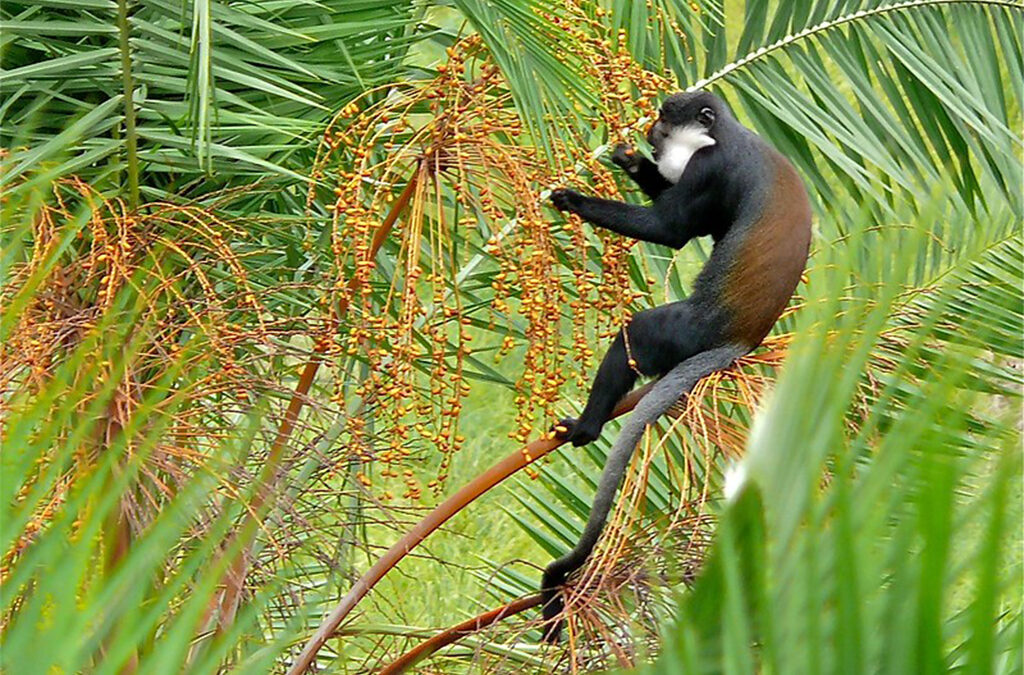
Uganda and Rwanda are two extraordinary East African countries that share a border and an abundance of natural wonders. Among their greatest safari highlights is the opportunity to encounter remarkable primate species thriving in diverse habitats from dense tropical rainforests to open savannah landscapes.
What truly sets these destinations apart is their exceptional primate diversity. Visitors can observe species unique to the Albertine Rift, alongside savannah-dwelling monkeys and some of the world’s most iconic great apes. Whether you are a wildlife enthusiast, photographer, or adventure traveler, primate encounters in Uganda and Rwanda promise unforgettable experiences.
Below is a carefully curated list of the top primate species found in Uganda and Rwanda, including where to see them in their natural habitats.
Mountain Gorillas
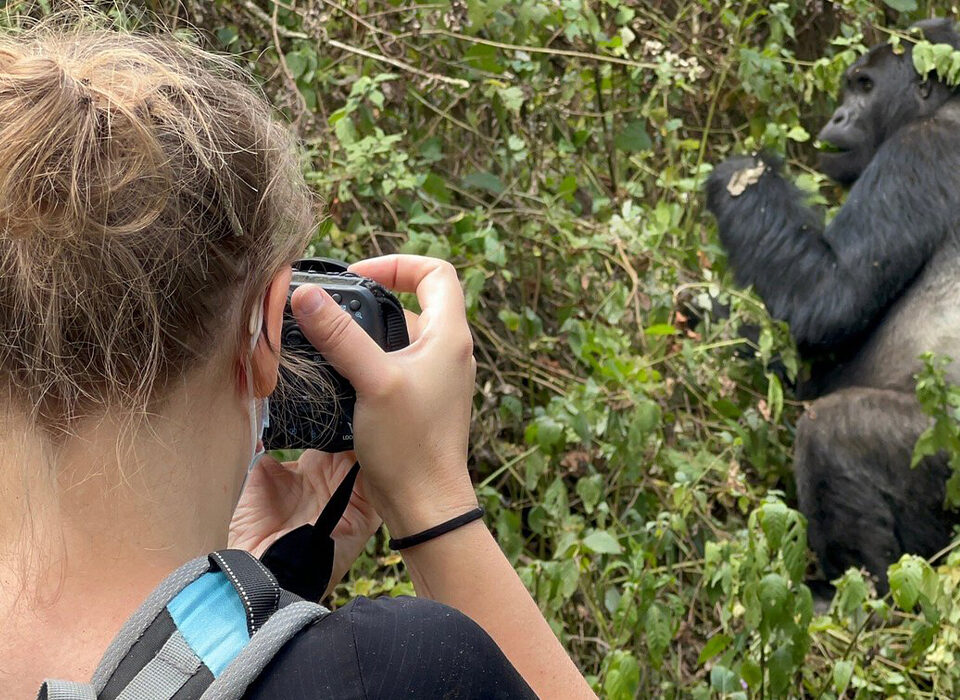
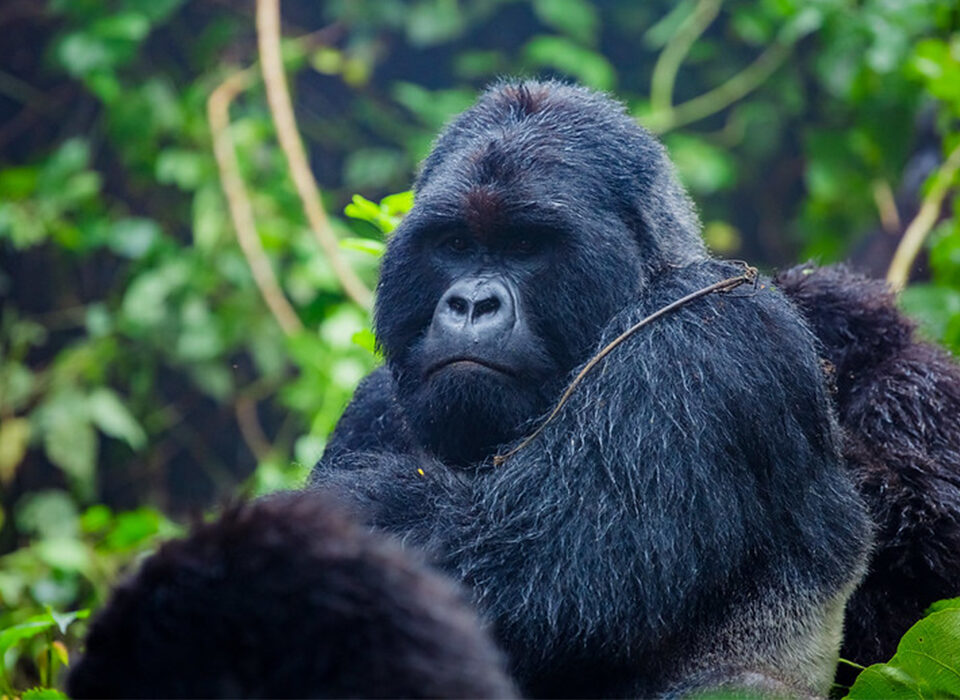
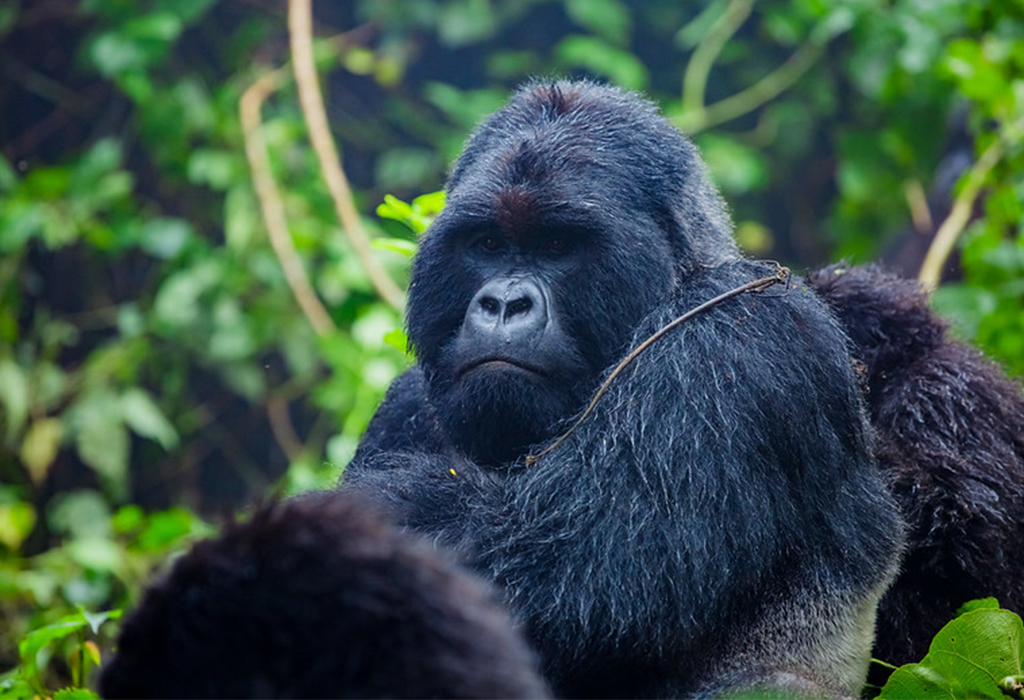
Mountain gorillas (Gorilla beringei beringei) are without doubt the most celebrated primates in Uganda and Rwanda. These endangered giants thrive in misty montane forests at elevations between 2,500 and 4,000 meters.
Mountain gorillas live in family groups of 10 to 30 individuals, led by a dominant silverback who protects the troop and maintains social order for many years.
According to the 2018 census, the global population stands at approximately 1,063 individuals, with over half living in Uganda and about 35% residing in Rwanda.
- Uganda: Bwindi Impenetrable National Park and Mgahinga Gorilla National Park
- Rwanda: Volcanoes National Park
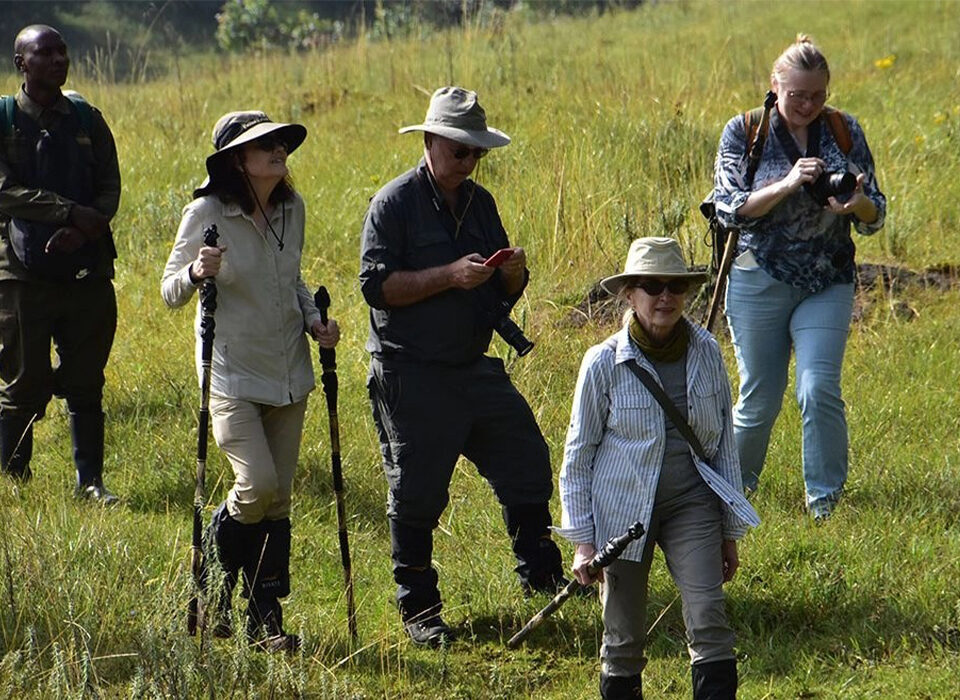
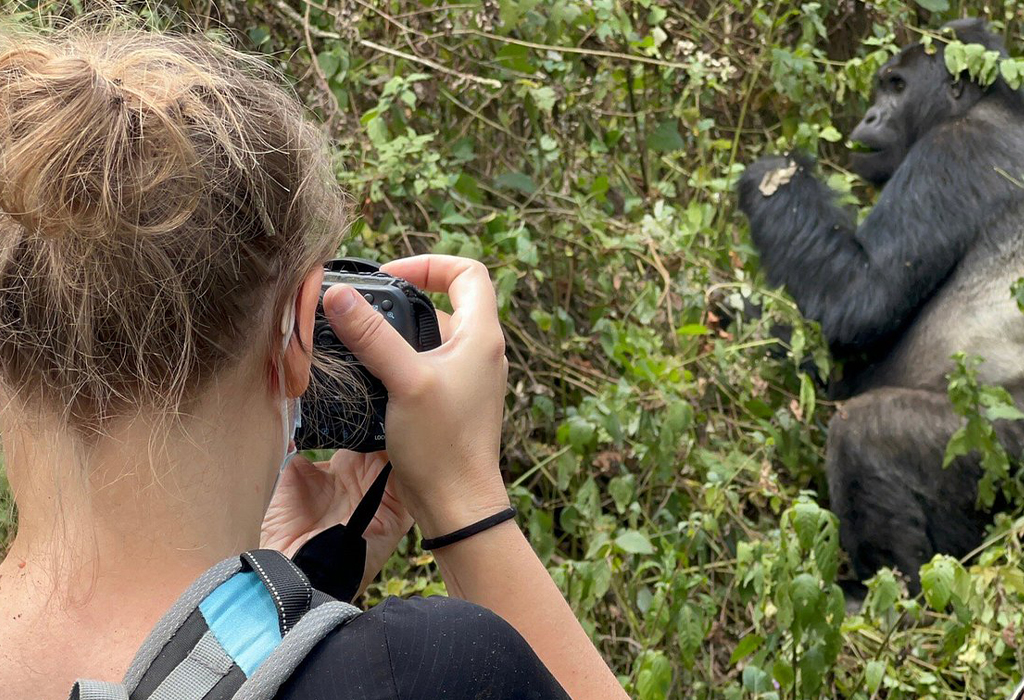
These powerful primates are easy to identify by their thick black fur, broad chests, and prominent foreheads. Gorilla trekking is restricted to visitors 15 years and older to ensure conservation and safety.
- Uganda gorilla permit: USD 800 per person
- Rwanda gorilla permit: USD 1,500 per person
Chimpanzees
Eastern chimpanzees (Pan troglodytes schweinfurthii) rank among the most fascinating primates in East Africa. Sharing over 98.7% of human DNA, they display remarkable intelligence, complex social behavior, and emotional expression that deeply captivates visitors.
Best Places to See Chimpanzees in Uganda
- Kibale Forest National Park
- Budongo Forest
- Kyambura Gorge (Queen Elizabeth National Park)
- Kalinzu Forest
- Toro-Semliki Wildlife Reserve
For sanctuary experiences, visitors can also see chimpanzees at Ngamba Island Chimpanzee Sanctuary and the Uganda Wildlife Education Centre.
Best Places in Rwanda
- Nyungwe Forest National Park
- Cyamudongo Forest
Chimpanzee trekking offers an energetic and rewarding forest adventure, filled with vocalizations, movement, and social interaction.
Golden Monkeys
Golden monkeys (Cercopithecus mitis kandti) are among the most visually striking primates in Uganda and Rwanda. Their golden-orange fur, contrasting black faces, and long tails make them easy to recognize. Females tend to be lighter in color than males.
These endangered primates are endemic to the Virunga Conservation Area, which includes:
- Mgahinga Gorilla National Park (Uganda)
- Volcanoes National Park (Rwanda)
- Virunga National Park (DR Congo)
Golden monkeys live in groups of 30 to 80 individuals and demonstrate notable intelligence. Interestingly, they weave bamboo stalks together to create sleeping platforms at night. Their playful leaps and energetic movements make golden monkey trekking a favorite activity for many visitors.
Olive Baboons
Olive baboons (Papio anubis) are among the most adaptable primates in Africa. Recognizable by their grayish-green fur, they thrive in a wide range of environments, including forests, savannahs, and woodland areas.
You can spot olive baboons in:
- All national parks in Rwanda
- Most national parks in Uganda, including Kibale, Bwindi, Queen Elizabeth, Lake Mburo, and Kidepo Valley
Their adaptability and social structure make them one of the most commonly seen primates on safari.
L’Hoest’s Monkeys
L’Hoest’s monkeys (Allochrocebus l’hoesti), often referred to as mountain monkeys, stand out due to their dark fur and distinctive white beards.
They live in close-knit troops and prefer dense montane forests, particularly in:
- Bwindi Impenetrable National Park (Uganda)
- Kibale Forest National Park (Uganda)
- Nyungwe Forest National Park (Rwanda)
- Gishwati–Mukura National Park (Rwanda)
Their secretive behavior makes sightings especially rewarding.
Red-Tailed Monkeys
Red-tailed monkeys (Cercopithecus ascanius) delight visitors with their bright reddish tails, expressive faces, and playful behavior.
You can easily encounter them in:
- Kibale Forest National Park
- Bwindi Impenetrable National Park
- Mgahinga Gorilla National Park
- Nyungwe Forest National Park
They are agile forest dwellers and often move energetically through the canopy.
Grey-Cheeked Mangabey
The grey-cheeked mangabey (Lophocebus albigena) is a striking primate known for its gray cheek patches and bushy white tail tuft.
These monkeys are exceptional climbers and primarily inhabit dense tropical forests, including:
- Nyungwe Forest National Park (Rwanda)
- Mabira Forest Reserve (Uganda)
- Kibale Forest National Park (Uganda)
Their graceful movement through the trees makes them a favorite among primate trackers.
Blue Monkeys
Blue monkeys (Cercopithecus mitis) are easily recognized by their blue-gray coats and expressive facial features. Despite their name, they are not truly blue, but their fur has a subtle bluish sheen.
They thrive in thick forests where they feed on fruits, leaves, and insects.
Best locations include:
- Kibale Forest National Park (Uganda)
- Nyungwe Forest National Park (Rwanda)
Guided forest walks offer excellent chances to observe them up close.
Black-and-White Colobus Monkeys
Black-and-white colobus monkeys are among the most elegant primates in Uganda and Rwanda. Their long flowing tails and contrasting black-and-white coats make them instantly recognizable.
You can find them in:
- Kibale Forest National Park
- Budongo Forest (Uganda)
- Nyungwe Forest National Park
- Gishwati–Mukura National Park (Rwanda)
They move gracefully through the treetops and are a highlight of forest walks.
Vervet Monkeys
Vervet monkeys (Chlorocebus pygerythrus) are highly adaptable and widely distributed across Uganda and Rwanda. They thrive in grasslands, forests, woodlands, agricultural areas, and even urban settings.
Recognizable by their black faces and grizzled coats, vervet monkeys communicate using a wide range of vocalizations within their troops. You can spot them in nearly every national park across both countries.
Final Thoughts
Uganda and Rwanda offer some of the richest primate experiences in Africa, making them ideal destinations for wildlife lovers and nature enthusiasts. From endangered mountain gorillas to playful monkeys and intelligent chimpanzees, every forest walk reveals something extraordinary.
With Experiya Tour Company, travelers can explore these habitats responsibly while supporting conservation and local communities ensuring that these incredible primates continue to thrive for generations to come.