
Wildlife Safari Experience in Uganda
March 5, 2026
Fascinating Facts About Baboons
March 5, 2026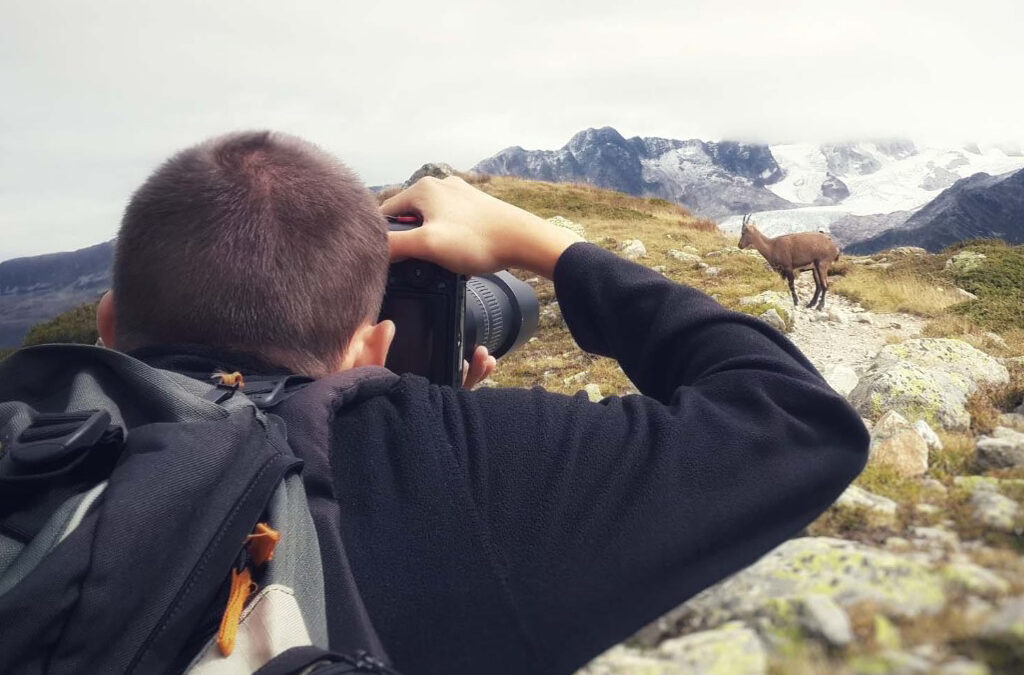
Whether you are capturing the vibrant wildlife of Uganda, the bustling streets of Kampala, or the serene sunsets over Lake Bunyonyi, photography is more than just pointing and shooting. A great photo tells a story. It freezes emotion, movement, and memory in a single frame. However, stunning photographs rarely happen by chance they require timing, technique, creativity, and intention.
Here’s a detailed guide to help you elevate your photography skills and capture images that truly captivate.
Master the Light
Lighting is the heartbeat of any photograph. It can transform an ordinary scene into something extraordinary or, conversely, make your photo appear flat and uninspiring.
The golden hour shortly after sunrise and just before sunset offers the most flattering light. During this time, the sun casts a warm, soft glow that adds depth and dimension to your subject. Shadows are gentle, highlights are subtle, and colors appear richer.
Avoid harsh midday sunlight whenever possible. Bright overhead sun creates strong shadows and can wash out colors. If you must shoot during the day, look for shade or use diffused light, such as a thin curtain, tree canopy, or portable diffuser, to soften the harsh contrasts.
For indoor or low-light situations, adjust your ISO and aperture to allow more light in without introducing too much noise. By mastering light, you not only illuminate your subject but also evoke mood and atmosphere in every shot.
Focus on Composition
A well-composed photo guides the viewer’s eye and strengthens your storytelling. Start by thinking about what you want your audience to see first.
The rule of thirds is a foundational technique: divide your frame into nine equal parts and place your subject along the intersecting lines. This creates a sense of balance and draws attention naturally.
Additionally, use leading lines to direct the viewer’s gaze toward your subject. Roads, rivers, fences, or beams of sunlight can guide the eye effectively. Symmetry and patterns can create striking visuals, while framing your subject with natural elements like a doorway, window, or tree branches adds depth and context.
Remember, composition is about intention. Move around, experiment with angles, and consider what elements in the frame support your story rather than distract from it.
Get Closer
Sometimes the best way to improve a photograph is to simply move closer to your subject. Zooming with your feet rather than relying on a lens brings intimacy, reveals details, and captures subtle emotions that distant shots often miss.
For portraits, get at eye level with your subject. This creates a natural connection and allows the viewer to engage with the person’s expression. For wildlife, consider shooting from a low angle. This emphasizes the animal’s size and presence, giving your photo a more dramatic feel.
Close-up shots are perfect for showing texture, patterns, and emotion. Whether it’s the intricate details of a butterfly’s wings, the wrinkles on an elderly face, or the glistening eyes of a chimpanzee, getting closer adds depth and personality to your work.
Keep the Background Simple
A cluttered background can distract from your subject and weaken the impact of your photo. Always assess what’s behind your main focus before taking a shot.
Using a shallow depth of field is a powerful technique. By selecting a wide aperture (f/2.8 or f/4), you can blur the background, making your subject stand out sharply. This works especially well for portraits and wildlife photography.
If possible, reposition yourself or adjust the angle to remove distracting elements. Even small changes like stepping to the left or slightly tilting your camera can transform a chaotic background into a clean, visually appealing frame.
Understand Your Camera
Whether you use a smartphone, DSLR, or mirrorless camera, understanding your equipment is crucial. Cameras are powerful tools, but only if you know how to control them.
Learn how to adjust:
- ISO: Controls your camera’s sensitivity to light. Use higher ISO in low-light conditions, but be cautious too high can introduce noise.
- Shutter speed: Determines how motion appears. Fast speeds freeze action, while slower speeds create motion blur for artistic effects.
- Aperture: Affects depth of field. A wide aperture isolates the subject, while a narrow aperture keeps the entire scene in focus.
- White balance: Ensures colors appear natural under different lighting conditions.
While auto mode can be convenient, manual control empowers you to be creative and intentional. Understanding your camera’s features allows you to adapt quickly to changing conditions and capture exactly what you envision.
Be Patient and Ready
Photography rewards patience. Great shots often require waiting for the right moment. Observe your subject carefully, anticipate movement, and be prepared to act.
For wildlife or fast-moving subjects, use burst mode to capture multiple frames in quick succession. This increases your chances of getting the perfect shot when an animal leaps, a bird takes flight, or a child laughs spontaneously.
Always carry extra batteries and memory cards. Missing a once-in-a-lifetime moment because of dead gear is a frustrating experience that careful preparation can prevent.
Tell a Story
A photograph should convey more than just visual information it should tell a story. Ask yourself: What is this image expressing? Is it joy, wonder, mystery, or struggle?
Use composition, color, and subject placement to convey mood. For example, a lone tree on a foggy morning can evoke solitude, while vibrant market scenes can convey energy and life.
Think about the “why” of a moment, not just the “what.” Instead of capturing a lion in the savanna, capture how it interacts with its surroundings, the way the sunlight hits its mane, or the expressions of nearby prey. These layers of context transform a photo into a narrative.
Edit Thoughtfully
Post-processing can enhance your photography, but subtlety is key. Adjust brightness, contrast, sharpness, and color to highlight what your camera captured naturally.
Use editing tools like Adobe Lightroom, Snapseed, or VSCO. Avoid over-editing, which can make images look artificial. Your goal is to amplify the story and mood of the photo while keeping it authentic. A well-edited photo should feel polished, yet natural.
Respect Your Subject
Ethics in photography matter. Always respect the people, animals, and environments you capture. Obtain permission when photographing individuals, and avoid intrusive behavior.
When photographing wildlife, maintain a safe distance. Never chase animals or disrupt their natural behavior for a better shot. Similarly, avoid stepping on delicate plants or entering protected areas without authorization.
Ethical photography ensures your subjects are safe, your reputation remains intact, and your work reflects respect and integrity.
Practice Often
Finally, the best way to improve your photography is to practice consistently. Explore different genres: landscapes, portraits, street photography, macro, or night photography. Each style teaches unique skills and challenges your creativity.
Study your work critically. Identify what worked, what didn’t, and why. Share your images with others and seek constructive feedback. Experimentation and repetition strengthen both technical skills and artistic vision.
Remember, photography is a journey. The more you shoot, the more your eye for detail, timing, and story develops. Each frame is a chance to learn, improve, and express yourself.
Conclusion
Stunning photographs are the result of careful observation, patience, and creativity. Mastering light, composition, and camera settings; moving closer to your subject; simplifying backgrounds; telling stories; and editing thoughtfully all while practicing ethics and patience will elevate your photography to new heights.
Whether capturing Uganda’s wildlife, the vibrant streets of its cities, or the serene beauty of its landscapes, these tips empower you to create images that are not just seen but felt. Each photo becomes a memory, a story, and a work of art that invites viewers to experience the world through your eyes.