Explore the Natural Beauty of Lake Mburo National Park
January 24, 2026
The Benefits of Hiring Porters for Gorilla Trekking in Rwanda
January 24, 2026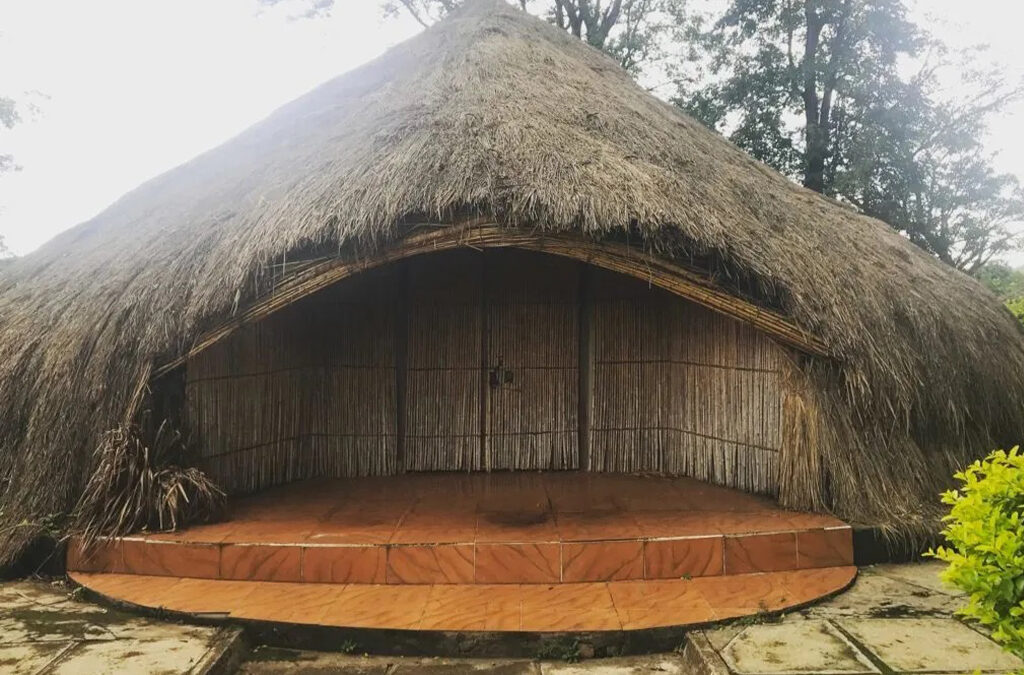
Uganda’s cultural heritage is deeply rooted in centuries of tradition, spirituality, and royal history. Across the country, cultural sites preserve the stories of ancient kingdoms, sacred beliefs, and remarkable historical events. Visiting these places offers travelers a meaningful connection to Uganda’s identity beyond wildlife and landscapes.
Below are some of the most significant cultural tourism sites in Uganda.
1. Kasubi Tombs – Royal Burial Grounds of Buganda
The Kasubi Tombs sit on Kasubi Hill in Kampala and cover 26.8 hectares of sacred land. This UNESCO World Heritage Site serves as the burial ground for four Kabakas (kings) of Buganda and other members of the royal family. It remains a powerful spiritual and political symbol for the Baganda people.
The site showcases outstanding traditional architecture built entirely from natural materials such as wood, grass, and reeds. In 2010, a fire destroyed major structures, leading UNESCO to place the site on the list of World Heritage in Danger. Restoration began in 2014 with international support, and reconstruction continues to preserve this treasured heritage.
2. Namugongo Martyrs Shrine – A Major Pilgrimage Site
Located in Namugongo, about 14 km northeast of Kampala, this basilica honors the 22 Catholic martyrs killed between 1885 and 1887 on the orders of Kabaka Mwanga II.
Built in a unique design resembling a traditional African hut, the shrine features 22 large copper pillars and beautiful religious artwork. Every year on 3rd June, millions of pilgrims gather here to commemorate Martyrs Day, making it one of the largest religious events in Africa.
3. Baker’s Fort (Fort Patiko) – A Colonial-Era Landmark
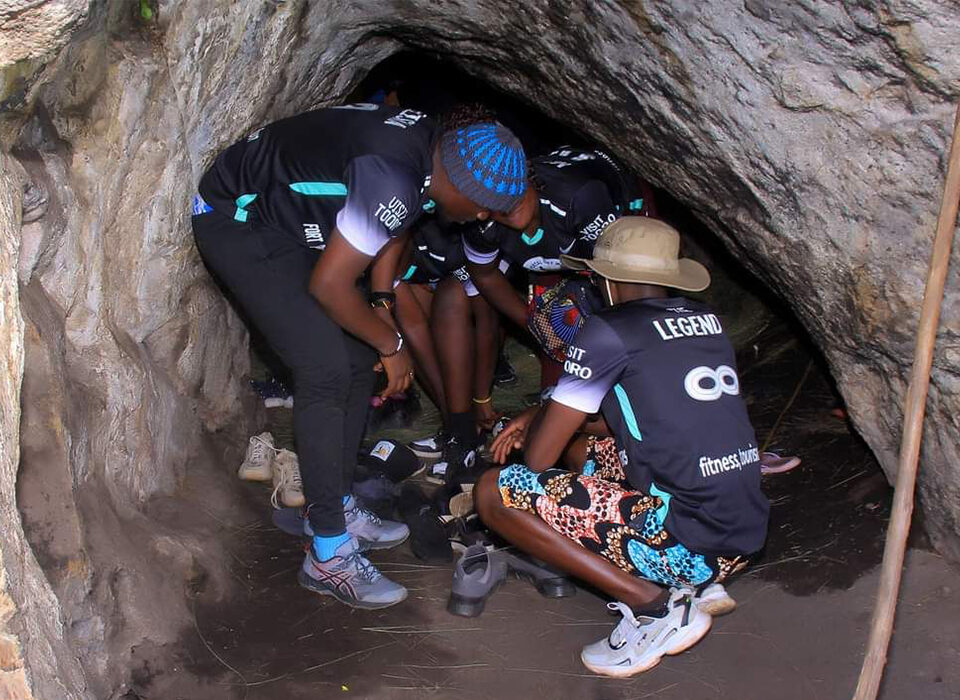
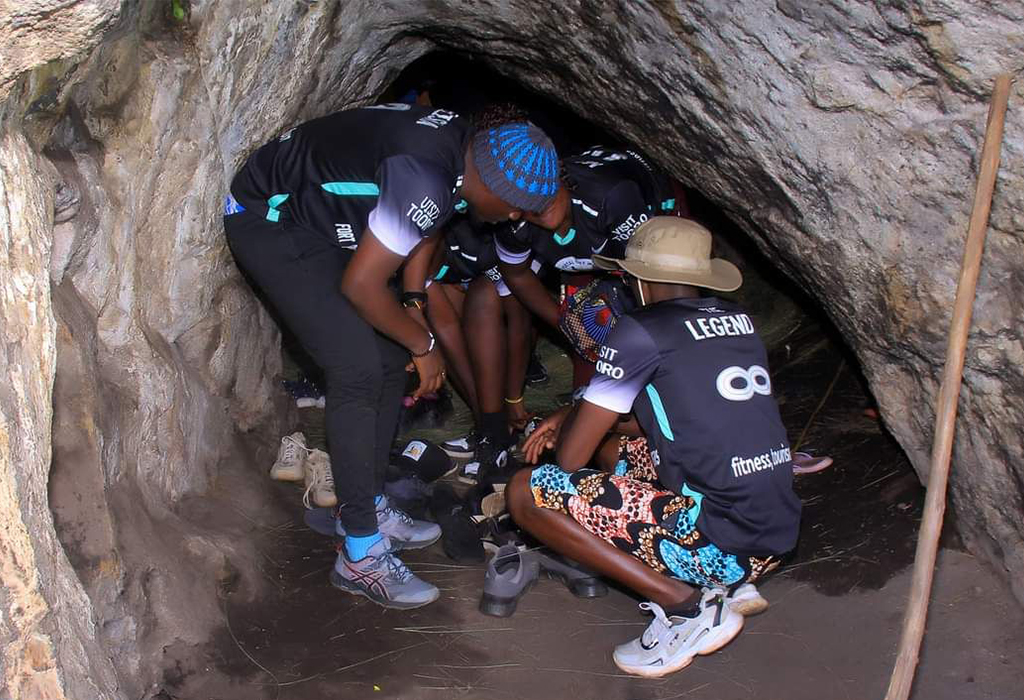
Samuel Baker built Fort Patiko in 1872 in present-day Gulu District to help curb the slave trade. Later, Emin Pasha and Charles Gordon used it while administering the Equatorial Province.
The fort sits near Ocecu Hill (Got Ajulu) and still displays rock engravings and remnants of its stone structures. Today, it stands as an important reminder of Uganda’s resistance to the slave trade and early colonial administration.
4. Bigo Bya Mugenyi – The Earthworks of the Bachwezi
Located in Sembabule District, Bigo Bya Mugenyi is believed to have been the capital of the legendary Bachwezi dynasty. Massive earthworks, trenches, and embankments stretch across the landscape, showcasing advanced ancient engineering.
Local traditions say the Bachwezi were semi-divine rulers who mysteriously disappeared. Many cultural practices, including long-horned Ankole cattle keeping and early systems of governance, are attributed to them. The site remains spiritually significant to many communities.
5. Karambi Tombs – Royal Tombs of Toro Kingdom
Situated near Fort Portal in western Uganda, the Karambi Tombs serve as the burial grounds for Toro kings, including Kyebambe Kamurasi, Kaboyo II, and Rukidi III.
The site features traditional grass-thatched structures and royal regalia once used by the kings. Visitors learn about Toro Kingdom’s history and cultural practices while experiencing the peaceful atmosphere of this sacred site.
6. Mparo Tombs – Resting Place of Omukama Kabalega
Mparo Tombs, near Hoima Town, hold the remains of Omukama Kabalega, the revered king of Bunyoro-Kitara who fiercely resisted British colonial rule. Other royals are also laid to rest here.
Unlike typical burials, the royal remains rest in small mausoleums covered with bark cloth. The site displays royal regalia and offers insight into Bunyoro’s proud history and resistance legacy.
7. Ssezibwa Falls – A Spiritual Heritage Site
Located along the Kampala–Jinja Highway in Buikwe District, Ssezibwa Falls holds deep spiritual importance for the Baganda people. According to legend, the river was born from a woman who gave birth to twin rivers.
Traditional shrines surround the falls, and spiritual leaders conduct rituals for blessings, healing, and protection. The site also offers nature walks and birdwatching, blending culture and nature beautifully.
8. Nakayima Tree – A Sacred Shrine in Mubende
The Nakayima Tree stands atop Mubende Hill and is believed to be over 600 years old. This massive tree serves as a traditional shrine linked to the Bachwezi dynasty.
People visit to seek blessings for fertility, wealth, and healing. Inside the hollow base are small chambers where spiritual rituals take place. The site remains an important center of traditional African spirituality.
9. Nkokonjeru Tombs – Ankole Royal Burial Site
Found in Mbarara District, the Nkokonjeru Tombs are the burial grounds of Ankole kings, including Omugabe Edward Solomon Kahaya II and Omugabe Charles Godfrey Gasyonga II.
Despite facing land disputes in recent years, the site remains historically important and continues to represent the royal heritage of the Ankole Kingdom.
10. Nyero Rock Paintings – Ancient Artistic Expression
The Nyero Rock Paintings in Kumi District are among Uganda’s oldest archaeological treasures. These red geometric and symbolic paintings date back hundreds, possibly thousands, of years.
Archaeologists believe early hunter-gatherer communities created them. Today, they provide rare insight into prehistoric life and spiritual expression in East Africa.
11. Naggalabi Buddo Coronation Site – Birthplace of Buganda Kings
Naggalabi Buddo, located in Wakiso District, serves as the traditional coronation site of Buganda kings. According to legend, this is where Kintu, the first king of Buganda, defeated his brother Bemba and established his rule.
Since then, all Buganda kings have been crowned here, making it a cornerstone of Buganda’s political and cultural identity.
12. Igongo Cultural Centre – Preserving Southwestern Heritage
Located near Mbarara, the Igongo Cultural Centre showcases the heritage of southwestern Uganda. Built on the site of a former Ankole royal palace, the museum displays artifacts, traditional homesteads, and historical exhibits.
Visitors gain a deeper understanding of the Banyankole, Bakiga, and other western Uganda communities through interactive cultural experiences.
13. Katereke Prison Ditch – A Dark Chapter in Buganda’s History
The Katereke Prison Ditch in Nsangi, near Kampala, dates back to the late 19th century during the reign of Kabaka Kalema. He ordered the construction of this deep trench to imprison his royal rivals.
Historical accounts state that many princes and princesses died there, making it a sobering reminder of Buganda’s turbulent past. Today, the site stands as a historical monument reflecting a difficult period in the kingdom’s history.
Conclusion
Uganda’s cultural sites tell powerful stories of kings, spiritual beliefs, ancient civilizations, and historical struggles. Exploring these heritage landmarks allows visitors to connect with the soul of the nation while supporting the preservation of its traditions for future generations.