
What to Prepare for a Family Safari in Uganda
March 19, 2026
Birdwatching in Uganda: Tracking the Elegant Crested Crane
March 19, 2026
Rwanda is often celebrated for its mountain gorillas, yet beyond the misty forests and volcanic peaks lies one of Africa’s most rewarding birding destinations. With over 750 recorded bird species, this small but incredibly diverse country offers an unforgettable experience for bird lovers. From dense montane forests to vast wetlands and scenic lakes, Rwanda rewards patience, curiosity, and a good pair of binoculars with extraordinary sightings.
Birding here feels immersive and deeply rewarding because every habitat tells a different ecological story. As you move across the country, you will notice how quickly the landscapes change—and with them, the bird species that thrive in each environment.
Why Birding in Rwanda Is So Special
What makes birding in Rwanda truly remarkable is its location within the Albertine Rift Valley, one of Africa’s richest biodiversity zones. This region is home to numerous endemic species found nowhere else in the world. As you explore, you may encounter rare birds such as the Albertine owlet, Rwenzori turaco, red-collared mountain babbler, and Grauer’s warbler among many others.
In addition, Rwanda’s conservation efforts have helped preserve habitats that continue to support both resident and migratory species. This makes every birding safari not only exciting but also meaningful for conservation-minded travelers.
Nyungwe Forest National Park: A Pristine Birding Paradise
As you venture into southwestern Rwanda, Nyungwe Forest National Park immediately stands out as one of the most important birding areas in Africa. This ancient montane rainforest stretches toward the borders of Burundi and the Democratic Republic of Congo, creating a vast and uninterrupted ecosystem.
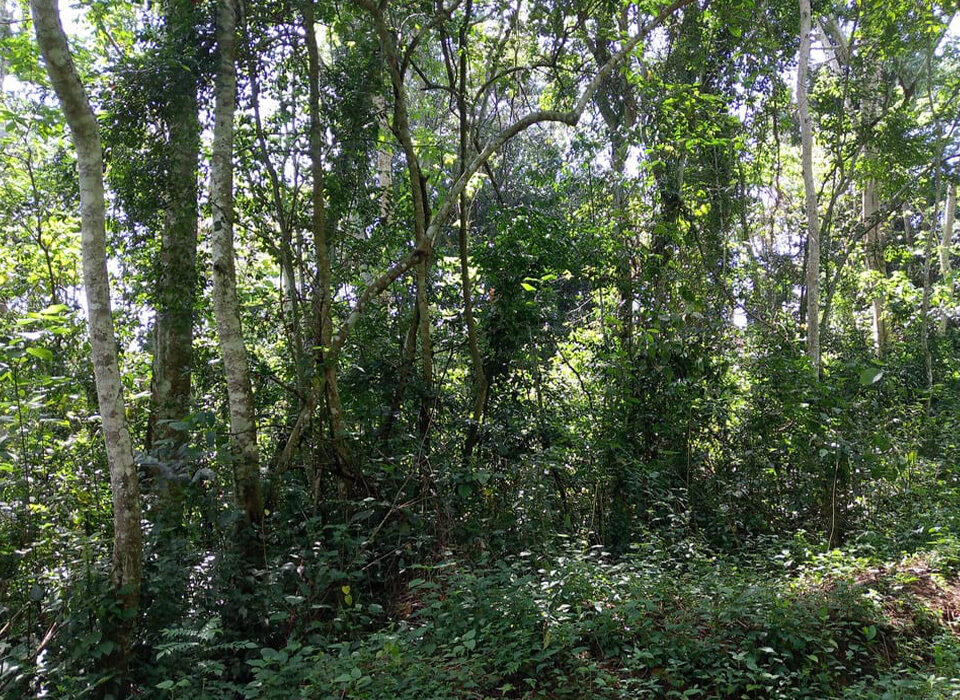
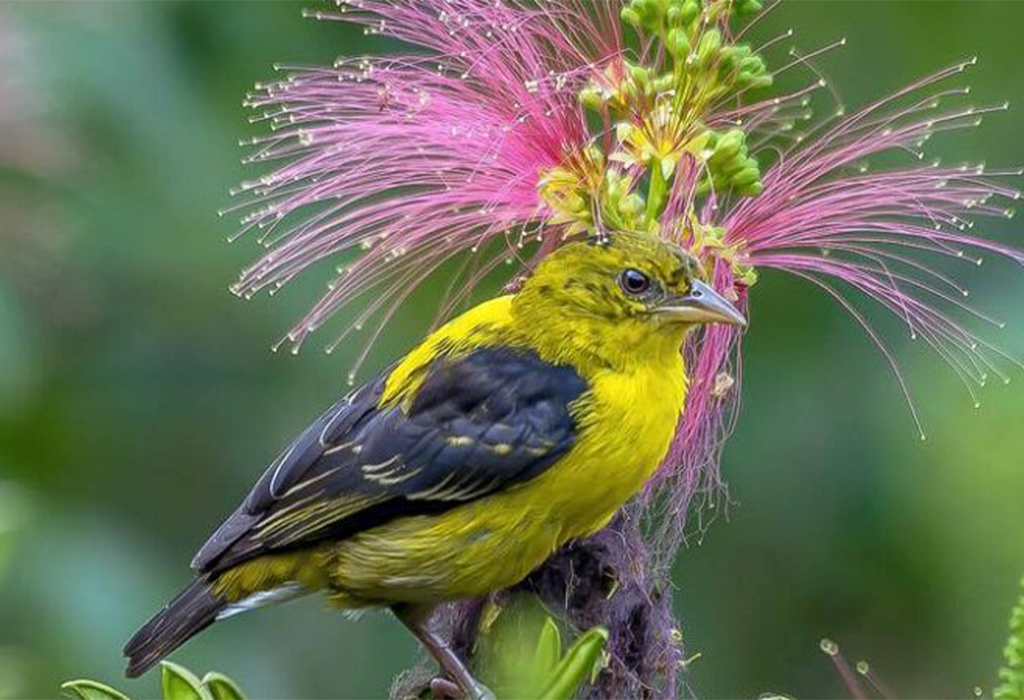
While walking through its shaded trails or participating in chimpanzee trekking, you are likely to encounter more than 300 bird species. The forest canopy comes alive with calls from colorful species such as the Rwenzori turaco, blue-headed sunbird, purple-breasted sunbird, and the striking Grauer’s swamp warbler.
Because the forest is dense and layered, birding here requires patience. However, the reward is extraordinary—many species reveal themselves only after careful observation and quiet movement through the forest.
Akagera National Park: Savannah Meets Wetland Birding
Moving eastward, Akagera National Park offers a completely different birding experience. Here, savannah landscapes blend seamlessly with wetlands, lakes, and rolling hills, creating habitats for over 310 bird species.
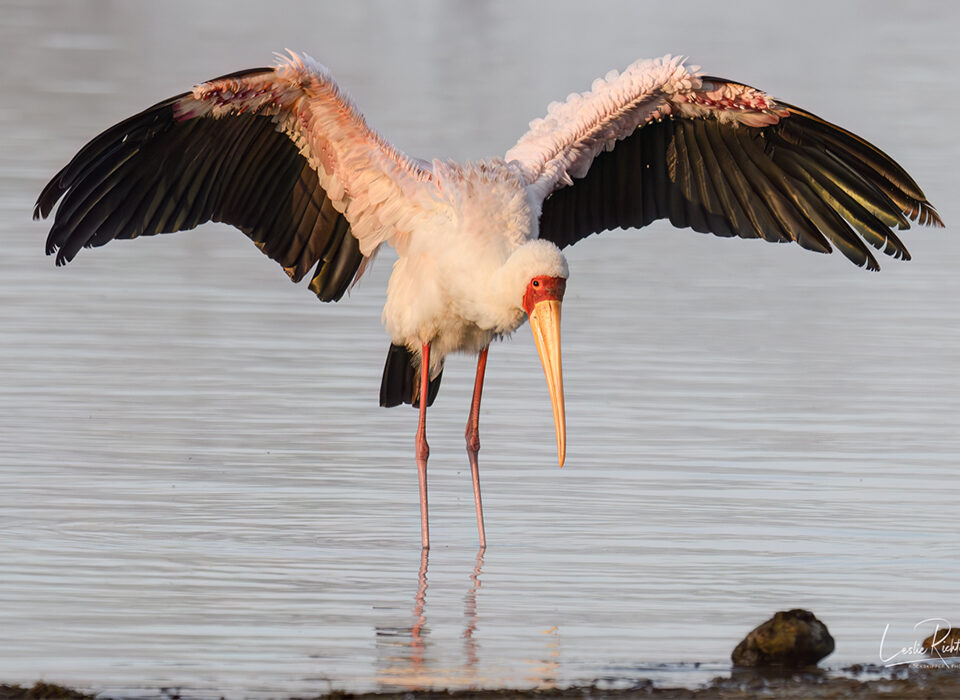
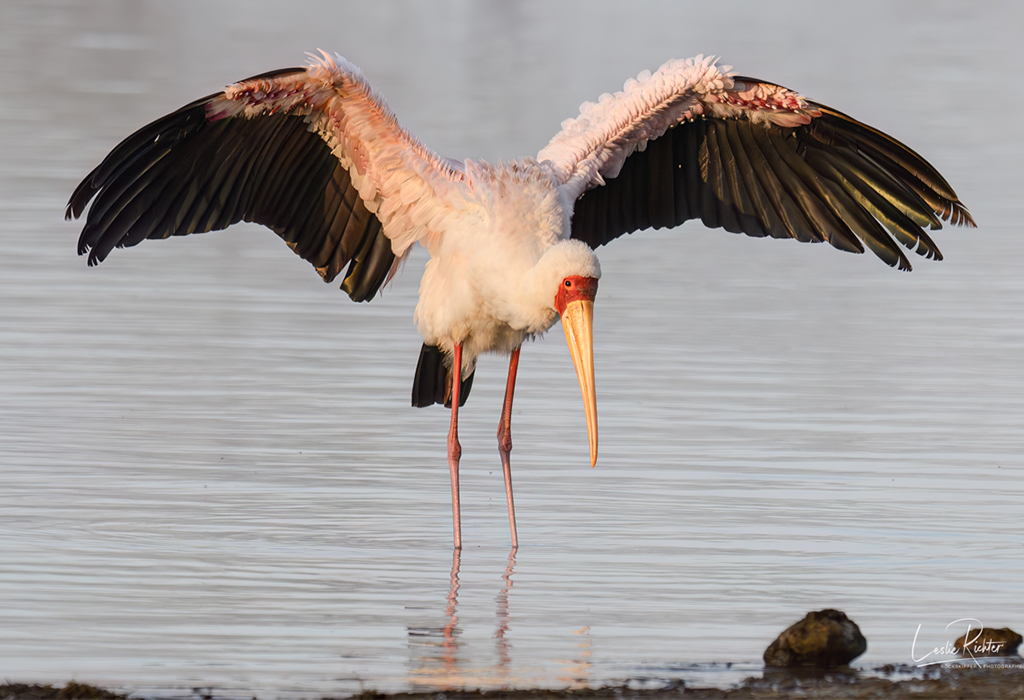
Lake Ihema and its surrounding wetlands are particularly productive for birdwatching. As you glide along the water on a boat or explore the shoreline, you may spot African fish eagles, saddle-billed storks, papyrus gonoleks, African jacanas, and countless waterbirds.
Early morning and late afternoon game drives often provide the best sightings, as birds become more active in cooler temperatures. The park’s open landscapes also make photography easier compared to forested areas.
Volcanoes National Park: Birding in the Land of Volcanoes
In northwestern Rwanda, Volcanoes National Park offers a unique birding experience set against the dramatic backdrop of the Virunga volcanoes. Although it is globally known for gorilla trekking, the park is equally rewarding for bird enthusiasts.
Here, bamboo forests and alpine meadows create habitats for around 180 bird species, including several Albertine Rift endemics. As you explore the trails, you may encounter Rwenzori batis, strange weavers, handsome francolins, and the brightly colored Rwenzori turaco.
Birding in this park often feels magical, especially when mist rolls across the volcanic slopes, creating a serene and almost untouched atmosphere.
Akanyaru Wetlands: A Hidden Birding Gem
Located along the southern border, the Akanyaru Wetlands remain one of Rwanda’s most underrated birding destinations. This vast wetland system supports a variety of species adapted to papyrus swamps and marshy habitats.
As you explore this area, you may come across the papyrus gonolek, Malagasy pond heron, and several species of herons and harriers. The quiet environment and slow-moving waters make it an ideal location for patient birdwatchers seeking less crowded experiences.
Rugezi Wetlands: Rwanda’s Ramsar Treasure
In the northern region near Gicumbi, Rugezi Wetlands stand out as Rwanda’s only Ramsar-listed site. This ecologically important area supports rare and endangered species, including the grey crowned crane and Grauer’s swamp warbler.
As you observe the open waters of Lake Nyagafunzo nearby, you will notice how the wetland ecosystem supports both aquatic and terrestrial birdlife, creating a balanced and thriving environment for birdwatching.
Gishwati-Mukura National Park: Emerging Birding Destination
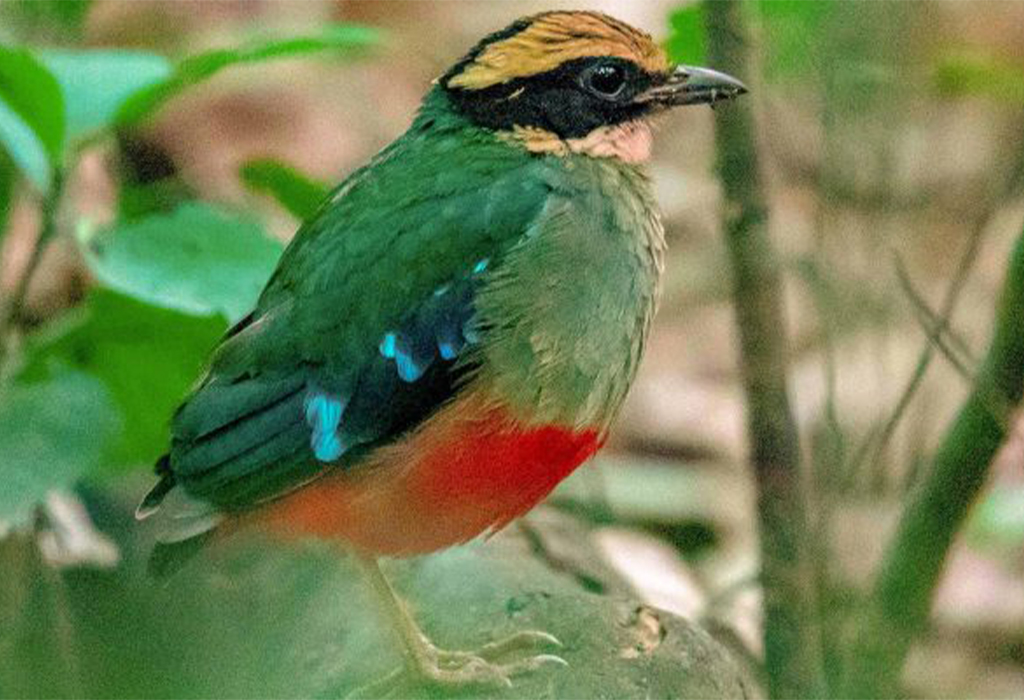
Gishwati-Mukura National Park, located west of the country near Lake Kivu, is one of Rwanda’s newest protected areas. Despite its recent establishment, it already supports over 200 bird species, including several Albertine Rift endemics.
As you walk through its regenerating forests, you may spot species such as the Rwenzori turaco, purple-breasted sunbird, and red-throated alethe. The park offers a more intimate birding experience, especially for travelers who prefer quiet, less-explored destinations.
Kigali City: Urban Birding Surprise
Even Rwanda’s capital city, Kigali, offers surprising birding opportunities. As you explore its green hills, gardens, and golf courses, you will notice that nature blends seamlessly with urban life.
Bird species such as pied crows, African grey hornbills, cinnamon-chested bee-eaters, and African harrier-hawks can often be seen within the city. This makes Kigali an excellent introduction or conclusion to a birding safari in Rwanda.
Lake Kivu: Scenic Birding Along the Shores
Lake Kivu, stretching along Rwanda’s western border, provides yet another diverse birding environment. As you travel through Gisenyi, Kibuye, or Cyangugu, you will encounter a mix of aquatic and forest-edge species.
The lake’s calm waters attract cormorants, kingfishers, herons, and swallows. A boat cruise or lakeside walk often reveals constant bird activity, especially during early morning hours when the lake is most active.
What to Pack for a Birding Safari in Rwanda
To fully enjoy your birding experience, preparation is essential. A good pair of binoculars is indispensable because many bird species stay hidden within dense vegetation or high in the canopy.
A high-quality camera also enhances your safari, allowing you to capture detailed moments that you can cherish long after your trip. In addition, carrying a small voice recorder can be helpful for documenting bird calls and identifying species later.
Since birding often involves long hours outdoors, it is important to bring drinking water, light snacks, and a packed lunch. Comfortable hiking shoes, lightweight clothing, insect repellent, and a field guidebook will also greatly improve your experience.
For better blending with natural surroundings, neutral-colored clothing works best, especially in forested areas where birds are sensitive to movement and bright colors.
Important Etiquette During Birding Safaris
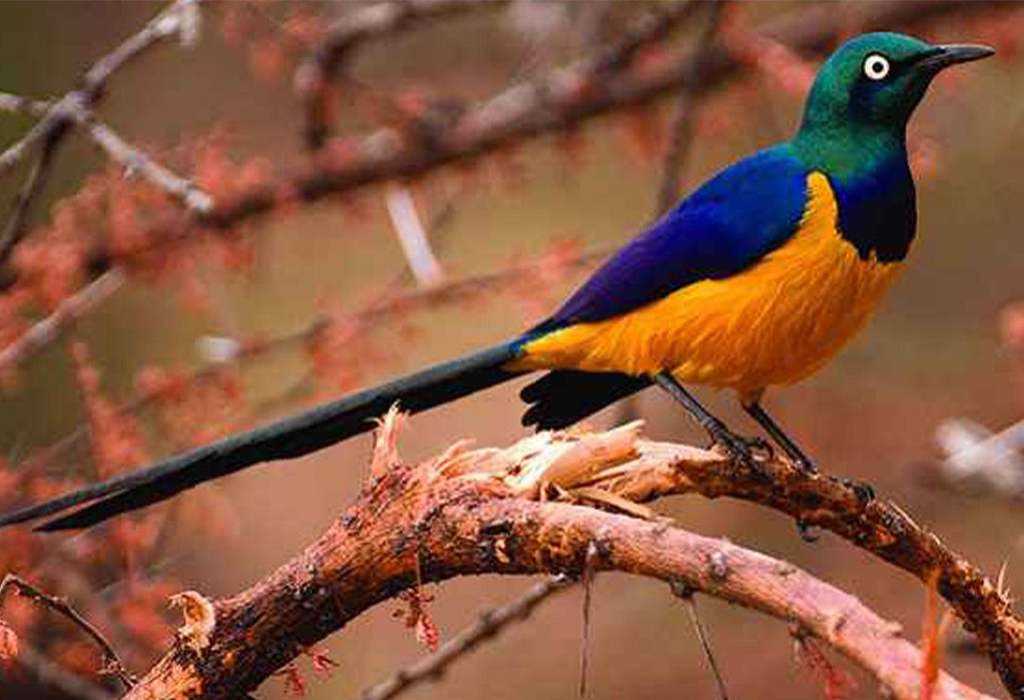
While birding, your behavior in natural habitats plays a major role in the quality of your experience. Moving quietly and avoiding sudden movements helps prevent disturbing birds in their natural environment.
It is also important to avoid using flash photography, especially during nesting periods, as it can stress birds. Maintaining a respectful distance from nests ensures that you do not disrupt breeding activities.
Additionally, you should always avoid littering and instead dispose of waste responsibly. Most importantly, following the guidance of professional birding guides ensures both your safety and the protection of wildlife.
Best Time for Bird Watching in Rwanda
Birding in Rwanda is rewarding throughout the year. However, the period from December to February is particularly special because many migratory species arrive during this time. As a result, bird diversity increases significantly, offering richer and more dynamic sightings.
The dry seasons are also ideal because trails are more accessible, and visibility improves in both forest and savannah environments.
Final Thoughts
Birding in Rwanda is far more than a wildlife activity—it is a journey through some of Africa’s most beautiful and biologically rich landscapes. From the misty forests of Nyungwe to the wetlands of Akanyaru and the shores of Lake Kivu, every destination offers a unique encounter with nature.
With careful planning and expert guidance, your experience becomes even more rewarding. Experiya Tour Company helps travelers explore Rwanda’s birding destinations with comfort, insight, and a deep appreciation for conservation and nature.
As you watch a flash of color disappear into the forest or hear a distant call echo across the wetlands, you will understand why Rwanda remains one of Africa’s most extraordinary birding destinations.