What Is Sport Fishing in Murchison Falls National Park
December 11, 2025
Katonga Wildlife Reserve: Uganda’s Hidden Wetland Paradise
December 11, 2025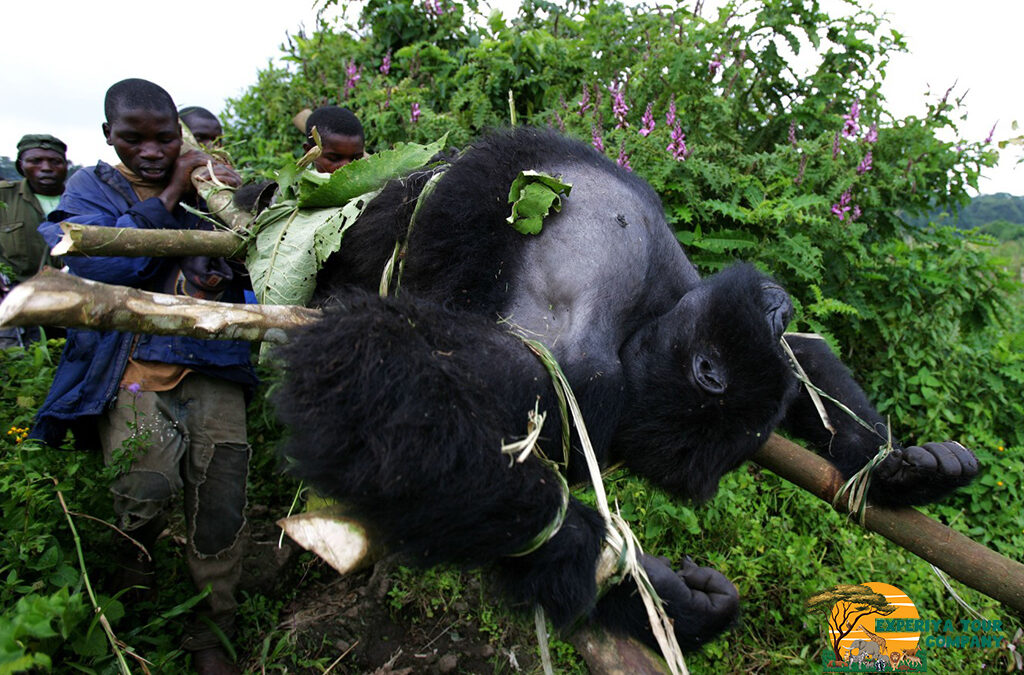
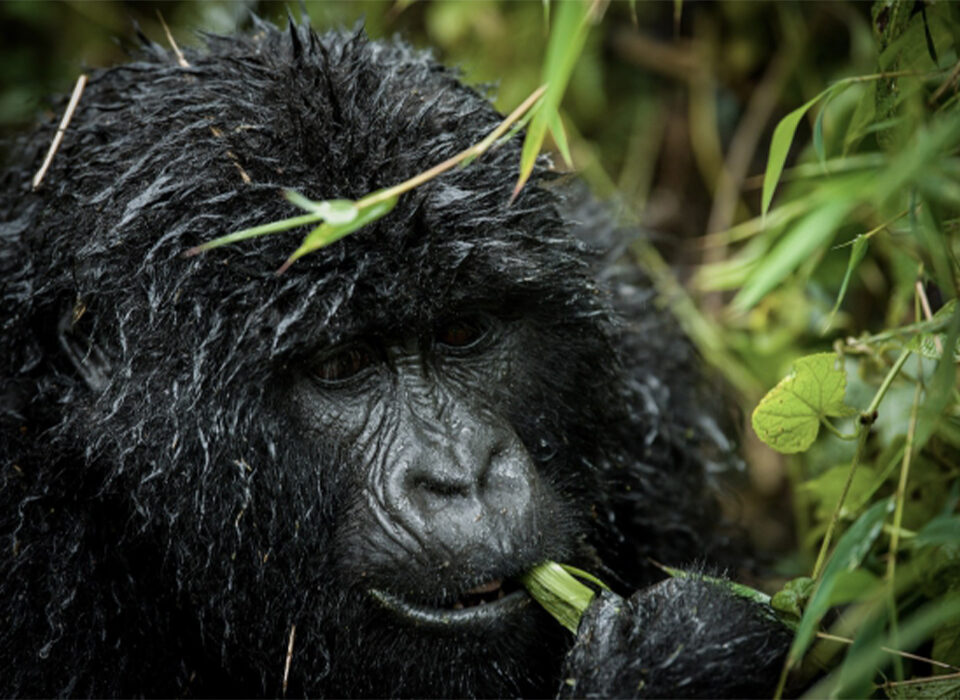
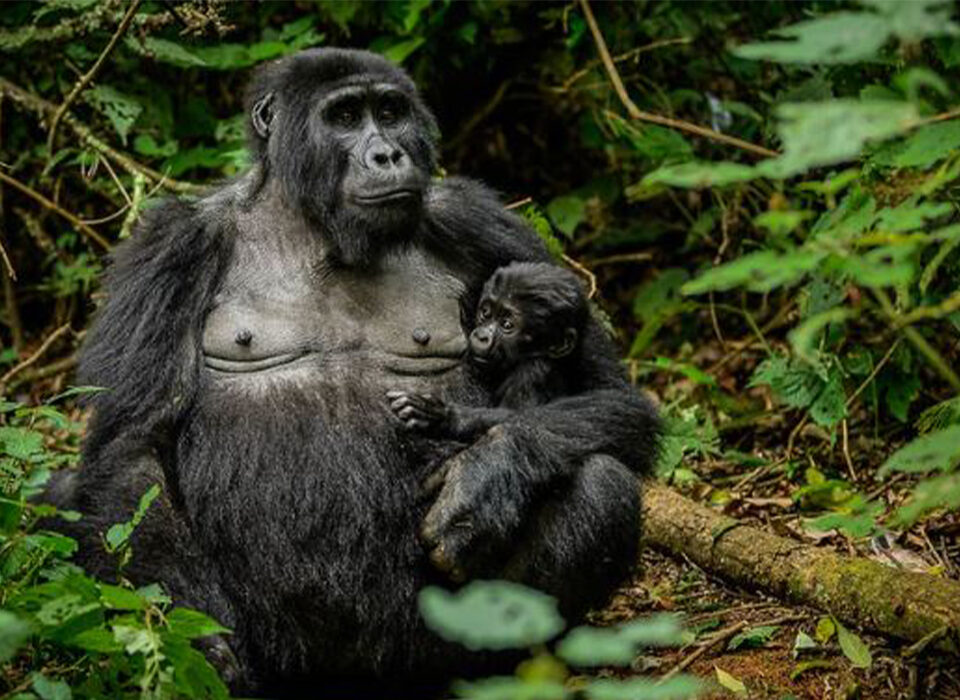
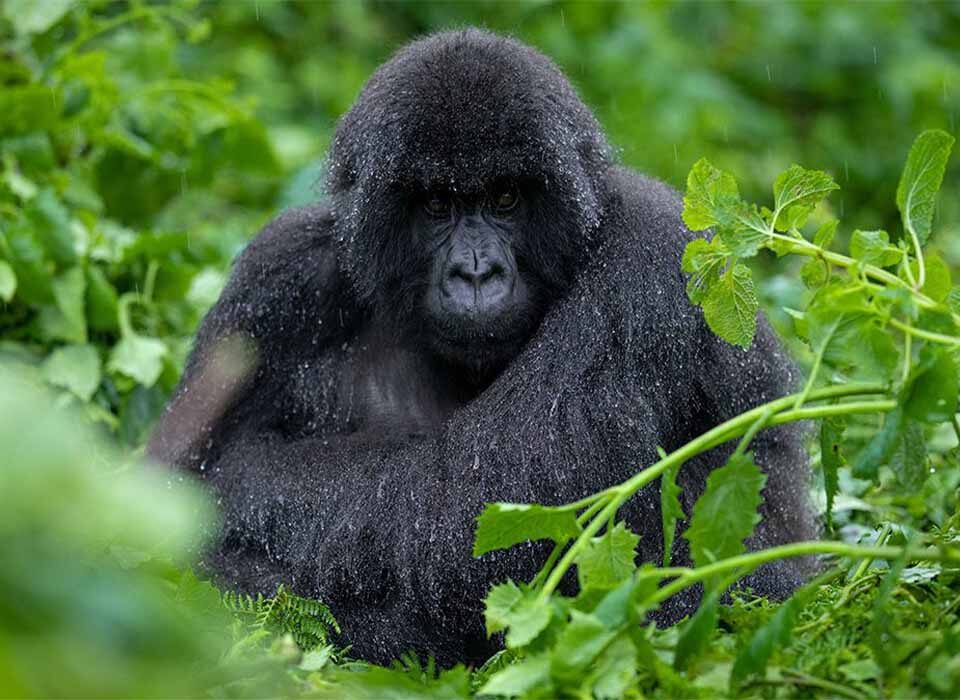
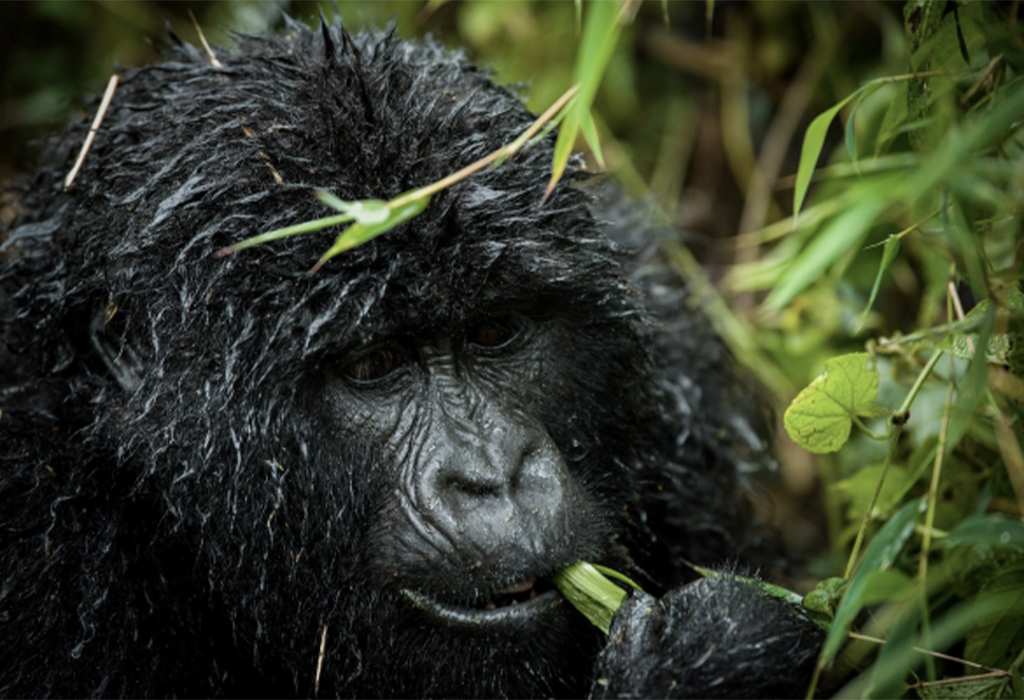
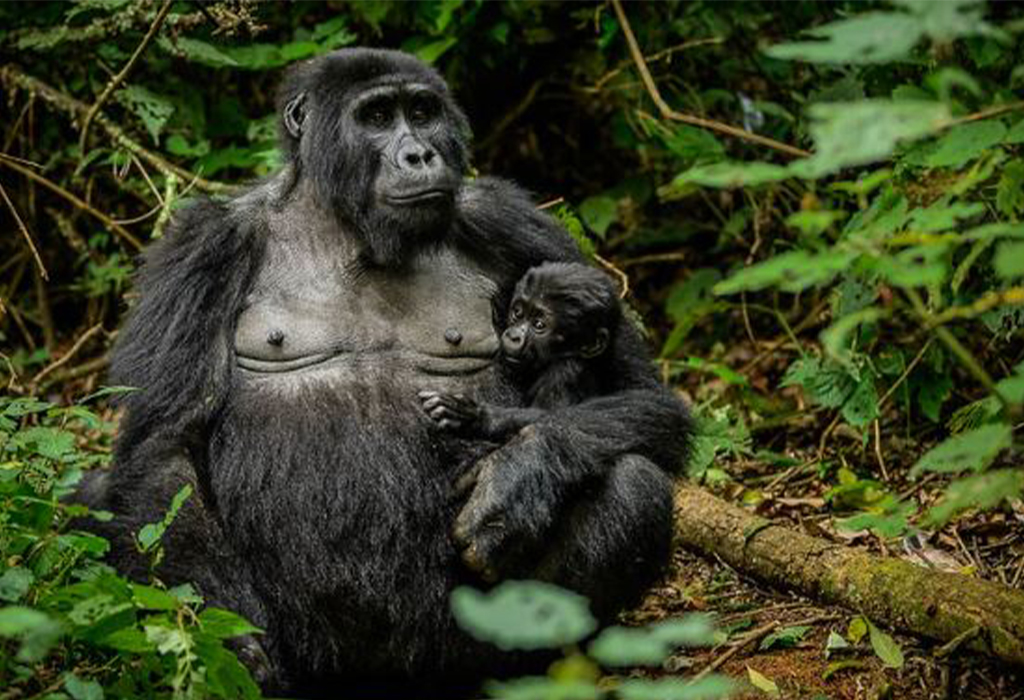
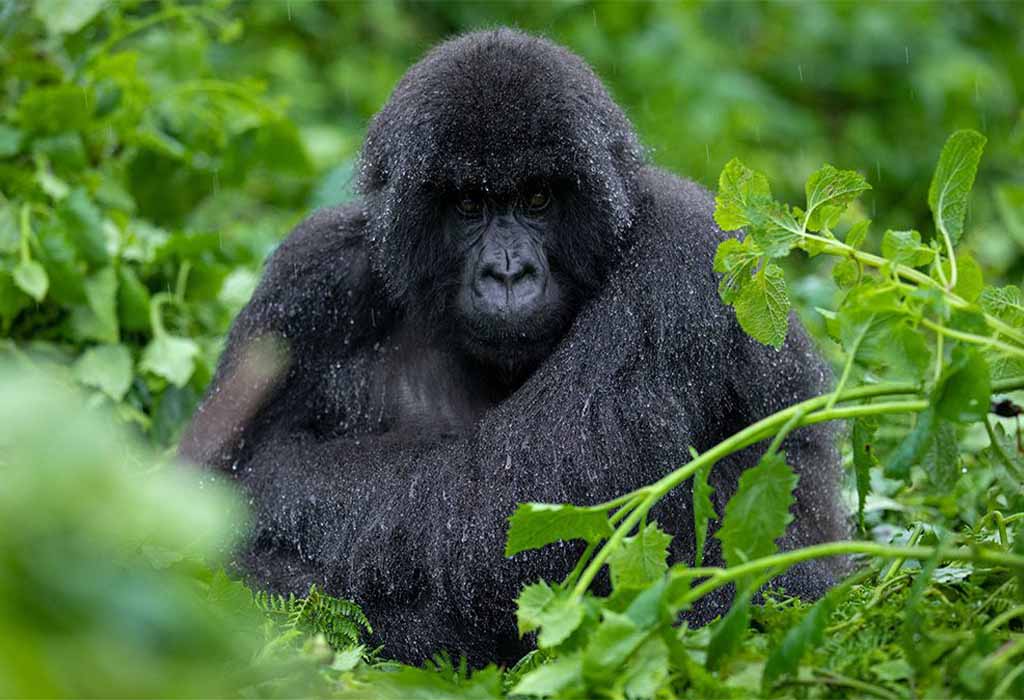
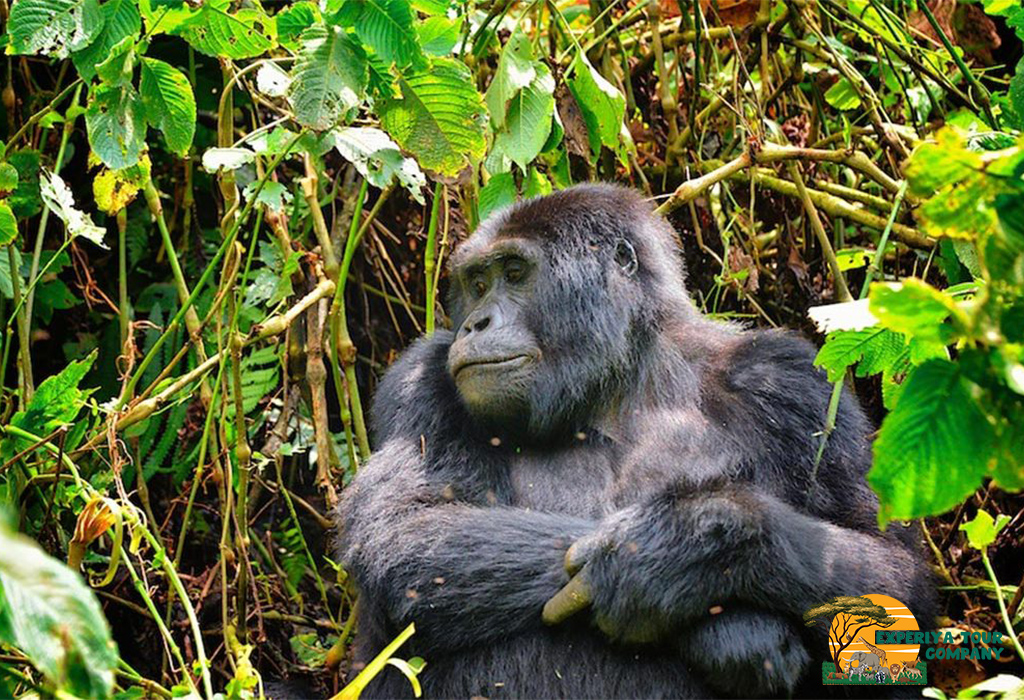
Mountain gorillas face a combination of natural and human-induced threats that continue to endanger their survival. Despite remarkable conservation progress, their population—still fewer than 1,100 individuals remains highly vulnerable. These gorillas live only in Uganda, Rwanda, and the Democratic Republic of Congo, where various challenges continue to shape their future. Below is a detailed look at the main threats to mountain gorilla populations and why continued protection remains critical.
How Does Habitat Loss Affect Mountain Gorillas?
Habitat loss stands among the most serious threats to mountain gorillas. As human settlements expand and agricultural fields stretch deeper into the forests, gorilla habitats in the Virunga Massif and Bwindi Impenetrable National Park continue to shrink. Consequently, gorillas face reduced access to food, limited movement, and increased contact with people. Over time, these factors lead to habitat fragmentation, reduced genetic diversity, and heightened vulnerability to disease and human conflict. Ultimately, long-term habitat degradation directly undermines the survival of mountain gorilla populations.
Why Is Poaching a Threat to Mountain Gorillas?
Although mountain gorillas are rarely the direct targets, poaching still poses a major danger. Gorillas often get trapped in snares intended for antelope or bush pigs, leading to severe injuries or even death. In rare instances, poachers intentionally target gorillas for bushmeat or the illegal wildlife trade. Whenever a gorilla is lost, the entire family structure suffers—especially if a dominant silverback dies, as this destabilizes the group. Therefore, poaching not only reduces numbers but also disrupts essential social dynamics.
How Do Human–Wildlife Conflicts Impact Mountain Gorillas?
Human–wildlife conflict occurs when gorillas wander outside protected areas and raid crops. When this happens, tensions rise as farmers try to protect their livelihoods. Some may set traps or use aggressive methods to chase gorillas away, which can result in injuries or fatalities. Such conflicts weaken conservation gains and highlight the delicate balance between safeguarding endangered species and supporting nearby communities.
What Diseases Threaten Mountain Gorillas?
Diseases pose an increasingly serious threat due to the close genetic relationship between humans and gorillas. Respiratory infections—especially pneumonia—are among the most common illnesses transmitted from humans. The more people visit or live near gorilla habitats, the higher the risk of disease outbreaks. Additionally, gorillas are susceptible to parasites and other infections, which spread quickly within family groups. With limited genetic diversity, recovering from disease becomes even more difficult.
How Does Climate Change Affect Mountain Gorillas?
Climate change adds yet another layer of uncertainty. Altered rainfall patterns, rising temperatures, and unpredictable weather affect vegetation growth and reduce the availability of gorilla food sources. Furthermore, extreme weather events like droughts and heavy rains destabilize habitats. As ecosystems shift, gorillas may get confined to smaller pockets of forest, increasing competition and escalating human–wildlife conflict.
Why Is Deforestation Dangerous for Mountain Gorillas?
Deforestation driven by logging, charcoal production, and agricultural expansion—remains a major challenge. When forests are cleared, gorillas lose access to food and shelter. Moreover, fragmented forests isolate groups, increase the risk of inbreeding, and force gorillas closer to human settlements. This proximity raises the likelihood of disease transmission and conflict. Consequently, protecting intact forests is essential for the species’ long-term survival.
How Does Agricultural Expansion Threaten Mountain Gorilla Habitats?
As human populations grow, agricultural land continues to encroach on gorilla habitats. In communities surrounding Bwindi Impenetrable Forest and the Virunga Mountains, families depend heavily on farming, which often pushes the boundaries of protected areas. This increases human–gorilla encounters and encourages crop raiding. Additionally, the use of fertilizers, pesticides, and land-clearing methods disrupts ecosystems and reduces overall biodiversity.
What Role Does Political Instability Play in Threatening Mountain Gorillas?
Political instability particularly in the Democratic Republic of Congo—creates significant challenges. Armed conflicts often unfold in or near protected areas, placing gorillas, rangers, and researchers in danger. During periods of instability, enforcement weakens, allowing poaching, illegal mining, and resource extraction to rise. As a result, conservation work becomes more difficult, and gorillas face heightened risks.
How Does Tourism Impact Mountain Gorillas?
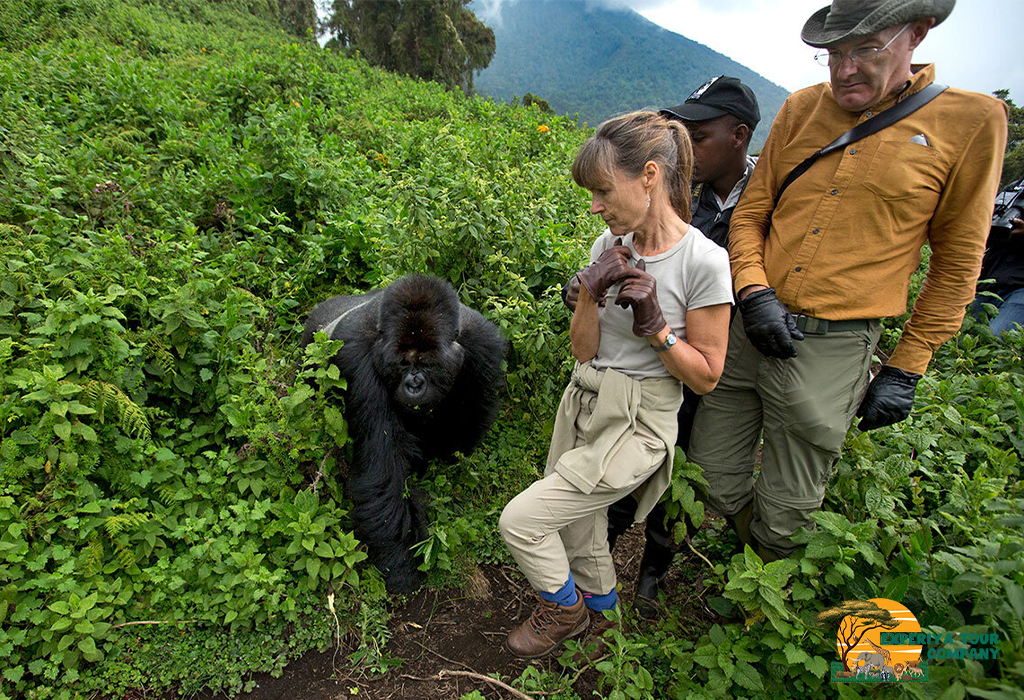
Tourism plays a vital role in funding conservation, yet it can also pose risks. Frequent human presence increases stress among gorillas and raises the potential for disease transmission. Poorly managed tourism may lead to habitat disturbance, such as trampling vegetation or leaving waste behind. For this reason, strict regulations including controlled group sizes and minimum viewing distances help ensure tourism remains sustainable. Experiya Tour Company adheres strictly to these guidelines to support gorilla health and safety.
Are Snares and Traps a Danger to Mountain Gorillas?
Yes. Snares and traps intended for other wildlife consistently threaten gorillas. Juvenile gorillas, being more curious, are especially vulnerable to becoming entangled. These traps cause deep wounds, infections, or permanent disabilities. Although anti-poaching teams actively remove snares, the sheer number of traps laid across forested areas remains a significant challenge.
How Does Human Encroachment Affect Mountain Gorilla Survival?
Human encroachment leads to reduced forest cover and increased overlap between gorilla territories and human activities. As lands are cleared for settlements, farming, and infrastructure, gorilla habitats shrink. This not only disrupts conservation strategies but also increases direct encounters, heightening risks of disease and conflict. Encroachment creates fragmented landscapes that are far more challenging to protect.
Why Is Inbreeding a Concern for Mountain Gorilla Populations?
With a small and isolated population, mountain gorillas face a real risk of inbreeding. When closely related individuals reproduce, genetic diversity decreases. This results in reduced fertility, higher rates of birth defects, and increased susceptibility to disease. Protecting wildlife corridors and maintaining connected habitats are essential to facilitating gene flow and supporting long-term population health.
What Are the Effects of Illegal Logging on Mountain Gorillas?
Illegal logging destroys key feeding and nesting areas. It also opens previously inaccessible forest zones, inviting more human activity including poaching and illegal trade. Logging roads fragment habitats and alter natural behavior patterns. Despite ongoing monitoring, illegal logging continues due to high demand for timber and fuelwood.
How Does Livestock Grazing Threaten Mountain Gorilla Habitats?
Livestock grazing inside or near gorilla habitats degrades vegetation and leads to competition for food. Domesticated animals can damage fragile ecosystems and spread diseases that potentially infect gorillas. In many regions, grazing conflicts escalate tensions between communities and park authorities, undermining conservation efforts.
How Do Infrastructure Developments Affect Mountain Gorilla Populations?
Infrastructure projects such as roads, mining facilities, and new settlements bring several negative impacts. They fragment habitats, introduce pollutants, increase noise, and open pathways for illegal activities. Moreover, roads make it easier for poachers to reach remote forest zones. Therefore, environmental impact assessments and responsible planning remain essential.
Why Are Mountain Gorillas Considered Critically Endangered?
Mountain gorillas are critically endangered because of their small population size, restricted habitats, and constant exposure to threats like disease, poaching, encroachment, and climate change. Although conservation efforts have helped their numbers grow slowly, the species remains extremely vulnerable. Their survival depends on continued and expanded protection.
What Is Being Done to Protect Mountain Gorillas from Threats?
Governments, conservationists, and organizations like Experiya Tour Company support various protection measures. These include:
- Anti-poaching patrols
- Veterinary care through rapid response programs
- Habitat conservation and restoration
- Community engagement and education
- Strict enforcement of tourism guidelines
- Cross-border cooperation among Uganda, Rwanda, and the DRC
Thanks to these coordinated efforts, the population of mountain gorillas has gradually increased.
How Effective Are Conservation Efforts?
Conservation efforts have proven extremely effective. Initiatives such as the Greater Virunga Transboundary Collaboration enhance security and monitoring across borders. Regulated tourism generates revenue for communities, reducing reliance on forest resources. However, persistent threats—including climate change, disease, and encroachment require continuous funding and political commitment.