
Rhino Trekking in Akagera National Park, Rwanda
February 24, 2026
African Forest Elephants vs Savanna Elephants
February 25, 2026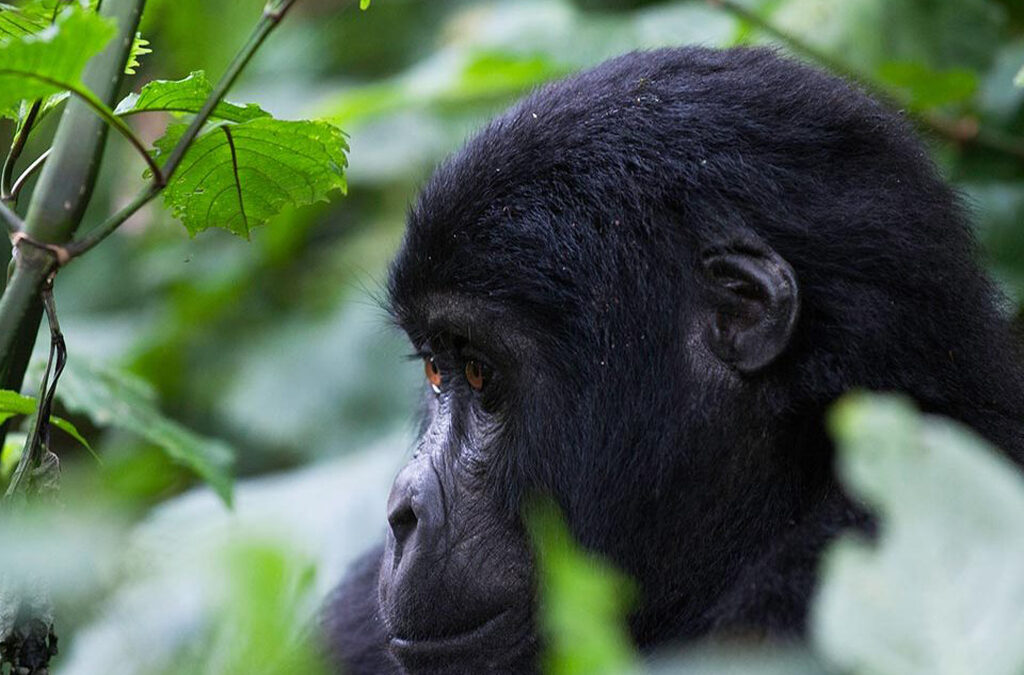
Gorilla trekking in Uganda, Rwanda, and the Democratic Republic of Congo is truly a once-in-a-lifetime wildlife experience. Standing just meters away from a mountain gorilla family in the misty forests of Bwindi, Mgahinga, Volcanoes, or Virunga National Park is both humbling and unforgettable. However, having a valid gorilla permit, meeting the minimum age requirement of 15 years, and being physically fit do not automatically guarantee a successful trek.
To make your gorilla trekking experience safe, ethical, and deeply rewarding, you must follow strict conservation guidelines. Mountain gorillas are endangered and share approximately 98% of their DNA with humans. As a result, they are highly susceptible to human diseases and behavioral disturbances. Therefore, knowing what never to do around these gentle giants is just as important as knowing what to expect.
Below are essential rules you should always observe while in the presence of mountain gorillas.
-
Never Trek Gorillas When You Are Sick
First and foremost, do not trek mountain gorillas if you are feeling unwell. Even mild illnesses such as cough, flu, sore throat, measles, or chickenpox can pose a serious threat to gorillas. Because they are genetically close to humans, they can easily contract communicable diseases.
If you experience any symptoms before your trek, inform park authorities immediately. In many cases, they may reschedule your permit or make alternative arrangements. While it may feel disappointing to postpone your trek, protecting these endangered primates must always come first.
In fact, respiratory infections remain one of the greatest threats to mountain gorilla populations. For this reason, many parks now require visitors to wear face masks during gorilla encounters. Always follow the current health protocols provided during your pre-trek briefing.
-
Never Use Flash Photography
Although capturing memories is part of the adventure, you should never use flash when photographing mountain gorillas. Flash photography can startle or irritate them, potentially triggering defensive or aggressive behavior.
Instead, adjust your camera settings before the trek. Increase ISO, use a fast lens, and rely on natural light. Since gorilla trekking often takes place in dense forests, preparing your camera in advance ensures you get excellent shots without disturbing the animals.
By respecting this rule, you protect both yourself and the gorillas while still preserving unforgettable memories.
-
Never Get Too Close or Attempt to Touch Them
Maintaining a safe distance is critical. Always keep at least 7 meters (about 23 feet) away from the gorillas. Even if a curious infant approaches you, slowly move back and allow the ranger guide to manage the situation.
While gorillas in these parks are habituated to human presence, they remain wild animals. Touching them increases the risk of disease transmission and may provoke defensive reactions from protective silverbacks.
Therefore, no matter how calm or gentle they appear, resist the temptation to reach out. Respecting their space ensures a peaceful and safe encounter for everyone.
-
Never Eat, Drink, or Smoke Near Gorillas
You should never eat, drink, or smoke while observing mountain gorillas. Food crumbs and waste can introduce foreign bacteria into their habitat. Additionally, the smell of food may attract unwanted attention from the gorillas or other wildlife.
Before you approach the gorilla family, your guide will instruct you to leave food items in your backpack. If you must eat, do so at a designated distance from the gorillas during the trek.
Smoking is strictly prohibited, as it not only pollutes the environment but also exposes gorillas to harmful substances. Conservation begins with simple but disciplined behavior.
-
Avoid Making Loud Noises
While trekking through the forest, keep your voice low and movements calm. Loud talking, shouting, or sudden noises can alarm the gorillas and other wildlife, including birds and primates.
Instead, whisper when asking questions or communicating with fellow trekkers. Calm behavior reassures the gorillas that you are not a threat. Rangers often communicate using soft vocal sounds to signal friendly intentions to the gorillas, and visitors should follow their lead.
Remember, the forest is their home. As guests, we must behave respectfully.
-
Do Not Cough or Sneeze Toward the Gorillas
If you feel the urge to cough or sneeze, turn away immediately and cover your mouth and nose with a tissue or your elbow. Dispose of tissues properly, as instructed by your guide.
Even better, wear your face mask correctly throughout the encounter. Since respiratory illnesses pose significant risks to gorillas, responsible hygiene is essential.
By taking these simple precautions, you directly contribute to the long-term survival of this critically endangered species.
-
Never Exceed the One-Hour Viewing Limit
Gorilla trekking permits allow visitors to spend a maximum of one hour with a habituated gorilla family. This time limit exists to minimize stress and behavioral disruption.
Do not attempt to negotiate for extra time. Rangers closely monitor the gorillas’ behavior and may even shorten the visit if the animals show signs of anxiety or agitation.
Although one hour may feel short, it provides ample opportunity to observe feeding, grooming, playing, and interacting within the group. Quality matters more than quantity in wildlife encounters.
-
Avoid Direct Eye Contact
In gorilla communication, prolonged direct eye contact can signal a challenge or threat. Therefore, avoid staring intensely into a gorilla’s eyes, especially a dominant silverback.
If a gorilla charges or displays dominance behavior, remain calm. Do not run. Instead, crouch down slowly, avoid eye contact, and follow the ranger’s instructions. In most cases, mock charges are simply warning displays.
Your calm response reassures the gorilla and quickly diffuses tension.
About Mountain Gorillas and Trekking Adventures
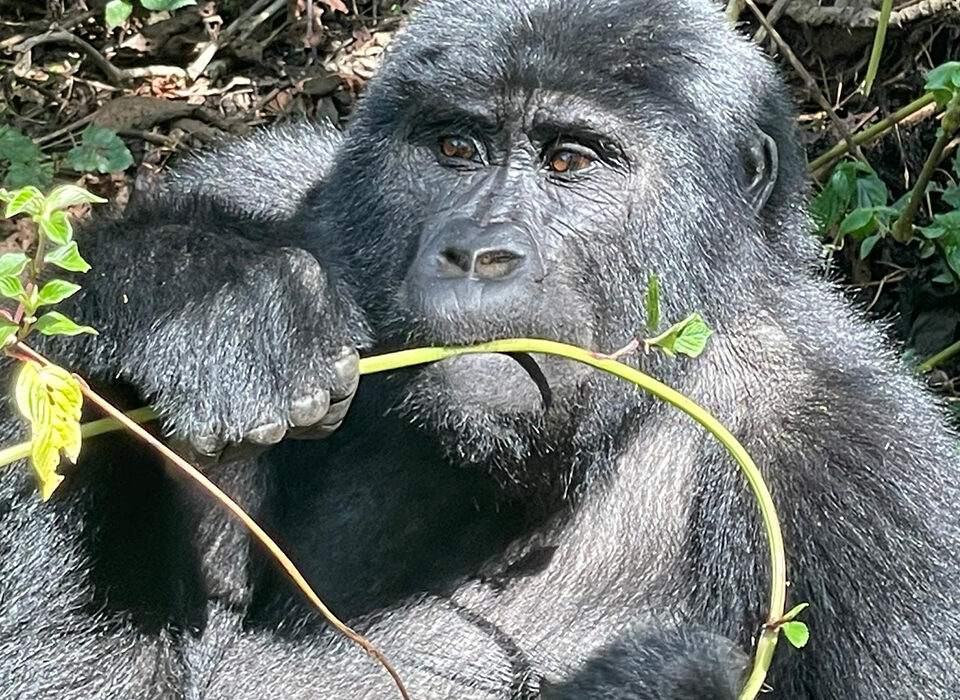
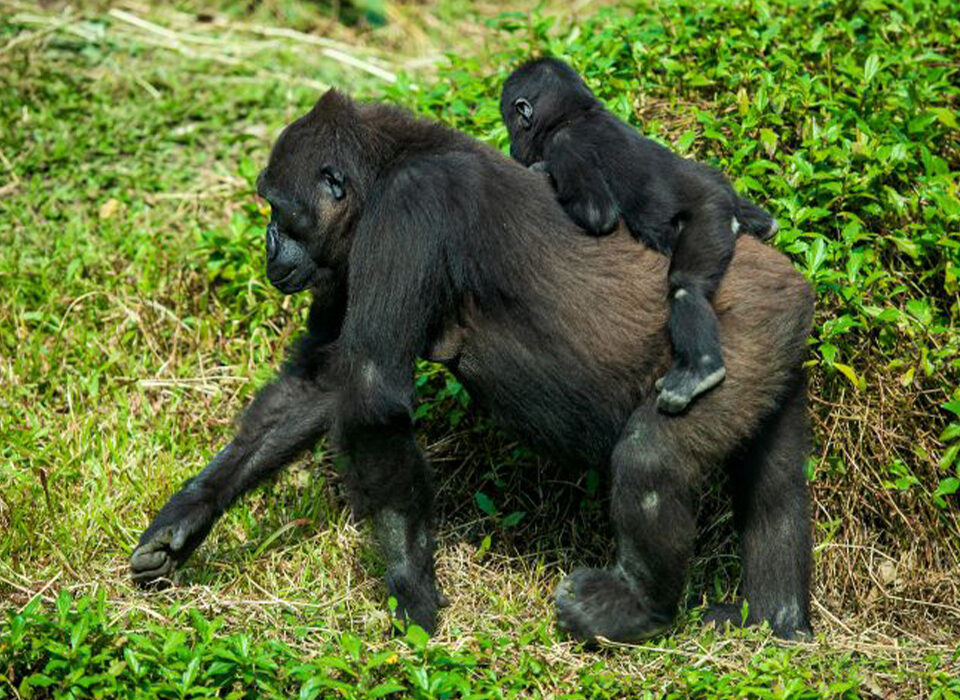
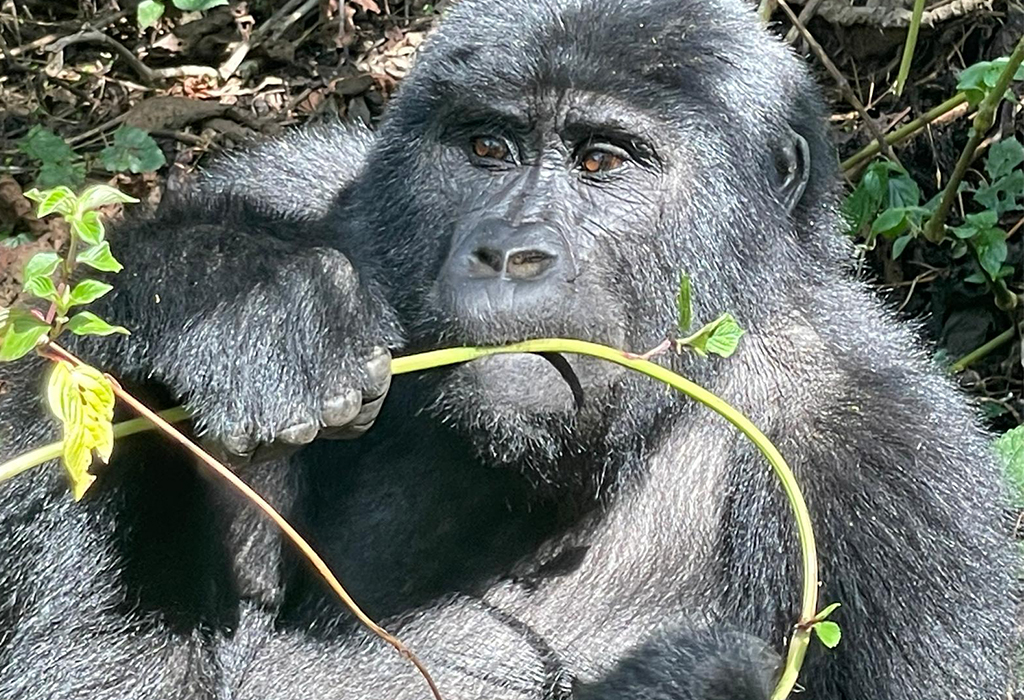
Mountain gorillas (Gorilla beringei beringei) inhabit the mist-covered highlands of East and Central Africa. You can only find them in three countries:
- Uganda – Bwindi Impenetrable National Park and Mgahinga Gorilla National Park
- Rwanda – Volcanoes National Park
- Democratic Republic of Congo – Virunga National Park
Thanks to strong conservation efforts, mountain gorilla numbers have gradually increased over the years. However, they remain endangered, with just over 1,000 individuals surviving in the wild.
Gorilla trekking is available throughout the year. However, many travelers prefer the drier seasons (June to September and December to February) because trails are less muddy and easier to navigate. That said, the rainy seasons offer lush scenery and fewer crowds.
Gorilla Permit Information (Updated 2026)
Before traveling, you must secure a valid gorilla permit. Booking early is essential, especially during peak seasons.
Current permit fees are approximately:
- Rwanda: USD $1,500 per person
- Uganda:
- Foreign Non-Residents: USD $800 per person
- Foreign Residents: USD $700 per person
- East African Citizens: UGX 300,000 per person
- Democratic Republic of Congo: USD $400 per person (prices may vary seasonally)
Permit fees contribute directly to conservation, anti-poaching efforts, community development, and park management.
Final Thoughts
Gorilla trekking offers one of the most profound wildlife encounters on Earth. However, with this privilege comes responsibility. By avoiding harmful behaviors such as trekking while sick, using flash photography, breaking distance rules, or making excessive noise you actively protect these magnificent creatures.
Ultimately, responsible tourism ensures that future generations will also experience the magic of standing face-to-face with mountain gorillas in their natural habitat.
Respect the rules. Protect the gorillas. Treasure the moment.