Reptile Safaris in Uganda
January 22, 2026
Zip Lining Adventures in Uganda
January 23, 2026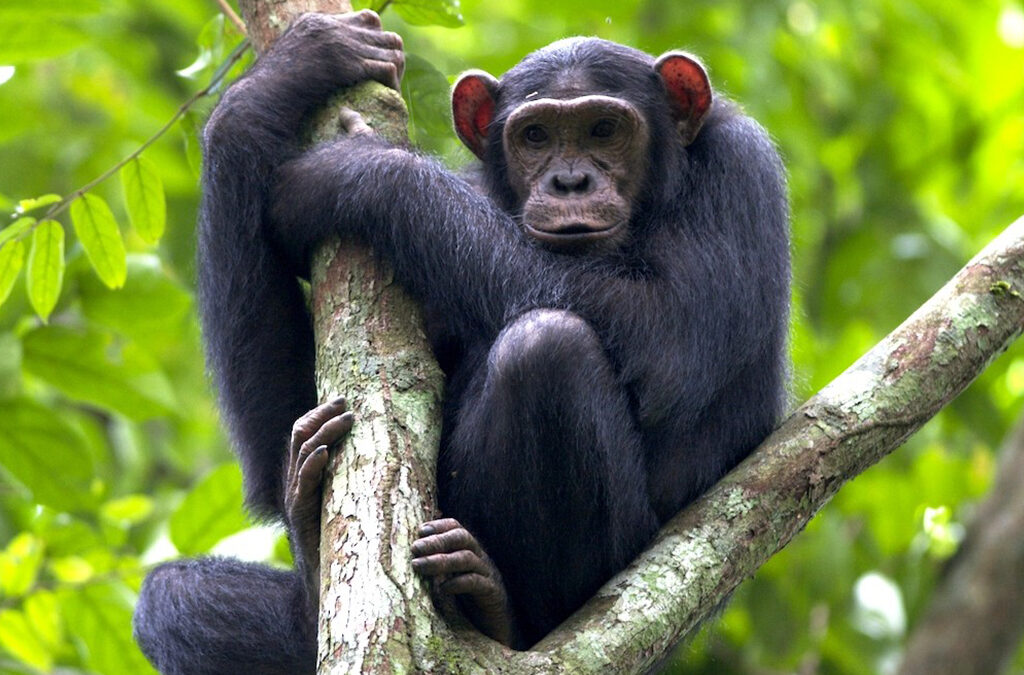
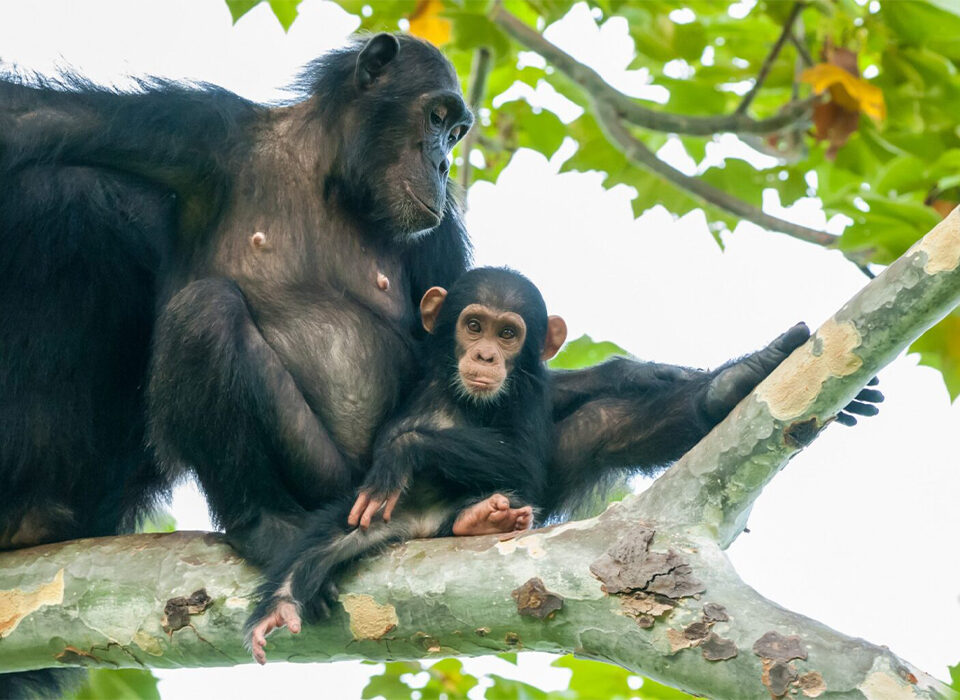
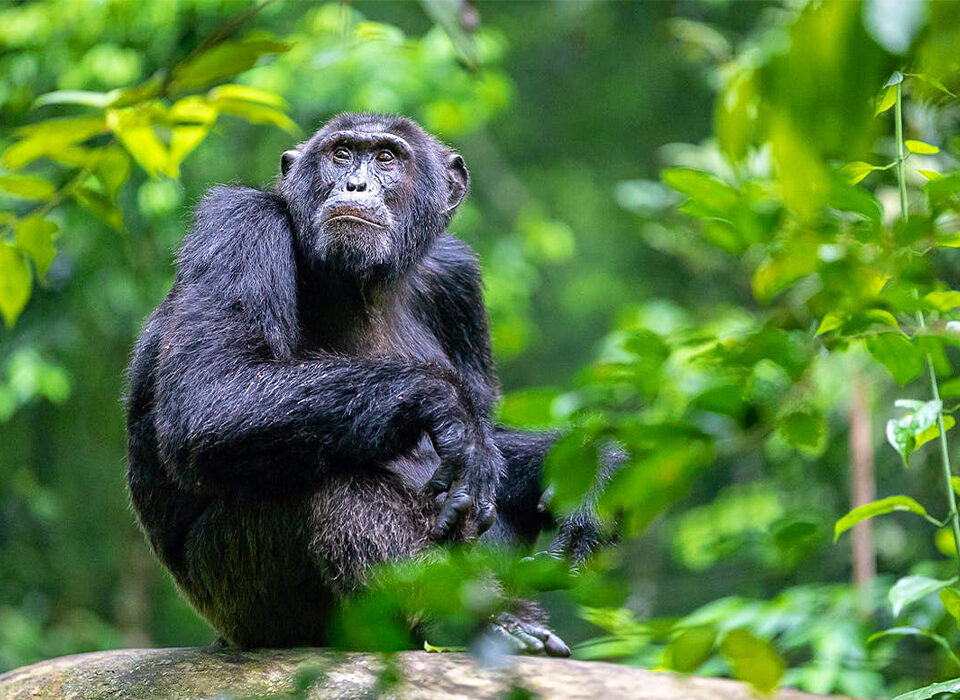
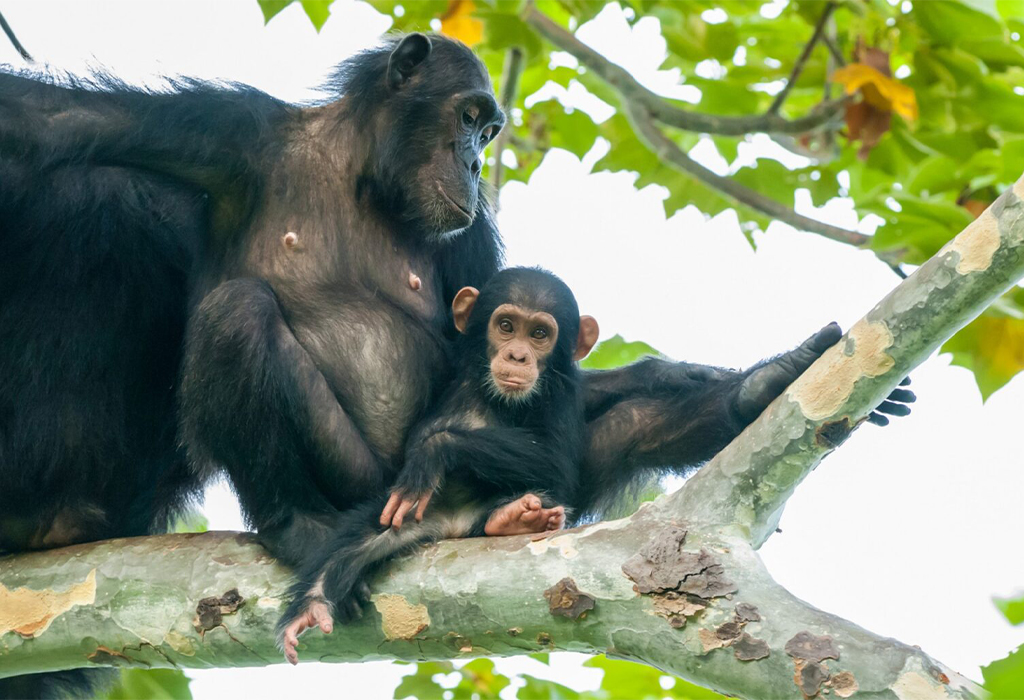
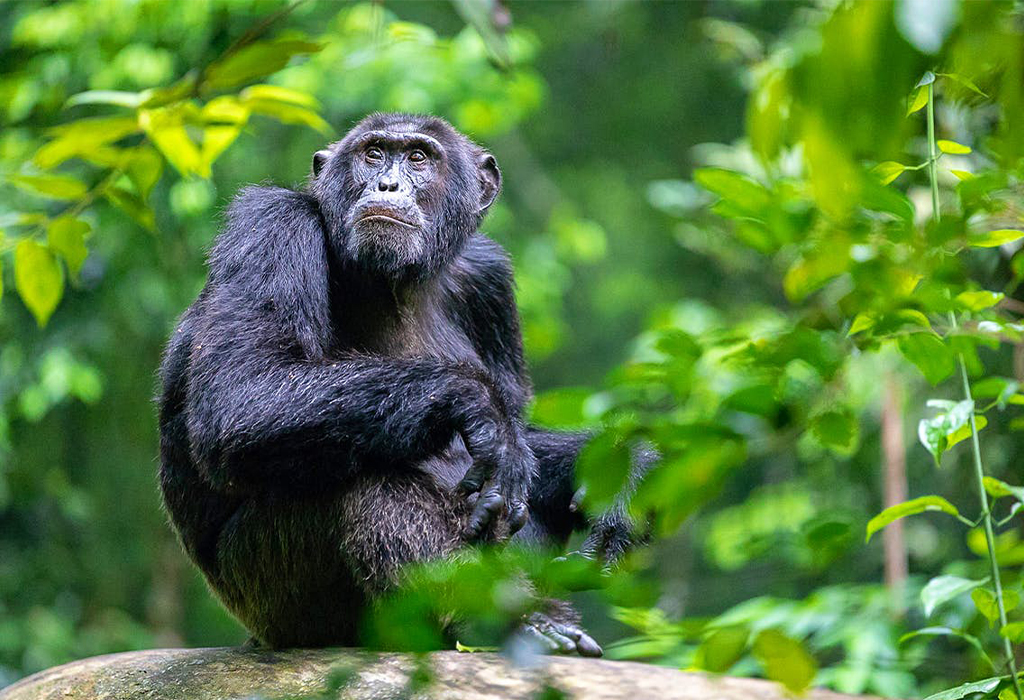
Chimpanzee trekking is one of the most exciting wildlife experiences you can enjoy in Uganda. Widely known as the Primate Capital of the World, Uganda offers travelers a rare opportunity to observe chimpanzees in their natural forest habitats.
Although chimpanzees also live in neighboring countries such as Rwanda, Tanzania, and the Democratic Republic of Congo, Uganda stands out due to its accessibility, rich forest ecosystems, and well-organized trekking programs.
In this article, we explore the advantages and challenges of chimpanzee trekking in Uganda, helping you understand what to expect and how to make the most of this unforgettable adventure.
Advantages of Chimpanzee Trekking in Uganda
High Chances of Seeing Chimpanzees
One of Uganda’s greatest advantages is the high success rate of chimpanzee sightings. The country hosts large and well-habituated chimpanzee populations. Whether you choose Kibale National Park, Budongo Forest, Kyambura Gorge, Kalinzu Forest, or Ngamba Chimpanzee Sanctuary, you are almost guaranteed to encounter these remarkable primates.
This reliability makes Uganda a top choice for travelers seeking a rewarding chimpanzee trekking experience.
Natural and Authentic Encounters
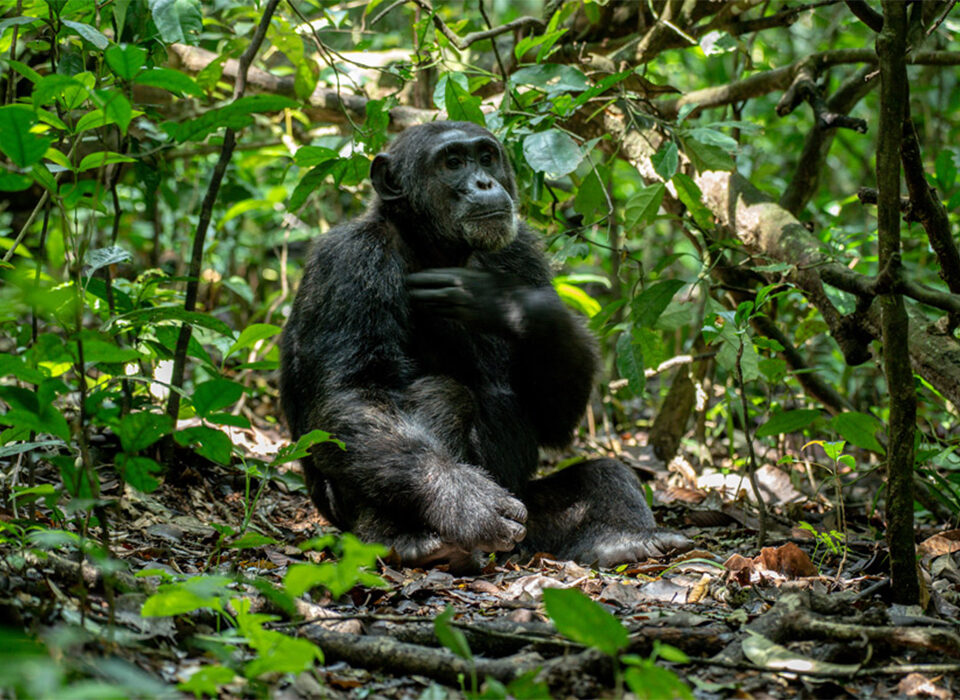
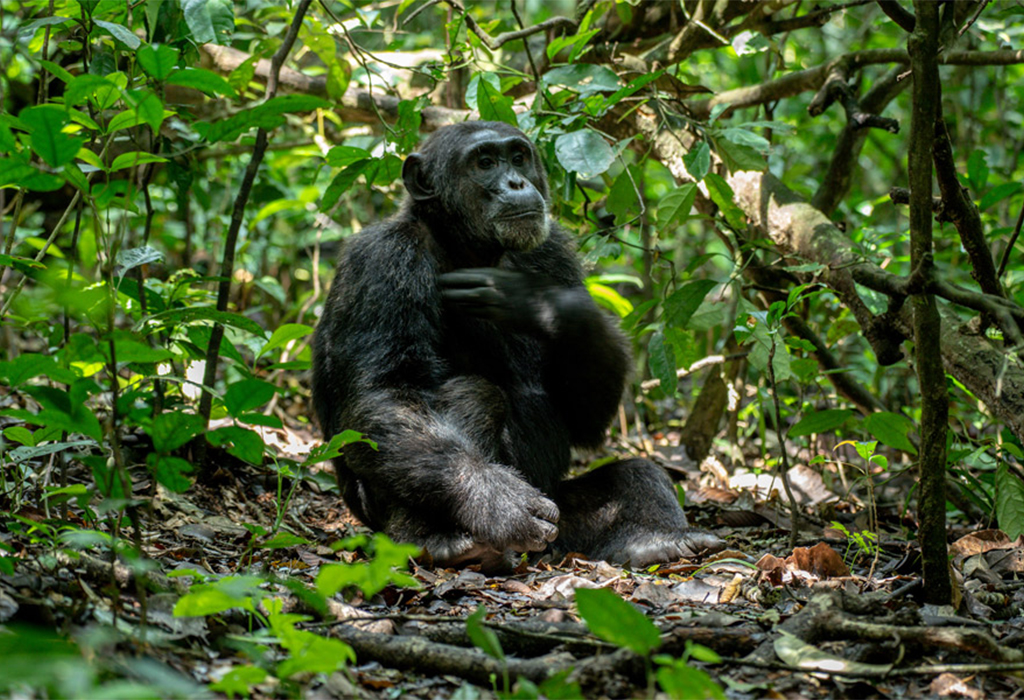
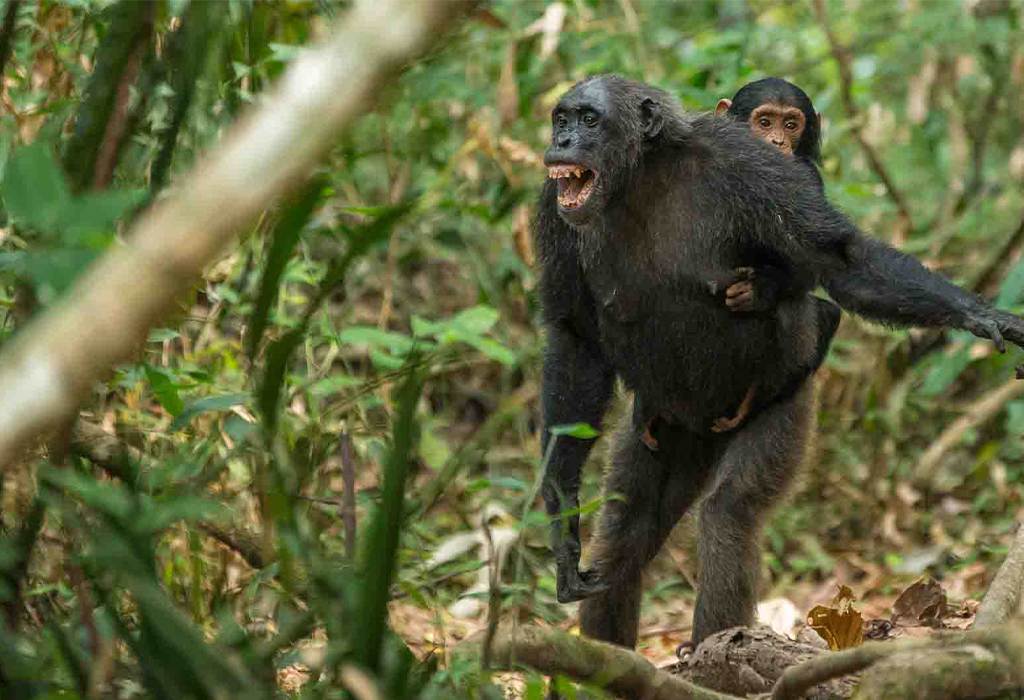
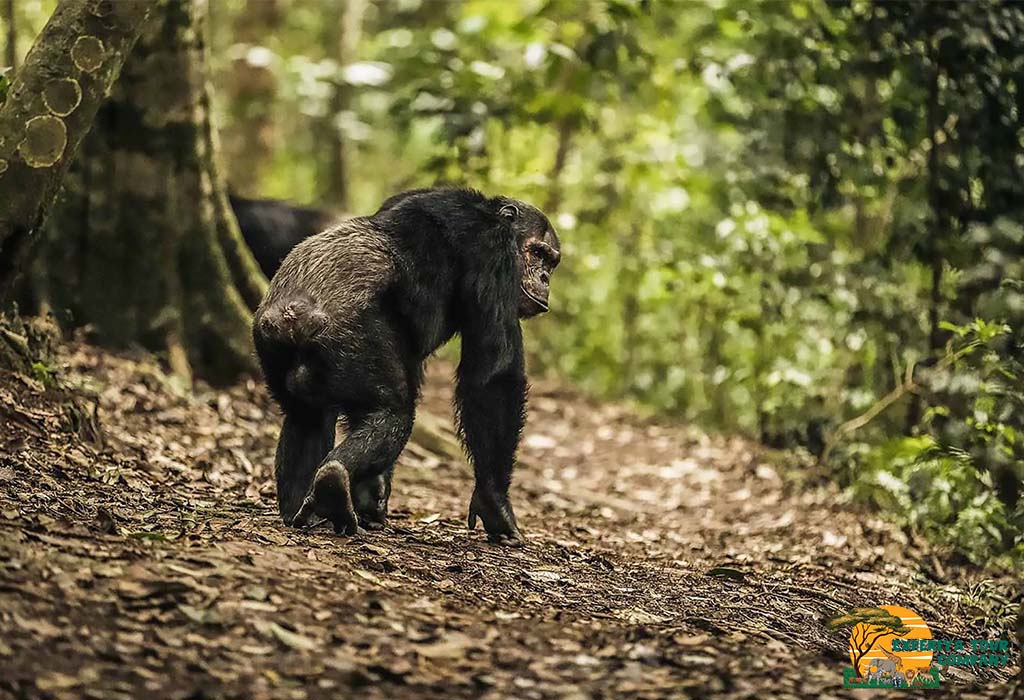
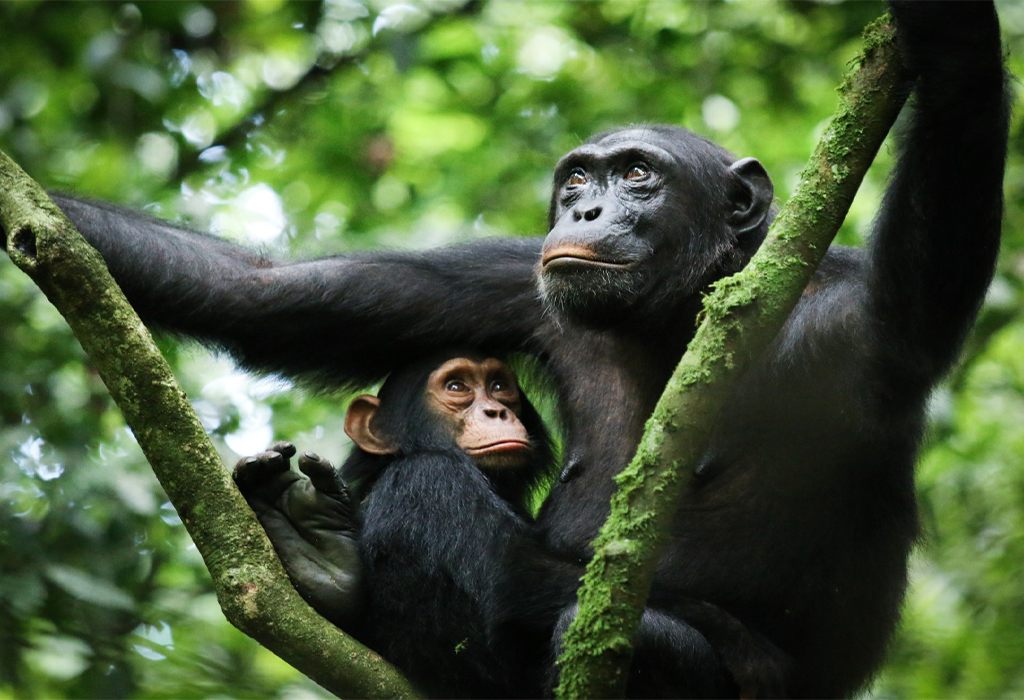
Uganda allows you to observe chimpanzees in the wild, not in confined environments. You watch them forage, groom, play, and communicate freely within dense tropical forests.
The lush vegetation, towering trees, forest canopies, and flowing streams create a magical setting that appeals to nature lovers and photographers alike.
Affordable Permit Prices
Compared to other destinations, Uganda offers excellent value for money.
- Chimpanzee trekking permit: USD 200 per person
- Chimpanzee habituation experience: USD 250 per person
These are the current Uganda Wildlife Authority (UWA) rates, making Uganda one of the most affordable countries for chimpanzee trekking in Africa.
Chimpanzee Habituation Experience
For travelers seeking a deeper connection, Uganda offers chimpanzee habituation experiences. These allow you to spend extended hours with chimpanzees as researchers gradually accustom them to human presence.
This experience provides deeper insight into chimpanzee behavior and offers exceptional opportunities for photography and observation.
Adventurous and Scenic Trails
Chimpanzee trekking trails lead you through dense forests, rolling hills, riverbanks, and forest clearings. While some routes require effort, they enhance the sense of adventure and immersion in nature.
The journey feels just as rewarding as the destination.
Small Group Sizes
Uganda limits trekking groups to 10–12 people, ensuring a more personal and intimate experience. Smaller groups reduce disturbance to the chimpanzees and allow travelers to interact, share stories, and learn from expert guides.
This setup works especially well for solo travelers and small groups.
Easy to Fit into a Safari Itinerary
Most chimpanzee treks take half a day, allowing you to enjoy other activities such as bird watching, nature walks, crater lake visits, or cultural encounters on the same day.
This flexibility makes chimpanzee trekking easy to combine with broader safari plans.
Challenges of Chimpanzee Trekking in Uganda
Physical Demands
Chimpanzee trekking can be physically demanding. Trails may be steep, uneven, muddy, or slippery, especially after rain. Travelers who are not used to walking long distances may find the trek tiring.
A reasonable level of fitness helps ensure a comfortable and enjoyable experience.
Unpredictable Weather
Uganda’s weather can change quickly. Sudden rain showers may make trails muddy, while hot and humid conditions can cause fatigue.
Travelers should pack rain gear, sun protection, sturdy hiking boots, and light clothing to stay comfortable in varying conditions.
Permit Costs During Peak Seasons
While trekking permits remain affordable, prices may feel high for budget travelers. During peak seasons, availability becomes limited, requiring early booking.
Visiting during shoulder or low seasons can reduce crowds and create a more relaxed experience.
Age Restrictions
Most parks enforce age limits, usually 12 or 15 years and above, depending on the location. Families traveling with young children need to plan alternative activities or wait until children meet the age requirement.
Limited Viewing Time
Standard trekking permits allow one hour with the chimpanzees. Although this may feel short, the rule protects chimpanzee welfare and prevents stress or behavioral disruption.
While leaving can be difficult, conservation remains the top priority.
How to Make the Most of Your Chimpanzee Trekking Experience
Choose the Right Location
Select a destination that matches your fitness level and interests:
- Kibale National Park: Ideal for first-time trekkers with high chimpanzee density
- Budongo Forest: More remote and adventurous
- Kyambura Gorge: Dramatic scenery within Queen Elizabeth National Park
- Kalinzu Forest: Budget-friendly and less crowded
Prepare Physically
Regular walking, light hiking, or stair climbing before your trip helps prepare your body. Carry essentials such as:
- Drinking water
- Snacks
- Insect repellent
- Camera or binoculars
Visit During the Best Seasons
The dry seasons (June–September and December–February) offer better trail conditions and easier trekking. However, chimpanzees remain active year-round, so flexibility is key.
Respect Wildlife and Guidelines
Always follow your guide’s instructions, maintain a safe distance, and keep noise to a minimum. Respecting chimpanzees ensures both your safety and their well-being.
Chimpanzee trekking is not just about sightings it’s about understanding and protecting a fragile ecosystem.
Conclusion
Chimpanzee trekking in Uganda offers a rare blend of adventure, wildlife immersion, and breathtaking forest scenery. With high sighting success, affordable permits, diverse trekking locations, and unique habituation experiences, Uganda remains one of Africa’s best destinations for primate encounters.
Although challenges such as physical demands, weather conditions, age limits, and time restrictions exist, proper planning makes them manageable.
By understanding both the pros and cons, travelers can approach chimpanzee trekking fully prepared and leave with unforgettable memories.
Whether you are a seasoned wildlife enthusiast or a first-time visitor, Uganda’s forests open a window into the intelligent, curious, and playful world of chimpanzees a world waiting to be discovered.