Top Things to Do in Kigali, Rwanda
September 13, 2025
Eco-Friendly Travel in Rwanda
September 13, 2025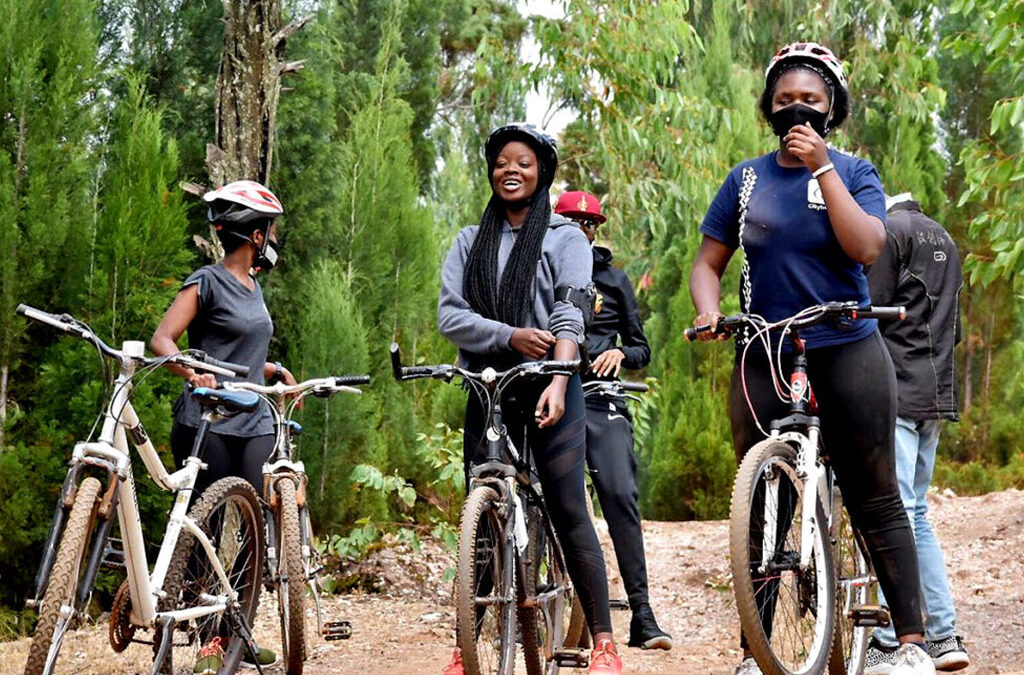
The Congo Nile Trail may not be as famous as gorilla trekking in Rwanda, yet it is one of the most rewarding adventures for outdoor enthusiasts. While gorilla tours often dominate visitors’ minds, the Congo Nile Trail offers a unique way to discover Rwanda’s natural beauty, culture, and hospitality. Launched in 2011, this 227-kilometer trail has become a top attraction for hikers and bikers seeking a scenic journey across the country.
Overview of the Congo Nile Trail
The trail stretches along the shores of Lake Kivu, beginning in Gisenyi in the north and ending in Rusizi District in the south. Despite its name, it neither passes through the Democratic Republic of Congo nor directly connects to the River Nile. Instead, it takes its name from the Congo–Nile watershed, a natural divide between the two great rivers.
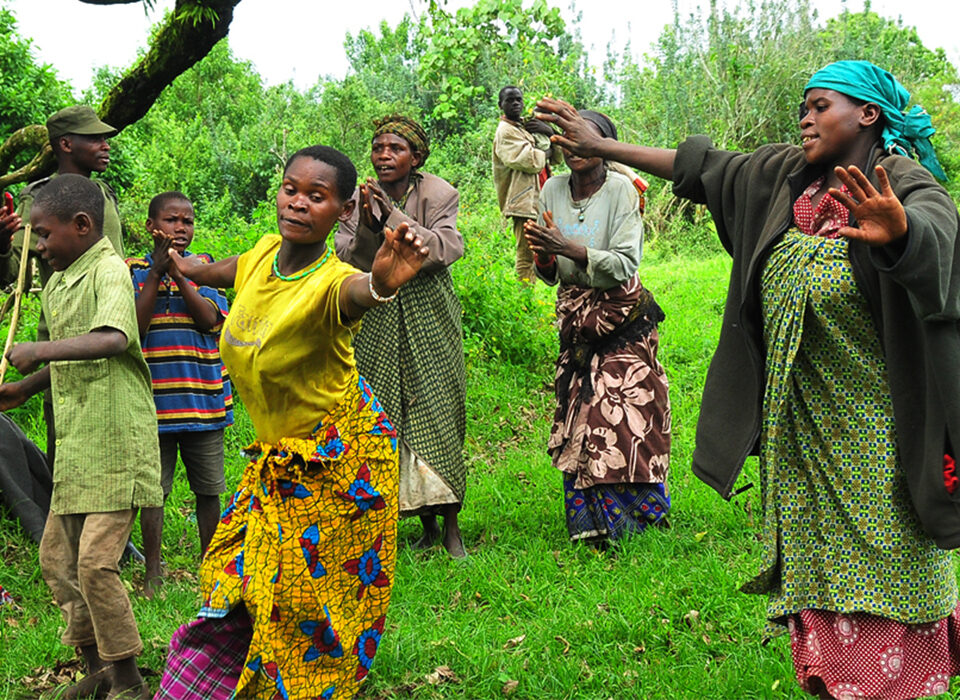
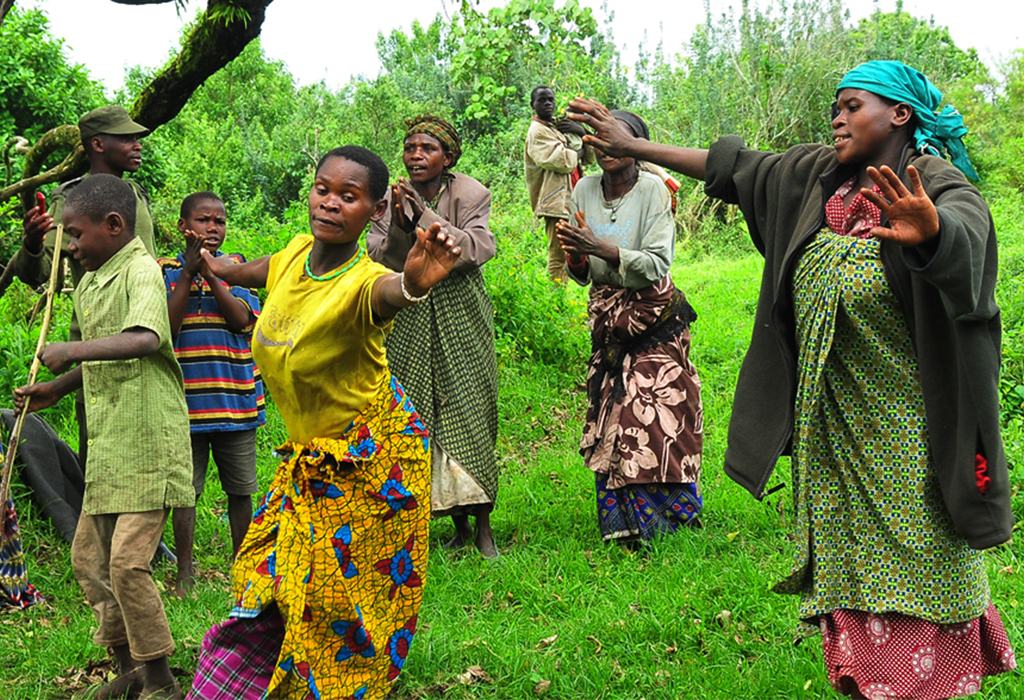
This route is considered one of the best biking trails in East Africa. It takes travelers through Rwanda’s rolling hills, peaceful villages, coffee and tea plantations, fishing communities, and even sections of Nyungwe Forest National Park. Along the way, you encounter breathtaking lake views, waterfalls, valleys, and glimpses of the distant Congolese mountains. Warm greetings from locals, lively markets, and opportunities to experience traditional Rwandan dances make the journey even more memorable.
Ways to Explore the Trail
Travelers can complete the trail in four different ways: by car, motorcycle, bicycle, or on foot. Each option offers a unique experience:
- Walking: Takes about 10 days. It is physically demanding but allows the deepest cultural and scenic immersion.
- Biking: Takes around 5 days. This is the most popular option and offers a balance between adventure and efficiency.
- Driving or motorcycling: Convenient for those short on time, though less interactive with local communities.
If time is limited, visitors can also choose to explore shorter sections instead of completing the entire route. However, it is important to consider Rwanda’s rainy seasons (March–May and October–November), as heavy rains can make parts of the trail slippery and challenging.
Getting to the Starting Point
The journey usually begins in Gisenyi, which is about three hours from Kigali by bus or car. Travelers bringing their own bikes must make arrangements with bus operators for extra space. Alternatively, private vehicles or organized transfers can provide more convenience.
At the end of the trail in Rusizi (near Kamembe), the return trip to Kigali takes about five hours by road.
Renting or Purchasing a Bike
International visitors often find it easier to rent rather than transport a bike. Mountain bikes are available for hire in Kigali and Gisenyi. When renting, test the bike to ensure it is in good condition and comfortable to ride. Essential accessories such as a pump, spare parts, and repair tools should be included.
Level of Difficulty
The Congo Nile Trail is moderately challenging. Travelers need a reasonable level of fitness, especially if walking or cycling the full length. The terrain is rarely flat for long; expect rocky paths, steep climbs, and dusty roads. For those unsure about their stamina, it is possible to complete the journey in stages, with breaks for activities such as boat rides, swimming, or relaxing along Lake Kivu.
Food and Water Along the Trail
The trail passes through several towns and villages, making it easy to purchase food, fruits, and water. Local shops and markets offer a chance to taste Rwandan cuisine and interact with community members. Recognizing signs and landmarks for shops is useful when in less familiar areas.
Accommodation Options
Accommodation along the Congo Nile Trail is plentiful, ranging from budget guesthouses to high-end lakeside lodges. Travelers can also camp near villages, schools, or designated campsites if they carry tents and gear.
Budget Options
- Home Saint Jean in Kibuye – Popular among budget travelers with lake access.
- Inzu Lodge in Gisenyi – Offers tents, good food, and cultural performances on request.
- Peace Guesthouse in Kamembe – Quiet setting with gardens and lakeside views.
- Kinunu Guesthouse – Eco-friendly stay overlooking Lake Kivu.
- Bethanie Guesthouse in Kibuye – Affordable with opportunities for boat rides.
- L’Esparance Guesthouse in Mugonero – Simple lodging with meals included.
- Kibogora Guesthouse in Kibogora – A basic but welcoming stay.
Luxury Options
- Paradis Malahide in Gisenyi – Beautiful gardens and lake views, ideal for relaxation.
- Lake Kivu Serena Hotel – A four-star hotel with a pool, restaurant, and modern amenities.
- Cormoran Lodge – Wooden cabins with views of Lake Kivu and Nyiragongo volcano.
- Moriah Hill Hotel – Spacious rooms with balconies overlooking the lake.
Essential Gear for the Congo Nile Trail
For a safe and enjoyable trip, consider bringing:
- Sleeping bag or light bedding
- Helmet and biking shoes
- Extra tire, pump, and repair tools
- Warm clothing for chilly nights
- Gloves, dust mask, sunglasses
- Snacks, boiled eggs, fruits, and water
- Camera for capturing scenic moments
- Headlamp or flashlight
- Toiletries and basic first-aid supplies
Activities to Combine with the Trail
Cycling or hiking the Congo Nile Trail can be combined with other exciting experiences in Rwanda, such as:
- Gorilla or golden monkey trekking in Volcanoes National Park
- Visiting Dian Fossey’s grave
- Game drives in Akagera National Park
- Chimpanzee tracking and canopy walks in Nyungwe Forest
- Exploring genocide memorial centers in Kigali
- Cultural visits to the Iby’iwacu Cultural Village
- Hiking Mount Karisimbi or Mount Bisoke
Final Thoughts
The Congo Nile Trail is one of Rwanda’s best outdoor adventures. It is more than just a biking or hiking route it is a journey through culture, landscapes, and community life. Whether you choose to walk, bike, or drive, the experience leaves lasting memories of Rwanda’s warm people and breathtaking scenery.