
What Are The Top Gorilla Destinations in Africa
December 17, 2025
Does Rain Affect Gorilla Trekking in Uganda and Rwanda?
December 17, 2025
Experiencing Rwanda’s wildlife, culture, and breathtaking landscapes doesn’t have to come with a luxury price tag. Known as the Land of a Thousand Hills, Rwanda has a reputation as an upscale destination. Yet, with strategic planning and smart choices, budget-conscious travelers can explore its stunning national parks, encounter incredible wildlife, and immerse themselves in rich cultural heritage. By embracing flexibility, prioritizing key experiences, and utilizing local travel options, Rwanda becomes accessible to those seeking authentic adventures without breaking the bank.
Understanding Budget Safari Realities in Rwanda
Budget safaris in Rwanda require realistic expectations and creativity. Unlike Uganda or Tanzania, where mid-range options abound, Rwanda is positioned as a premium destination with higher baseline costs. Nevertheless, travelers spending $100–$200 per day can still enjoy Rwanda’s highlights by prioritizing experiences, accepting modest accommodations, using public transport, and selecting activities carefully. Budget accommodations include guesthouses, hostels, and simple lodges offering clean rooms, private or shared bathrooms, basic meals, and friendly service—without luxury amenities. Transportation relies heavily on Rwanda’s excellent public minibus network, supplemented by occasional private vehicle hire for park access where public transport doesn’t reach. The key is to identify non-negotiable experiences, such as a gorilla trek or days in Akagera National Park, and build the itinerary around these priorities while using cost-effective options elsewhere.
Timing Travel for Maximum Savings
Traveling during Rwanda’s low seasons, from March through May and October through November, can dramatically reduce costs. During these rainy months, accommodation rates drop by 30–50% compared to peak periods, and fewer tourists make popular sites more intimate. Although afternoons often see rainfall, mornings are usually clear, making wildlife viewing, hiking, and cultural visits feasible. Roads remain passable, and national parks remain accessible. Volcanoes National Park’s bamboo forests become especially lush, while Nyungwe Forest offers excellent primate tracking even in wet conditions. Budget travelers who plan around these seasonal opportunities can benefit from discounts, negotiate extra perks, and enjoy a quieter, more personal experience.
Navigating the Gorilla Permit Challenge
Mountain gorilla trekking is Rwanda’s signature experience, but the $1,500 permit can pose a significant challenge for budget travelers. To manage costs, consider choosing one gorilla trek while cutting costs elsewhere. Alternative primate experiences, such as golden monkey tracking in Volcanoes National Park or chimpanzee trekking in Nyungwe Forest, provide remarkable wildlife encounters at a lower cost. Joining group tours can also reduce expenses by sharing permits and transport. For those determined to trek, low-season package deals often bundle permits with discounted lodging and transport, helping reduce the overall cost. Even if gorilla trekking is unaffordable, Rwanda offers numerous other wildlife encounters that provide equally memorable experiences.
Utilizing Rwanda’s Excellent Public Transportation
Rwanda’s well-organized public transport system enables budget travelers to save significantly. Modern, comfortable minibuses, known as matatus, connect major towns at affordable prices. Routes include Kigali to Musanze, the gateway to Volcanoes National Park, for around $10–$15 on a 2.5-hour journey; Kigali to Huye, near Nyungwe Forest, for a similar fare; and Kigali to Akagera’s western gate for $15–$20. Within Kigali, motorcycle taxis provide quick, inexpensive transport, though safety requires caution and helmet use. For park access beyond matatu routes, travelers can negotiate shared vehicle hire or use motos for short legs. Coordinating with other travelers to split costs for 4×4 rentals makes private transportation more affordable.
Finding Affordable Accommodation
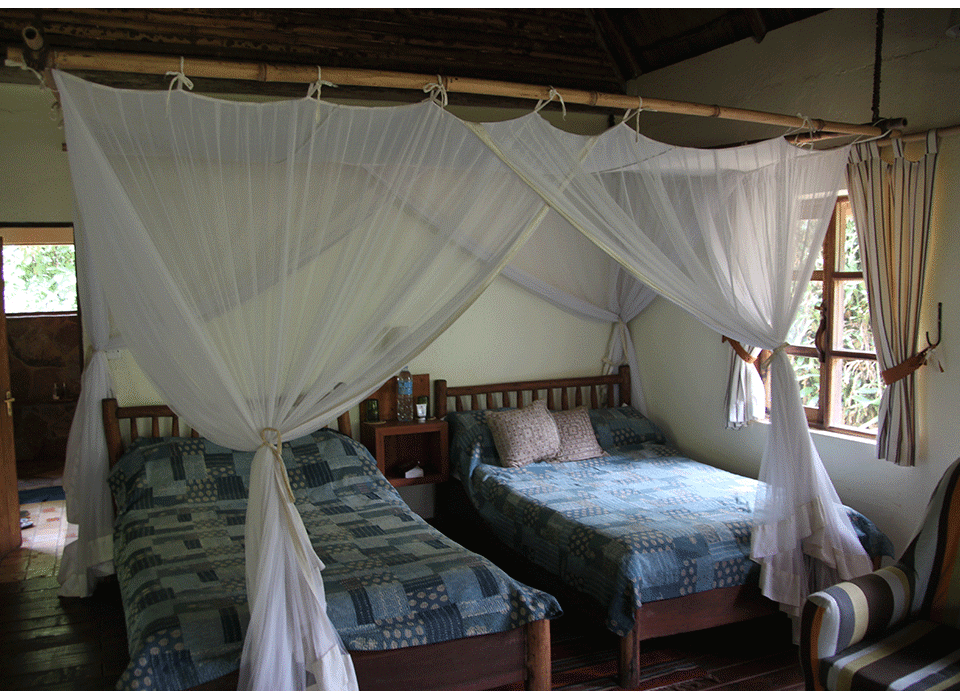
Budget accommodation is available throughout Rwanda but requires research and planning. In Kigali, hostels offer dorm beds for $15–$25 and private rooms for $27–$50, often with Wi-Fi, kitchens, and social spaces. Near Volcanoes National Park in Musanze, guesthouses cost $30–$60 per night with breakfast. Akagera National Park lodges are costly, but nearby towns like Kayonza or Rwamagana provide cheaper alternatives within a manageable drive. In Nyungwe Forest, simple guesthouses serve budget chimp trekkers. Confirm included meals, as dining options in remote areas may be limited. Staying at guesthouses and hostels allows travelers to meet others, share transportation costs, and discover local tips.
Eating Affordably Without Sacrificing Experience
Food represents a controllable expense. Budget travelers can enjoy local cuisine without spending much. Local restaurants and cafeterias serve meals for $10–$15 featuring staples like ugali, isombe, matoke, beans, rice, and grilled meat or fish. Street food, such as samosas, chapati, brochettes, and fresh fruit, costs less and provides authentic flavors. Self-catering is also an option, as markets sell bread, peanut butter, bananas, and snacks, ideal for travel days. Carrying a reusable water bottle and purification tools reduces reliance on bottled water, which can add up over time. Avoid hotel restaurants and tourist-heavy eateries where prices can triple.
Selecting Budget-Friendly Parks and Activities
Strategic park selection maximizes experiences while minimizing costs. Akagera National Park offers classic savannah safaris with $50 entry fees and affordable self-drive options. Game drives and Lake Ihema boat trips can be shared to lower guide costs. Wildlife includes lions, elephants, buffalo, giraffes, zebras, hippos, crocodiles, and antelopes. Volcanoes National Park offers golden monkey tracking, Dian Fossey tomb hikes, and cultural village visits as affordable alternatives to gorilla trekking. Nyungwe Forest National Park features chimpanzee tracking, canopy walks, and scenic hikes that remain budget-friendly. In Kigali, travelers can explore the Kigali Genocide Memorial, markets, city walks, and Iby’iwacu Village cultural experiences.
Joining Group Tours for Cost Efficiency
Group tours reduce per-person costs by sharing vehicles, guides, and permit expenses. Scheduled group departures often cost 30–50% less than private tours while including transportation, guide services, park fees, and sometimes meals and accommodation. Independent travelers can form informal groups at hostels to share costs for 4×4 rentals or guides, maximizing savings without sacrificing quality wildlife viewing or safety.
Booking Strategically and Early
Early booking ensures availability and better rates. Gorilla and chimpanzee permits require advance booking through the Rwanda Development Board. Budget accommodations near parks fill quickly, so booking early prevents resorting to expensive alternatives. Bundling permits, accommodation, transportation, and activities into packages often costs less than booking each separately. Comparing operators, requesting detailed quotes, and confirming inclusions help avoid hidden costs. Recent reviews from budget travelers provide valuable insights into service quality.
Practical Money and Safety Considerations
Visas cost $50 and are obtainable online or on arrival. US dollars are used for permits and park fees, while Rwandan francs cover local expenses. ATMs are available in major towns. Rwanda is among Africa’s safest countries, with low crime rates and orderly cities, though travelers should exercise common precautions, secure valuables, choose reliable moto drivers, and drink purified water. Travel insurance is essential for medical emergencies, evacuation, or trip cancellations, especially when traveling on a tight budget.
Conclusion
Budget Rwanda safaris require creativity, flexibility, and strategic planning but reward travelers with extraordinary experiences. Traveling in the low season, prioritizing expensive activities, using public transport, staying in simple accommodations, eating locally, joining group tours, and booking early allows budget travelers to access Rwanda’s stunning wildlife, powerful history, and welcoming culture. Even if gorilla permits stretch the budget, alternatives like golden monkey tracking, chimpanzee trekking, and Akagera wildlife viewing provide meaningful encounters. Rwanda proves that transformative African adventures remain accessible, demonstrating that immersive, authentic experiences don’t always demand luxury spending.