

5 Fascinating Facts About the Incredible Warthog
March 4, 2026
4 Days Uganda Rwanda Gorilla Safari
March 4, 2026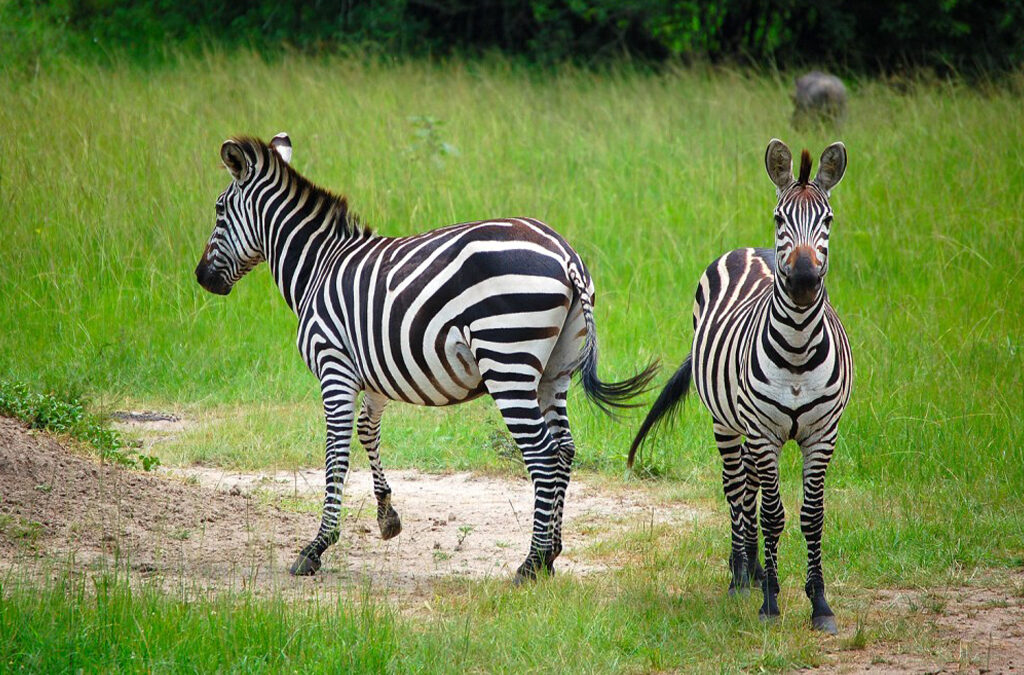
Uganda, the Pearl of Africa, is home to the beautiful Burchell’s (Plains) Zebra. While thousands once roamed freely across the country, today about 3,100 Plains Zebras remain. Fortunately, you can still encounter these striking black-and-white animals in two national parks and two wildlife reserves.
If you’re planning a safari with Experiya Tour Company, here’s where you’ll have the best chance to see zebras in Uganda.
Where Can You See Zebras in Uganda?
Today, zebras live in Lake Mburo National Park in Western Uganda, Kidepo Valley National Park in the northeastern Karamoja region, Katonga Wildlife Reserve in Western Uganda, and Pian Upe Wildlife Reserve in Eastern Uganda.
Because zebras prefer open savannah grasslands with clear visibility, you won’t find them in Uganda’s forest-dominated parks such as Bwindi Impenetrable National Park or Kibale Forest National Park.
Lake Mburo National Park – Uganda’s Top Zebra Destination
Without a doubt, Lake Mburo National Park is the best place in Uganda to see zebras. The majority of the country’s zebra population lives here and in the surrounding areas.
Lake Mburo hosts the largest zebra herds in Uganda, making sightings almost guaranteed during game drives. What makes this park especially unique is the variety of ways you can encounter zebras. Unlike many other parks, Lake Mburo allows guided walking safaris, giving you the rare opportunity to observe zebras on foot. You can also see them during horseback safaris and even mountain biking adventures, creating a truly intimate and memorable wildlife experience.
Interestingly, the Plains Zebras in Lake Mburo were originally introduced from Tanzania many years ago. Since then, they have flourished. Due to their strong population growth, conservationists have relocated some zebras to other reserves, including Katonga Wildlife Reserve.
Conveniently located between Kampala and Queen Elizabeth National Park, and along the route to Bwindi Impenetrable Forest, Lake Mburo is easy to include in almost any Uganda safari itinerary with Experiya Tour Company.
Kidepo Valley National Park – Remote and Wild
For travelers seeking raw, untouched wilderness, Kidepo Valley National Park in northeastern Uganda offers an extraordinary safari experience. Although it is Uganda’s most remote park, it remains one of Africa’s most spectacular and least-crowded destinations.
Approximately 100 zebras remain in Kidepo. These animals are believed to have originated from Kenya and, over time, have developed slight physical differences. Some older individuals appear to lose much of their mane as they age.
Unlike Lake Mburo, zebra populations in Kidepo have declined in recent years. Climate changes, including shifting weather patterns such as El Niño, have affected vegetation growth and reduced suitable grazing areas.
However, visiting Kidepo offers something truly special: vast savannah plains framed by dramatic mountain backdrops, where zebras roam freely with very few tourists in sight. When you explore Kidepo, you may feel as though you have the entire wilderness to yourself.
Katonga Wildlife Reserve – A Growing Zebra Habitat
Located near the Kibale Forest region in Western Uganda, Katonga Wildlife Reserve is another destination where you can find zebras.
The Uganda Wildlife Authority relocated zebras here from Lake Mburo to expand their range and strengthen conservation efforts. Although the first translocated group returned to Lake Mburo, later introductions adapted successfully. Today, zebras thrive in Katonga’s open grasslands and wetlands.
While the reserve currently has limited midrange and luxury accommodation options, its proximity to Kibale Forest makes it easy to combine with chimpanzee trekking. As tourism develops, infrastructure continues to improve. With Experiya Tour Company, Katonga can be included as part of a broader western Uganda safari experience.
Pian Upe Wildlife Reserve – Off the Beaten Path
For adventurous travelers, Pian Upe Wildlife Reserve in Eastern Uganda offers a rewarding and less-visited zebra experience.
The reserve provides ideal savannah habitat for Burchell’s Zebras, with wide open plains and rugged, breathtaking landscapes. Located near Sipi Falls and along the route to Kidepo Valley National Park, Pian Upe is perfect for those exploring Eastern and Northeastern Uganda.
Because Pian Upe lies far from mainstream tourism routes, it offers a more exclusive and peaceful safari atmosphere. Although accommodation options remain limited and relatively basic, the reserve rewards visitors with authentic wilderness encounters. Zebra populations here continue to thrive thanks to suitable grazing conditions.
Fascinating Zebra Facts
Understanding zebras makes the safari experience even more meaningful. One of the most common questions is why zebras have stripes. Although no single answer has been confirmed, scientists suggest that stripes may help confuse predators such as lions and hyenas, deter biting insects, and assist zebras in recognizing one another.
Interestingly, each zebra’s stripe pattern is completely unique, much like a human fingerprint.
Zebra Behavior and Social Life
Zebras are herbivores and spend most of their day grazing on grass. Occasionally, they feed on leaves, bark, twigs, and shrubs. Because they constantly search for fresh pasture and water, they may travel long distances across the savannah.
They live in social groups known as herds. Within these herds, zebras form smaller family units consisting of one dominant male called a stallion, several females known as mares, and their young, referred to as foals. Young males eventually leave their family groups to join bachelor herds until they are strong enough to compete for females.
Despite their calm appearance, zebras can be highly protective and aggressive when threatened. Stallions fight fiercely using powerful kicks and sharp bites. When predators attack, zebras often stand together in a semicircle facing the threat. If one zebra becomes a target, others may circle back to defend it. Their survival strategy truly reflects a “one for all and all for one” spirit.
Why Zebra Numbers Have Changed
Historically, zebras roamed widely across Uganda. Over time, habitat changes, climate shifts, and vegetation loss reduced their numbers in certain regions, particularly in Kidepo Valley.
Today, conservation efforts, improved habitat management, and strategic translocations help stabilize populations. Lake Mburo National Park remains the stronghold for Uganda’s zebras and plays a crucial role in their continued survival.
Final Thoughts: Where Should You Go?
If your goal is reliable and frequent zebra sightings, Lake Mburo National Park is your best choice.
If you crave remote wilderness and dramatic landscapes with fewer tourists, Kidepo Valley National Park offers a unique and unforgettable experience.
If you prefer exploring less-visited conservation areas, Katonga and Pian Upe Wildlife Reserves provide rewarding off-the-beaten-path adventures.
Whichever destination you choose, Experiya Tour Company can craft a personalized safari that brings you face-to-face with these iconic striped animals.
Seeing zebras in Uganda is not just about spotting wildlife. It’s about standing in golden savannah grasslands, watching a herd move gracefully across the plains, and experiencing Africa exactly as it was meant to be wild, beautiful, and unforgettable.
