

4 Days Uganda Double Gorilla Trekking Safari
February 17, 2026
Budget Honeymoon Destinations in Uganda
February 18, 2026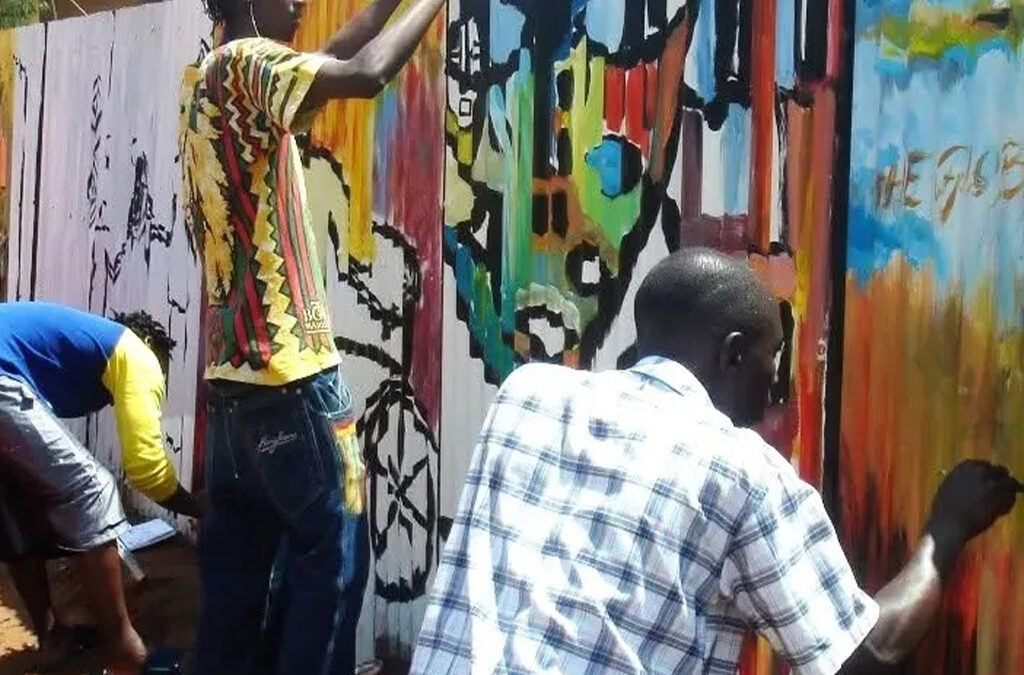
Over the past decade, Kigali has transformed into one of East Africa’s most exciting creative capitals. Once known primarily for its cleanliness and rapid development, the city now pulses with artistic energy. Painters, sculptors, dancers, photographers, and muralists are shaping a bold new identity for Rwanda through their work. As a result, Kigali’s art scene has become an essential part of any cultural tour in Rwanda.
What makes this artistic growth so powerful is not just the talent itself, but the story behind it. Rwanda’s journey of healing and rebuilding has inspired a generation of young creatives to express resilience, hope, and pride through art. Therefore, when you explore Kigali’s galleries, markets, and neighborhoods, you are not just viewing artwork—you are witnessing a living story of transformation.
Below are some of the most inspiring places where Kigali’s creative spirit truly shines.
Inema Arts Center: A Creative Powerhouse
To begin with, any art-focused visit to Kigali should include one of the city’s most dynamic creative spaces. Founded by two visionary brothers in 2012, this center quickly became a catalyst for Rwanda’s contemporary art movement.
Inside, vibrant paintings, striking sculptures, and experimental mixed-media pieces fill the walls. Artists work openly in their studios, which allows visitors to observe the creative process firsthand. Because of this interactive atmosphere, guests feel more connected to the artwork and the artists behind it.
Moreover, the center regularly hosts exhibitions, workshops, dance performances, and community outreach programs. The energy here feels contagious. You don’t simply walk through a gallery—you experience a creative conversation. As a result, many travelers leave feeling inspired and deeply moved.
Niyo Art Gallery: Creativity with Purpose
While many galleries focus solely on artistic display, some spaces in Kigali blend art with social impact. Located in Kacyiru, one well-known gallery was founded with a mission to support vulnerable children through creative education and community programs.
Here, bright canvases tell stories of Rwanda’s past and present. Through bold colors and expressive figures, artists reflect themes of unity, resilience, and cultural pride. In addition, the gallery often organizes traditional drumming and dance performances, giving visitors a deeper understanding of Rwanda’s cultural heritage.
What makes this space especially meaningful, however, is its purpose. When you purchase artwork or attend a performance, you directly contribute to community empowerment initiatives. Therefore, your visit becomes more than cultural exploration—it becomes participation in positive change
Rwanda Art Museum: Where History Meets Expression
For travelers who want to understand the historical development of Rwandan art, the Rwanda Art Museum offers a powerful experience. Located at the former presidential palace near Kigali, the museum provides both artistic insight and historical reflection.
The museum showcases contemporary works by Rwandan artists while also preserving significant historical artifacts. Notably, visitors can view remains of the presidential jet shot down in 1994—an event that marked a pivotal moment in Rwanda’s history.
Although the setting carries weight, the museum balances remembrance with renewal. By presenting modern artistic achievements alongside historical exhibits, it illustrates how Rwanda has moved forward with strength and creativity. Consequently, many city tours include this stop to help visitors connect art with the broader national narrative.
Ivuka Arts: Nurturing Emerging Talent
Equally important to Kigali’s art growth are spaces that support young, self-taught artists. Since 2007, one pioneering art initiative has provided mentorship, studio space, and exhibition opportunities to emerging creatives.
The environment feels intimate and welcoming. Artists often greet visitors personally and explain the meaning behind their work. This direct interaction creates a deeper appreciation for each piece. Additionally, many travelers commission custom artwork, turning their visit into a lasting memory.
The art here often blends traditional Rwandan themes—such as rural life and cultural symbols—with contemporary techniques. As a result, the pieces feel both rooted in heritage and confidently modern.
Kimironko Market: Everyday Artistry
Not all art in Kigali hangs on gallery walls. In fact, some of the most authentic expressions of creativity appear in everyday spaces. Kimironko Market, one of the city’s busiest local markets, showcases Rwanda’s artistic craftsmanship in its purest form.
As you walk through the vibrant stalls, you will find handwoven baskets, colorful fabrics, beadwork, and traditional cow dung art reimagined into modern designs. Each item reflects skill passed down through generations.
Furthermore, purchasing directly from artisans supports local families and small businesses. Unlike gallery visits, this experience feels lively and immersive. The sounds of bargaining, laughter, and conversation surround you. In this way, Kimironko Market offers a different but equally meaningful artistic encounter.
Yego Arts: A Contemporary Voice
Kigali’s creative evolution continues to expand, especially among younger visual artists exploring modern African identity. One innovative art space in Kiyovu provides a platform for painters and installation artists to push boundaries and experiment with bold ideas.
Here, exhibitions often challenge conventional perspectives. Artists explore themes such as urban life, identity, globalization, and cultural transformation. Additionally, regular events bring together local and international creatives for dialogue and collaboration.
Because of this openness, visitors gain insight into how Rwanda’s younger generation sees itself in today’s world. The conversations sparked within these gallery walls often stay with travelers long after their visit.
Street Art in Nyamirambo: An Open-Air Gallery
Beyond formal galleries, Kigali’s creativity spills onto the streets—especially in Nyamirambo, the city’s oldest neighborhood. Known for its lively atmosphere and rich cultural diversity, Nyamirambo doubles as an outdoor gallery.
Colorful murals stretch across building walls, portraying women’s empowerment, unity, resilience, and daily life. These artworks feel accessible and deeply personal. Unlike traditional gallery settings, street art invites spontaneous discovery.
Today, many local guides offer walking tours through Nyamirambo’s winding streets. As you explore, you encounter not only murals but also vibrant shops, cafés, and community centers. Consequently, the neighborhood offers a full cultural immersion rather than a simple art viewing.
Why Kigali’s Art Scene Matters
Kigali’s art scene represents more than aesthetic expression—it reflects national healing, youthful ambition, and creative freedom. After enduring unimaginable tragedy, Rwanda has emerged as a nation driven by hope and innovation. Artists play a vital role in that transformation.
When travelers engage with Kigali’s art community, they gain insight into contemporary Rwandan life. They see how creativity bridges past and future. They also contribute directly to artists’ livelihoods by purchasing work, attending exhibitions, and spreading awareness.
Therefore, art becomes a meaningful gateway to understanding Rwanda beyond wildlife safaris and scenic landscapes.
A City of Creative Discovery
Ultimately, Kigali offers art lovers a rare opportunity to explore African creativity in diverse forms. From structured museum exhibits to intimate studios, from bustling markets to vibrant street murals, the city presents art as both personal expression and community dialogue.
Whether you consider yourself an art enthusiast or a curious traveler, exploring Kigali’s creative spaces will enrich your entire Rwanda journey. The city invites you to look closer, ask questions, and connect with the people behind the paint and canvas.
In Kigali, art does not simply decorate walls—it tells stories, builds futures, and welcomes the world to witness Rwanda’s remarkable transformation.
