Cheetahs in Kidepo Valley National Park
August 18, 2026
Exceptional African Wildlife Safari and Holiday Adventure
August 19, 2026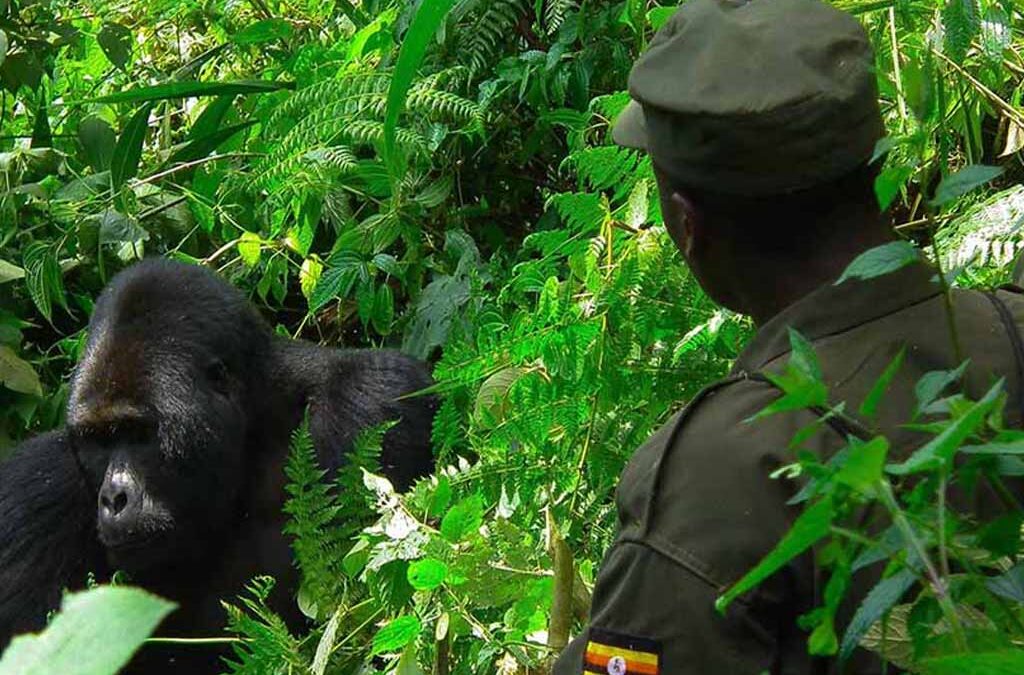
Gorilla trekking offers far more than an unforgettable encounter with mountain gorillas. When managed responsibly, it provides a practical way for tourism to support wildlife protection, scientific research, local communities, and the long-term survival of one of the world’s most endangered great apes.
Every part of the trekking experience, from the limited number of visitors to the time spent with a gorilla family, has a purpose. These measures help reduce disturbance and disease risks while allowing carefully controlled tourism to generate funds for conservation.
For travelers planning a trek in Rwanda’s Volcanoes National Park or Uganda’s Bwindi Impenetrable National Park, understanding how this system works can make the experience even more meaningful. With guidance from Experiya Tour Company, visitors can approach gorilla trekking not simply as a holiday activity, but as an opportunity to participate responsibly in a remarkable conservation story.
Why Gorilla Trekking Is Considered Sustainable Tourism
Mountain gorilla conservation demonstrates how carefully managed tourism can contribute to wildlife protection. In the 1980s, the total mountain gorilla population had fallen to fewer than 250 individuals. Today, more than 1,000 mountain gorillas are estimated to survive in the Virunga Massif and Bwindi landscape.
This recovery resulted from many years of conservation work. Stronger protection, scientific research, veterinary intervention, community involvement, and international support have all played important roles. At the same time, regulated gorilla tourism has created a significant source of revenue for conservation and communities surrounding protected areas.
The connection is straightforward. Visitors purchase permits to see habituated gorilla families, and tourism generates income that helps support protected-area management and related conservation activities. Communities can also benefit through employment, tourism businesses, revenue-sharing programs, guiding, porter services, accommodation, transport, and other visitor-related activities.
Therefore, the value of gorilla trekking goes beyond the hour spent in the forest. The money generated through tourism helps maintain a broader conservation system.
Habituation: Preparing Gorillas for Human Visitors
Before tourists can visit a gorilla family, conservation teams carefully habituate the group to human presence. Habituation involves gradually introducing gorillas to researchers, trackers, and eventually regulated visitors so that the animals become accustomed to people without losing their natural behavior.
This process requires patience. It can take years, depending on the group and the objectives of the conservation authorities.
Importantly, not every gorilla family becomes available for tourism. Some groups remain unhabituated or are primarily monitored for research and conservation purposes. Maintaining these groups provides researchers with valuable information about gorilla behavior without exposing every population to regular tourist contact.
This balance is essential. Sustainable tourism does not mean opening every gorilla family to visitors. Instead, it means allowing carefully managed access while protecting populations and habitats that need greater privacy.
Why Gorilla Trekking Has Strict Rules
The rules visitors follow during a gorilla trek are central to the sustainability of the experience. Rangers enforce them because mountain gorillas remain vulnerable to human disturbance and disease.
Visitors generally trek in small groups, maintain the required distance from gorillas, limit their viewing time, avoid flash photography, and follow the instructions of their guides and rangers.
These measures help minimize stress and reduce opportunities for disease transmission. They also prevent tourists from changing natural gorilla behavior through excessive interaction.
When you understand the reasons behind the rules, they no longer feel like restrictions. Instead, they become part of responsible wildlife viewing.
The Eight-Person Group Limit
Gorilla trekking groups are generally limited to a maximum of eight visitors per gorilla family per day in both Rwanda and Uganda.
Keeping groups small reduces noise, movement, and the overall human presence around the animals. It also helps guides maintain control of the encounter and gives visitors a better opportunity to observe the gorillas without creating unnecessary disturbance.
The limit also supports the high-value, low-volume approach that defines gorilla tourism. Rather than allowing large crowds to enter the forest, authorities restrict access and place greater value on a controlled experience.
This approach helps protect the gorillas while allowing tourism to contribute meaningful conservation revenue.
Why Visitors Must Keep Their Distance
Maintaining a safe distance from gorillas is one of the most important health precautions during trekking. Mountain gorillas are susceptible to several human respiratory illnesses, and infections can have serious consequences for wild populations.
A minimum distance of around seven metres is commonly required, although circumstances in the forest can make this difficult. Gorillas may sometimes approach visitors themselves. When that happens, trekkers should remain calm and follow the ranger’s instructions rather than attempting to touch or move closer to the animal.
The rule protects both the gorillas and the quality of the encounter. Visitors are guests in the animals’ environment, so the responsibility for maintaining appropriate behavior rests with the people.
Health Rules Protect Gorilla Families
Health precautions are another important part of sustainable gorilla tourism. Visitors who are unwell, particularly with symptoms of contagious respiratory illness, should inform their tour operator or park authorities before trekking.
Although missing a trek can be disappointing, protecting a gorilla population is more important than completing a scheduled wildlife encounter.
Visitors should also avoid eating, drinking, or smoking near gorillas. They should never leave food or rubbish in the forest. When necessary, they must follow ranger instructions regarding sanitation and waste disposal.
These simple actions reduce the possibility of introducing harmful pathogens or changing gorilla behavior.
Rwanda and Uganda: Different Approaches to Permit Pricing
Rwanda and Uganda have developed different pricing strategies while pursuing similar conservation objectives.
For foreign non-residents, Rwanda’s standard gorilla trekking permit is currently priced at US$1,500, while Uganda’s standard permit is US$800. Prices can vary for other visitor categories and may change according to government policy.
Rwanda uses a premium pricing strategy that generates substantial revenue from a relatively limited number of visitors. Uganda, meanwhile, offers a lower permit price and has several trekking sectors within Bwindi, helping make gorilla trekking more accessible to a wider range of travelers.
Neither model should automatically be considered more sustainable. Both countries use regulated tourism to generate funds for conservation while controlling visitor access.
For travelers comparing destinations, the choice often comes down to budget, travel plans, accommodation, accessibility, and the type of overall safari experience they want.
Where Gorilla Permit Money Goes
A gorilla permit does more than provide access to the forest. Tourism revenue contributes to the wider conservation infrastructure required to protect gorillas and their habitat.
Protected-area management depends on trained staff, monitoring, patrols, research, veterinary support, equipment, and community engagement. Tourism also creates employment for guides, trackers, rangers, porters, drivers, lodge workers, and other local service providers.
Community benefit is particularly important because conservation works best when people living near protected areas have legitimate economic reasons to support wildlife protection.
When communities gain income from tourism, gorillas can become an important part of the local economy rather than being viewed only in terms of restrictions on land and natural resources.
Hiring a Porter Makes a Difference
One of the simplest ways travelers can make their trek more sustainable is by hiring a local porter.
Porters carry backpacks, assist trekkers on steep or slippery trails, and can provide valuable support during challenging sections of the forest. More importantly, the money paid for their services goes directly to people and households in communities around the park.
Even travelers who are physically fit can benefit from hiring a porter. It reduces the weight they carry and allows them to concentrate on the trek and follow ranger instructions carefully.
Treating porters fairly and respectfully is just as important as hiring them.
Responsible Behavior During the Trek
Sustainable trekking begins with following the official rules, but responsible visitors can go further.
Move calmly through the forest and keep conversations quiet when approaching a gorilla family. Never use flash photography, attempt to touch the animals, feed them, or deliberately attract their attention.
Most importantly, listen to your ranger. The guide and trackers understand the behavior of the particular gorilla family you are visiting and can respond when circumstances change.
The best photograph is never more important than the welfare of the animal.
Visitors should also avoid leaving plastic, tissues, food packaging, or other waste along the trail. A simple principle applies: whatever you carry into the forest should leave with you unless park authorities provide another approved disposal method.
Choosing a Responsible Tour Operator
Your choice of tour operator can also influence the quality and sustainability of your trip. A responsible company should prepare travelers properly before the trek, explain the rules clearly, work with licensed local professionals, and respect the instructions of park authorities.
Experiya Tour Company can help travelers plan gorilla trekking experiences in Uganda and the wider East African region while emphasizing responsible travel practices.
A good operator should also provide realistic itineraries. Gorilla trekking can be physically demanding, so allowing sufficient time for rest and preparation can make the experience safer and more enjoyable.
Supporting Communities Beyond the Permit
The economic impact of gorilla tourism extends beyond park fees. Travelers can support local communities by staying in locally owned accommodation, purchasing appropriate local crafts, eating at community businesses, hiring local guides and porters, and choosing experiences that directly benefit residents.
These decisions may seem small, but collectively they help distribute tourism income more widely.
When tourism creates reliable livelihoods, it strengthens the relationship between conservation and community development.
Climate Change and the Future of Gorilla Conservation
Despite the progress achieved, gorilla conservation is not finished. Mountain gorillas occupy a relatively small geographic range, making them vulnerable to habitat pressure, disease, human population growth, and environmental changes.
Climate change adds another layer of uncertainty. Changes in rainfall, temperature, vegetation, and surrounding land use could affect the ecosystems on which gorillas depend.
Consequently, tourism revenue alone cannot solve every conservation challenge. Continued scientific research, habitat protection, community partnerships, strong park management, and regional cooperation remain essential.
Rwanda, Uganda, and Regional Conservation
The mountain gorilla population in the Virunga Massif moves within a landscape shared by Rwanda, Uganda, and the Democratic Republic of Congo. Although national borders divide the protected areas, the ecosystem remains connected.
This makes cooperation between conservation authorities particularly important. Protecting gorillas requires more than managing individual parks; it requires attention to the wider habitat and the movement of wildlife across the region.
Travelers who visit both Rwanda and Uganda can therefore experience different trekking environments while contributing tourism revenue to conservation programs in both countries.
What Responsible Travelers Can Do
Every trekker has a role to play. Follow the distance and time requirements, listen to your ranger, avoid trekking when you are sick, never feed or touch gorillas, and leave no waste behind.
Hiring a porter is another practical way to support the local economy. Choosing locally owned services, respecting community members, and learning about conservation challenges can further strengthen the positive impact of your visit.
Above all, approach gorilla trekking with humility. You are entering a protected habitat to observe wild animals that have no obligation to entertain you.
Final Thoughts: A Trek Can Support Conservation
Gorilla trekking demonstrates how tourism can contribute to conservation when access is carefully controlled, and local communities have a meaningful role in the tourism economy.
The limited group size, viewing distance, health precautions, controlled trekking time, and carefully managed habituation process all help protect gorilla welfare. At the same time, permit revenue and visitor spending support conservation work and create economic opportunities around protected areas.
For travelers booking a gorilla adventure with Experiya Tour Company, the experience should therefore be more than a photograph or a bucket-list achievement. It should be an opportunity to understand the remarkable relationship between tourism, people, and wildlife.
When you follow the rules, respect the rangers and porters, support local businesses, and travel responsibly, your visit becomes part of a much larger effort to protect mountain gorillas for future generations.
That is what makes sustainable gorilla trekking so powerful: one carefully managed encounter can help ensure that these extraordinary animals continue to thrive in the forests they call home.