
How Many Days Do You Need for a Safari in Uganda
February 10, 2026
Hiking Mount Sabinyo: A Volcanic Adventure
February 10, 2026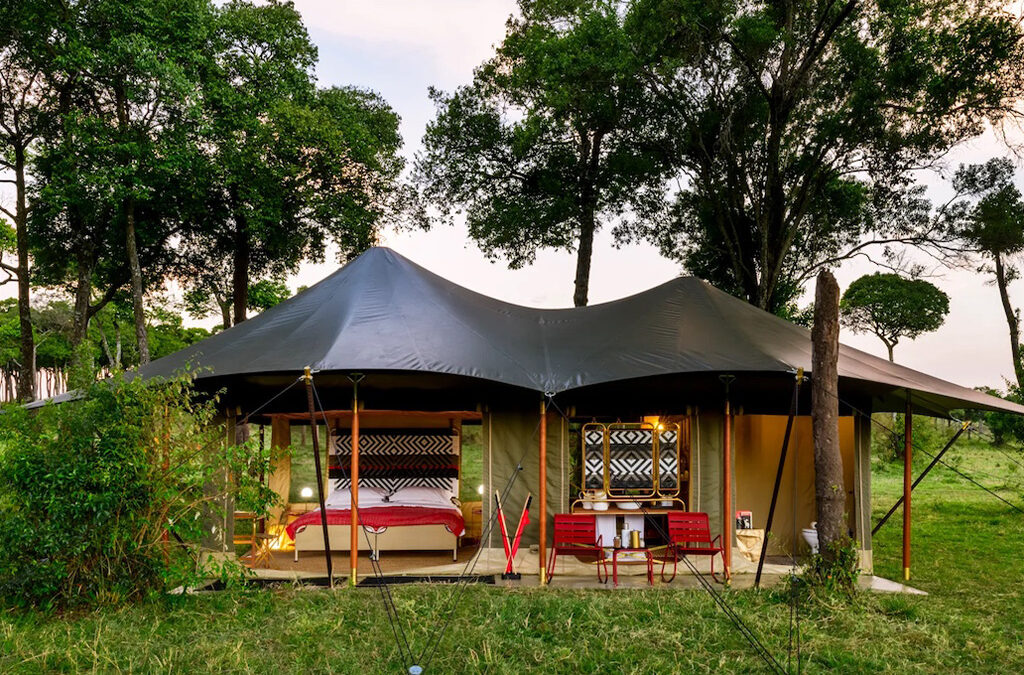
Choosing where to stay on safari is about far more than comfort alone. Your accommodation directly shapes how you experience wildlife—how close you feel to nature, how your days unfold, and how deeply immersed you become in the landscape. Safari camping and lodge stays each open the door to different kinds of wildlife access, and neither is inherently better than the other.
Instead, both options offer unique advantages that suit different travel styles, seasons, and expectations. Whether you fall asleep to the sounds of the bush under canvas or watch elephants gather at a waterhole from a shaded deck, understanding these differences helps you design a safari that truly matches your interests.
At Experiya Tour Company, we often recommend a thoughtful balance of both experiences to create safaris that feel rich, varied, and unforgettable.
Safari Camping: A Deeper Connection to the Wild
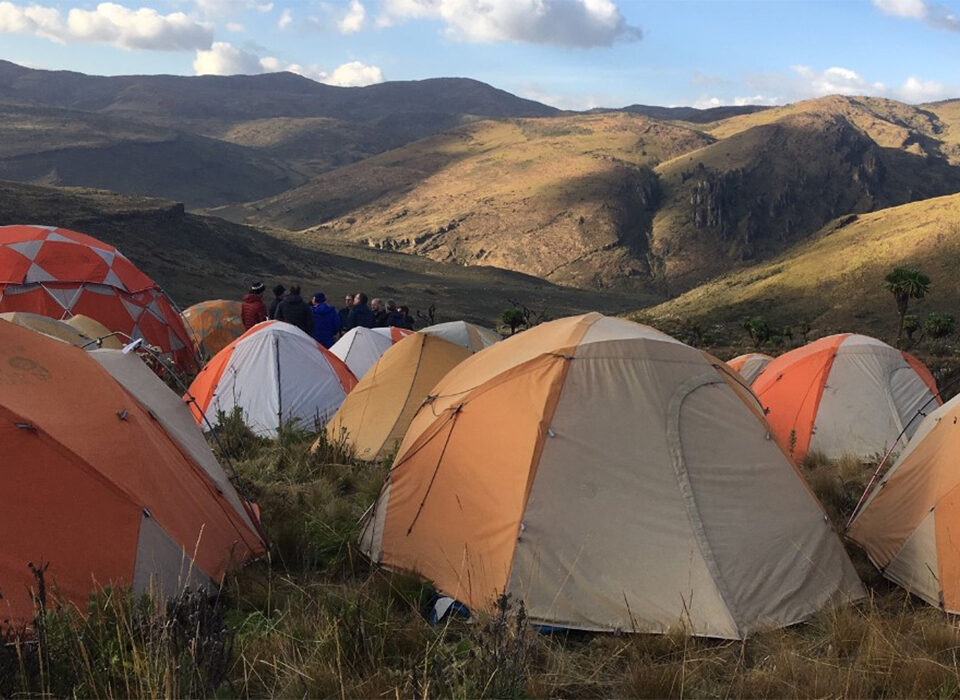
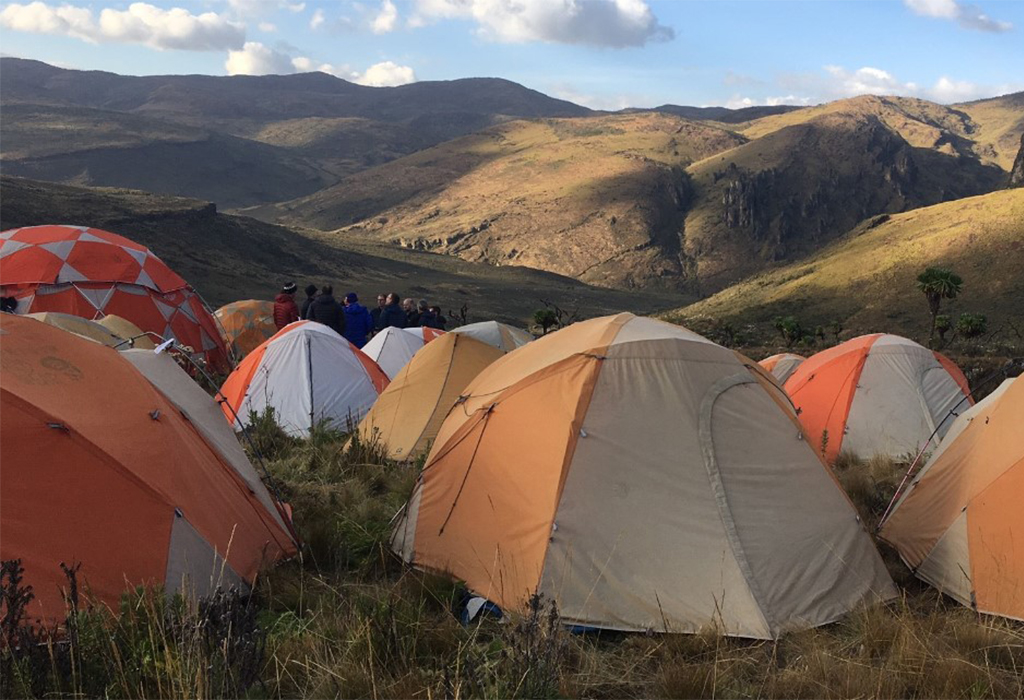
Safari camping delivers one of the most immersive wildlife experiences available. From mobile camps that follow animal movements to semi-permanent tented camps set in remote regions, camping places you right in the heart of nature.
Without solid walls separating you from the bush, the wilderness becomes part of everyday life. At night, you may hear hyenas calling, lions roaring in the distance, or elephants quietly moving through nearby vegetation. These sounds create an emotional connection that goes beyond sightseeing—it feels as though you are living within the ecosystem rather than simply observing it.
Moreover, camping encourages a slower, more mindful rhythm. You wake with the light, move with wildlife patterns, and fall asleep under expansive African skies. This raw proximity fosters a powerful sense of presence that many travelers describe as transformative.
Wildlife Encounters That Camping Makes Possible
One of the greatest strengths of safari camping lies in its flexibility. Camps are often positioned along wildlife corridors, migration routes, or near seasonal water sources where animals move freely.
Because camps can operate in areas with little or no permanent infrastructure, they grant access to regions that vehicles from lodges may not reach as easily. As a result, guests often enjoy quieter sightings with fewer safari vehicles nearby.
Additionally, activities start and end within wildlife habitats. Early morning departures allow you to catch predators at their most active, while evening returns offer chances to observe animals as they transition into nighttime behavior. There is no long commute back to a lodge—every moment feels productive.
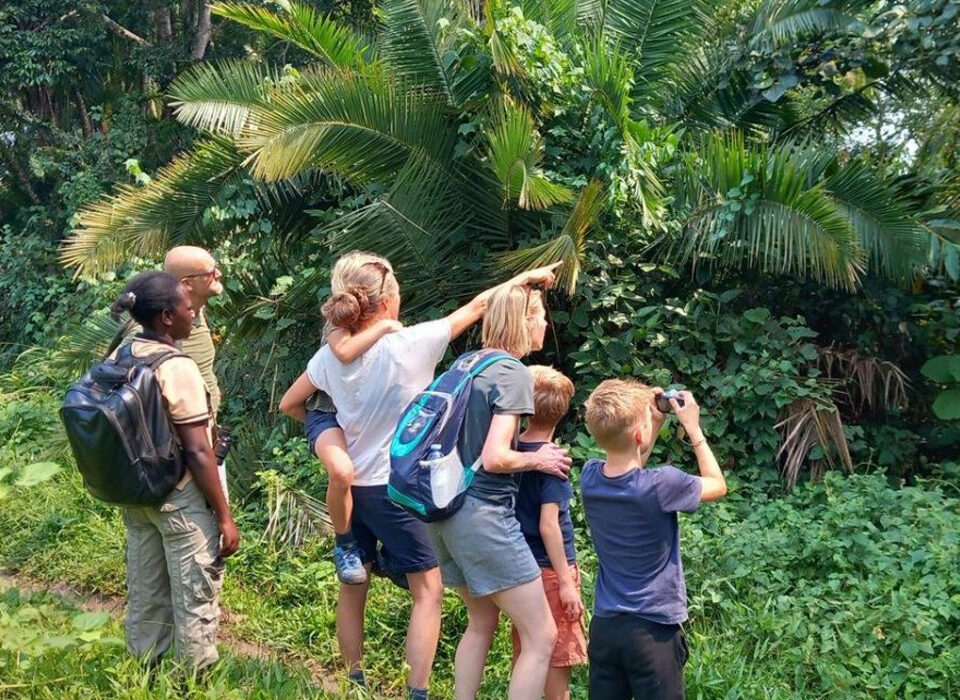
Walking safaris also feature more prominently in camping experiences. On foot, you slow down and engage with the environment on a deeper level, learning to read tracks, understand plant life, and appreciate the smaller details that game drives often overlook.
Lodge Stays: Strategic and Comfortable Wildlife Viewing
In contrast, safari lodges offer a refined approach to wildlife access. Many lodges are strategically built near permanent water sources, open plains, or river crossings—areas that naturally attract animals throughout the day.
From elevated decks, private verandas, and viewing platforms, guests can observe wildlife without leaving the lodge. Elephants, antelope, buffalo, and even predators often appear at waterholes within view, allowing for relaxed and uninterrupted observation.
This form of passive wildlife viewing reveals natural behavior over time. You are not chasing sightings; instead, you watch life unfold at its own pace. For many travelers, this creates a deeper understanding of animal interactions and routines.
Efficient Game Drives and Expert Guiding
Beyond the lodge itself, well-planned road networks and experienced guides enhance wildlife encounters. Game drives operate with efficiency and purpose, focusing on high-probability areas while adapting to daily conditions.
Guides communicate with one another, track animal movements, and interpret signs that lead to meaningful sightings. This structure works especially well for travelers with limited time who still want rewarding wildlife experiences.
At Experiya Tour Company, we work closely with lodge-based guides to ensure game drives are balanced, ethical, and focused on quality rather than quantity.
Comfort, Recovery, and Long-Term Engagement
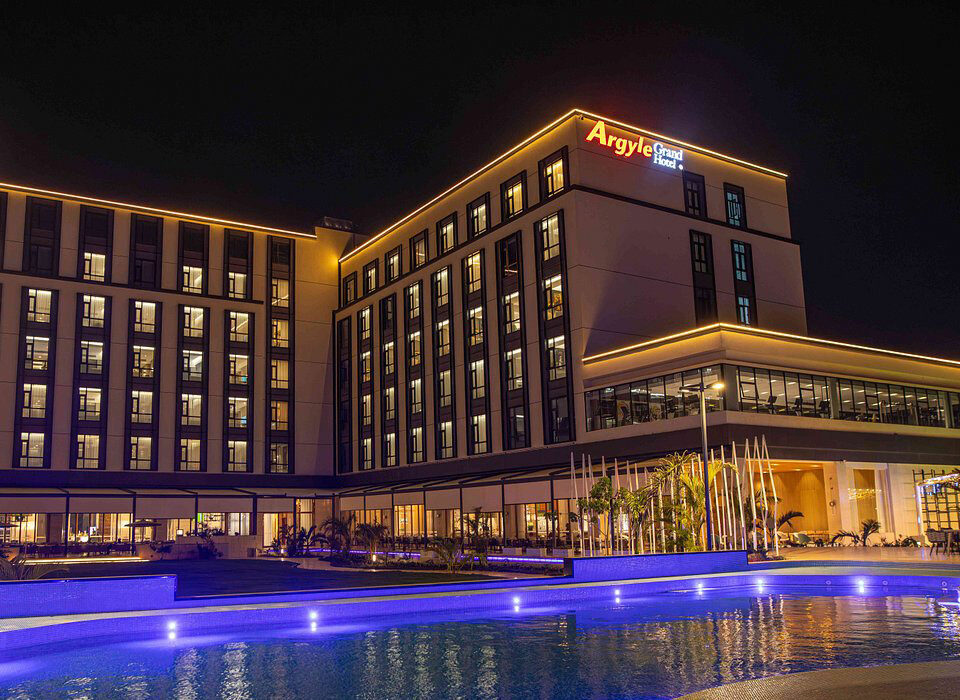
Comfort plays a crucial role in how guests experience wildlife, particularly on longer safaris. Lodge stays offer comfortable beds, en-suite bathrooms, thoughtful dining, and quiet spaces to rest between activities.
As a result, guests recover more easily and remain energized throughout their stay. Well-rested travelers tend to stay more alert during game drives, notice subtle animal behavior, and engage more deeply with their guides.
In addition, lodges create social environments where guests can share stories, review photographs, and discuss sightings. These conversations, often guided by expert insight, enrich the overall safari experience and deepen appreciation for wildlife.
Photography: Camps vs Lodges
Both safari camps and lodges offer excellent opportunities for wildlife photography, though each supports different styles.
Camping favors spontaneity and proximity. Being close to wildlife corridors allows photographers to react quickly to changing light and movement, capturing raw, atmospheric moments that feel intimate and unscripted.
Lodges, on the other hand, provide stable platforms and predictable wildlife activity. Photographers can plan compositions around waterholes, riverbanks, and known animal paths, often achieving cleaner framing and consistent lighting.
Ultimately, the choice depends on personal preference. Those drawn to storytelling and mood may prefer camps, while photographers focused on composition and behavior may gravitate toward lodge settings.
How Seasons Influence Accommodation Choice
Seasonality strongly affects how wildlife moves—and how accommodation types perform.
During the dry season, animals concentrate around permanent water sources, making lodge locations particularly productive. Wildlife sightings often become more frequent and easier to predict.
Conversely, in the wet season, animals disperse across the landscape. Mobile camps that follow migration patterns or seasonal grazing areas provide better access to active wildlife zones. Camps can relocate as conditions change, maintaining proximity to animals when lodges may experience quieter periods.
Understanding these seasonal dynamics allows travelers to combine camps and lodges strategically for optimal wildlife encounters throughout the year.
Safety and Professional Management
Both safari camping and lodge stays operate under strict safety protocols. Trained guides and staff monitor animal movement, manage guest activities, and ensure that wildlife remains undisturbed.
In camps, guests are escorted after dark, and camp layouts allow animals to move freely without creating risk. Lodges apply similar principles, often supported by additional infrastructure that enhances safety while preserving natural behavior.
These measures do not detract from the experience. Instead, they allow guests to relax fully and engage with the environment with confidence.
Conservation and Community Impact
Safari camps and lodges contribute to conservation in different but equally important ways.
Mobile camps typically leave little to no permanent footprint. Their low-impact approach supports conservation through minimal disturbance and seasonal use of sensitive areas.
Lodges, meanwhile, invest long-term in protected landscapes. They create employment, support community projects, and contribute consistent funding to conservation initiatives.
By choosing responsibly managed accommodation—such as those partnered with Experiya Tour Company—travelers actively support wildlife protection and local communities.
The Power of Combining Camps and Lodges
Many of the most rewarding safaris blend camping and lodge stays. This combination offers the immediacy and intimacy of camping alongside the comfort and strategic wildlife viewing of lodges.
Camping brings spontaneity and immersion, while lodges offer reflection, rest, and extended observation. Together, they create a layered safari experience that captures both the raw and refined sides of the wilderness.Final Thoughts: Designing the Right Safari Experience
Safari camping and lodge stays each unlock unique forms of wildlife access. Camping draws you into the rhythm of nature, offering closeness, authenticity, and adventure. Lodges provide comfort, perspective, and consistent wildlife viewing that reveals behavior over time.
Rather than choosing one over the other, understanding the strengths of both allows travelers to design safaris that reflect their interests, travel style, and values. Whether you sleep beneath canvas or a thatched roof, the true reward lies in meaningful wildlife encounters made possible through thoughtful accommodation choices.