

Top Budget Lodges in Uganda for Affordable Safari Travel
December 18, 2025
What Makes Uganda a Different Destination
December 18, 2025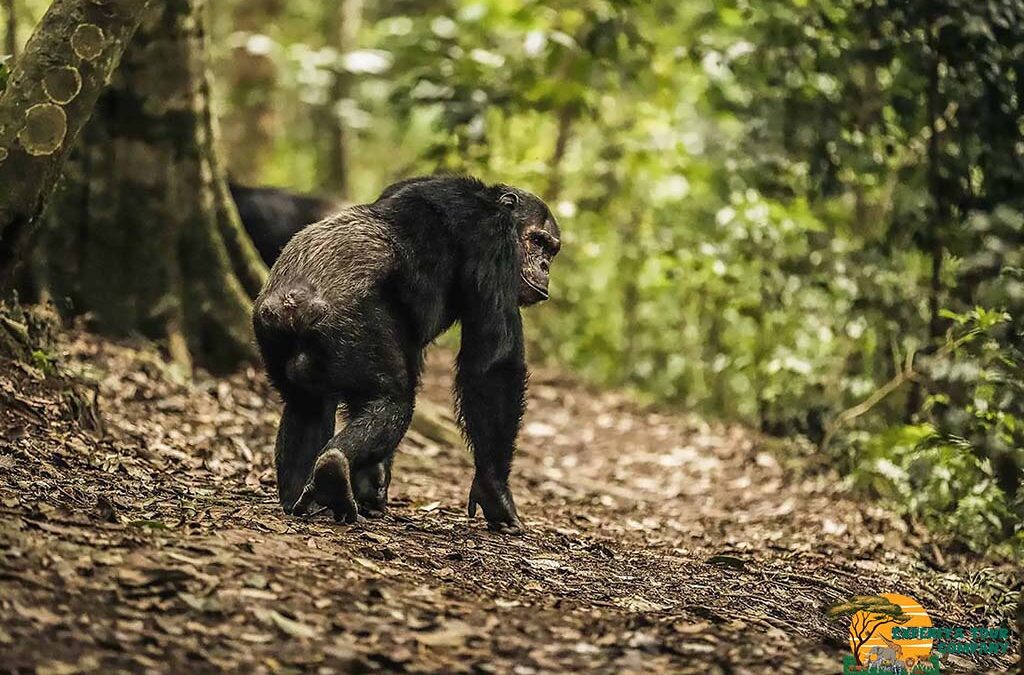
Rwanda, often called the “Land of a Thousand Hills,” is celebrated worldwide for its extraordinary biodiversity. While the country is best known for its iconic mountain gorillas, it also protects a remarkable variety of other primate species. From endangered golden monkeys to playful vervet monkeys and elusive nocturnal primates, Rwanda offers one of Africa’s richest primate experiences.
Understanding which primates live in Rwanda and where to find them helps travelers plan meaningful wildlife encounters. This comprehensive guide explores Rwanda’s primate species, their natural habitats, and what makes each experience unique.
What Makes Rwanda a Unique Primate Destination?
Rwanda’s strength as a primate destination lies in its diverse landscapes. Lush rainforests, volcanic mountain slopes, and river-fed valleys create ideal ecosystems for different species. As a result, primates thrive across three main national parks:
- Volcanoes National Park
- Nyungwe Forest National Park
- Gishwati–Mukura National Park
Each park supports distinct primate communities. Together, they make Rwanda one of Africa’s most rewarding countries for primate-focused safaris.
Primate Species You Can See in Rwanda
Below is a closer look at Rwanda’s key primates and the best places to encounter them in the wild.
Mountain Gorillas (Gorilla beringei beringei)
Habitat: Volcanoes National Park
Conservation Status: Critically Endangered (population slowly recovering)
Best Time to Visit: June–September and December–February
Mountain gorillas are Rwanda’s flagship species and among the most powerful wildlife encounters on earth. They live high on the misty slopes of the Virunga Volcanoes, where dense vegetation provides food and shelter.
Guided gorilla trekking takes you through forested terrain for anywhere between two and six hours, depending on the gorilla family’s location. Once found, visitors spend a precious hour observing their interactions watching mothers nurture infants, juveniles play, and the dominant silverback oversee the group.
Few wildlife experiences feel as emotional and humbling as sitting quietly with mountain gorillas in their natural home.
Golden Monkeys (Cercopithecus kandti)
Habitat: Volcanoes National Park
Conservation Status: Endangered
Group Size: 80–100 individuals
Behavior: Energetic, playful, and fast-moving
Golden monkeys inhabit the bamboo forests at the base of the Virunga Volcanoes. Smaller and more agile than gorillas, they stand out with their golden-orange fur and expressive faces.
Unlike gorilla trekking, golden monkey tracking is usually shorter and less physically demanding. Because of this, it suits families, older travelers, and anyone looking for an active but lighter primate experience. Their constant movement and social behavior also make them a favorite for photographers.
Chimpanzees (Pan troglodytes schweinfurthii)
Habitat: Nyungwe Forest National Park and Gishwati–Mukura National Park
Estimated Population: ~500 in Nyungwe; smaller numbers in Gishwati–Mukura
Best Viewing Time: Early morning during dry seasons
Chimpanzees, our closest living relatives, fascinate visitors with their intelligence, communication, and social bonds. Nyungwe Forest is Rwanda’s premier destination for chimpanzee trekking.
Treks begin early, as guides follow vocal calls, fresh nests, and feeding signs. Although sightings can be unpredictable due to their mobility, watching chimpanzees groom, vocalize, or move through the canopy is deeply rewarding. The hilly terrain adds challenge but also adventure to the experience.
L’Hoest’s Monkeys (Allochrocebus lhoesti)
Habitat: Nyungwe Forest National Park
Behavior: Shy, ground-dwelling, and seen in small groups
L’Hoest’s monkeys are endemic to the Albertine Rift and easily recognized by their dark coats and white beards. They prefer forest floors and dense undergrowth, which makes them more reserved than other species.
While encounters are often brief, Nyungwe offers the best chance to see them, especially along quieter forest trails.
Black-and-White Colobus Monkeys (Colobus guereza)
Habitat: Nyungwe Forest National Park
Group Size: Up to 300 individuals
Key Features: Striking black-and-white fur and long tails
Nyungwe hosts some of the largest colobus monkey troops in Africa. These leaf-eating primates move gracefully through the treetops and live in large, cohesive groups.
One of the best ways to observe them is from the Nyungwe Canopy Walkway, which offers a rare, elevated view of monkeys moving across the forest canopy.
Vervet Monkeys (Chlorocebus pygerythrus)
Habitat: Woodlands, forest edges, and areas near human settlements
Behavior: Highly social, curious, and adaptable
Vervet monkeys are among Rwanda’s most commonly seen primates. Their adaptability allows them to thrive in a wide range of environments, including near lodges and park boundaries.
Although entertaining to watch, visitors should never feed vervets. Feeding disrupts their natural behavior and can lead to aggression.
Olive Baboons (Papio anubis)
Habitat: Akagera National Park and forest edges nationwide
Group Size: Large troops with complex social hierarchies
Olive baboons are highly visible due to their wide distribution and daytime activity. Though they are not forest specialists, they play an important ecological role.
Watching a baboon troop interact reveals a fascinating social structure filled with communication, cooperation, and occasional conflict.
Nocturnal Primates of Rwanda
Rwanda also shelters lesser-known nocturnal primates, including:
- Bush babies (Galagos)
- Pottos (Perodicticus potto)
These secretive animals hide during the day and emerge at night. With patience and sometimes guided night walks in Nyungwe or Gishwati–Mukura you may catch a glimpse of them leaping through the darkness.
Responsible Primate Tourism in Rwanda
Rwanda strongly prioritizes conservation and responsible tourism. Primate encounters follow strict guidelines designed to protect both animals and visitors:
- Keep a safe distance at all times
- Avoid direct eye contact, especially with gorillas
- Do not trek if you are sick
- Follow ranger and guide instructions carefully
Tourism revenue directly supports conservation programs and local communities, ensuring primates remain protected for future generations.
Final Thoughts
Rwanda offers one of Africa’s most complete primate experiences. From face-to-face encounters with mountain gorillas in the Virunga Mountains to the echoing calls of chimpanzees in Nyungwe Forest, every park delivers something unique.
Whether you are a wildlife photographer, a nature enthusiast, or a first-time safari traveler, Rwanda provides rare access to some of the world’s most fascinating primates within beautifully preserved habitats that reflect the country’s deep commitment to conservation.
A journey through Rwanda’s primate parks is more than a safari. It is an intimate connection with nature, culture, and one of the planet’s most inspiring wildlife stories.
