

Rwanda vs Uganda Gorilla Trekking Price
January 6, 2026
Birdwatching Experiences in Uganda & Rwanda
January 6, 2026
Gorilla trekking is one of the most memorable wildlife experiences in the world, offering travelers the chance to witness mountain gorillas in their natural habitat. However, this incredible adventure would not be possible without the expertise and dedication of tour guides. These guides do far more than lead hikes they serve as educators, safety officers, conservation advocates, and cultural ambassadors. Their multifaceted roles ensure that each trek is safe, engaging, and meaningful. Below, we explore the essential roles of tour guides during gorilla trekking.
1. Leading and Managing the Trek
Tour guides take charge of navigating dense forests, rugged trails, and often challenging terrain, ensuring a smooth and enjoyable trekking experience.
- Route Navigation: With deep knowledge of the forest trails, guides lead trekkers efficiently to gorilla families, avoiding unnecessary detours or unsafe paths.
- Group Coordination: They keep the group together and maintain discipline on the trails, preventing anyone from wandering off, which could be dangerous for both trekkers and wildlife.
- Time Management: Since gorilla viewing is strictly regulated (typically limited to one hour per group), guides manage time effectively to respect conservation rules while maximizing the visitor experience.
2. Ensuring Safety
Gorilla trekking takes place in remote, sometimes challenging environments. Safety is a top priority, and guides are trained to handle various risks.
- Risk Assessment: Guides continuously assess the environment, identifying hazards such as slippery trails, steep inclines, or encounters with other wildlife.
- Emergency Preparedness: They are ready to handle emergencies, including injuries, dehydration, or altitude-related issues.
- Distance Maintenance: To protect both gorillas and humans, guides enforce a safe distance of approximately 7 meters (21 feet), reducing stress to the animals and minimizing disease transmission risks.
3. Educating Trekkers
A tour guide’s role extends far beyond navigation—they transform each trek into a rich learning experience.
- Behavioral Insights: Guides explain gorilla behaviors, such as grooming, feeding, and social interactions, making the encounter both fascinating and educational.
- Conservation Awareness: They highlight threats facing gorillas, including habitat loss and poaching, while emphasizing ongoing conservation efforts.
- Ecological Context: Guides share knowledge about the broader ecosystem, including other plants and animals trekkers may encounter.
- Cultural Connections: Many guides weave in local stories, myths, and legends, providing a cultural perspective that enriches the experience.
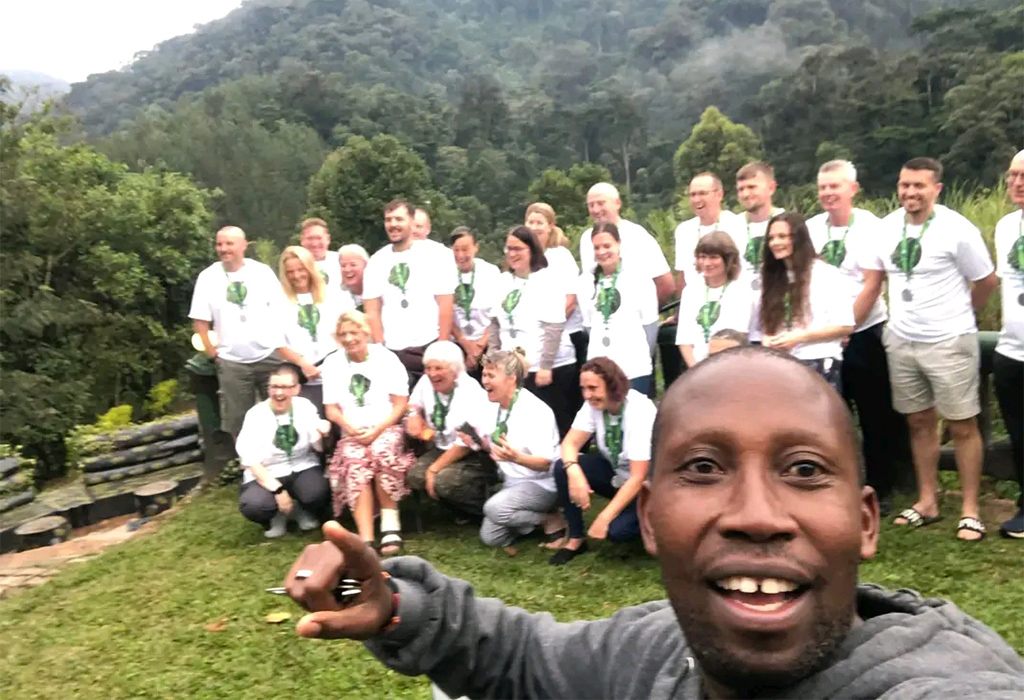
4. Facilitating Gorilla Viewing
Once the group reaches the gorillas, the guide’s expertise ensures a safe, respectful, and unforgettable interaction.
- Locating Gorillas: Guides work with trackers to locate gorilla families, increasing the likelihood of sightings.
- Behavior Moderation: They help trekkers interpret gorilla actions, such as chest-beating or vocalizations, and instruct on how to respond appropriately.
- Photography Guidance: Guides provide tips on capturing great photos without disturbing the gorillas.
5. Enforcing Conservation Rules
Tour guides uphold strict guidelines designed to protect gorillas and their habitats.
- Litter Prevention: They ensure trekkers leave no trace in the forest, keeping the environment pristine.
- Disease Prevention: Since gorillas are highly susceptible to human illnesses, guides enforce safety measures, such as wearing masks and staying home if sick.
- Interaction Limits: Guides monitor behavior to prevent touching or stressing the animals, preserving a safe and calm environment.
6. Liaising with Local Communities
Many tour guides also act as cultural ambassadors, connecting visitors to local communities.
- Cultural Ambassadors: Guides share their own traditions and stories, helping trekkers appreciate the cultural significance of gorillas and forests.
- Community Benefits: They explain how gorilla trekking supports local livelihoods through employment and revenue-sharing, fostering a sense of purpose and responsibility among visitors.
7. Providing Emotional and Physical Support
Gorilla trekking can be physically demanding and emotionally intense. Guides help trekkers navigate both challenges.
- Encouragement and Motivation: Guides inspire and motivate those struggling with the trek, ensuring everyone feels supported.
- Physical Assistance: They help trekkers over difficult terrain and offer practical aid when needed.
- Calming Anxiety: Guides reassure nervous visitors, explaining what to expect and how to interact safely with wildlife.
8. Post-Trek Engagement
The guide’s work continues even after the trek concludes. Post-trek engagement enhances the experience and leaves a lasting impression.
- Feedback Collection: Guides gather input to improve future treks.
- Advocacy Inspiration: Their passion often inspires visitors to support conservation initiatives or share their experiences to raise awareness.
- Souvenirs and Stories: Guides recommend locally made crafts, supporting communities and offering meaningful mementos of the trek.
Qualities of an Effective Tour Guide
The best guides combine knowledge, experience, and interpersonal skills:
- Extensive Knowledge: About gorillas, their environment, and local culture.
- Strong Communication: Ability to explain complex information clearly and engagingly.
- Patience and Empathy: Understanding the needs and concerns of all trekkers.
- Passion for Conservation: Dedication to protecting wildlife and educating others about environmental stewardship.
Conclusion
Tour guides are the backbone of gorilla trekking. They ensure that each trek is not only safe and enjoyable but also educational, meaningful, and sustainable. From navigating trails and ensuring safety to teaching visitors and enforcing conservation rules, their work leaves a lasting impact. By fostering respect for gorillas and their habitats, guides create transformative experiences that inspire visitors long after they leave the forest.
