
How to Get to Mgahinga National Park from Kigali, Rwanda
March 27, 2026
Best Tourist Attractions in Rwanda
March 27, 2026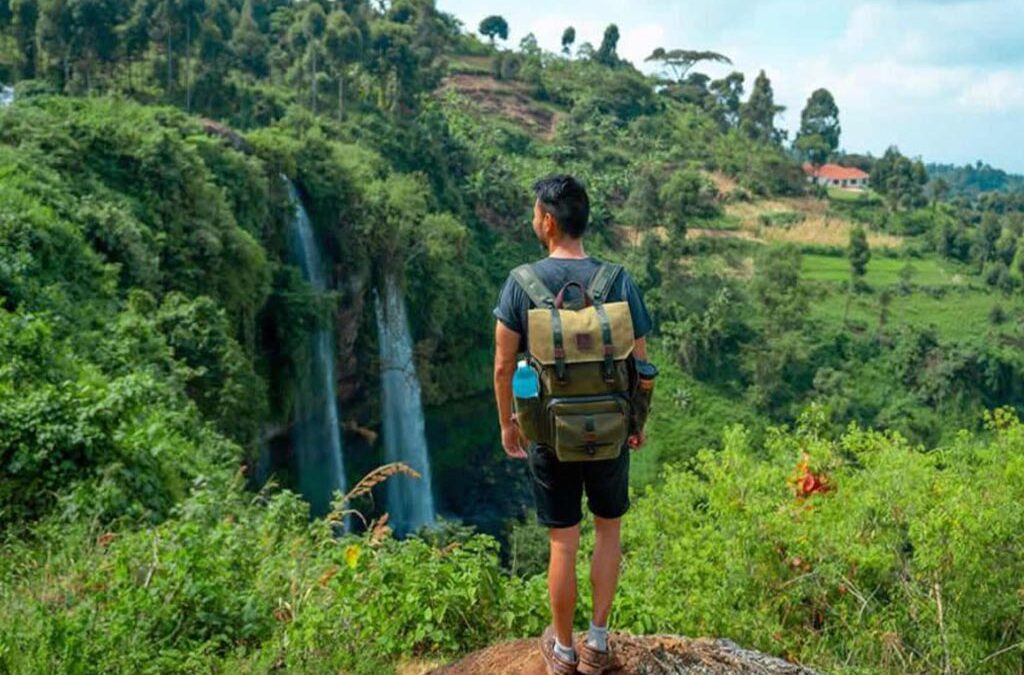
Uganda stands out as one of the safest and most welcoming destinations in East Africa for solo travelers. The country combines a growing tourism infrastructure with genuine local hospitality, making independent travel both manageable and rewarding. Because English is widely spoken, communication feels easy from the moment you arrive. Even better, many activities naturally operate in guided groups, so you rarely explore entirely on your own.
Why Uganda Works for Solo Travelers
At first, many travelers hesitate before choosing Uganda. However, those who take the leap quickly discover how accessible and enriching the experience can be. Over the past decade, Uganda’s tourism sector has evolved significantly. Park rangers, guides, and accommodation hosts now regularly welcome solo visitors from around the world.
In addition, most major experiences—especially wildlife encounters—require guided participation. As a result, you connect with other travelers almost instantly. This balance between independence and built-in social interaction makes Uganda particularly appealing for solo exploration.
Jinja: Where Solo Adventure Begins
If you begin your journey in Jinja, you will immediately see why it attracts solo travelers. Located at the source of the River Nile, the town offers a natural playground for adventure lovers. Each day, small groups head out for white-water rafting on some of Africa’s most thrilling rapids. Soon after, activities like bungee jumping and quad biking bring people together again.
Because these experiences run in groups, meeting others happens effortlessly. Conversations start naturally, and friendships often form before the day ends. At the same time, Jinja’s relaxed, social atmosphere encourages connection. Shared spaces and group dining setups make it easy to plan activities with fellow travelers, so you rarely feel alone—even on your first night.
Lake Bunyonyi: Peace and Reflection
After the high energy of Jinja, Lake Bunyonyi offers a calm and restorative contrast. Nestled in southwestern Uganda, this scenic lake invites you to slow down and recharge. Its calm, bilharzia-free waters allow for safe swimming, while canoe trips between islands provide gentle exploration at your own pace.
Moreover, community-based experiences around the lake create meaningful cultural connections. These activities usually take place in small groups, which makes the experience more personal and engaging. The peaceful environment, combined with the friendliness of local communities, creates a sense of comfort that solo travelers deeply appreciate.
Bwindi Impenetrable National Park: Shared Gorilla Encounters
Bwindi Impenetrable National Park delivers one of Africa’s most powerful wildlife experiences: mountain gorilla trekking. If you are traveling solo, you might wonder whether this activity suits independent visitors. In reality, it works perfectly.
Park authorities organize all treks in small, ranger-led groups. Therefore, whether you book alone or with others, you automatically join a team of fellow adventurers. Rangers guide you through dense forest terrain, share expert knowledge, and ensure your safety throughout the trek.
Beyond safety, the shared intensity of encountering gorillas creates strong connections among group members. Many solo travelers leave Bwindi not only with unforgettable memories but also with new friendships formed during the trek.
Kampala: Culture and Urban Energy
Kampala adds a vibrant urban dimension to your Ugandan journey. The city pulses with life, offering cultural sites, bustling markets, and a lively food scene. You can explore historical exhibits, wander through busy local markets, or enjoy music and dining in dynamic neighborhoods.
However, it is important to stay aware of your surroundings. Stick to well-known areas during the day and avoid walking alone at night. When you take these simple precautions, Kampala becomes an exciting and manageable destination that enriches your overall travel experience.
Fort Portal and the Western Circuit
Fort Portal often goes unnoticed, yet it rewards solo travelers with its charm and natural beauty. Surrounded by crater lakes, tea plantations, and rolling hills, the town offers a refreshing escape from busier destinations. Guided hikes around the crater lakes provide both safety and companionship, while visits to local farms offer insight into Uganda’s agricultural traditions.
Additionally, Fort Portal serves as the gateway to Kibale National Park. Here, chimpanzee tracking delivers another thrilling wildlife experience. Just like gorilla trekking, these activities take place in guided groups, allowing you to share the moment with others while exploring safely.
Queen Elizabeth and Murchison Falls: Safe Safari Experiences
For classic safari experiences, Queen Elizabeth National Park and Murchison Falls National Park provide ideal settings for solo travelers. In both parks, trained guides lead all major activities, which enhances both safety and learning.
Boat safaris, in particular, stand out. As you cruise along the Kazinga Channel or the Nile, you join other travelers while spotting hippos, elephants, and crocodiles at close range. These shared experiences create a relaxed social atmosphere, making it easy to engage with others while enjoying spectacular wildlife.
Practical Tips for Solo Travel in Uganda
Although solo travel in Uganda feels accessible, a few practical habits can make your journey even smoother. Avoid walking alone at night, especially in busy urban areas. Instead, rely on trusted ride-hailing services for safe and convenient transport.
At the same time, dress modestly when visiting rural communities and religious sites to show respect for local customs. Choosing accommodations with shared spaces can also enhance your experience, as these environments naturally encourage interaction.
Ultimately, Uganda transforms solo travel into something far more connected than you might expect. With the right approach, your journey becomes a blend of independence, cultural immersion, and meaningful human connections.