
Do Gorilla Permits Sell Out Quickly?
December 5, 2025
Things to Do at the Uganda Wildlife Education Centre
December 5, 2025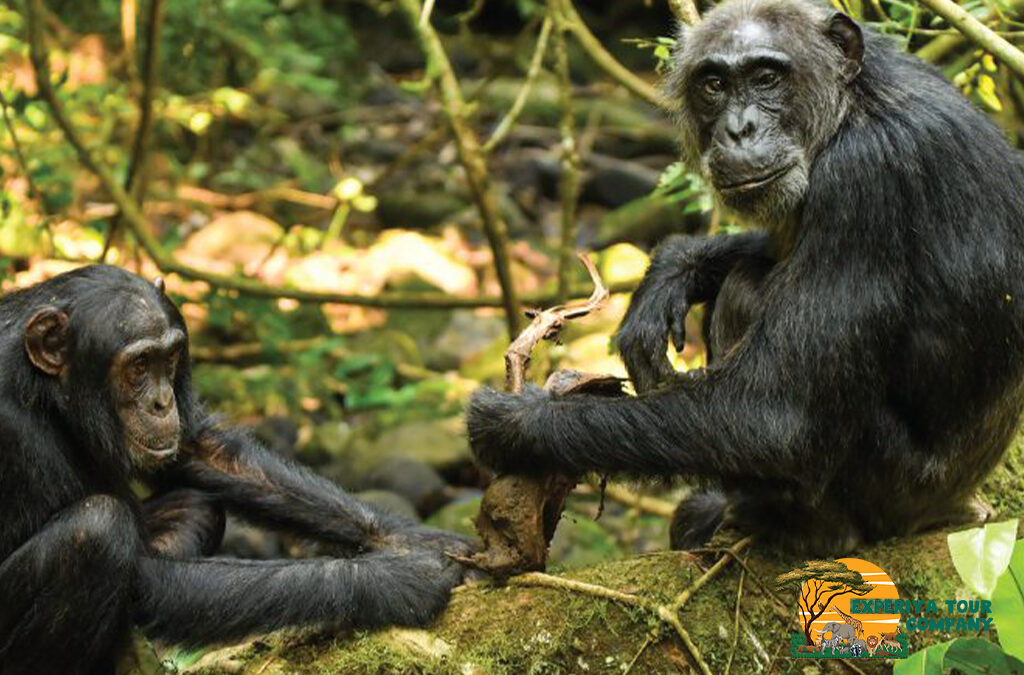
Protecting Chimpanzees for Tourism Development in Uganda
Uganda shelters more than 5,000 wild chimpanzees, making it one of Africa’s most rewarding destinations for primate tourism. From the lush, tropical forests of Kibale to the serene shores of Ngamba Island, the country has strengthened conservation efforts while positioning itself as a leader in sustainable tourism. As travelers continue to seek authentic and ethical wildlife experiences, Uganda’s chimpanzee conservation programs provide a model for how tourism can directly support wildlife protection, community development, and scientific research.
A National Commitment to Chimpanzee Conservation
Uganda’s government continues to invest heavily in long-term chimpanzee protection through the Chimpanzee Conservation Action Plan. This national strategy guides the country’s response to threats such as poaching, deforestation, and human–wildlife conflict. It also emphasizes the importance of eco-tourism as a tool for conservation financing.
The Uganda Wildlife Authority plays a central role in enforcing these policies. It oversees regulated tourism activities, deploys rangers across protected areas, and ensures that chimpanzee trekking follows global standards for animal welfare. Through consistent law enforcement and habitat management, the government strengthens the stability of chimpanzee populations while maintaining Uganda’s reputation as an ethical tourism destination.
By integrating conservation with tourism development, the country effectively allows both sectors to reinforce each other.
Responsible Chimpanzee Trekking in Uganda’s Forests
Chimpanzee trekking has become one of Uganda’s most popular wildlife experiences. Travelers explore rich forest ecosystems in Kibale National Park, Budongo Forest, Kalinzu Forest, and Kyambura Gorge with the hope of encountering habituated chimpanzee groups. Because chimpanzees are incredibly sensitive to human presence, authorities enforce strict trekking guidelines to protect them.
Visitors must keep a minimum distance of eight meters from the animals, wear protective face masks, follow hygiene rules, and limit their viewing time to one hour. These measures reduce stress on the chimpanzees and significantly lower the risk of disease transmission. Rangers and researchers monitor the habituated groups daily, observing their health, tracking their movements, and watching for any environmental pressures that may affect their wellbeing.
With each regulated trek, Uganda demonstrates its dedication to ensuring that tourism never disrupts the natural behavior of these intelligent primates.
Sanctuary Tourism and the Role of Ngamba Island
While trekking offers encounters with wild chimpanzees, sanctuary tourism presents a different but equally meaningful experience. Ngamba Island Chimpanzee Sanctuary, located on Lake Victoria, cares for more than 50 rescued and orphaned chimpanzees. These individuals cannot return to the wild because of injuries, trauma, or early separation from their families.
The sanctuary operates on strong environmental principles, relying on solar energy, rainwater harvesting systems, and environmentally safe waste management. Visitors observe the chimps from viewing platforms, learn about their rescue stories, and gain insight into chimpanzee behavior through educational programs. Every visit contributes to the ongoing care of the animals and supports community outreach and conservation education efforts.
Through this sanctuary model, Uganda shows how wildlife welfare, tourism, and visitor education can work together to promote long-term conservation.
Community Participation and the Growth of Eco-Tourism
Chimpanzee conservation in Uganda succeeds largely because local communities actively participate. People living near forests once viewed chimpanzees as threats to crops or livestock. Today, however, many communities see the chimps as valuable assets thanks to revenue-sharing programs and eco-tourism initiatives.
A portion of tourism income supports local services such as schools, health centers, and clean water projects. These developments directly improve the quality of life for families living around protected areas. Community groups receive training to work as guides, porters, and conservation educators. Many households now engage in forest-friendly activities like beekeeping, tree planting, and crafts production, which help reduce pressure on natural habitats.
Because communities benefit from tourism, they have stronger incentives to protect the forests and the animals that attract visitors. This partnership between conservation and local development continues to turn former wildlife conflict zones into conservation success stories.
Economic Impact of Chimpanzee Tourism
Chimpanzee tourism contributes millions of dollars to Uganda’s economy each year. Kibale National Park alone attracts thousands of primate enthusiasts because it is considered the “primate capital of the world.” A trekking permit costs about $150, and every trek generates additional revenue through accommodation bookings, transport services, meals, and the sale of local crafts.
Rural economies gain the most, as many lodges, tour guides, drivers, and small businesses rely heavily on income from primate tourism. The economic ripple effect extends beyond the tourism industry, supporting conservation activities, research projects, and community development programs. As more travelers seek responsible wildlife experiences, chimpanzee trekking continues to strengthen Uganda’s safari circuit and elevate the country’s image as a premier primate-watching destination.
Biosecurity and Disease Prevention Measures
Because chimpanzees share more than 98% of their DNA with humans, they are highly susceptible to human diseases. Even a mild flu or respiratory infection can spread quickly through a chimpanzee group and cause severe consequences. To safeguard the animals, Uganda enforces strict biosecurity protocols during treks.
Visitors must sanitize their hands before entering the forest, wear masks during the viewing hour, and avoid trekking if they feel unwell. Rangers also monitor the health of tourists and enforce quarantine procedures for any suspected illness. These measures have contributed significantly to keeping chimpanzee groups healthy while allowing tourists to enjoy memorable encounters.
Research and Long-Term Monitoring Efforts
Scientific research forms the backbone of Uganda’s chimpanzee conservation strategy. Teams of researchers conduct population surveys, study feeding and social behaviors, and monitor habitat quality across the country’s forests. Universities and international conservation organizations work hand in hand with wildlife managers to develop solutions for emerging threats such as habitat fragmentation and human encroachment.
Education programs in schools and communities promote conservation ethics, teaching children the importance of protecting wildlife and forests. Through research and public education, Uganda invests in future generations of conservationists and ensures long-term commitments to chimpanzee protection.
Tourism as a Pathway to Chimpanzee Survival
Uganda continues to demonstrate that wildlife protection and tourism development can grow together. By safeguarding chimpanzees and their habitats, the country attracts visitors seeking rare and meaningful encounters with nature. In return, tourism revenue strengthens conservation programs and uplifts rural communities.
With strong laws, responsible tourism practices, scientific research, and community involvement, Uganda provides a shining example of how humans and wildlife can coexist sustainably. As long as these efforts remain prioritized, chimpanzees will thrive in their natural homes and travelers will continue to experience one of Africa’s most extraordinary primate encounters.