


A Rwandan safari is not only about tracking gorillas, spotting wildlife, and admiring rolling green hills—it is also a journey into Rwanda’s rich and comforting cuisine. As you travel across the country, you will quickly discover that food plays an important role in daily life and cultural identity.
Rwandan cuisine reflects strong agricultural roots and relies heavily on fresh, locally grown ingredients such as beans, plantains, cassava, sweet potatoes, vegetables, and meat. Most dishes are simple, nourishing, and prepared with care, making every meal feel authentic and satisfying.
Below are some of the most popular Rwandan foods you should not miss during your safari.
Ugali and Isombe (Cassava Leaves)
To begin with, Ugali stands as one of Rwanda’s most common staple foods. Cooks prepare it by mixing maize flour with water until it forms a firm, dough-like consistency. While simple on its own, Ugali truly shines when paired with Isombe.
Isombe consists of cassava leaves cooked slowly with ground peanuts and sometimes fish or meat. Together, Ugali and Isombe create a hearty, filling meal that perfectly represents everyday Rwandan home cooking.
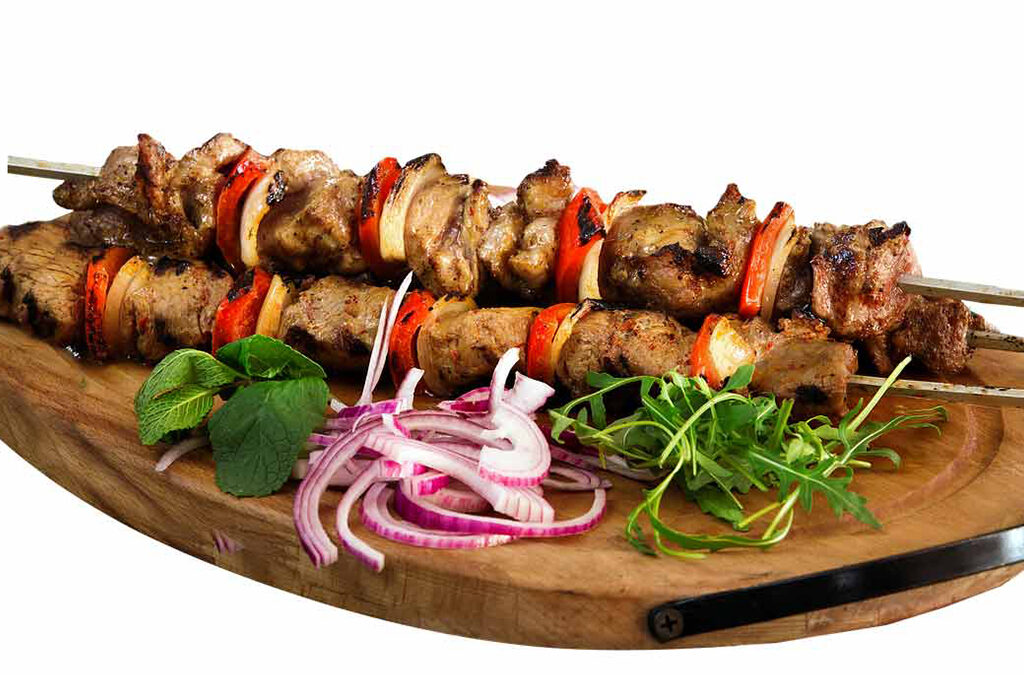
Brochettes (Grilled Meat Skewers)
Without a doubt, brochettes rank among Rwanda’s most loved foods. These grilled meat skewers—often made from goat, beef, or chicken—are marinated with local spices and roasted over open flames.
You will commonly find brochettes at roadside eateries and local bars. They usually come served with fried plantains or potatoes, making them an ideal snack or meal after a long day on safari.
Akabenz (Pork Ribs)
For pork lovers, Akabenz is a must-try dish. Chefs prepare these well-seasoned pork ribs by slow-cooking or grilling them until they become tender and richly flavored.
Interestingly, the name “Akabenz” playfully suggests quality and indulgence. Locals often serve it with roasted potatoes, vegetables, or plantains, creating a satisfying and filling meal.
Ibihaza (Pumpkin and Beans)
Next, Ibihaza highlights Rwanda’s strong farming traditions. Cooks prepare this nutritious dish by boiling pumpkin and mixing it with beans, resulting in a mildly sweet and wholesome meal.
Although naturally vegan, Ibihaza pairs beautifully with meat or fish. Its earthy flavor and comforting texture make it especially enjoyable during cooler evenings.
Isombe (Cassava Leaves)
Although mentioned earlier, Isombe deserves special attention as one of Rwanda’s signature dishes. Chefs boil cassava leaves until soft, then mash and cook them with peanuts to create a rich, creamy texture.
People usually serve Isombe with Ugali or rice, alongside meat or fish. If you want to experience a truly authentic taste of Rwanda, this dish should be at the top of your list.
Matoke (Steamed Plantains)
Another popular staple is Matoke, a traditional dish made from green plantains. After peeling them, cooks boil or steam the plantains and mash them into a soft, starchy consistency.
Thanks to its slightly sweet flavor, Matoke pairs well with sauces, vegetables, or meat. It is filling, nourishing, and widely enjoyed throughout the Great Lakes region.
Igisafuria (One-Pot Stew)
After a cool safari evening, Igisafuria offers warmth and comfort. This one-pot stew combines chicken or beef with potatoes, carrots, green beans, and sometimes peas, all simmered together in a tomato-based sauce.
Because everything cooks in one pot, the flavors blend perfectly. People often serve Igisafuria with rice or plantains, making it both practical and delicious.
Sambaza (Fried Lake Fish)
Along lakeside areas, especially near Lake Kivu, Sambaza is a popular choice. These small fish are fried until crispy and served hot.
Vendors usually offer Sambaza with lemon or chili sauce on the side. As a result, they work well as a snack or appetizer and are especially popular at roadside stalls.
Ikivuguto (Traditional Fermented Milk)
In addition to savory dishes, Rwanda also offers unique traditional drinks. Ikivuguto is a fermented milk similar to yogurt, known for its tangy taste and creamy texture.
People drink it on its own or enjoy it alongside sweet potatoes or bread. It is refreshing, nourishing, and perfect after a long day of travel.
Rwandan Coffee
Finally, no visit to Rwanda feels complete without tasting its coffee. Grown in the country’s fertile highlands, Rwandan coffee is known for its smooth body and subtle fruity notes.
Many safari routes pass through coffee-growing regions, where you can enjoy freshly brewed coffee while learning about the journey from bean to cup.
Final Thoughts
Overall, Rwandan cuisine adds warmth and depth to any safari experience. From hearty stews and grilled meats to plant-based dishes and freshly brewed coffee, each meal tells a story of tradition, community, and local pride.
As you explore Rwanda’s landscapes and wildlife, take time to enjoy its food as well. Long after your safari ends, the flavors of Rwanda will remain part of your most cherished memories.
