How to Choose the Best Travel Month for a Safari
January 21, 2026
Mistakes to Avoid When Booking Golden Monkey Permits in Uganda and Rwanda
January 21, 2026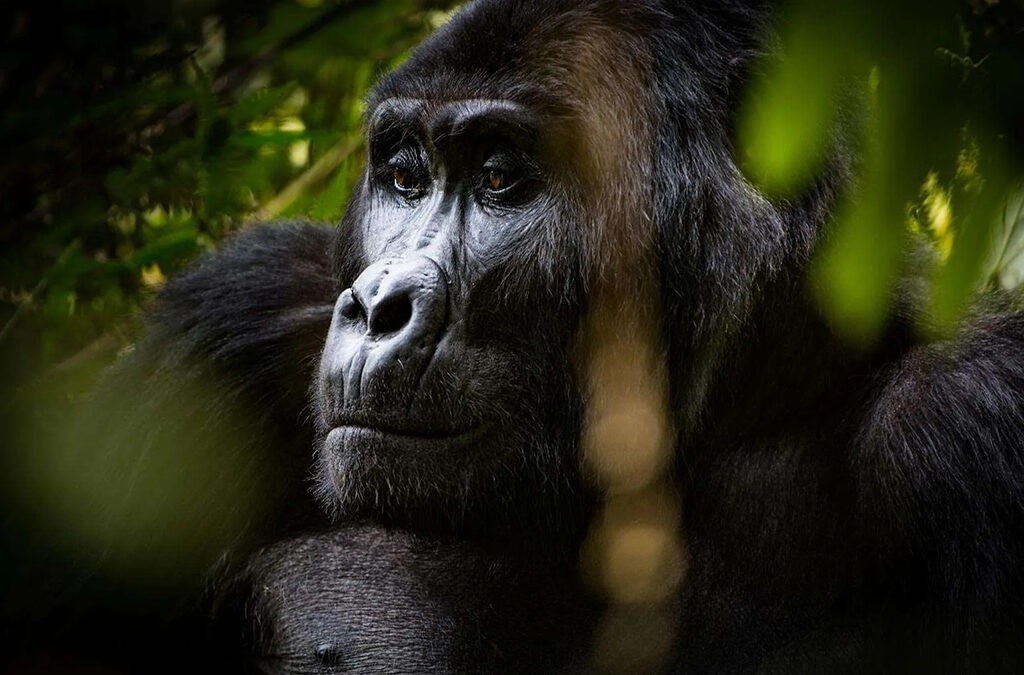
Gorilla habituation is a unique wildlife experience that allows tourists to observe mountain gorillas for an extended period while actively supporting conservation efforts. This activity involves following partially habituated gorillas as they gradually become accustomed to human presence. It was pioneered by American anthropologist Dian Fossey as a way to protect and preserve mountain gorillas. Initially reserved for researchers, gorilla habituation was opened to tourists by the Uganda Wildlife Authority in 2014.
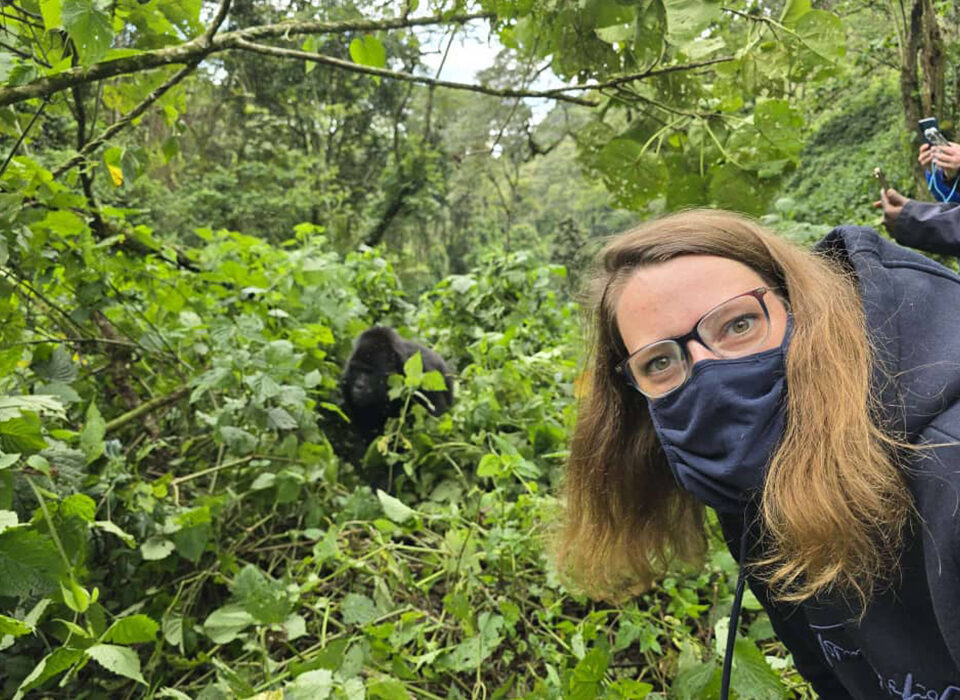
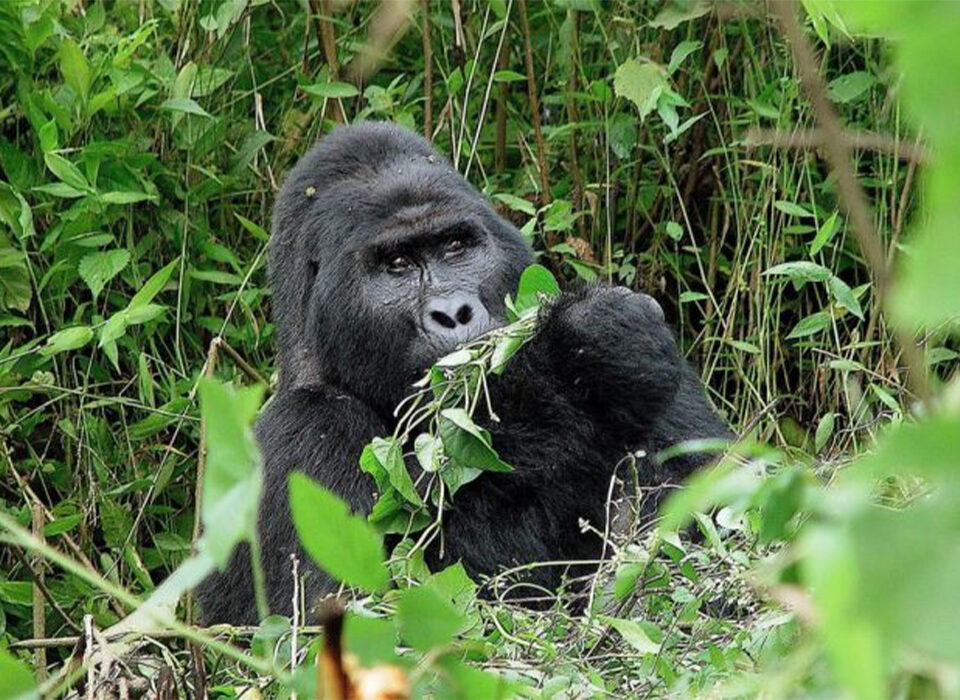
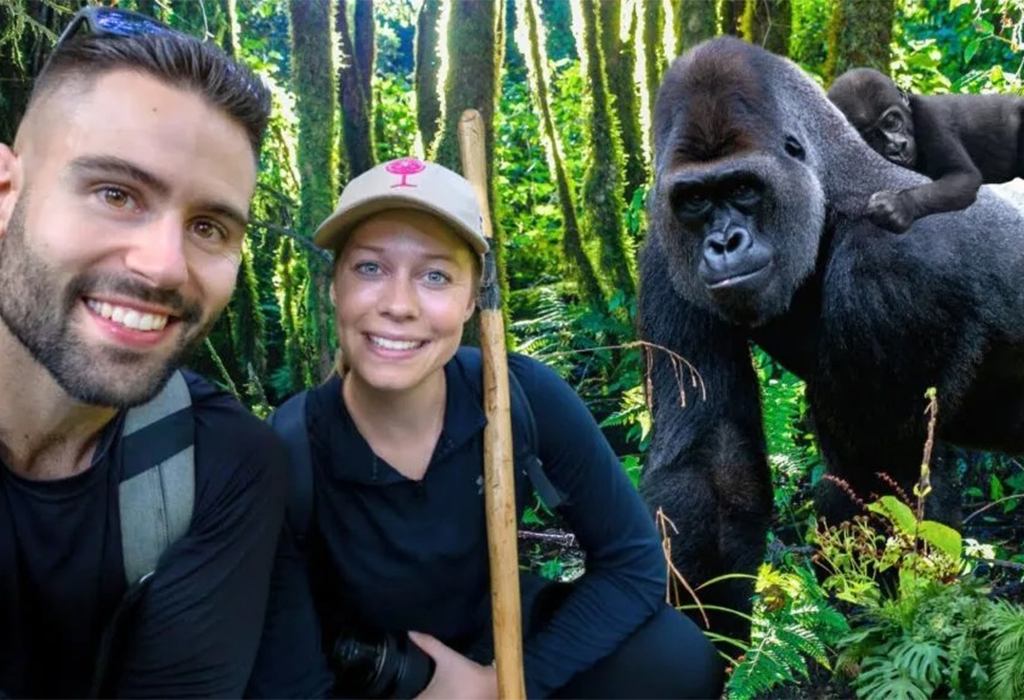
During a habituation experience, visitors wake up early, around 7:30 a.m., to meet the gorillas as they leave their nests. They follow them to feeding areas and witness their daily routines. Because these gorillas are still in the early stages of habituation, they retain their natural behaviors. Visitors spend four hours observing the gorillas under the guidance of researchers, studying their behavior and even assisting with some conservation activities. Unlike regular gorilla trekking, habituation allows much more time with the gorillas, offering a rare and immersive wildlife encounter.
What Is a Gorilla Habituation Experience?
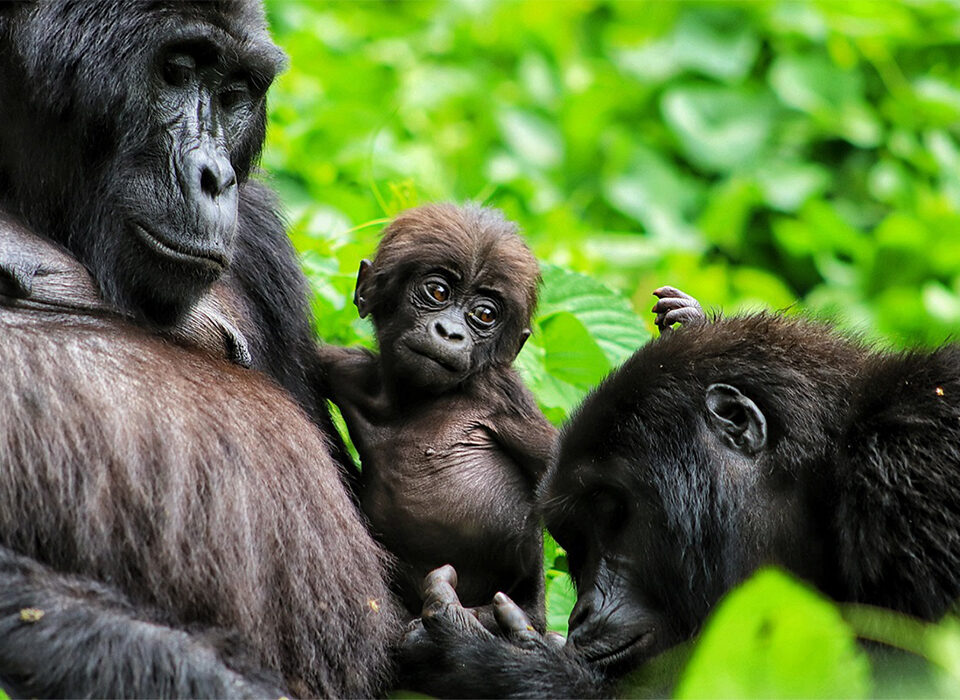
Gorilla habituation is the process of gradually familiarizing wild gorillas with human presence. Researchers follow a gorilla family daily, helping them adjust without altering their natural behavior. Despite their massive size, gorillas are naturally reserved. Over time, they become less shy and more tolerant of humans. For tourists, participating in habituation provides a unique opportunity to witness their behavior up close while contributing directly to conservation and community support.
The Uganda Wildlife Authority opened gorilla habituation to tourism in 2014 to generate funding for both gorilla conservation and the local communities surrounding Bwindi Impenetrable National Park.
Cost of Gorilla Habituation Permit in Uganda
Currently, a gorilla habituation permit in Uganda costs $1,500 per person per expedition. This fee covers park admission, the guidance of trained rangers and researchers, support for gorilla research and medication, and community development programs. For an additional fee, visitors can hire a porter to carry their belongings, directly benefiting local families through education, healthcare, and basic needs.
How Many People Can Participate?
Only four tourists per gorilla family can participate in habituation each day. Introducing too many humans at once can frighten the gorillas. The habituation process for a family typically takes two to three years and can occasionally extend up to five years. Every step is carefully managed to ensure the gorillas’ comfort and safety.
Best Time for Gorilla Habituation
Gorilla habituation is possible year-round. However, the drier months from June through September and December through January are recommended. During these periods, trekking through the humid forest and muddy terrain is easier. Due to the limited number of daily permits, advance reservations are essential.
Where to Experience Gorilla Habituation in Uganda
Gorilla habituation is offered only in the southern portion of Bwindi Impenetrable National Park. Currently, two gorilla families are available for habituation. The Bukingyi Family is located in the Rushaga area, while the Bushaho Family is found in the Nkuringo region. Visitors must travel to these southern regions to participate in the habituation experience.
Daily Routine and Duration
Gorilla habituation begins at 7:30 a.m., an hour earlier than regular gorilla trekking. Once the gorillas are located, visitors spend four hours observing them. During this time, they may identify individual gorillas, watch distinct behaviors, take photographs under guidance, and assist researchers in observation and data collection. Trekking through the forest can take time, so the total experience may last up to eight hours.
Age Requirement
Participants must be at least 15 years old, as the forest terrain and tracking demands require physical endurance and maturity.
Safety During Gorilla Habituation
Mountain gorillas are not aggressive unless provoked. All habituation activities are conducted under the supervision of trained researchers and ranger guides. Visitors are expected to follow safety guidelines to ensure a safe and enjoyable experience.
Difficulty Level
Gorilla habituation can be physically demanding due to the challenging forest terrain, but the experience is highly rewarding. Observing a gorilla family over several hours and being part of their adaptation to human presence creates unforgettable memories. Proper preparation and the right equipment are essential for fully enjoying the experience.
Difference Between Gorilla Habituation and Gorilla Trekking
Unlike gorilla trekking, which allows only one hour with the gorillas, habituation provides four hours of close observation. Daily permits for trekking are higher, with multiple families accessible, whereas habituation is limited to two families in southern Bwindi. The purpose also differs: trekking focuses on observation and photography, while habituation aims to gradually acclimate gorillas to human presence.
What to Bring for Gorilla Habituation
Visitors should prepare for the forest environment with sturdy, waterproof trekking footwear, long-sleeved shirts and pants in neutral colors, and a water-resistant bag to protect belongings. A camera with a good lens, extra battery, and a poncho or sweatshirt for warmth are recommended. Other essentials include gardening gloves for handling foliage, a hat for protection from rain or falling leaves, insect repellent, a water bottle, energy snacks, and cash for souvenirs or local purchases.
Getting to Bwindi Impenetrable National Park
By vehicle, the park is accessible from Kampala via Kabale to Nkuringo, a four-hour drive over curvy mountainous roads. Many visitors stay overnight in Kisoro before heading to Rushaga or Nkuringo. By air, daily domestic flights from Kajjansi Air or Entebbe Airport arrive at Kisoro Airstrip, followed by a transfer vehicle to the habituation areas. Private charter flights are also available on request.
Why Book Gorilla Habituation with Experiya Tour Company
Experiya Tour Company provides full-service bookings for gorilla trekking, habituation, and East African safaris. We handle every detail, including permit reservations, lodging, transport logistics, and additional activities. Booking with Experiya ensures a seamless, safe, and enriching wildlife experience, allowing travelers to focus entirely on the incredible opportunity to witness gorillas up close.