
The Best Travel Safety Tips for Gorilla Safari Rwanda
March 5, 2026
Explore Jinja: The Source of the Nile
March 5, 2026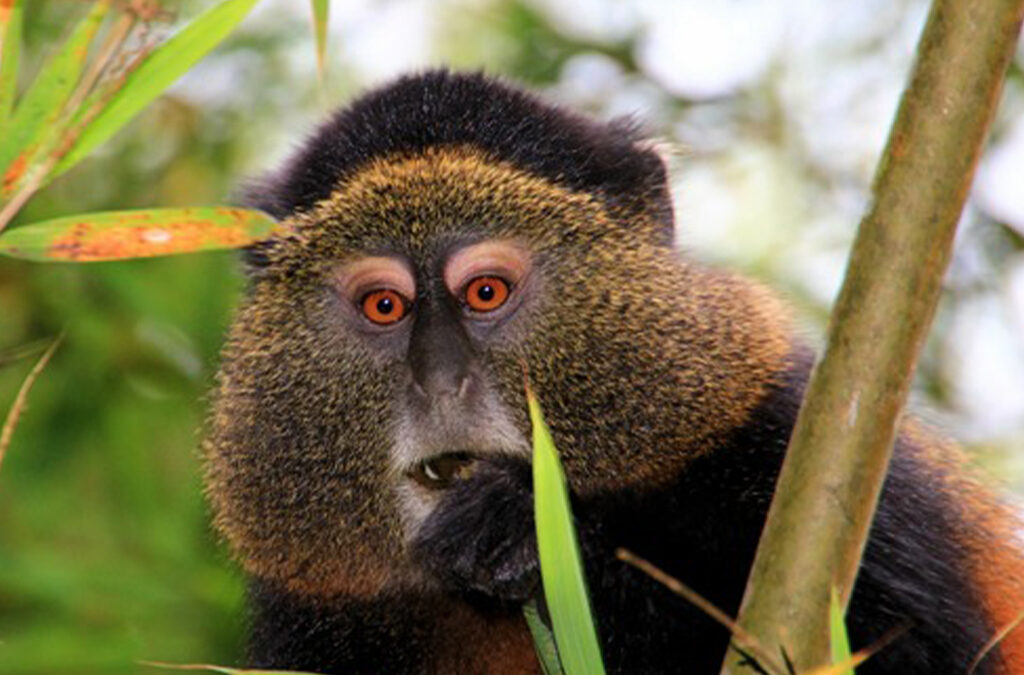
In addition to gorilla trekking, Mgahinga Gorilla National Park is home to the rare and beautiful golden monkeys. These lively primates are found in the Virunga region, and in Uganda, they live only in Mgahinga National Park. Although the park is small, it offers an incredible primate experience where you can combine golden monkey trekking, gorilla trekking, and mountain hiking in one unforgettable safari.
Golden monkeys are highly social and energetic. Once you encounter them in the forest, they keep you constantly alert as they leap from bamboo stems to tree branches. Because they are among the most endangered monkey species in the world, every trek contributes directly to their conservation.
Below are the most frequently asked questions about golden monkey trekking in Uganda.
What Exactly Is Golden Monkey Trekking?
Golden monkey trekking involves hiking through the forest with experienced ranger guides in search of a habituated troop of golden monkeys. Once you locate them, you are allowed to spend one hour observing their behavior, taking photos, and enjoying their playful interactions.
These monkeys are known for their striking golden-orange fur patches and lively nature. Unlike many other monkey species, golden monkeys thrive in bamboo forests, which makes Mgahinga’s vegetation ideal for them.
When Is the Best Time to Visit Mgahinga for Golden Monkey Trekking?
You can trek golden monkeys throughout the year. However, the dry seasons offer the best experience, especially for photography and easier hiking conditions.
The most favorable months are June to September and December to February. During these periods, trails are less muddy, visibility improves, and hiking becomes more manageable. Although Mgahinga remains cool year-round due to its high altitude, the dry months bring lower humidity and clearer skies.
How Much Does a Golden Monkey Permit Cost?
The Uganda Wildlife Authority issues all golden monkey permits. Currently, a golden monkey trekking permit costs USD $60 per person.
This fee includes park entry, ranger guide services, security, conservation support, and one hour with a habituated troop. Because ranger allocation depends on permit bookings, it is important to reserve your permit in advance.
For updated permit arrangements and safari planning, Experiya Tour Company can assist with securing permits and organizing your entire itinerary.
How Long Does It Take to Find the Golden Monkeys?
The trek can take anywhere from 30 minutes to about two hours, depending on the monkeys’ location. Several factors influence the duration, including food availability, troop movements, weather conditions, and interactions between different groups.
Fortunately, golden monkeys often stay within the bamboo zones, which sometimes makes them easier to locate compared to mountain gorillas.
Is Golden Monkey Trekking Worth It?
Absolutely. Golden monkey trekking offers a different but equally rewarding experience compared to gorilla trekking. These primates are playful, fast-moving, and incredibly photogenic.
Moreover, since they are endangered, participating in a trek directly supports conservation efforts in the Virunga region. If you are already visiting Mgahinga for gorillas, adding golden monkeys to your itinerary makes your safari even more enriching.
Where Should You Stay for Golden Monkey Trekking?
Because trekking begins early in the morning with a briefing at the Ntebeko Visitor Center, you should spend the night near Mgahinga National Park or in Kisoro town.
Accommodation options range from budget lodges and guesthouses to mid-range and luxury eco-lodges. Whether you prefer simple camping facilities or upscale comfort, you will find suitable choices near the park.
Experiya Tour Company can recommend accommodations based on your travel style and budget.
How Do You Access Mgahinga National Park?
By Road
The drive from Kampala to Mgahinga National Park covers approximately 540 kilometers and takes about 8 to 9 hours without long stops. From Kabale, the final 80 kilometers to Ntebeko Visitor Center require about two hours on a winding, sometimes rough road.
By Air
Daily domestic flights operate from Entebbe International Airport or Kajjansi Airstrip to Kisoro Airstrip. From Kisoro, you will need a transfer vehicle to reach the park. Charter flights are also available upon request.
Flying significantly reduces travel time and offers spectacular aerial views of southwestern Uganda.
How Many Golden Monkeys Are in a Troop?
A typical troop consists of 100 to 200 individuals led by a dominant alpha male. Watching such a large and dynamic group interact in the bamboo forest creates an exciting and immersive wildlife experience.
How Difficult Is Golden Monkey Trekking?
Mgahinga National Park lies within a mountainous region, and the terrain can be steep and muddy, especially during the rainy season. However, golden monkey trekking is generally considered moderate in difficulty.
Because of the volcanic soil and occasional wetlands, you should wear sturdy trekking boots. If you have completed gorilla trekking before, you will likely find golden monkey trekking manageable.
What Do Golden Monkeys Eat?
Golden monkeys primarily feed on bamboo shoots, fruits, leaves, and other vegetation. Occasionally, they supplement their diet with insects such as ants. Their feeding habits largely determine their movement patterns within the forest.
What Is the Difference Between Gorilla and Golden Monkey Trekking?
Although both experiences take place in Mgahinga, they differ in several ways.
Gorilla trekking focuses on observing habituated mountain gorillas and requires a minimum age of 15 years. Golden monkey trekking, on the other hand, has a minimum age requirement of 12 years.
A gorilla permit in Uganda currently costs significantly more than a golden monkey permit. Additionally, gorillas are larger and more sedentary, while golden monkeys are smaller, faster, and more active.
Both experiences are unique, and combining them provides a complete primate safari.
What Should You Pack for Golden Monkey Trekking?
Preparation plays a key role in ensuring a comfortable trek. You should carry a rain jacket because weather in Mgahinga can change quickly. Wear long-sleeved shirts and trousers to protect yourself from stinging nettles and insects.
Sturdy waterproof hiking boots are essential due to the volcanic soil. Bring drinking water, energy snacks, and a lightweight waterproof backpack. A wide-brimmed hat helps shield you from dripping vegetation, while insect repellent protects against forest bugs.
Photography enthusiasts should carry a good camera without flash. Binoculars also enhance your experience, especially for birdwatching.
If you feel unwell, it is best to inform your guide and avoid the trek to protect the monkeys from human-transmitted diseases.
Can You Do Golden Monkey Habituation?
Yes. Mgahinga National Park offers a golden monkey habituation experience, which allows visitors to spend more extended time with researchers and conservation teams as they study and monitor the monkeys.
This experience provides deeper insight into primate behavior and conservation work.
What Are the Golden Monkey Trekking Rules?
To protect both visitors and wildlife, strict guidelines apply. You must not feed the monkeys or attempt to attract them with food. Keep a safe distance and avoid using flash photography.
Do not litter, smoke, spit, or make loud noises in the forest. If you need a restroom break, your ranger will guide you on proper procedures away from water sources and wildlife areas.
You are allowed only one hour with the monkeys once you find them. Additionally, children under 12 years are not permitted to participate.
What Other Activities Can You Combine with Golden Monkey Trekking?
Mgahinga offers several complementary experiences. You can add gorilla trekking, subject to permit availability. The park is also a fantastic destination for birdwatching, especially for Albertine Rift endemics.
For adventure lovers, hiking the Virunga volcanoes Mount Gahinga, Mount Muhavura, and Mount Sabyinyo provides breathtaking views and rewarding climbs.
Cultural enthusiasts can visit the Batwa community and explore the Garama Caves, where you learn about the indigenous people’s history and traditional forest life.
Plan Your Golden Monkey Safari
Golden monkey trekking in Mgahinga National Park is a rare and thrilling experience that perfectly complements gorilla trekking and mountain hiking. With proper planning, the right gear, and expert guidance, your journey into the bamboo forest becomes both comfortable and unforgettable.
For permit arrangements, accommodation bookings, and customized safari packages, contact Experiya Tour Company to help you plan a seamless golden monkey trekking adventure in Uganda.