Top Photo Spots in Murchison Falls National Park
February 5, 2026
Explore Jinja – Uganda’s Tourism Capital
February 5, 2026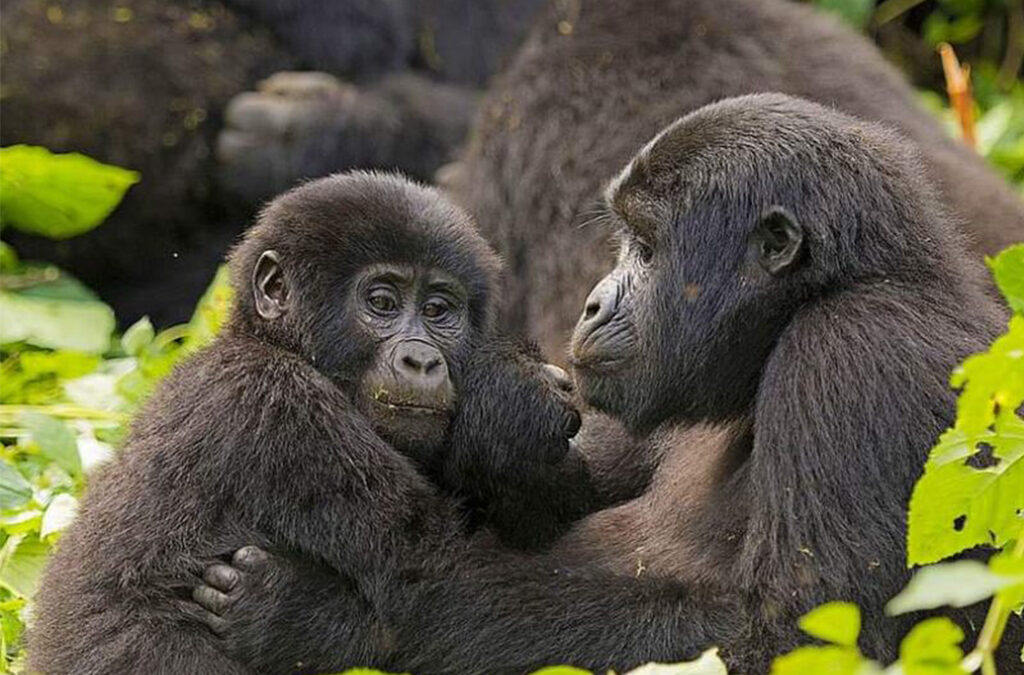
Uganda is one of Africa’s most diverse and rewarding safari destinations. From misty rainforests filled with primates to vast savannahs rich in wildlife, the country offers an experience that feels both wild and deeply personal. Below are answers to the most common questions travelers ask when planning a gorilla and wildlife safari in Uganda.
When Is the Best Time to Visit Uganda?
You can visit Uganda at any time of the year, especially for gorilla trekking, since permits are available year-round. However, weather conditions do affect travel comfort and wildlife viewing.
Uganda has a tropical climate with two main wet seasons: March to May and September to November. During the heavier rains (particularly March–May), some lodges temporarily close, and rural roads can become muddy and challenging to navigate. Trails in the forests may also be slippery, which makes hiking more demanding.
In contrast, the dry seasons June to August and December to February offer the easiest travel conditions. Roads are more accessible, hiking trails are drier, and wildlife gathers around water sources, making animals easier to spot on game drives. These months are also the most popular for gorilla trekking because the forest vegetation is slightly less dense.
Still, the rainy seasons have their advantages. The landscapes turn lush and green, birdlife becomes especially active, and fewer tourists visit, which means a quieter, more intimate safari experience.
Why Visit Uganda? What Are the Major Attractions?
Most travelers know Uganda for one unforgettable reason: mountain gorilla trekking. Standing face-to-face with a wild gorilla family in the misty forests of Bwindi or Mgahinga is a life-changing experience and often the highlight of any East African journey.
However, Uganda offers far more than gorillas.
For classic wildlife safaris, Queen Elizabeth National Park delivers incredible variety. Here, you can track chimpanzees in Kyambura Gorge, cruise along the Kazinga Channel among hippos and elephants, and search for the famous tree-climbing lions in the Ishasha sector.
Further north, Murchison Falls National Park combines dramatic scenery with excellent wildlife viewing. Visitors often take a boat safari along the Nile to the base of the thunderous Murchison Falls or head to the Nile Delta, a paradise for bird lovers where the rare shoebill stork is frequently spotted.
If you crave a true wilderness feel, Kidepo Valley National Park offers remote beauty and unique species such as cheetahs, which you won’t find in most other Ugandan parks.
Primate enthusiasts should not miss Kibale National Park, which provides the most reliable chimpanzee tracking in the country. For an even deeper encounter, the chimpanzee habituation experience allows visitors to spend extended time observing these intelligent primates.
How Much Does Gorilla Trekking Cost?
A Uganda gorilla trekking permit currently costs US$800 per person. While that may sound expensive, it remains significantly more affordable than Rwanda’s permit, which costs US$1,500.
Uganda offers gorilla trekking in Bwindi Impenetrable National Park and Mgahinga Gorilla National Park. After hiking through the forest to locate a habituated gorilla family, visitors spend one unforgettable hour observing them up close. Park authorities limit each group to eight people, which helps minimize stress on the animals and ensures a more intimate experience.
For travelers seeking something more immersive, Bwindi also offers a gorilla habituation experience. In this case, a small group of four visitors spends up to four hours with a semi-habituated gorilla family alongside researchers and rangers. Because these gorillas are still adjusting to human presence, the encounter feels more raw and unpredictable. This special permit costs US$1,500 per person.
What Is Wildlife Viewing Like in Uganda?
Uganda stands out for its variety rather than sheer animal density. While you may not see the massive herds typical of the Serengeti, you will experience a remarkable mix of ecosystems in a single trip.
The country’s tropical forests shelter a dazzling range of primates, including chimpanzees, red colobus monkeys, L’Hoest’s monkeys, and golden monkeys found in Mgahinga. Gorilla trekking remains the star attraction, but chimpanzee tracking comes a close second in excitement.
Meanwhile, Uganda’s savannah parks offer traditional game drives where you can see elephants, lions, buffaloes, giraffes, antelopes, and more. Boat safaris add another dimension, bringing you close to hippos, crocodiles, and waterbirds.
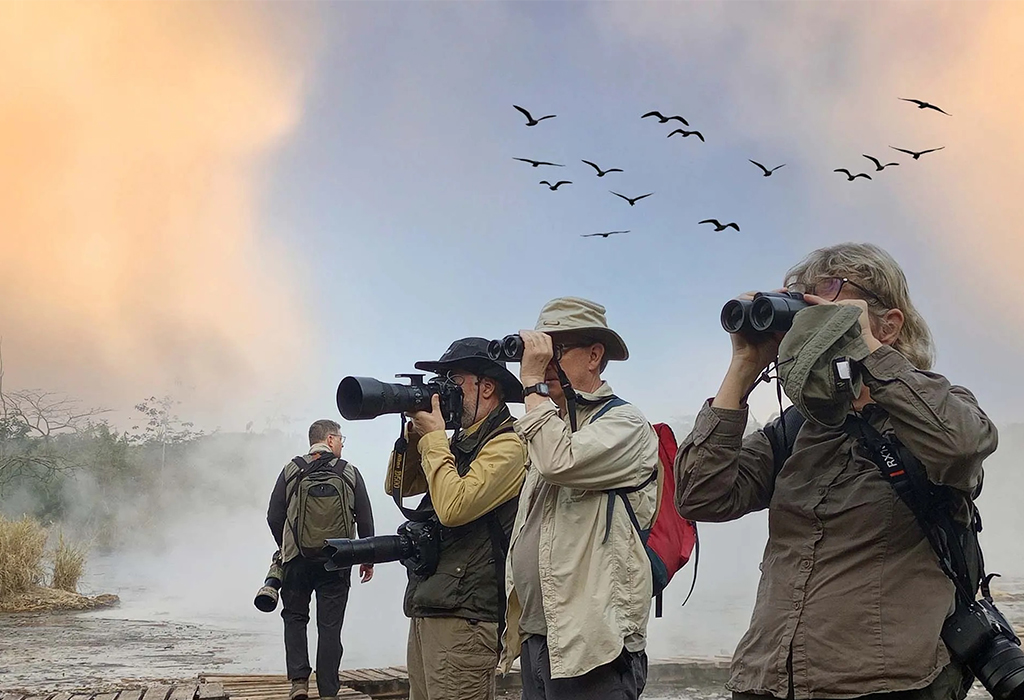
Additionally, Uganda ranks among Africa’s top birding destinations, with over 1,000 recorded bird species. Even casual birdwatchers find themselves amazed by the diversity.
Is Uganda Safe for Tourists?
Uganda is generally a safe and welcoming destination for travelers. Although the country experienced instability in the past, especially in the north, those issues have largely faded. Today, visitors travel freely across the country, including to once-remote areas like Kidepo Valley National Park.
As with travel in any developing country, petty crime can occur in urban areas. Visitors should take standard precautions such as avoiding poorly lit areas at night and keeping valuables secure. National parks maintain dedicated tourism police and ranger patrols, which provide an additional layer of safety for visitors.
How Do I Choose a Reliable Tour Operator?
Selecting the right tour operator can make or break your safari experience. Start by reading recent traveler reviews, paying close attention to comments about guide knowledge, vehicle condition, and overall organization.
A good operator should communicate clearly, provide detailed itineraries, and respond promptly to questions. Many international safari planners work with local Ugandan operators on the ground, combining local expertise with international booking support. Whichever route you choose, transparency and strong customer feedback are key indicators of reliability.
What Type of Accommodation Can I Expect?
Uganda offers a wide range of safari accommodation, from simple budget lodges to luxurious tented camps.
In the high-altitude gorilla regions of Bwindi and Mgahinga, evenings can be chilly and damp. Lodges here often feature cozy cottages, fireplaces, and warm hospitality to keep guests comfortable after a long trek.
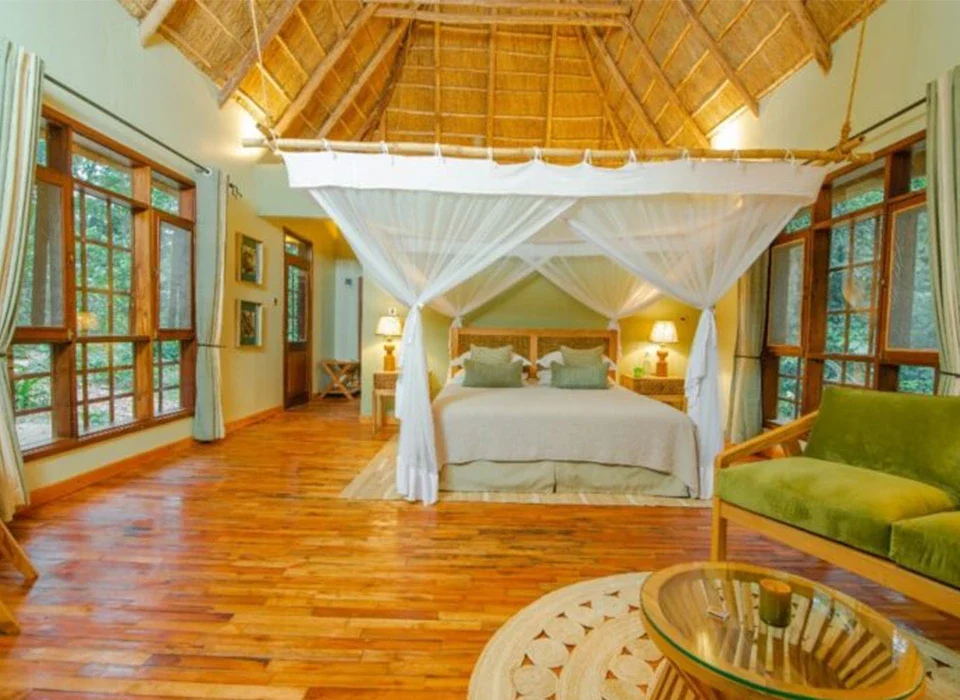
In the savannah parks, you’ll find classic tented camps that blend comfort with a close-to-nature feel. Many overlook rivers or waterholes, where wildlife frequently appears. Budget travelers can also find guesthouses and campsites, which provide a more adventurous and affordable way to explore.
What Should I Expect From a Uganda Safari Overall?
A safari in Uganda is all about variety and adventure. One day you might hike through dense rainforest in search of gorillas; the next, you could cruise along the Nile or scan open plains for lions and elephants.
The scenery constantly changes from volcanic mountains and crater lakes to sweeping savannahs and roaring waterfalls. Activities often include game drives, boat safaris, nature walks, and primate tracking.
Because many experiences involve hiking, travelers should have a moderate level of fitness and be prepared for muddy or uneven terrain. Rain showers can occur at any time, so waterproof clothing is essential.
Ultimately, Uganda appeals most to travelers who love nature, enjoy active exploration, and want to experience wildlife in a setting that still feels raw, authentic, and wonderfully uncrowded.